Complete Fireplace Maintenance Guide
Essential tips and techniques to keep your fireplace safe, efficient, and looking beautiful for years to come
Proper fireplace maintenance is essential for safety, efficiency, and longevity of your heating investment. Whether you have a electric fireplace, gas fireplace, or traditional wood-burning fireplace, regular care prevents dangerous situations like chimney fires, carbon monoxide leaks, and inefficient heating. This comprehensive guide covers everything you need to know about maintaining your fireplace throughout the year.
Why Fireplace Maintenance Matters

Regular fireplace maintenance offers numerous benefits that go beyond simply keeping your fireplace looking clean:
- Safety First: Proper maintenance prevents chimney fires, which account for approximately 25,000 residential fires annually in the US. It also reduces the risk of carbon monoxide poisoning, a silent killer that can result from blocked vents or malfunctioning components.
- Improved Efficiency: A well-maintained fireplace operates at peak efficiency, providing more heat with less fuel. This can reduce your heating costs by 10-30% compared to a neglected unit.
- Extended Lifespan: Regular care prevents premature wear and tear, potentially adding years to your fireplace's operational life. This is especially important for fireplace inserts and other significant investments.
- Better Air Quality: Proper maintenance reduces smoke, soot, and other particulates in your home, creating a healthier living environment for your family.
- Preserved Aesthetics: Regular cleaning maintains the visual appeal of your fireplace design, keeping it an attractive focal point in your home rather than an eyesore.
Maintenance by Fireplace Type
Different fireplace types require specific maintenance approaches. Understanding these differences is crucial for effective care and avoiding damage to your particular unit.

Electric Fireplace Maintenance
Electric fireplaces require the least maintenance but still benefit from regular care. Focus on dusting the heating elements, cleaning the glass display, and checking electrical connections. Learn more about electric fireplace maintenance specifics.

Gas Fireplace Maintenance
Gas fireplaces need annual inspections of the burner, pilot light, and gas lines. Regular cleaning of the gas fireplace burner and logs ensures proper flame appearance and efficient operation.

Wood-Burning Fireplace Maintenance
Wood fireplaces demand the most intensive maintenance, including regular chimney cleaning, ash removal, and inspection for creosote buildup. Learn the complete wood fireplace maintenance routine.
Essential Cleaning Techniques
Proper cleaning forms the foundation of any effective maintenance routine. Here are the key areas to focus on, regardless of your fireplace type:
Fireplace Glass Cleaning
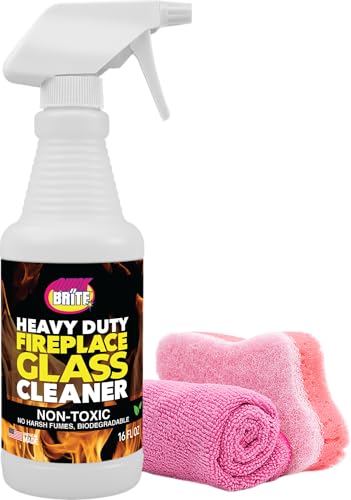
Clean glass not only looks better but also allows you to monitor the flame pattern, which can indicate potential problems. For stubborn deposits on your fireplace glass, use a specialized fireplace glass cleaner or a solution of warm water and vinegar. Avoid abrasive cleaners that can scratch the surface.
Pro Tip
For hard-to-remove white deposits on gas fireplace glass, try using a damp cloth dipped in fine wood ash. The mild abrasive quality helps remove deposits without scratching.
Brick and Stone Cleaning
The masonry surrounding your fireplace requires special care to maintain its appearance and structural integrity. When cleaning fireplace brick and stone, start with a dry brushing to remove loose soot, then use a specialized masonry cleaner for deeper cleaning. Avoid using excessive water, which can seep into cracks and cause damage during freezing temperatures.

Chimney Cleaning
Chimney cleaning is critical for wood-burning fireplaces but also necessary for gas units to remove debris and check for structural issues. A thorough chimney cleaning removes dangerous creosote buildup that can lead to chimney fires. While some homeowners tackle this as a DIY project, most professionals recommend having it done annually by a certified chimney sweep.
Safety Warning
Creosote buildup is the leading cause of chimney fires. If you burn wood regularly, have your chimney inspected at least once a year, and cleaned as needed—more frequently if you notice a 1/8-inch or more of creosote accumulation.
Seasonal Maintenance Schedule
A well-planned seasonal approach ensures your fireplace is always ready when you need it and properly protected when not in use. Following a seasonal fireplace checklist helps prevent problems before they start.
Fall Preparation
Before heating season begins, schedule a professional inspection, clean the chimney, check all components, and test the ignition system. See our complete fall fireplace inspection guide.
Winter Vigilance
During active use, monitor for performance issues, clean the glass regularly, remove ashes frequently, and watch for unusual odors or smoke. Learn proper winter fireplace preparation techniques.
Spring Cleaning
After the heating season ends, perform a thorough cleaning, address any issues that arose during use, and make necessary repairs before next season. Check our spring maintenance tips.
Summer Protection
During the off-season, protect your fireplace from humidity and pests with proper covers and draft stoppers. Follow our summer fireplace care recommendations.
Maintenance Costs Breakdown
Understanding typical maintenance costs helps you budget appropriately and recognize fair pricing when hiring professionals. The cost of fireplace maintenance varies significantly based on type, location, and required services.
| Service | Frequency | Cost Range |
|---|---|---|
| Chimney Inspection | Annual | $100–$250 |
| Chimney Cleaning | Annual (wood burning) | $150–$350 |
| Gas Fireplace Service | Annual | $100–$200 |
| Electric Fireplace Service | As needed | $50–$150 |
| Glass Replacement | As needed | $200–$500 |
| Fireplace Insert Cleaning | Annual | $150–$300 |
| Damper Repair/Replacement | As needed | $200–$600 |
| Crown Repair | As needed | $500–$1,500 |
Cost-Saving Tip
Many chimney service companies offer package deals when you combine inspection and cleaning. Booking in spring or summer when demand is lower can also result in discounts of 10-20% compared to peak fall season rates.
Annual Inspection Checklist
Whether you're performing a DIY fireplace inspection or hiring a professional, these key areas should be evaluated annually to ensure safe operation:
Complete Inspection Points
- Check chimney for creosote buildup and structural integrity
- Inspect chimney cap and crown for damage or deterioration
- Verify proper draft and airflow
- Examine firebox for cracks, loose bricks, or deteriorating mortar
- Test damper operation and ensure proper sealing when closed
- Inspect gaskets around doors and glass for wear or gaps
- Check gas lines, connections, and valves (gas fireplaces)
- Test pilot light and ignition system (gas fireplaces)
- Examine burner and gas logs for proper positioning and condition
- Verify carbon monoxide and smoke detectors are functioning
- Check for water damage or signs of moisture intrusion
- Inspect blower motor and fan (if equipped)
- Verify thermostat or remote control operation
- Check for bird nests or other animal obstructions in chimney
DIY vs Professional Maintenance

While many maintenance tasks can be performed by homeowners, certain jobs require professional expertise. Understanding the difference helps ensure safety while potentially saving money on services you can handle yourself.
Suitable for DIY:
- Regular cleaning of fireplace glass and exterior surfaces
- Ash removal and disposal
- Dusting electric fireplace components
- Replacing batteries in remotes and carbon monoxide detectors
- Basic visual inspections between professional visits
- Installing decorative elements like mantel decorations
Best Left to Professionals:
- Chimney cleaning and inspection
- Gas line repairs or modifications
- Structural repairs to firebox or chimney
- Installation or replacement of major components
- Addressing water damage or moisture issues
- Resolving persistent draft problems or smoke issues
Important Safety Note
Even if you're comfortable with DIY maintenance, all gas fireplaces should receive an annual professional inspection to check for gas leaks and ensure proper ventilation. This is not just a recommendation—it's a safety requirement for most vented gas fireplaces.
Common Maintenance Mistakes to Avoid
Even well-intentioned homeowners sometimes make errors that can compromise safety or damage their fireplaces. Here are the most common mistakes to avoid:
- Neglecting Annual Inspections: Skipping professional inspections can allow dangerous issues to develop undetected. Always schedule an annual fireplace inspection regardless of how frequently you use your fireplace.
- Using Incorrect Cleaning Products: Standard household cleaners can damage fireplace components. Always use products specifically formulated for fireplace use.
- Burning Improper Materials: Burning trash, painted wood, or treated lumber creates dangerous chemicals and accelerates creosote buildup.
- Ignoring Small Problems: Minor cracks, loose components, or slight performance changes often indicate developing issues that are cheaper to address early.
- Improper Ash Disposal: Hot ashes can remain dangerous for days. Always store ashes in a metal container with a tight lid away from combustible materials.
- Closing the Damper Too Soon: Closing the damper while embers are still hot can cause carbon monoxide to enter your home.
- Neglecting the Exterior: The outside of your chimney is just as important as the inside. Check for deteriorating mortar, damaged flashing, or vegetation growth that could block ventilation.
Essential Maintenance Tools and Products
Having the right tools makes fireplace maintenance easier and more effective. Here are the essentials every fireplace owner should have:
- Fireplace Brush and Shovel Set: For removing ash and debris from the firebox. A quality fireplace shovel set makes this task much easier.
- Chimney Brush: If you plan to clean your own chimney, invest in the correct size and type of brush for your flue.
- Glass Cleaner: Specially formulated fireplace glass cleaner removes soot without scratching.
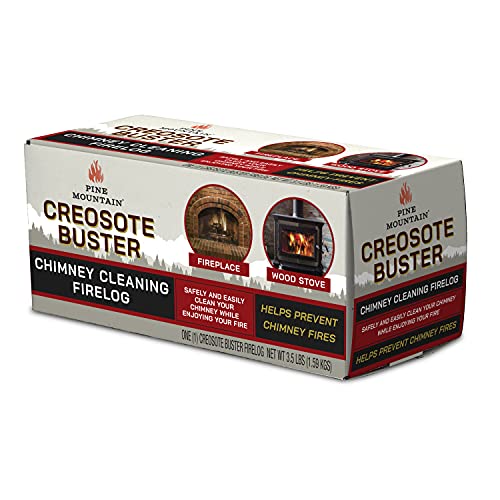
- Creosote Remover: Chemical treatments that help break down creosote buildup between professional cleanings.
- High-Temperature Sealant: For repairing minor cracks in the firebox or chimney.
- Metal Ash Container: A dedicated metal container with a lid for safe ash storage and disposal.
- Carbon Monoxide Detector: Essential safety equipment for any home with a fuel-burning fireplace.
- Fireplace Gloves: Heat-resistant fireplace gloves protect your hands during cleaning and maintenance.
Troubleshooting Common Issues
Even with regular maintenance, issues can arise. Here are solutions to common problems that might occur despite your best maintenance efforts:
Smoke Entering the Room
If smoke comes into your room instead of going up the chimney, check for a blocked chimney, negative air pressure in your home, or a damper that isn't fully open. Persistent fireplace smoke problems may require professional assessment of your chimney's draft.
Unusual Odors
A musty smell often indicates moisture in the chimney, while a gas smell requires immediate attention—shut off the gas supply and call a professional if you notice gas fireplace odors. Burning smells during the first few uses of the season are usually normal as residual dust burns off.
Difficulty Starting
If your gas fireplace won't light or your wood fire struggles to catch, check for proper draft, ensure the damper is open, and verify that gas valves or kindling are properly positioned.
Excessive Soot
While some soot is normal, excessive buildup indicates incomplete combustion. This can be caused by burning wet wood, insufficient air supply, or burner problems in gas units. If you notice your fireplace turning black with soot, address the issue promptly to prevent dangerous creosote accumulation.
Maintaining Your Investment
A well-maintained fireplace is not just a heating appliance—it's a central feature of your home that provides warmth, ambiance, and potentially increased property value. By following the guidelines in this maintenance guide, you'll ensure your fireplace operates safely and efficiently for years to come.
Remember that maintenance needs vary based on usage patterns, local climate, and your specific fireplace type. Creating a personalized maintenance schedule based on these factors will help you stay on track and prevent problems before they develop.
Whether you're maintaining a modern electric fireplace, a convenient ventless gas model, or a traditional wood-burning fireplace, the principles of regular care and professional inspection remain the same. Invest the time and resources in proper maintenance now, and you'll avoid costly repairs and potential safety issues in the future.