Complete Wall Fireplaces Guide
Transform any room with a stunning wall-mounted fireplace. Learn about types, installation methods, sizing requirements, and costs from $200 to $3,000
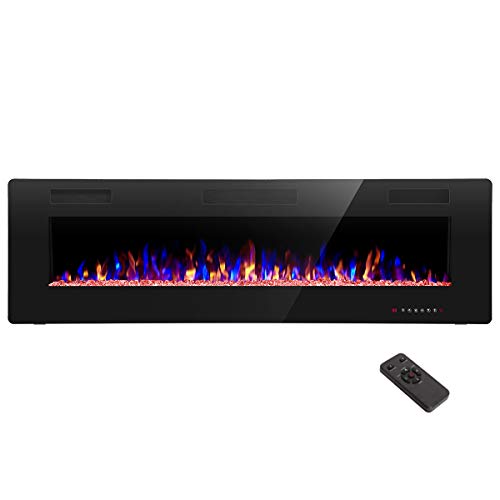
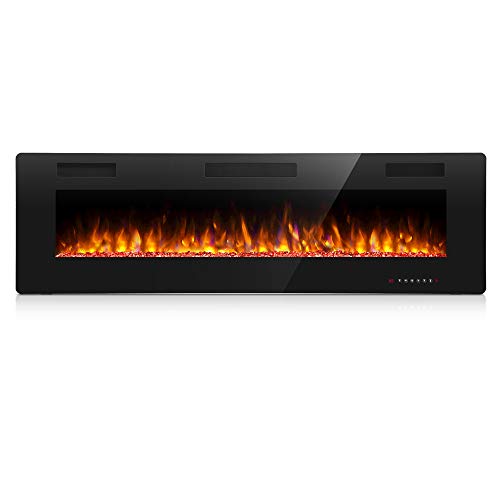
EXPLORE TYPESWall fireplaces have revolutionized home heating and design, offering a sleek, space-saving solution that creates an instant focal point in any room. Unlike traditional freestanding units, wall-mounted fireplaces install directly against or into your wall, maximizing floor space while delivering both warmth and ambiance.
Whether you're dealing with limited square footage in an apartment or seeking a contemporary aesthetic in your living room, wall fireplaces provide versatile options that accommodate various budgets and design preferences. From simple plug-and-play electric models to sophisticated gas units requiring professional installation, there's a wall fireplace solution for virtually every home and lifestyle.
This comprehensive guide covers everything you need to know before purchasing and installing a wall fireplace, helping you make an informed decision that enhances your home's comfort and value.
Types of Wall Fireplaces
Wall fireplaces come in three primary fuel types, each with distinct advantages, installation requirements, and operational characteristics. Understanding these differences is crucial for selecting the right unit for your space and needs.

Electric Wall Fireplaces
The most popular and accessible option, electric wall fireplaces offer unmatched convenience with plug-and-play installation. They use LED technology to simulate realistic flames without actual combustion, making them safe for any room including bedrooms and apartments.
Cost: $200–$1,500
Key features include adjustable flame settings, thermostat control, remote operation, and the ability to use flames without heat during warmer months. Most models require only a standard electrical outlet, eliminating the need for venting or gas lines.

Gas Wall Fireplaces
Gas wall fireplaces deliver authentic flame appearance and substantial heating power. Available in both direct-vent and ventless configurations, they connect to natural gas or propane lines and require professional installation.
Cost: $1,200–$3,000
These units produce real flames with higher heat output than electric models, making them ideal for primary or supplementary heating. Direct-vent models exhaust through the wall, while ventless versions recirculate indoor air.

Ethanol Wall Fireplaces
Ethanol fireplaces burn bio-ethanol fuel, producing real flames without requiring vents, chimneys, or electrical connections. These ultra-modern units offer design flexibility and clean operation with minimal maintenance.
Cost: $400–$2,000
Perfect for contemporary spaces and apartment installations where gas lines aren't available. While heat output is lower than gas options, they provide beautiful ambiance and can be placed virtually anywhere.
Wall-Mounted vs. Recessed Installation
Beyond fuel type, wall fireplaces differ in how they integrate with your wall. The choice between wall-mounted and recessed installation significantly impacts both the visual result and installation complexity.

Wall-Mounted Fireplaces
Wall-mounted units attach directly to the wall surface, similar to a flat-screen television. This installation method offers maximum flexibility—you can position the fireplace at any height and relocate it more easily if needed. Wall-mounted fireplaces are ideal for:
- Rental properties where permanent modifications aren't allowed
- Rooms with solid walls where recessing isn't practical
- Homeowners who value flexibility and may want to reposition the unit
- Situations where installation costs need to be minimized
Recessed Fireplaces
Recessed (or built-in) fireplaces install within the wall cavity, creating a flush, streamlined appearance that looks like a permanent architectural feature. This approach delivers a more polished, high-end look but requires more extensive installation work. Recessed fireplaces are ideal for:
- New construction or major renovations where walls are open
- Homeowners seeking a seamless, custom-built appearance
- Spaces where protruding objects would interfere with traffic flow
- Contemporary designs emphasizing clean lines and minimal visual clutter
Installation Consideration
For detailed comparison of installation approaches, read our comprehensive guide on wall-mounted vs. built-in fireplaces. This resource covers structural requirements, cost differences, and which option best suits different home types.
Wall Fireplace Comparison
The following comparison table helps you quickly evaluate the key differences between electric, gas, and ethanol wall fireplaces across important factors:
| Feature | Electric | Gas | Ethanol |
|---|---|---|---|
| Installation Difficulty | Easy (DIY possible) | Professional required | Easy (DIY possible) |
| Venting Required | No | Yes (except ventless) | No |
| Heat Output | 5,000 BTU typical | 10,000–30,000 BTU | 3,000–12,000 BTU |
| Operating Cost | $0.08–$0.15/hour | $0.20–$0.50/hour | $0.50–$1.50/hour |
| Real Flame | Simulated | Yes | Yes |
| Flame Without Heat | Yes | No | No |
| Maintenance | Minimal (dust only) | Annual inspection | Refill fuel, clean burner |
| Best For | Apartments, ambiance | Primary heating | Modern aesthetics |
For a deeper analysis of fuel type differences, explore our detailed comparison of electric vs. gas fireplace running costs and learn which option provides the best value for your specific situation.
Sizing and Placement Guide
Proper sizing and placement are critical for both aesthetic appeal and heating effectiveness. A wall fireplace that's too small will look insignificant, while one that's too large can overwhelm the space.

Determining the Right Size
The ideal fireplace size depends on several factors:
- Wall width: The fireplace should occupy approximately 60-75% of the available wall space where it will be installed
- Room dimensions: Consider both square footage and ceiling height when selecting heating capacity
- Furniture arrangement: Ensure the fireplace won't interfere with traffic flow or seating areas
- Viewing distance: Maintain appropriate distance for comfortable viewing—typically 6-10 feet for standard-sized units
Optimal Height Placement
The mounting height significantly impacts both aesthetics and comfort:
- Eye level: For optimal viewing, position the center of the fireplace at seated eye level (approximately 42-48 inches from the floor)
- TV compatibility: If mounting a TV above, maintain at least 12-18 inches of clearance between the top of the fireplace and bottom of the TV
- Heat distribution: Higher placement may reduce perceived heat at seating level, particularly with lower-BTU electric models
Room-Specific Considerations
Different rooms have unique requirements. For living room installations, prioritize visual impact and integration with entertainment centers. Bedroom fireplaces should focus on ambiance with lower heat settings. For comprehensive sizing guidance, review our fireplace proportions guide.
Installation Guide
Installation complexity varies dramatically based on fireplace type and mounting method. While electric wall-mounted units can often be installed by handy homeowners, gas and recessed installations typically require professional expertise.
Planning and Preparation
Before purchasing, verify wall construction (stud location, electrical outlets, gas line proximity if applicable). Mark the desired location using painter's tape to visualize size and position. Check local building codes and permit requirements—particularly for gas installations.
Wall Preparation
For recessed installations, cut the wall opening according to manufacturer specifications, ensuring proper framing support. For wall-mounted units, locate studs and mark mounting points. Install any necessary electrical circuits or gas lines at this stage.
Mounting or Insertion
For wall-mounted units, install the mounting bracket securely into studs. For recessed units, carefully insert the fireplace into the prepared opening, ensuring proper clearances from combustible materials. Follow manufacturer instructions precisely for gas connections and venting.
Finishing and Testing
Complete any trim work or surround installation. For gas units, perform leak testing and verify proper venting operation. Test all functions including flame effects, heat settings, and remote controls. For detailed instructions specific to electric models, see our electric fireplace installation guide.
Professional vs. DIY Installation
While electric wall-mounted fireplaces are often DIY-friendly, gas installations should always be handled by licensed professionals. Improper gas installation can create serious safety hazards including carbon monoxide leaks and fire risk. Review our DIY vs. professional installation guide to determine which approach is right for your project.
Advantages and Disadvantages
Understanding the full picture of wall fireplace benefits and limitations helps set realistic expectations and ensures you select the right solution for your circumstances.
Advantages
- Space-saving design maximizes floor area
- Creates instant focal point in any room
- Wide variety of styles and price points
- Electric models offer simple plug-and-play installation
- No floor protection or hearth required for most models
- Flexible placement options (various heights and locations)
- Can be installed in rooms without existing chimneys
- Many models offer flame-only mode for year-round ambiance
- Generally lower installation costs than built-in fireplaces
- Some models include built-in shelving or media centers
Disadvantages
- Limited heat output compared to traditional fireplaces
- Wall-mounted units may look less substantial than built-ins
- Gas installations require professional help and permits
- Recessed installation requires wall modifications
- May not provide sufficient heating for large open spaces
- Electric models depend on power grid during outages
- Mounting height can affect heat distribution effectiveness
- Ethanol fuel costs can add up with frequent use
- Some find simulated electric flames less appealing than real fire
- Wall modifications may be restricted in rental properties
Cost Breakdown
Total cost for a wall fireplace project includes the unit itself plus installation and any necessary modifications. Here's what to expect:
For comprehensive cost analysis across all fireplace types, review our detailed fireplace cost breakdown which includes long-term operating expenses and potential return on investment.
Design Ideas and Inspiration
Wall fireplaces complement numerous design aesthetics and can be incorporated into various room configurations. Here are popular approaches to consider:

Entertainment Center Integration
One of the most popular applications, wall fireplaces integrated into media centers create a cohesive entertainment zone. Many manufacturers offer units with built-in shelving designed specifically to flank TVs. This approach maximizes functionality while maintaining clean aesthetics. For detailed inspiration, explore our TV and fireplace wall ideas gallery.
Minimalist Floating Design
For contemporary spaces, a simple wall-mounted fireplace with no surround or mantel creates striking visual impact through minimalism. These installations work particularly well in minimalist interiors where the fireplace becomes a sculptural element rather than a traditional hearth.
Two-Sided or See-Through Installations
Some wall fireplaces can be installed between rooms, providing ambiance and heat to adjacent spaces simultaneously. This approach works well in open-concept homes, dividing spaces while maintaining visual connection and flow.
Bedroom Accent Walls
A wall fireplace creates a luxurious focal point in master bedrooms. Positioned at the foot of the bed or on an accent wall, it transforms the space into a relaxing retreat. Lower heat settings and remote controls make operation convenient from bed. Discover more possibilities in our bedroom fireplace ideas collection.
Design Tip: Scale and Proportion
When incorporating a wall fireplace into your design, ensure it's properly scaled to both the wall and surrounding elements. A common mistake is installing a unit that's too small for the space, resulting in a disappointing visual impact. When in doubt, slightly larger is typically better than too small.
Maintenance Requirements
Maintenance needs vary significantly by fireplace type. Proper maintenance ensures safety, efficiency, and longevity of your investment.

Electric Wall Fireplaces
Electric models require minimal maintenance:
- Dust the exterior and glass regularly with a soft cloth
- Clean the fan/heating element annually (when unit is unplugged and cool)
- Check electrical connections periodically for signs of wear
- Replace LED components if flame effects become dim or inconsistent
For detailed maintenance procedures, refer to our electric fireplace maintenance guide.
Gas Wall Fireplaces
Gas units require more rigorous maintenance:
- Annual professional inspection and cleaning
- Regular glass cleaning to maintain clear viewing
- Verify venting system integrity annually
- Check gas connections for leaks
- Clean burner and pilot assembly as needed
Proper maintenance is crucial for safety with gas appliances. Follow our gas fireplace maintenance schedule to keep your unit operating safely and efficiently.
Ethanol Wall Fireplaces
Ethanol maintenance focuses on fuel handling and burner care:
- Clean burner openings regularly to prevent clogging
- Use only high-quality bio-ethanol fuel
- Check for fuel leaks before each use
- Clean any soot buildup from the burner and surrounding surfaces
- Store fuel properly away from heat sources and open flames
Safety Considerations
While wall fireplaces are generally safe when properly installed and maintained, following safety guidelines is essential:
Clearance Requirements
Maintain proper clearances from combustible materials as specified by the manufacturer. Typical requirements include:
- Minimum 36 inches of clearance in front of the fireplace
- Specific side and top clearances vary by model (typically 6-12 inches)
- No combustible materials directly above or beside the unit
- Proper clearance for TV installation above (typically 12-18 inches minimum)
For detailed TV installation guidelines, review our TV above fireplace safety information.
Electrical Safety
- Use dedicated circuits for high-wattage electric fireplaces
- Never use extension cords with electric fireplaces
- Ensure GFCI protection in bathrooms or near water sources
- Keep cords away from heat sources and high-traffic areas
Gas Safety
- Install carbon monoxide detectors in rooms with gas fireplaces
- Never attempt gas line connections without proper certification
- Follow manufacturer lighting and shutdown procedures exactly
- Address any gas odor immediately—evacuate and call emergency services
Safety First
Always read and follow the manufacturer's installation and operating instructions completely. If you're unsure about any aspect of installation or operation, consult a qualified professional. The small cost of expert guidance is insignificant compared to the potential consequences of improper installation.
Energy Efficiency and Heating Performance
Understanding heating efficiency helps you choose the right fireplace for your climate and heating needs while managing operating costs effectively.
Electric Wall Fireplaces
Electric fireplaces are 100% efficient at converting electricity to heat—every watt consumed produces heat. However, electricity is typically more expensive per BTU than natural gas. Electric models are most cost-effective when:
- Used for zone heating rather than whole-home heating
- Supplementing central heating in frequently used rooms
- Operating during off-peak electricity hours if available
- Used primarily for ambiance with flame-only mode during mild weather
Gas Wall Fireplaces
Gas fireplaces typically offer 70-90% efficiency, with some high-efficiency models approaching 95%. Despite lower efficiency ratings, gas often costs less per BTU than electricity, making it more economical for frequent heating use. Direct-vent models are more efficient than ventless options, which can introduce moisture and combustion byproducts into indoor air.
Ethanol Wall Fireplaces
Ethanol fireplaces have lower efficiency ratings (typically 60-80%) and higher fuel costs per BTU compared to other options. They're best suited for ambiance rather than practical heating. Their energy advantage lies in zone heating small areas without requiring grid electricity.
For comprehensive efficiency analysis across all fireplace types, explore our guide to the most energy-efficient fireplace types.
Expert Buying Tips
Before making your final purchase decision, consider these expert recommendations:
Measure Twice, Buy Once
Carefully measure your available wall space, accounting for any obstructions like windows, doors, or electrical outlets. Consider both width and height requirements, including any clearance needs specified by the manufacturer. Create a cardboard template of your chosen fireplace size to tape on the wall—this simple step helps visualize the actual scale before purchase.
Read Verified Reviews
Look beyond star ratings to read detailed reviews from verified purchasers. Pay particular attention to comments about flame realism, heat output, noise levels, and customer service experiences. Look for reviews from owners who've had the unit for at least several months to gauge long-term satisfaction.
Consider Total Cost of Ownership
The purchase price is just one component of total cost. Factor in installation expenses, operating costs based on your expected usage, and maintenance requirements over the expected lifespan of the unit. A slightly more expensive model with lower operating costs may provide better value over time.
Verify Warranty Coverage
Compare warranty terms carefully, paying attention to what's covered and for how long. Look for comprehensive coverage that includes parts, labor, and shipping for replacements. Some manufacturers offer extended warranties through product registration—complete this promptly after purchase.
By following this guide and considering your specific needs, space, and budget, you're well-equipped to select a wall fireplace that enhances your home's comfort, aesthetics, and value for years to come.
Ready to explore top-rated options? Browse our curated selection of wall fireplaces below, each evaluated for quality, value, and customer satisfaction.