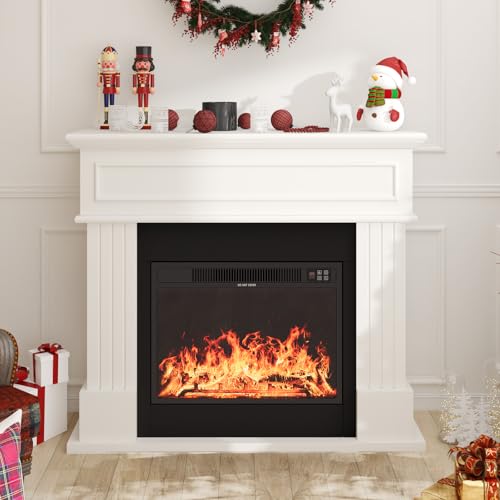
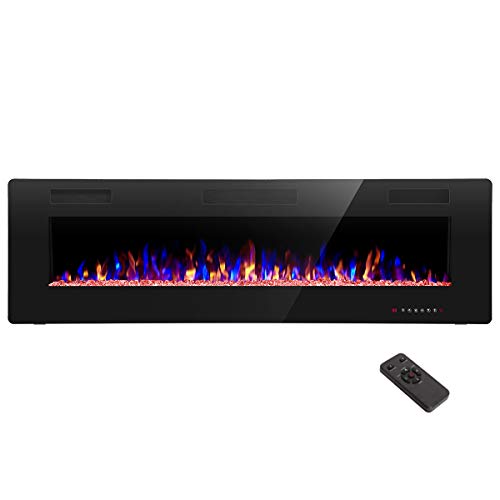
DIY vs Professional Fireplace Installation
Complete cost comparison, safety considerations, and installation requirements to help you decide the best approach for your fireplace project
VIEW RECOMMENDED FIREPLACESInstallation Decision Guide: Choosing between DIY and professional installation significantly impacts your fireplace's safety, performance, and longevity. This guide helps you make an informed decision based on your specific situation, skills, and budget.
Understanding Your Installation Options
When adding a fireplace to your home, one of the first decisions you'll face is whether to tackle the installation yourself or hire a professional. This choice affects not only your upfront costs but also safety, warranty coverage, and long-term satisfaction with your indoor fireplace. The right answer depends on multiple factors including the type of fireplace, your home's existing infrastructure, local building codes, and your personal DIY experience.

According to industry data, approximately 65% of electric fireplaces are installed by homeowners themselves, while nearly 90% of gas fireplaces and wood-burning fireplaces are professionally installed. This stark difference highlights how installation complexity varies dramatically by fireplace type. Let's explore the pros, cons, costs, and considerations for both approaches.
DIY vs Professional: Side-by-Side Comparison
DIY Installation
Advantages
- Lower upfront costs (save $500-$2,000+ on labor)
- Complete control over timeline and schedule
- Sense of accomplishment and personalization
- Ability to learn valuable home improvement skills
- No need to coordinate with contractors
Disadvantages
- Potential safety risks if not installed correctly
- May void manufacturer warranty
- Higher risk of code violations
- Limited to simpler installation types
- No professional guarantee or insurance coverage
Professional Installation
Advantages
- Expert knowledge of safety requirements and codes
- Warranty protection for both product and labor
- Proper permits and inspections handled for you
- Time-efficient with minimal disruption
- Insurance coverage if problems arise
Disadvantages
- Higher upfront costs ($500-$3,000+ for labor)
- Less control over scheduling
- Potential for miscommunication with contractors
- Need to research and vet qualified installers
- May feel less personal investment in the project
Detailed Cost Comparison
Understanding the true costs of both approaches helps you make an informed decision. While DIY installation appears cheaper initially, hidden costs and potential problems can change the equation. This fireplace cost breakdown examines both the direct expenses and potential savings for each option.
| Fireplace Type | DIY Cost Range | Professional Cost Range | Savings with DIY |
|---|---|---|---|
| Electric Fireplace (Wall-Mounted) | $400-$1,200 | $900-$2,200 | $500-$1,000 |
| Electric Fireplace (Insert) | $500-$1,500 | $1,000-$2,500 | $500-$1,000 |
| Gas Fireplace (Direct Vent) | Not Recommended | $2,500-$5,500 | N/A - Safety Risk |
| Gas Fireplace (Ventless) | $800-$1,800 | $1,500-$3,000 | $700-$1,200 |
| Wood-Burning Fireplace | Not Recommended | $3,000-$7,500+ | N/A - Safety Risk |
| Ethanol Fireplace | $300-$800 | $700-$1,500 | $400-$700 |
| Outdoor Fireplace | $1,500-$4,000 | $3,000-$8,000 | $1,500-$4,000 |
Cost Note: These ranges reflect average costs in the US market as of 2026. Regional variations, home construction type, and specific product requirements can significantly impact final costs. Always obtain multiple quotes for professional installation to ensure competitive pricing.
Installation Requirements by Fireplace Type
The feasibility of DIY installation varies dramatically between different fireplace types. Understanding these differences is crucial for making a safe and practical decision. Here's what you need to know about each major category:
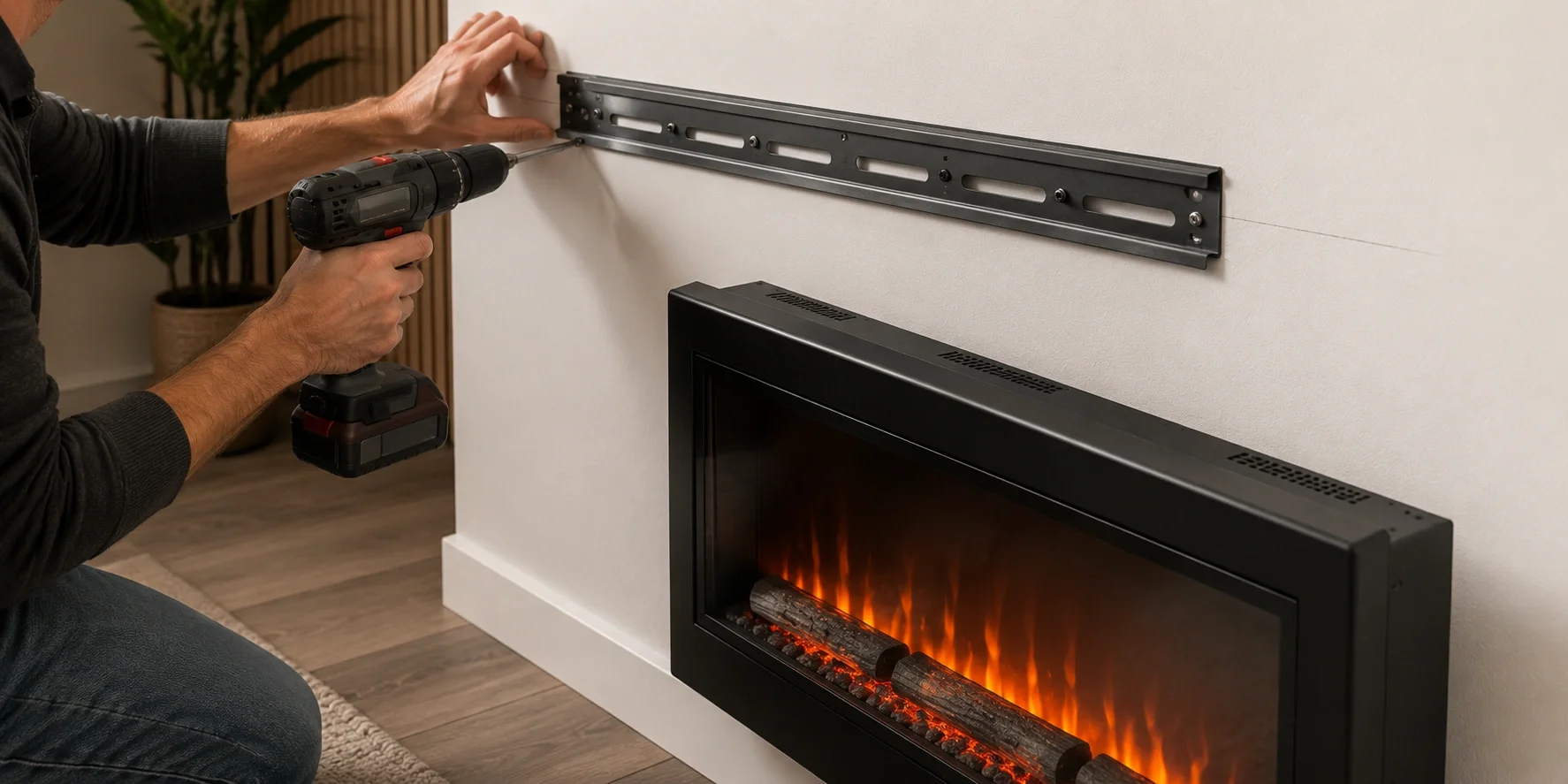
Electric Fireplaces
Electric fireplaces offer the most straightforward installation process. Most wall-mounted models simply require securing a bracket to the wall and plugging into a standard outlet. Plug-in models are particularly DIY-friendly, while hardwired installations may require basic electrical knowledge.
DIY Feasibility: High - Most homeowners can successfully install electric fireplaces with basic tools and following manufacturer instructions.
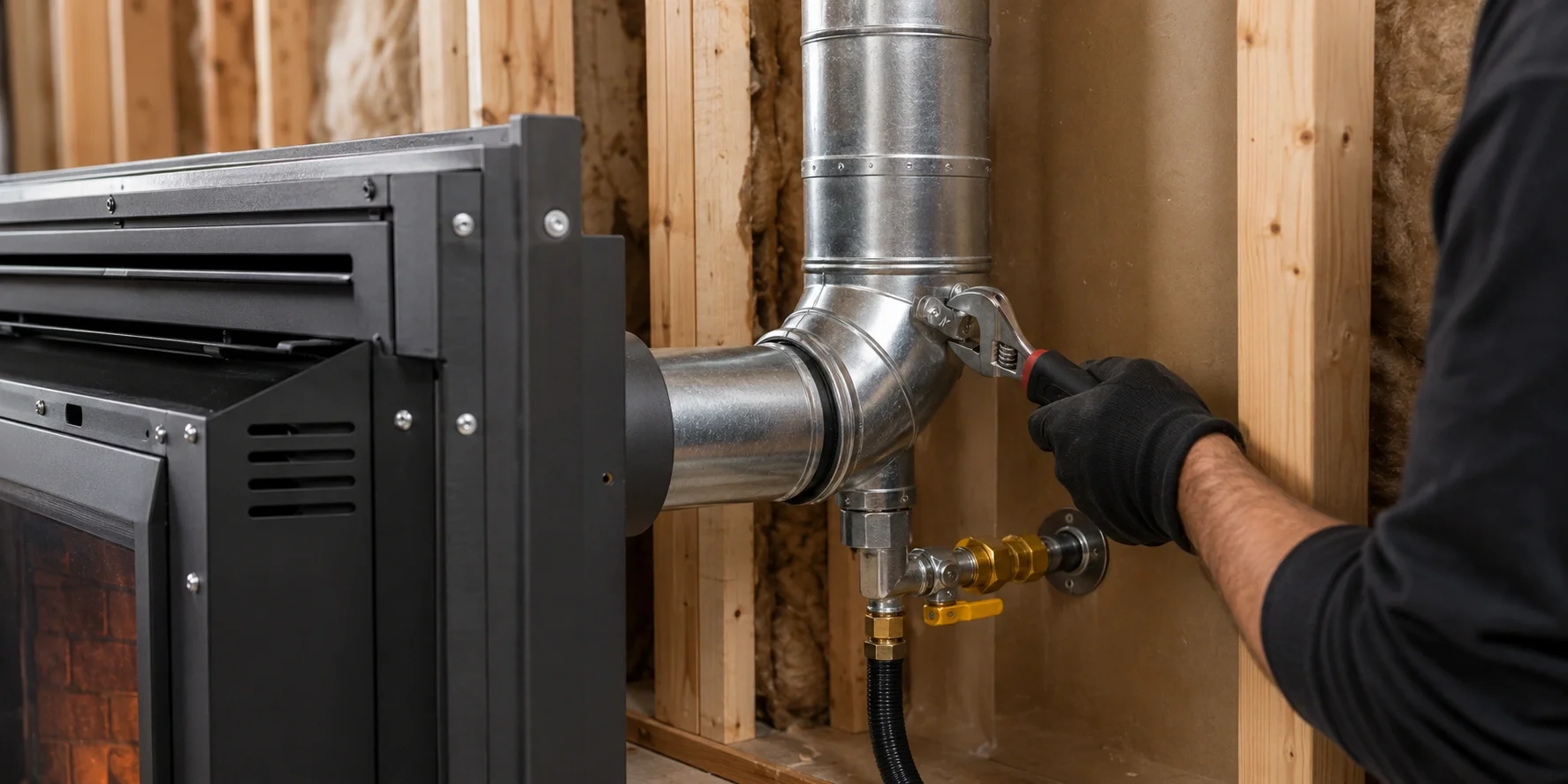
Gas Fireplaces
Gas fireplace installation involves connecting to gas lines, which presents significant safety risks including gas leaks and carbon monoxide hazards. Most vented gas fireplaces require professional installation to ensure proper venting and gas connections.
DIY Feasibility: Very Low - Only simple ventless gas fireplaces might be considered for DIY by experienced homeowners, but even these often require professional gas connection.
Wood-Burning Fireplaces
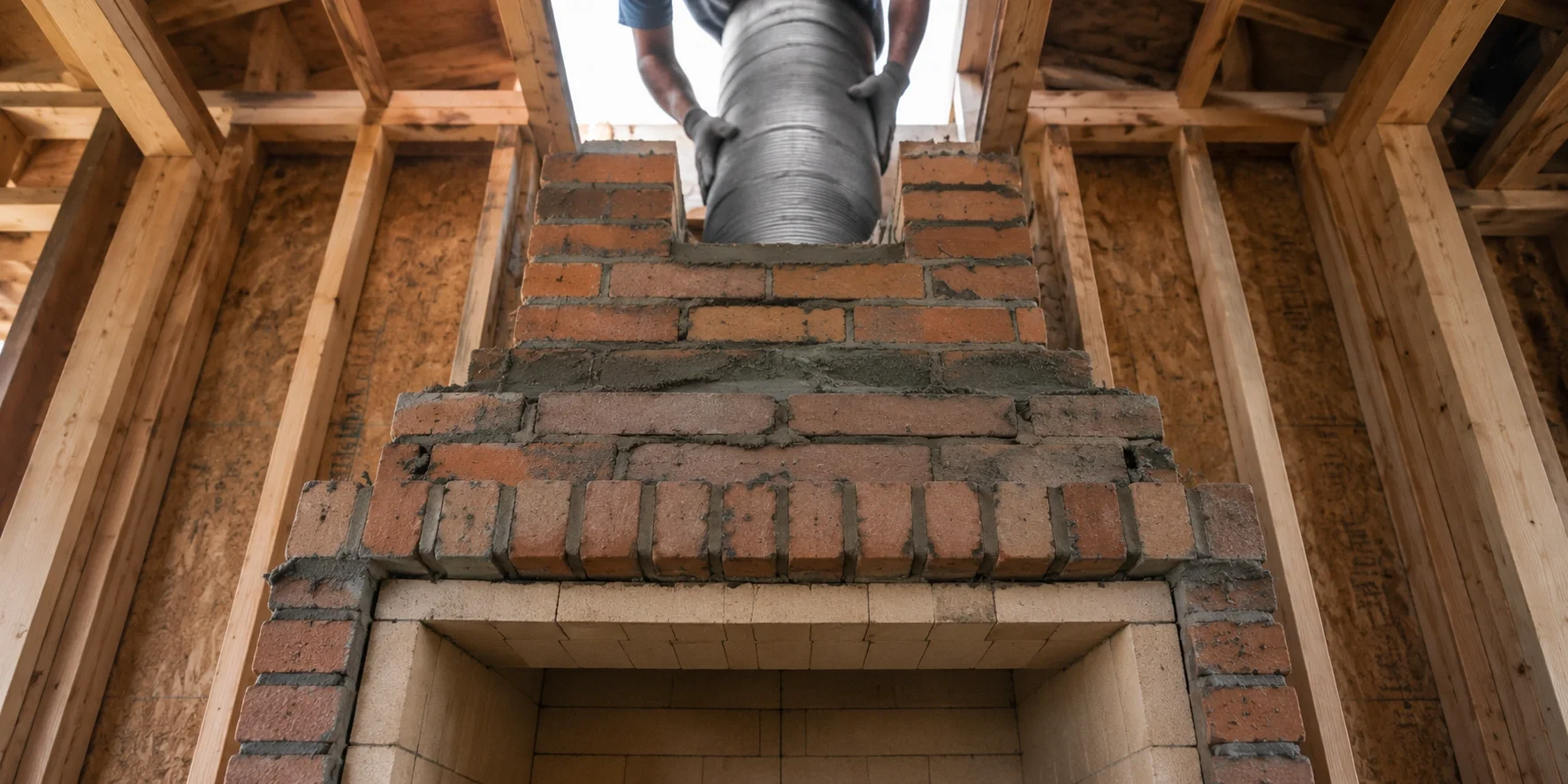
Wood-burning fireplaces require extensive construction including proper ventilation systems, fireproofing, and often structural modifications. The complexity of building or modifying chimneys makes this a job for professionals with specialized knowledge.
DIY Feasibility: Not Recommended - The safety risks and code requirements make professional installation essential for wood-burning fireplaces.
⚠️ Critical Safety Considerations
Fireplace installation directly impacts your home's safety. Improper installation can lead to house fires, carbon monoxide poisoning, or structural damage. Before attempting any DIY installation, consider these safety factors:
- Gas Connections: Improperly connected gas lines can cause leaks leading to explosions or carbon monoxide poisoning. Even small leaks can be deadly.
- Venting Systems: Incorrectly installed vents can allow toxic gases including carbon monoxide to enter your living space rather than being safely exhausted outside.
- Clearances: Maintaining proper distances from combustible materials is critical. Incorrect clearances significantly increase fire risk.
- Electrical Work: Improper electrical connections can cause short circuits, electrical fires, or electrocution hazards.
- Structural Integrity: Fireplaces are heavy. Improper support can lead to collapse or structural damage to your home.
When in doubt, always choose professional installation. The cost savings from DIY are never worth risking your family's safety.
When DIY Installation Makes Sense
For certain situations and fireplace types, DIY installation can be a practical and safe choice. Here are the scenarios where taking the DIY approach is most appropriate:
DIY-Friendly Scenarios
When Professional Installation is Essential
Certain situations absolutely require professional expertise to ensure safety, code compliance, and proper function. Don't attempt DIY installation if any of these conditions apply to your project:
Professional-Required Scenarios
Permit Requirements and Building Codes
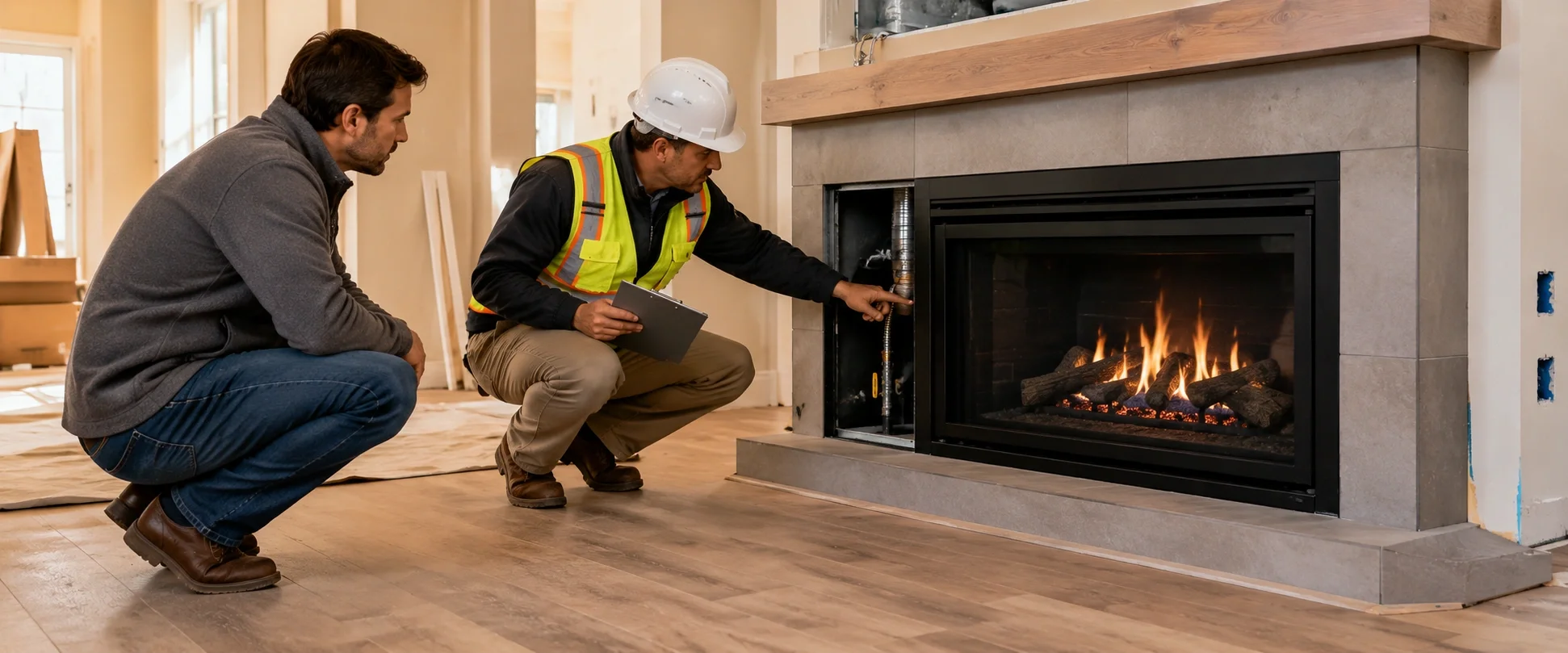
Understanding permit requirements is crucial regardless of whether you choose DIY or professional installation. Building codes exist to ensure safety and can vary significantly by location. Here's what you need to know:
Permit Requirements by Fireplace Type:
- Electric Fireplaces: Typically don't require permits if simply plugging into existing outlets. Hardwired installations may require electrical permits in some jurisdictions.
- Gas Fireplaces: Almost always require permits for gas line work and venting installations. Inspections are typically mandatory.
- Wood-Burning Fireplaces: Require comprehensive permits including structural, mechanical, and fire safety inspections.
- Ethanol Fireplaces: Usually don't require permits as they don't involve combustion exhaust or permanent fuel connections.
Professional installers typically handle permit applications and scheduling inspections as part of their service. If you choose DIY, this responsibility falls to you. Failing to obtain required permits can result in fines, forced removal of the fireplace, or complications when selling your home. Always check with your local building department before beginning any installation work.
How to Choose a Qualified Professional Installer
If you decide professional installation is the right choice for your project, selecting the right installer is critical. A qualified professional ensures your fireplace operates safely and efficiently for years to come. Here's how to find and evaluate potential installers:
Where to Find Qualified Installers
- Manufacturer Recommendations: Most fireplace manufacturers maintain lists of certified installers in your area.
- Hearth, Patio & Barbecue Association (HPBA): This industry organization certifies professionals who meet specific standards.
- Local Specialty Retailers: Fireplace showrooms often have installation services or can recommend qualified contractors.
- Online Review Platforms: Sites like Angi, HomeAdvisor, and Google Reviews can help identify well-regarded local installers.
- General Contractors: For complex installations, a licensed general contractor may coordinate the project.
Key Qualifications to Verify
- Licensing: Verify they hold appropriate state and local licenses for gas, electrical, and general construction work.
- Insurance: Confirm they carry adequate liability and workers' compensation insurance.
- Certifications: Look for industry certifications from organizations like NFI (National Fireplace Institute) or HPBA.
- Experience: Ask about specific experience with your exact fireplace type and similar installations.
- References: Request and contact recent customers with similar installation projects.
Installation Timeline: DIY vs Professional
The time required for installation varies significantly between DIY and professional approaches. Understanding these timelines helps you plan appropriately and set realistic expectations:
| Fireplace Type | DIY Timeline | Professional Timeline | Key Time Factors |
|---|---|---|---|
| Wall-Mounted Electric | 2-4 hours | 1-2 hours | Simple bracket mounting and plug-in |
| Electric Insert | 3-6 hours | 2-3 hours | Framing, electrical connection, trim |
| Ventless Gas | 4-8 hours | 3-5 hours | Gas connection, testing, safety checks |
| Direct Vent Gas | Not Recommended | 1-2 days | Venting installation, gas connection, inspections |
| Wood-Burning | Not Recommended | 3-7 days | Chimney construction, fireproofing, multiple inspections |
| Outdoor Fireplace | 2-5 days | 2-4 days | Foundation work, masonry, weatherproofing |
These timelines don't include planning, permit acquisition, or product delivery time. For professional installations, scheduling availability may add days or weeks to the overall project timeline. DIY projects can often begin immediately but may take longer to complete if working only on weekends or evenings.
The Hybrid Approach: Combining DIY and Professional Work

For some projects, a hybrid approach offers the best of both worlds. You can handle certain aspects of the installation while leaving specialized or safety-critical work to professionals. This approach can reduce costs while still ensuring safety and code compliance. Here are effective ways to divide the work:
Tasks Suitable for DIY
- Site preparation and clearing work area
- Removing old fireplace components (if safe to do so)
- Installing decorative elements like tiles or surrounds
- Painting or finishing work after professional installation
- Simple framing for electric fireplace inserts
- Running electrical wiring to the location (if permitted and experienced)
Tasks Best Left to Professionals
- Any gas line connections or modifications
- Venting system installation and routing
- Final connections and system testing
- Obtaining permits and scheduling inspections
- Complex structural modifications
- Ensuring proper clearances and fire safety measures
When considering a hybrid approach, discuss your plans with potential installers during the quoting process. Some professionals may be willing to work with you on dividing tasks, while others prefer to handle the complete installation. Be clear about what you plan to do yourself to ensure they can properly warranty their portion of the work.
Long-Term Considerations Beyond Initial Installation
The installation decision affects more than just the initial project. Consider these long-term factors when choosing between DIY and professional installation:
Future Impacts of Your Installation Decision
Making Your Final Decision
After considering all these factors, you're ready to make an informed decision about your fireplace installation approach. Use this decision framework to guide your final choice:
Choose DIY Installation If:
- You're installing a simple electric fireplace that plugs into an existing outlet
- You have relevant DIY experience and feel confident in your abilities
- Your local codes don't require permits for your specific installation
- The manufacturer explicitly supports DIY installation in their documentation
- You're comfortable assuming all responsibility for safety and functionality
- Cost savings is a significant factor in your decision
Choose Professional Installation If:
- You're installing a gas or wood-burning fireplace
- The installation requires new gas lines, venting, or structural modifications
- Local codes require permits and inspections
- The manufacturer's warranty requires professional installation
- You're unsure about any aspect of the installation process
- Safety, reliability, and long-term value are your top priorities
Remember that the right choice balances your budget, skills, and most importantly, safety considerations. There's no shame in choosing professional installation even for projects that could theoretically be done yourself. The peace of mind knowing your fireplace is installed correctly and safely often justifies the additional cost.
Final Thought: If you're still uncertain about which approach is right for your situation, consider scheduling a consultation with a professional installer. Many offer assessment services that can help you understand the specific requirements and challenges of your project before making a final decision.