

Fireplace Service Frequency: How Often Should You Service It?
Regular servicing is the key to a safe, efficient, and long-lasting fireplace. Learn the exact service frequency for gas, wood, and electric fireplaces to protect your home and investment.
Whether you use your fireplace as a primary heat source or an occasional ambiance booster, knowing the correct fireplace service frequency is crucial. Skipping routine maintenance doesn't just lower your unit's efficiency—it puts your home at risk of chimney fires, carbon monoxide leaks, and costly breakdowns. In this comprehensive guide, we break down exactly how often you should service your fireplace type, what a professional service includes, and how to spot the warning signs that your unit needs immediate attention.
Service Frequency by Fireplace Type
Not all fireplaces demand the same level of care. The fuel source, venting system, and usage habits dictate how often a professional should inspect and clean your unit. Below is a detailed breakdown to help you schedule your maintenance schedule properly.
Wood-Burning Fireplace
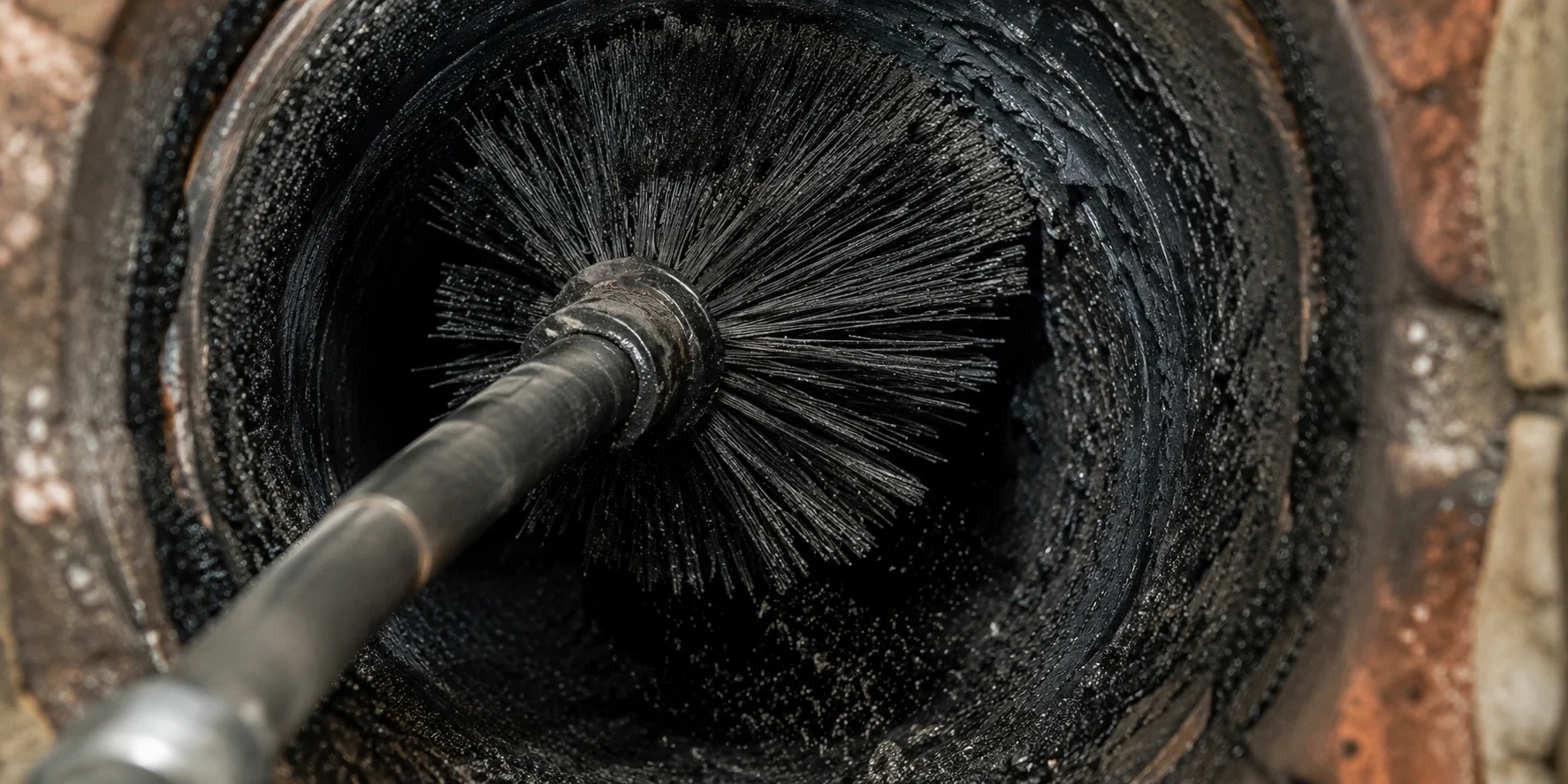
Annually (Mandatory)Wood fireplaces produce creosote, a highly flammable byproduct that builds up in the chimney. The National Fire Protection Association (NFPA) requires an annual chimney inspection and sweeping. If you burn wood frequently (3+ times a week), you may need a mid-season sweep as well to prevent creosote buildup.
Gas Fireplace
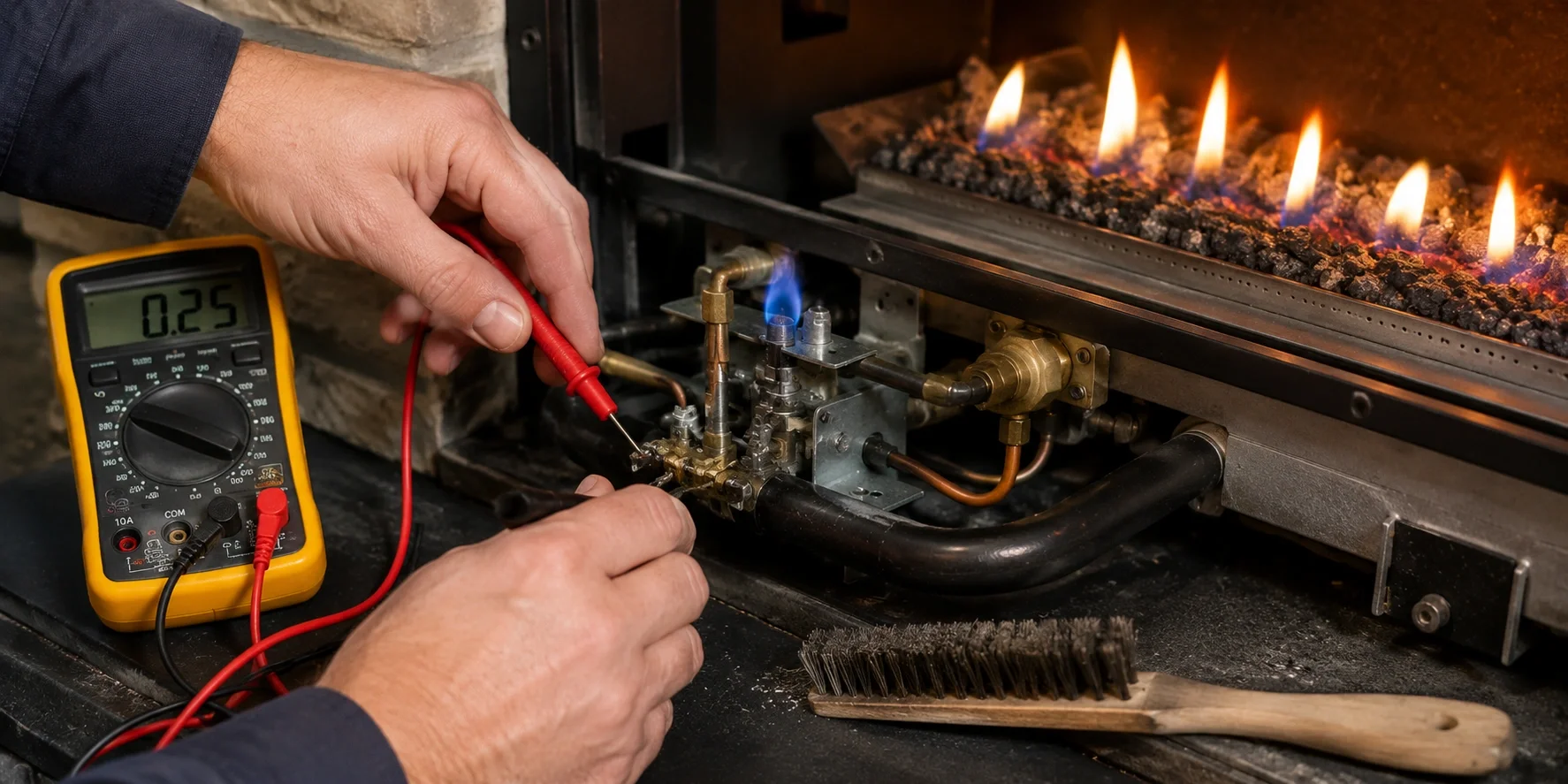
Annually (Highly Recommended)While gas burns cleaner than wood, a gas fireplace still requires an annual service. Technicians check for gas leaks, clean the pilot assembly and burners, inspect the thermocouple, and ensure the venting system is clear of debris or bird nests. This prevents carbon monoxide hazards and keeps the flame burning efficiently.
Electric Fireplace
Every 1 to 2 YearsBecause they don't burn fuel, electric fireplaces don't produce soot or dangerous gases. However, dust accumulation in the heating element and fan can cause overheating or buzzing noises. A professional internal cleaning and wiring check every 1-2 years is ideal for electric fireplace maintenance.
Ethanol Fireplace
Annually or As NeededEthanol fireplaces are ventless and burn clean fuel, but the burner nozzles can get clogged with residue. Annual cleaning of the burner and a visual inspection of the fuel tank for leaks will keep your unit safe and functioning properly.
The Best Time of Year to Service Your Fireplace
Timing matters just as much as frequency. The best time to schedule a fireplace service is late summer to early fall—before the burning season begins. Chimney sweeps and HVAC professionals are in high demand once winter hits, which means longer wait times and potentially higher prices.
Seasonal Maintenance Timeline
- Fall (September - October): Schedule your annual inspection, chimney sweeping, and gas valve checks before lighting the first fire.
- Winter (December - February): Monitor performance. If you notice a weak flame or unusual smells, call a tech mid-season.
- Spring (March - April): Perform spring maintenance. Clean out ash and schedule a post-season inspection if you had heavy winter usage.
- Summer (June - August): Focus on summer fireplace care and off-season repairs. Book your fall sweep early.
Signs Your Fireplace Needs Immediate Service
Even if you adhere to a strict fireplace service frequency, certain red flags mean you need to call a professional immediately. Do not wait for your next scheduled appointment if you notice any of the following:
- Smoke Backing Up: If smoke enters your living room instead of going up the chimney, you likely have a blockage or draft problem.
- Unusual Odors: A strong smoky smell in the summer means creosote buildup, while a musty smell indicates moisture or mold in the chimney.
- Soot Buildup Inside: Excessive soot around the doors or a fireplace turning black quickly signals incomplete combustion.
- Pilot Light Issues: A pilot light that keeps going out or a gas fireplace that won't light requires immediate gas component inspection.
- Strange Noises: Rumbling, popping, or a fireplace making noise can indicate mechanical failures or dangerous gas pressure issues.
What Does a Professional Fireplace Service Include?
Understanding what happens during a service visit helps justify the cost and ensures you hire a qualified professional. A comprehensive service goes beyond a simple visual check.
Wood Fireplace Service
Includes chimney sweeping to remove creosote, inspecting the flue liner for cracks, checking the damper operation, and verifying the chimney cap is secure against animals and rain.
Gas Fireplace Service
Encompasses cleaning the glass and burner, testing the thermopile/thermocouple, inspecting the gas burner for proper combustion, and verifying the venting system is drafting correctly.
Electric Fireplace Service
Involves vacuuming internal components, checking the heating element and thermostat, inspecting wiring for fraying, and ensuring the blower fan operates smoothly.
Average Cost of Fireplace Servicing
Budgeting for routine maintenance is always cheaper than paying for emergency repairs or fire damage. Below is a breakdown of what you can expect to pay for professional servicing. Keep in mind that hidden costs of owning a fireplace can multiply if you neglect regular service.
| Service Type | Average Cost | Recommended Frequency |
|---|---|---|
| Wood Chimney Sweep & Inspection | $150 – $350 | Annually |
| Gas Fireplace Inspection & Clean | $100 – $250 | Annually |
| Electric Fireplace Checkup | $75 – $150 | Every 1-2 Years |
| Level 2 Chimney Inspection (Video Scan) | $250 – $500 | When buying a home or after a storm |
| Gas Valve/Thermocouple Replacement | $150 – $300 | As needed (during service) |

DIY Maintenance vs. Professional Service
While a professional should handle the deep cleaning and gas components, homeowners can perform basic DIY fireplace inspection tasks to extend the life of their unit between professional visits.
What You Can Do (Monthly)
- Vacuum the firebox to remove ash and debris (Wood/Coal)
- Wipe down glass doors with a specialized cleaner (How to clean fireplace glass)
- Dust the exterior vents and intake fans of your electric fireplace
- Test your carbon monoxide and smoke detectors
- Inspect the area around the hearth for cracks or damage
What Requires a Professional (Annually)
- Chimney sweeping and creosote removal (When to call a chimney sweep)
- Gas line leak testing and pressure checks
- Internal component replacement (thermocouples, blowers)
- Structural inspection of the flue liner and masonry
- Solving drafting issues or cold downdrafts
Final Verdict: Stick to the Schedule
Consistent fireplace service frequency is non-negotiable for safety and efficiency. Wood and gas units must be serviced every year without fail, while electric models can go 1-2 years. By adhering to this schedule, utilizing seasonal checklists, and addressing warning signs immediately, you ensure your fireplace warms your home safely for decades. Proper maintenance not only protects your family but also preserves your fireplace's home value and saves you from exorbitant repair bills down the line.


