Why Daily Running Cost Matters More Than You Think
When shopping for a fireplace, most buyers focus on the upfront purchase price and installation expenses. However, the daily running cost is what truly determines the long-term value of your investment. A fireplace that seems affordable at purchase could become surprisingly expensive to operate if you use it every evening during the colder months.
Understanding daily operating expenses helps you set realistic expectations, choose the right fuel type for your lifestyle, and avoid unpleasant surprises on your monthly utility bill. Whether you plan to use your fireplace as a primary heat source or just for ambiance, knowing the numbers is essential.
For a broader look at what it costs to keep a fireplace in top shape, our guide on fireplace maintenance cost covers annual service, inspections, and replacement parts. Combined with daily running costs, this gives you the complete financial picture of fireplace ownership.
Key Takeaway: Daily running cost is determined by three factors: the fuel type, the efficiency rating of your unit, and how many hours per day you actually use it. Even a small difference in efficiency can add up to significant savings over a heating season.
How to Calculate Your Fireplace Daily Running Cost
Before diving into specific fuel types, it helps to understand the basic formula for calculating daily operating expenses. While exact figures vary by region and energy rates, the calculation method remains the same.
The Basic Formula
To estimate your fireplace daily running cost, you need three pieces of information:
- Energy input per hour: How much fuel or electricity your fireplace consumes each hour (measured in kWh for electric, BTU for gas, or pounds/cords for wood).
- Local energy rate: The cost of electricity, natural gas, propane, or wood in your area.
- Daily usage hours: How many hours per day you actually run the fireplace.
The formula is: Daily Cost = Energy Input per Hour × Energy Rate × Daily Usage Hours
For example, an electric fireplace drawing 1.5 kWh per hour, used 5 hours daily, with an electricity rate of a certain amount per kWh, would cost a specific amount per day. The exact numbers depend on your local rates, but the method stays consistent.
Why Efficiency Ratings Matter
Efficiency determines how much of the energy consumed actually becomes usable heat. A high-efficiency unit wastes less fuel, directly reducing your daily running cost. Gas fireplaces typically range from mid-tier efficiency to high-end sealed combustion models, while electric fireplaces convert nearly all electricity into heat.
Wood-burning fireplaces vary dramatically: traditional open hearths are notoriously inefficient, while modern high-efficiency wood stoves and inserts capture far more heat per cord. If you are exploring ways to reduce expenses across your home, our article on fireplace energy saving tips offers practical strategies that complement the fuel-specific advice below.
Comparing Daily Running Costs by Fireplace Type
Each fuel type has its own cost profile. The table below summarizes the key characteristics that influence daily operating expenses. Remember that actual amounts depend on your local energy rates, climate, and usage patterns.
| Fireplace Type | Energy Source | Efficiency Range | Daily Cost Tier | Best For |
|---|---|---|---|---|
| Electric | Electricity | High (nearly 100%) | Mid-range | Apartments, occasional use, no venting |
| Natural Gas | Natural gas | Mid to high | Budget-friendly to mid-range | Homes with existing gas lines |
| Propane | Propane tank | Mid to high | Mid-range | Rural areas without natural gas |
| Wood | Cordwood or pellets | Low (open) to high (inserts) | Varies widely | Areas with cheap wood access |
| Ethanol | Bio-ethanol fuel | Mid-range | Premium | Design-focused, ventless ambiance |
Electric Fireplace Daily Running Cost
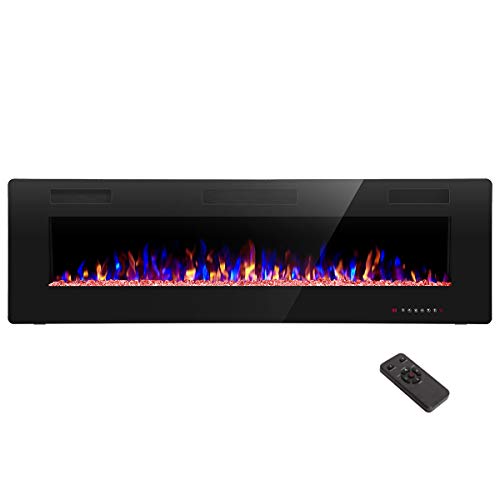
Electric fireplaces are among the easiest to calculate because they run on standard household electricity. Most models consume between 750 watts and 1,500 watts on heating mode, with flame-only mode using significantly less. If you use your electric fireplace primarily for ambiance rather than heat, the daily cost is minimal because the heating element is switched off.
The main variable is your local electricity rate, which varies considerably by region and season. Homes with solar panels or off-peak electricity plans can reduce this further. For a detailed exploration of electricity consumption, see our guide on fireplace electricity usage. If you are wondering whether electric models are expensive to operate in general, the article are electric fireplaces expensive to run provides a balanced perspective.
Electric fireplaces are often the most practical choice for apartments and smaller spaces where venting is impossible. They also require no chimney, which eliminates related maintenance costs. Our guide on apartment fireplace installation explains how these units fit into rental and condo settings.
Gas Fireplace Daily Running Cost
Natural gas fireplaces are popular because gas is often one of the most economical heating fuels in regions with pipeline access. A typical gas fireplace consumes between 20,000 and 40,000 BTU per hour, depending on the size and setting. The daily cost depends on your local gas rate and how many hours you run the unit.
Vented gas fireplaces lose some heat through the chimney, while ventless models capture more usable heat but require careful attention to indoor air quality. Direct-vent models offer a balance between efficiency and safety. For homes without an existing gas line, the cost of running a new line must be factored in, though this is a one-time expense. Our article on gas fireplace without gas line explains the alternatives.
Propane fireplaces operate similarly to natural gas but use a stored fuel tank. Propane is typically more expensive per unit of heat than natural gas, so daily running costs tend to be higher. However, propane remains a practical choice for rural homes where natural gas infrastructure is unavailable.
Regular maintenance keeps gas fireplaces running efficiently. A dirty burner or clogged vent can reduce heat output and increase daily costs. Our guide on gas fireplace maintenance covers the essential service tasks that protect both efficiency and safety.
Wood Fireplace Daily Running Cost
Wood fireplaces have the most variable daily running cost of any fuel type. The expense depends on whether you buy seasoned firewood by the cord, gather free wood, or use manufactured logs. Traditional open wood fireplaces are highly inefficient, sending most of their heat up the chimney. Modern wood stoves and fireplace inserts with blowers capture far more heat per unit of fuel, dramatically lowering the effective daily cost.
If you already have access to inexpensive or free firewood, a wood fireplace can be extremely cost-effective. However, if you purchase cords at retail prices, the daily cost can rival or exceed gas and electric options. Wood also requires storage space, regular chimney cleaning, and ash disposal, which are indirect costs not reflected in the fuel price alone.
For those considering a wood-burning insert to improve efficiency, our article on wood-burning fireplace insert with blower discusses features that reduce daily operating expenses. Proper chimney maintenance, covered in our chimney cleaning guide, is essential to maintain safe and efficient operation.
Ethanol Fireplace Daily Running Cost
Ethanol fireplaces burn bio-ethanol fuel, which is typically sold in small containers. These units are prized for their clean-burning, ventless design and modern aesthetic. However, bio-ethanol fuel is relatively expensive per unit of heat compared to gas or wood, placing ethanol fireplaces in the premium tier for daily running cost.
Most ethanol fireplace owners use their units for short periods of ambiance rather than as a primary heat source. Running an ethanol fireplace for several hours daily can become costly, so these models are best suited for occasional enjoyment rather than continuous heating. Maintenance is minimal, but fuel storage and safety precautions are important.
Factors That Influence Your Actual Daily Cost
The figures above are generalizations. Your actual daily running cost depends on several personal and environmental factors:
- Local energy rates: Electricity, gas, and propane prices vary significantly by region and season.
- Insulation and home size: A well-insulated room retains heat longer, reducing the hours your fireplace needs to run.
- Usage habits: Running a fireplace for 8 hours versus 2 hours daily makes a huge difference.
- Thermostat settings: Using a thermostat or remote control to maintain consistent temperatures can reduce waste. See our fireplace thermostat guide for options.
- Maintenance condition: A well-maintained unit operates more efficiently than a neglected one.
- Heat distribution: Blowers and fans help circulate warm air, reducing the need to run the fireplace at maximum output. Our fireplace blower fan guide explains how these accessories improve efficiency.
Small improvements can add up. Sealing drafts, using a fireplace draft stopper, and scheduling regular inspections all contribute to lower daily costs. Our article on how to stop fireplace downdraft addresses one common issue that wastes heat and increases expenses.
How to Reduce Your Fireplace Daily Running Cost
Regardless of which fuel type you choose, there are practical steps you can take to lower your daily operating expenses without sacrificing comfort:
Optimize Usage Patterns
Run your fireplace only when you are actually in the room and need heat. Use a timer or smart controller to automatically shut off the unit after a set period. Our guide on fireplace wall switch timer and smart Wi-Fi fireplace controller explores automation options that prevent unnecessary usage.
Improve Heat Distribution
If your fireplace has a blower or fan, use it. Circulating warm air throughout the room reduces the time needed to reach a comfortable temperature. Our article on how to install a fireplace blower walks through the process for compatible models.
Maintain Your Unit
Dirty burners, clogged vents, and worn gaskets all reduce efficiency and increase daily costs. Follow a regular maintenance schedule, such as the one outlined in our fireplace maintenance schedule. Annual professional inspections, like those described in our annual fireplace inspection guide, catch problems before they become expensive.
Consider an Insert or Upgrade
If you have an old, inefficient open fireplace, upgrading to a high-efficiency insert can dramatically reduce daily running costs. Modern inserts capture far more heat from the same amount of fuel. Our articles on high-efficiency wood-burning fireplace insert and best electric fireplace insert for existing fireplace explore upgrade options that pay for themselves over time through lower operating costs.
Smart Move: Before buying any fireplace, estimate your daily running cost using the formula above and compare it against your monthly budget. A slightly higher upfront investment in an efficient model often results in significantly lower daily expenses for years to come.
Long-Term Cost Perspective: Beyond the Daily Numbers
Daily running cost is important, but it should be considered alongside other long-term expenses. Installation costs, maintenance requirements, and the lifespan of the unit all affect the total cost of ownership. Our article on which fireplace saves money long-term provides a comprehensive comparison.
Additionally, a fireplace can add value to your home. While this does not directly reduce daily running costs, it is a factor in the overall financial equation. Our guide on fireplace home value discusses how different types of fireplaces affect resale appeal.
If you are still in the research phase and comparing fuel types, our detailed comparison of electric vs gas fireplace running costs offers a side-by-side analysis. For a broader view of all available options, see our guide on most energy-efficient fireplace types.
Frequently Asked Questions About Fireplace Daily Running Cost
Final Thoughts: Making an Informed Decision
Understanding fireplace daily running cost empowers you to choose a model that fits both your lifestyle and your budget. Electric fireplaces offer convenience and low ambiance-only costs. Gas fireplaces provide efficient heat in areas with affordable fuel. Wood fireplaces reward those with access to inexpensive firewood, especially when paired with high-efficiency inserts. Ethanol fireplaces deliver style and clean burning at a premium daily cost.
Whichever type you choose, regular maintenance, smart usage habits, and periodic efficiency upgrades will keep your daily expenses manageable. For more guidance on selecting the right fireplace for your home, explore our comprehensive fireplace buying guide and our beginner-friendly what is a fireplace beginner guide.
If you are still comparing fuel types, our detailed articles on types of fireplaces explained and electric vs gas vs wood fireplace comparison provide additional context to help you decide.