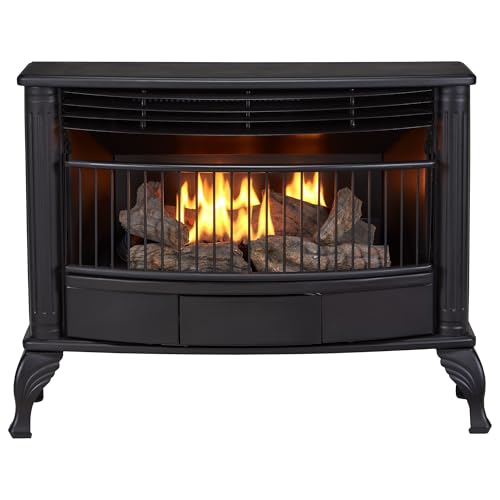
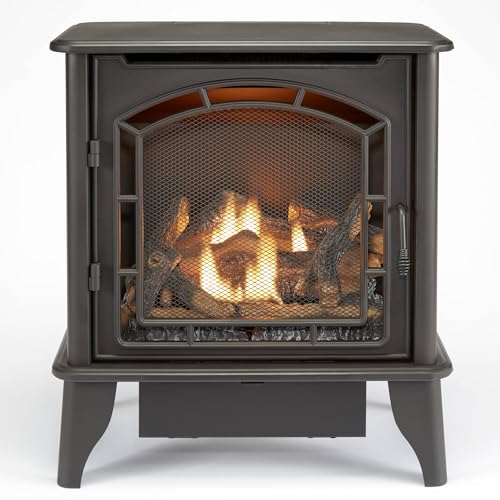
The Complete Gas Fireplace Guide
Everything you need to know about gas fireplaces: types, costs, installation, and maintenance
EXPLORE GAS FIREPLACESWhy Choose a Gas Fireplace?
Gas fireplaces offer the perfect balance of convenience, ambiance, and heating efficiency. Unlike traditional wood-burning units, gas fireplaces provide instant heat at the flip of a switch, without the mess of ashes or the hassle of storing firewood.
Whether you're building a new home or upgrading your existing living room fireplace, gas options deliver realistic flames that can complement any design aesthetic from modern minimalism to rustic charm.
With energy efficiency ratings up to 99% and minimal maintenance requirements, gas fireplaces represent a smart investment for homeowners seeking both comfort and convenience.
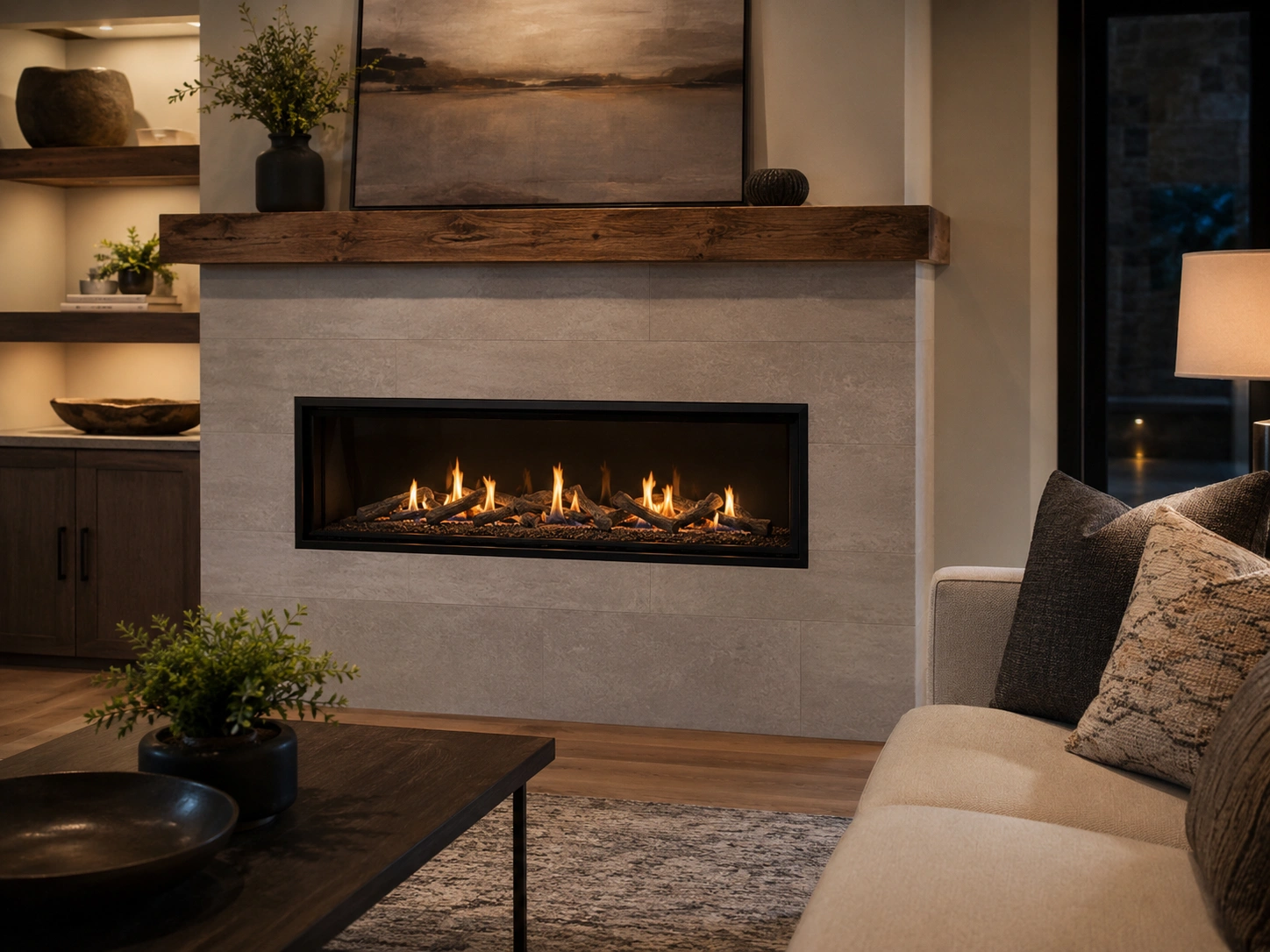
Key Benefits of Gas Fireplaces
- Instant Heat: No waiting for fires to build—enjoy immediate warmth with the push of a button or remote control.
- Clean Operation: No ash, soot, or wood chips to clean up, making maintenance significantly easier than wood-burning alternatives.
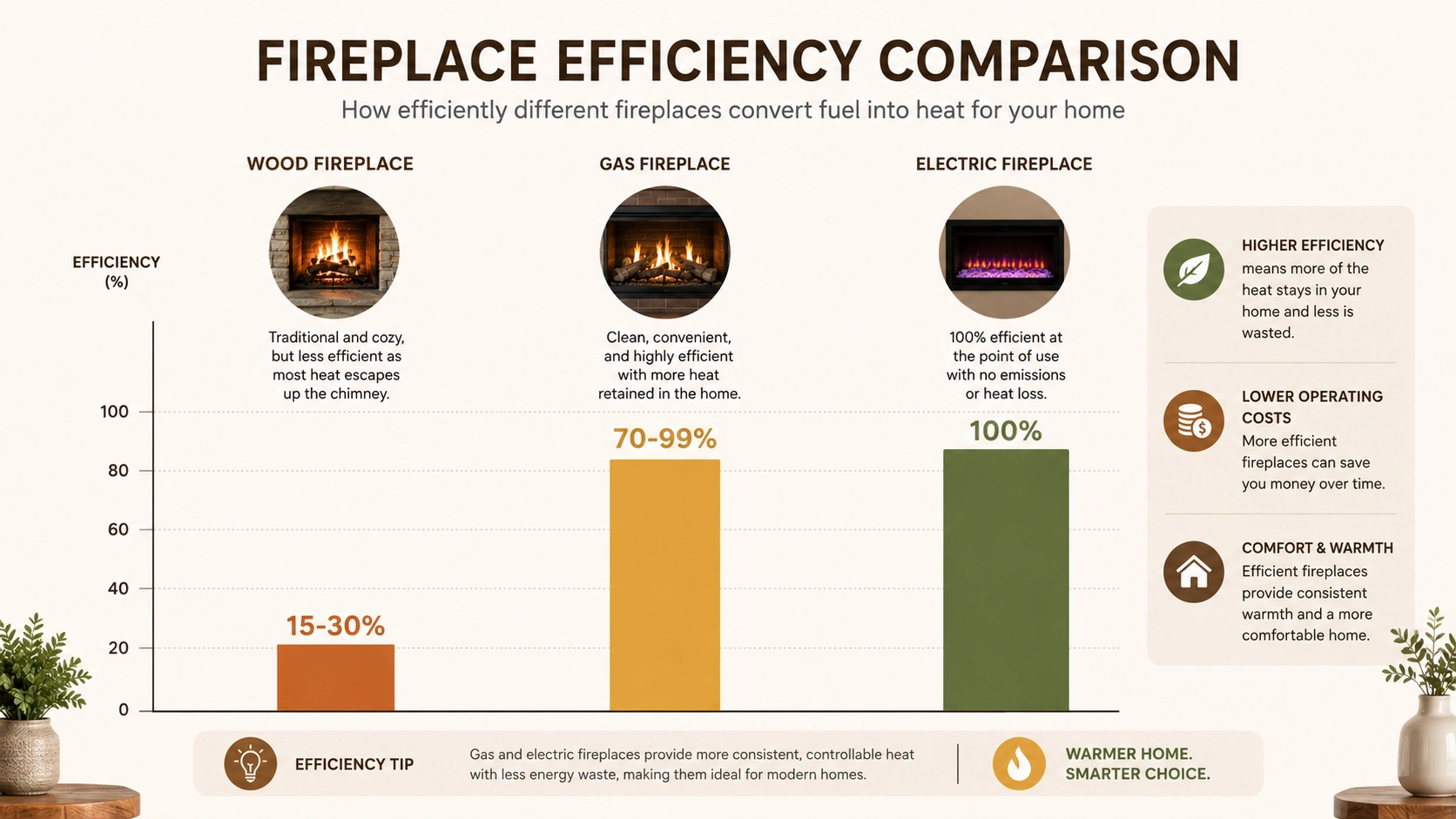
- Energy Efficiency: Modern gas fireplaces convert up to 99% of fuel to heat, compared to just 15-30% for traditional wood fireplaces.
- Realistic Flames: Advanced burner technology creates incredibly realistic flame patterns that mimic the look of a wood fire.
- Flexible Installation: Can be installed almost anywhere in your home with proper venting or as ventless models.
- Consistent Performance: Unlike wood fires that fluctuate in intensity, gas fireplaces provide steady, controllable heat output.
- Safety Features: Built-in safety systems include automatic shut-off valves and oxygen depletion sensors.
- Cost-Effective Operation: Natural gas is typically less expensive than electricity for heating, reducing monthly energy costs.
Types of Gas Fireplaces

Direct Vent Gas Fireplaces
The most popular option, using a two-pipe system that draws outside air for combustion and exhausts gases outside. These are highly efficient (70-85% efficiency) and can be vented horizontally through a wall, making them ideal for rooms without existing chimneys. Learn more about vented options.

Ventless Gas Fireplaces
Also called vent-free, these units don't require any exterior venting, making installation simpler and less expensive. They offer 99% efficiency since all heat stays in the room. However, they may increase humidity and aren't permitted in all areas. Explore ventless fireplace details.
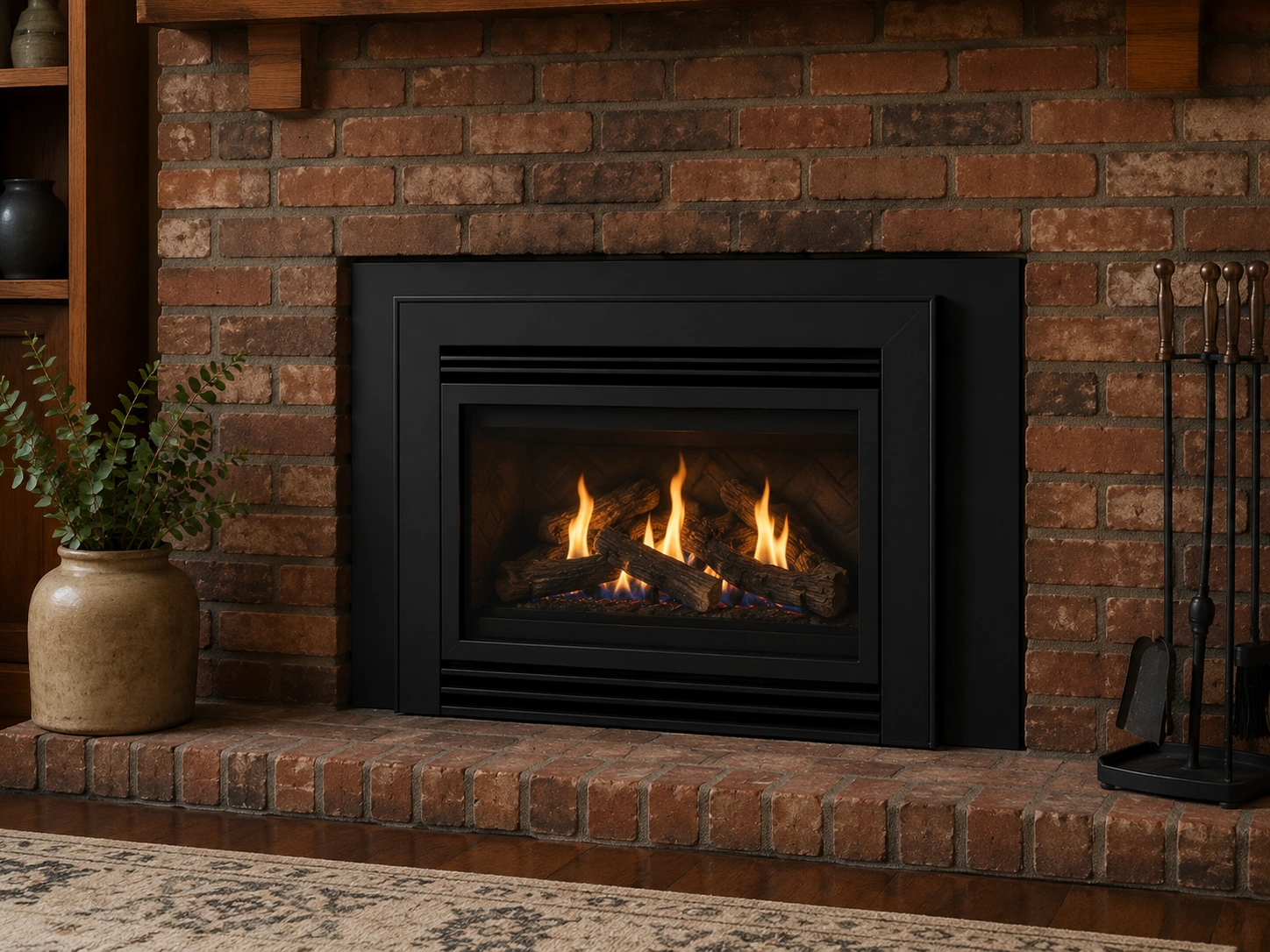
Gas Fireplace Inserts
Designed to transform existing wood-burning fireplaces into efficient gas units. Inserts are sealed systems that dramatically improve heating efficiency while maintaining the traditional look of your traditional fireplace. Perfect for fireplace remodeling projects.
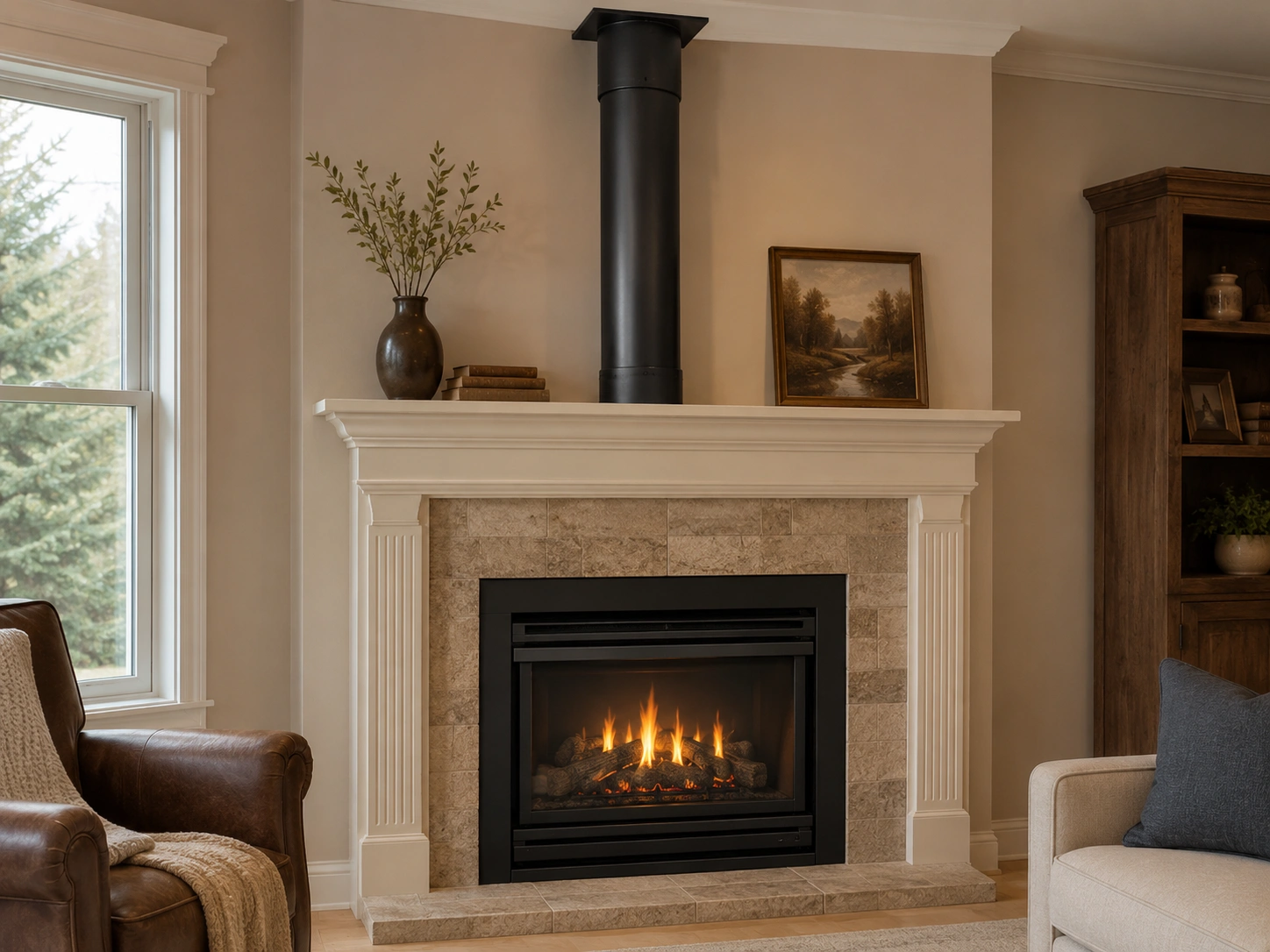
B-Vent (Natural Vent) Fireplaces
These draw combustion air from inside your home and vent exhaust through an existing chimney or a vertical pipe. Less efficient than direct vent models (50-70% efficiency) but simpler to install when a chimney is already present. Compare direct vent vs B-vent.
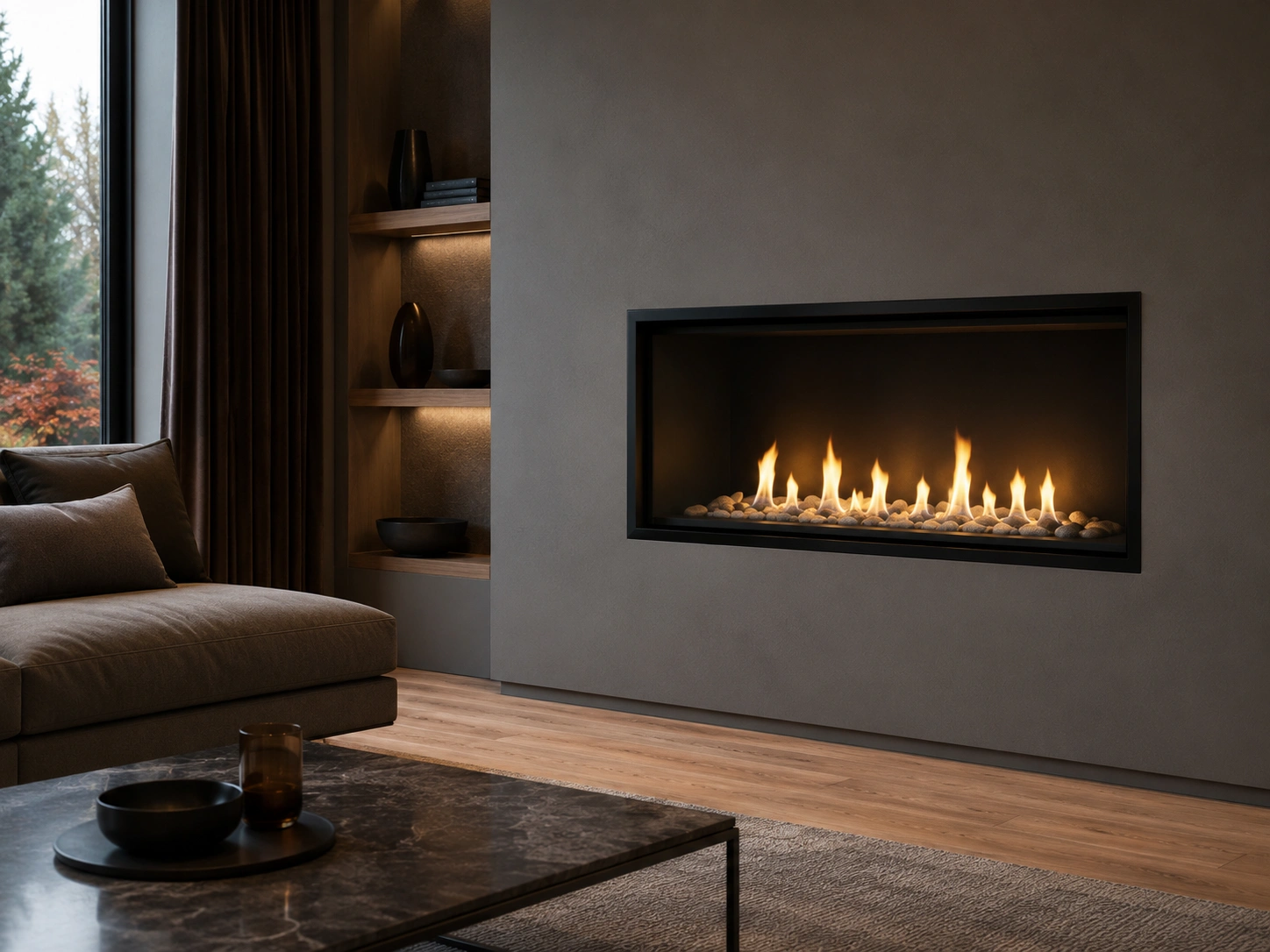
Wall-Mounted Gas Fireplaces
Perfect for contemporary spaces, these units install directly into the wall for a clean, streamlined look. Many feature large glass fronts for maximum flame visibility and can be positioned at any height for optimal viewing. Ideal for wall fireplace installations.
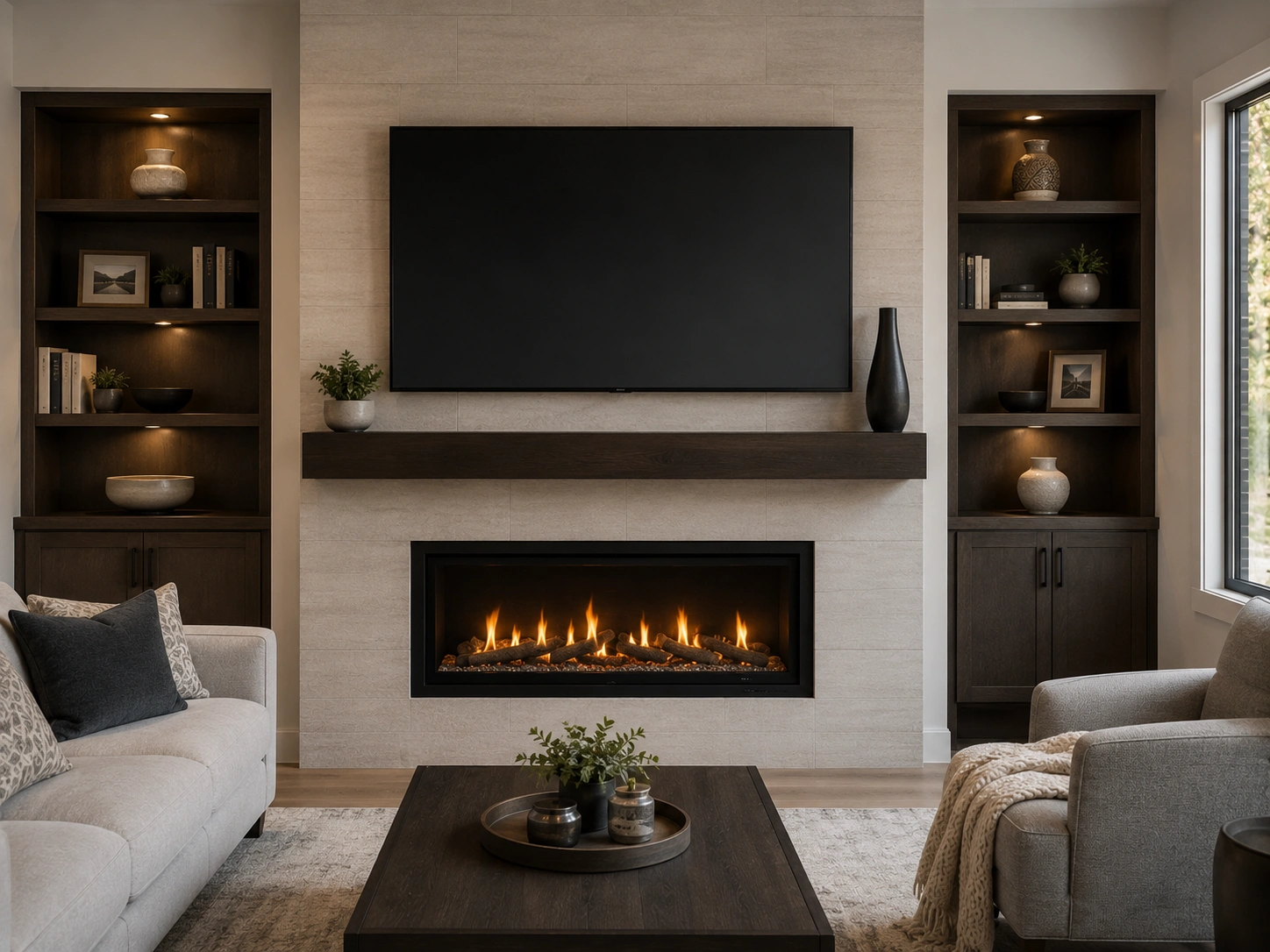
Gas Fireplaces for TV Walls
Specifically designed with lower heat output at the top, allowing safe TV installation above. These create stunning TV and fireplace wall designs that serve as room focal points while providing supplemental heating. Learn about TV above fireplace safety.
Important Considerations Before Choosing a Gas Fireplace
- Fuel Type: Determine if you have access to natural gas lines or if you'll need a propane fireplace with a tank system.
- Venting Options: Assess whether your home can accommodate direct venting, or if ventless is your only option.
- Heating Needs: Calculate the BTU requirements based on room size using our BTU guide.
- Local Regulations: Check building codes and restrictions regarding gas fireplace installation in your area.
- Existing Infrastructure: Determine if you can use an existing chimney or if you'll need to create new venting pathways.
- Budget: Consider both upfront installation costs and long-term operating expenses.
Gas Fireplace Cost Breakdown
Understanding the full cost picture helps you make an informed decision. Here's what to expect when budgeting for a gas fireplace:
| Cost Component | Price Range | Notes |
|---|---|---|
| Unit Cost | $800–$5,000+ | Varies by type, size, and features |
| Installation Labor | $500–$2,500 | Complexity and local rates affect price |
| Venting System | $300–$1,500 | Not needed for ventless models |
| Gas Line Installation | $200–$1,000 | If no existing line is available |
| Mantel & Surround | $500–$3,000+ | Optional but common for aesthetics |
| Permits & Inspections | $100–$300 | Required in most jurisdictions |
| Total Investment | $2,400–$13,300+ | Complete installation with basic surround |
For a detailed cost analysis, see our complete fireplace cost breakdown. When comparing options, you might also consider gas vs electric fireplaces or gas vs wood fireplaces to find the best value for your specific needs.
Installation Process
While some DIY gas fireplace projects are possible for experienced homeowners, professional installation is generally recommended for safety and warranty purposes. Here's what the typical installation process involves:
Site Assessment & Planning
A certified technician evaluates your space, determines appropriate sizing using our fireplace sizing guide, and plans the optimal location and venting route. This step includes checking local codes and obtaining necessary permits.
Gas Line Preparation
If needed, a licensed plumber installs or extends the gas line to the fireplace location. This may involve running new pipes from your home's main gas supply. Proper pressure testing is critical at this stage.
Fireplace Framing & Positioning
The installation area is framed according to manufacturer specifications, ensuring proper clearances from combustible materials. The fireplace unit is positioned and secured in place.
Venting System Installation
For vented models, the appropriate venting system is installed—either horizontal through a wall for direct vent units or vertical through the roof for B-vent models. All connections are sealed properly to prevent gas leaks.
Gas Connection & Testing
The fireplace is connected to the gas supply, and the entire system is pressurized and tested for leaks using specialized equipment. This critical safety step should never be skipped.
Finishing & Surround Installation
After successful testing, the finishing touches are added, including the fireplace surround, mantel, and any decorative elements. For design inspiration, explore our mantel ideas or tile ideas.
Final Inspection & Demonstration
A final safety inspection is performed, and the technician demonstrates proper operation, maintenance procedures, and safety features. All documentation and warranty information is provided to the homeowner.
For more detailed installation information, see our gas fireplace installation requirements guide or learn about DIY vs professional installation.
Gas Fireplace Efficiency & Performance
Gas fireplaces are among the most efficient heating options available. Understanding efficiency ratings helps you choose a model that maximizes heat output while minimizing fuel consumption.
AFUE (Annual Fuel Utilization Efficiency) measures how effectively a fireplace converts fuel to usable heat. Modern gas fireplaces typically achieve 70-99% AFUE, compared to just 15-30% for traditional wood-burning fireplaces.
When evaluating efficiency, consider both steady-state efficiency (performance during operation) and overall efficiency (which accounts for heat loss during on/off cycles). Direct vent models generally offer the best balance of efficiency and indoor air quality.
For maximum efficiency, look for models with variable speed blowers, electronic ignition (instead of standing pilots), and programmable thermostats. These features can reduce gas consumption by 20-30% compared to basic models.
Essential Gas Fireplace Safety Tips
Carbon Monoxide Detectors
Install CO detectors on every level of your home, especially near sleeping areas. Test them monthly and replace batteries annually. Learn about carbon monoxide signs.
Annual Inspections
Schedule professional inspections yearly to check for gas leaks, proper venting, and component wear. See our gas fireplace inspection guide.
Proper Clearances
Maintain recommended distances from combustible materials. Check furniture placement guidelines and keep decor items at safe distances.
Maintenance Alerts
Address issues promptly—if you notice unusual odors, sounds, or performance changes, consult our gas smell troubleshooting guide immediately.
Child Safety
Install safety screens or fireplace gates to prevent burns. Consider temperature-controlled units for homes with small children.
Proper Ventilation
Never block vents or air intakes. For ventless models, follow manufacturer guidelines regarding room size and ventilation requirements.
Gas Fireplace Maintenance Schedule
Weekly
Wipe down the glass front with a soft cloth to prevent buildup. Check that the pilot light (if applicable) is burning properly with a blue flame. Inspect the exterior for any visible damage or wear.
Monthly
Test carbon monoxide detectors. Clean the fireplace glass more thoroughly if needed. Check for any unusual odors during operation. Inspect the burner for even flame distribution.
Quarterly
Vacuum the interior components and logs carefully. Check all electrical connections if your unit has blowers or lights. Test the remote control (if applicable) and replace batteries as needed.
Annually
Schedule a professional inspection and cleaning. The technician should check all gas connections, clean the burner and pilot assembly, inspect the venting system, and verify proper operation of all safety features. See our complete gas fireplace maintenance guide.
As Needed
Address any performance issues immediately. If you notice weak flames, unusual noises, or the pilot light keeps going out, consult a professional before continuing use.
Integrating Your Gas Fireplace Into Your Home Design
A gas fireplace can serve as a stunning focal point in any room when properly integrated into your home's design. The key is selecting a style that complements your existing décor while making a statement.
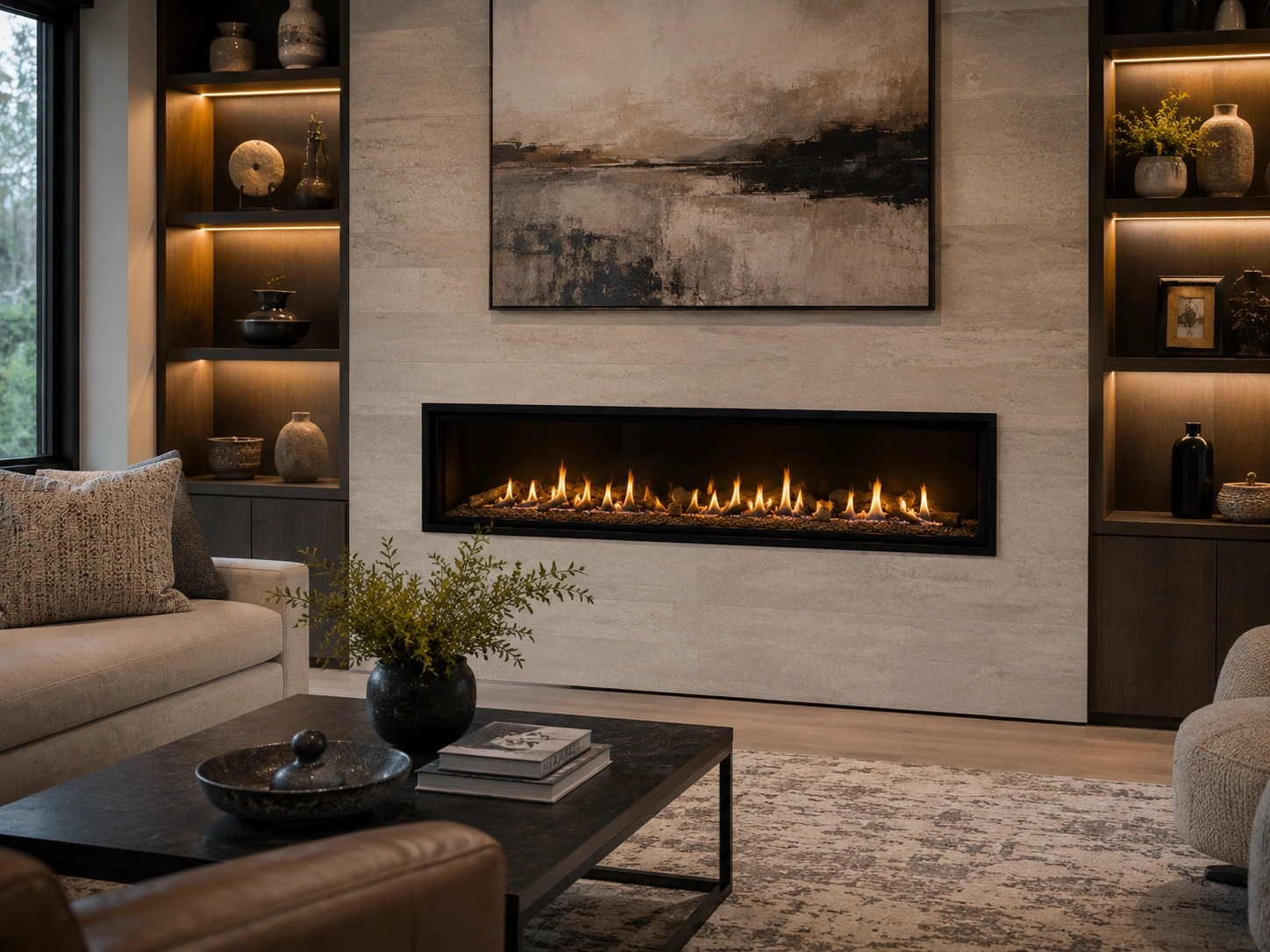
For modern interiors, consider sleek, frameless designs with minimal visible hardware. Linear models with panoramic viewing areas create dramatic focal points without overwhelming the space. These work exceptionally well in minimalist settings.
Traditional homes benefit from more ornate designs with decorative surrounds. A marble surround adds elegance, while brick surrounds create warmth and character. For a classic look, explore our traditional fireplace ideas.
Consider how your fireplace will interact with other elements in the room. A well-designed TV and fireplace wall can create a balanced entertainment center, while strategic mirror placement can enhance the sense of space and reflect the beautiful flames.
How Gas Fireplaces Compare to Other Options
While gas fireplaces offer numerous advantages, it's worth considering how they stack up against other fireplace types:
Gas vs. Electric Fireplaces
Gas fireplaces provide more realistic flames and greater heating capacity than electric models, making them better for primary heating. However, electric fireplaces are easier to install, require no venting, and typically have lower upfront costs. For a detailed comparison, see our gas vs electric fireplace guide.
Gas vs. Wood Fireplaces
Gas fireplaces offer convenience, cleaner operation, and higher efficiency, while wood fireplaces provide the authentic crackling sound, aroma, and experience of a real wood fire. Wood fireplaces may be preferred in areas where wood is readily available and inexpensive. Compare these options in our gas vs wood fireplace analysis.
Natural Gas vs. Propane
If you don't have access to natural gas lines, propane fireplaces offer similar performance with the added flexibility of tank storage. Propane typically costs more per BTU than natural gas but provides equivalent heat output and flame quality. Learn more in our propane vs natural gas comparison.
Frequently Asked Questions About Gas Fireplaces
Can a gas fireplace heat an entire house?
While some high-output models can heat significant areas, most gas fireplaces are designed as supplemental heat sources rather than whole-home solutions. For whole-home heating, you'd need a very large unit or multiple fireplaces strategically placed throughout your home. Learn more about fireplace heating capacity.
Is it safe to leave a gas fireplace on overnight?
While modern gas fireplaces have safety features that make them safer than older models, most manufacturers and safety experts recommend turning off any gas appliance before sleeping. For specific guidance, see our article on leaving fireplaces on overnight.
How much does it cost to run a gas fireplace?
Operating costs vary based on your local gas rates, fireplace efficiency, and usage patterns. On average, running a standard gas fireplace costs about $0.20-$0.40 per hour. For a detailed breakdown, check our fireplace running cost analysis.
Can I install a gas fireplace myself?
While some components can be DIY-installed, gas connections should always be handled by licensed professionals due to safety concerns and code requirements. Improper installation can lead to gas leaks, carbon monoxide poisoning, and fire hazards. Learn about DIY vs professional installation.
Do gas fireplaces need a chimney?
Not necessarily. Direct vent models can be vented horizontally through a wall, and ventless models require no exterior venting at all. Only B-vent models typically require a vertical chimney. For more details, see our guide on whether fireplaces need chimneys.