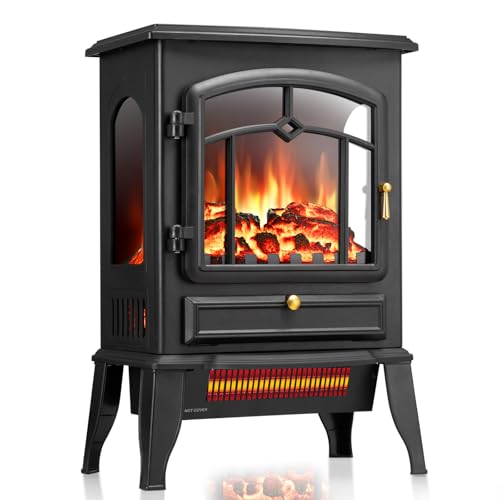
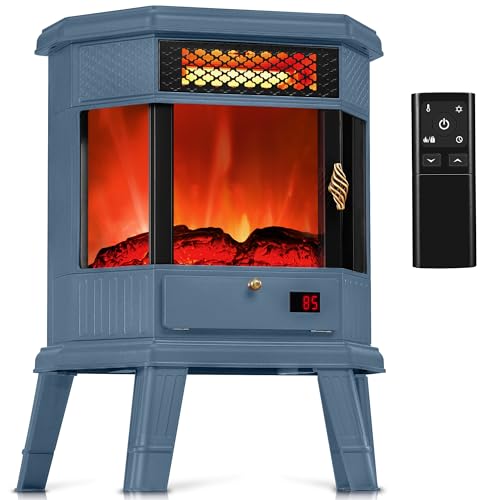
Small Fireplaces: The Complete Guide
Everything you need to know about choosing, installing, and maximizing small fireplaces for apartments, tiny homes, and compact living spaces.
FIND YOUR PERFECT MATCHWhy Small Fireplaces Matter: Limited space doesn't mean you have to sacrifice the warmth and ambiance of a real fireplace. Modern small fireplaces deliver impressive heating performance in compact packages, making them perfect for apartments, studios, tiny homes, and rooms where traditional fireplaces simply won't fit.
What is a Small Fireplace?
A small fireplace is any fireplace designed specifically for compact spaces, typically measuring less than 36 inches wide and producing between 4,000-15,000 BTUs of heat. Unlike standard fireplaces that can dominate a room, small fireplaces are engineered to provide the ambiance and warmth you want without overwhelming your space.
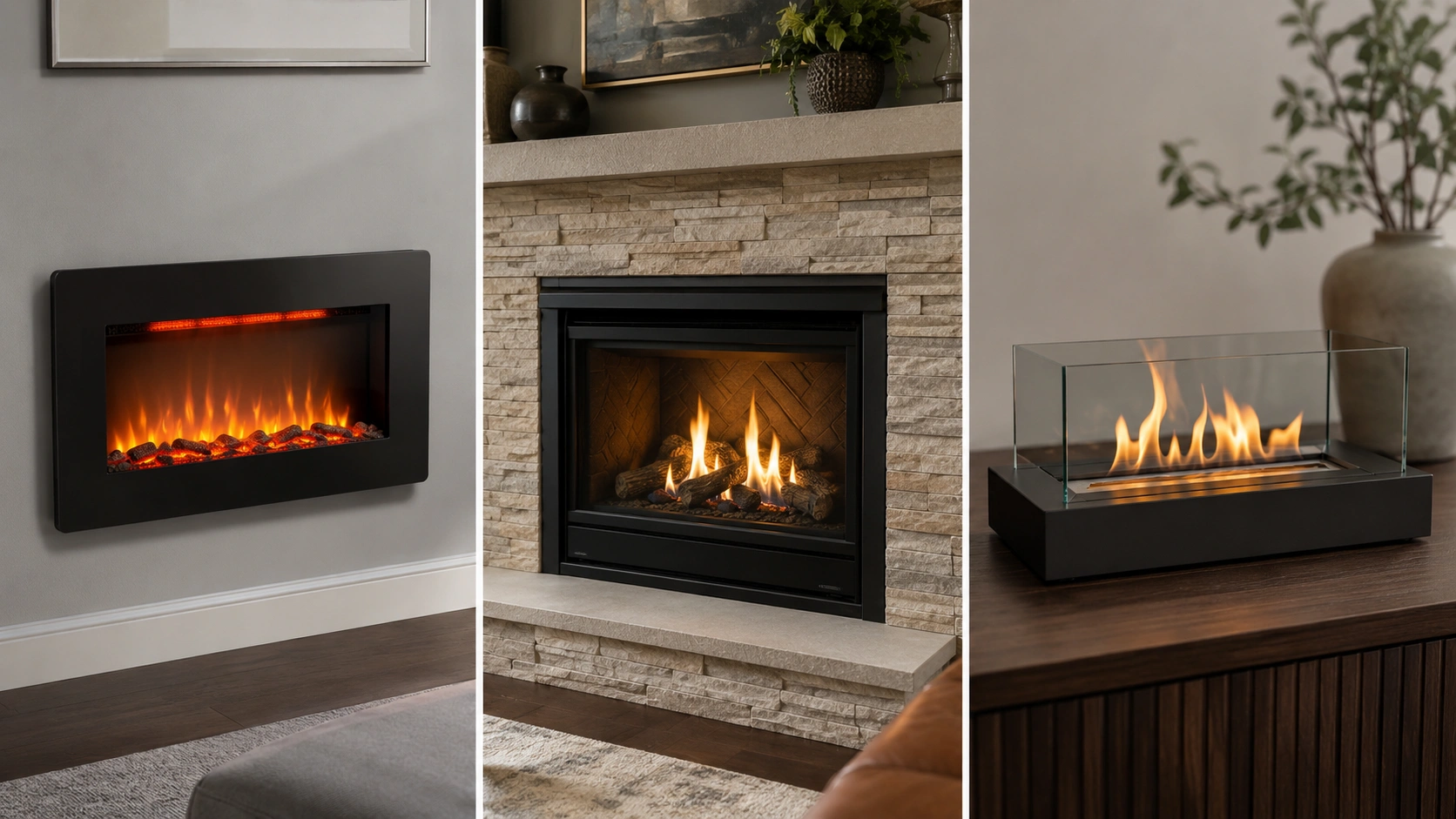
The key distinction of small fireplaces isn't just their physical dimensions—it's their optimized heating output for smaller areas. While a standard fireplace might produce 30,000-60,000 BTUs for large living rooms, small fireplaces are carefully calibrated to efficiently heat spaces from 100 to 500 square feet without creating uncomfortable temperature fluctuations.
Types of Small Fireplaces
Small fireplaces come in several fuel types and installation styles, each with distinct advantages for compact spaces:
1. Small Electric Fireplaces
Electric fireplaces are the most popular choice for small spaces due to their zero-ventilation requirements and plug-and-play installation. Modern small electric fireplaces offer surprisingly realistic flame effects while remaining completely cool to the touch, making them safe for tight quarters.
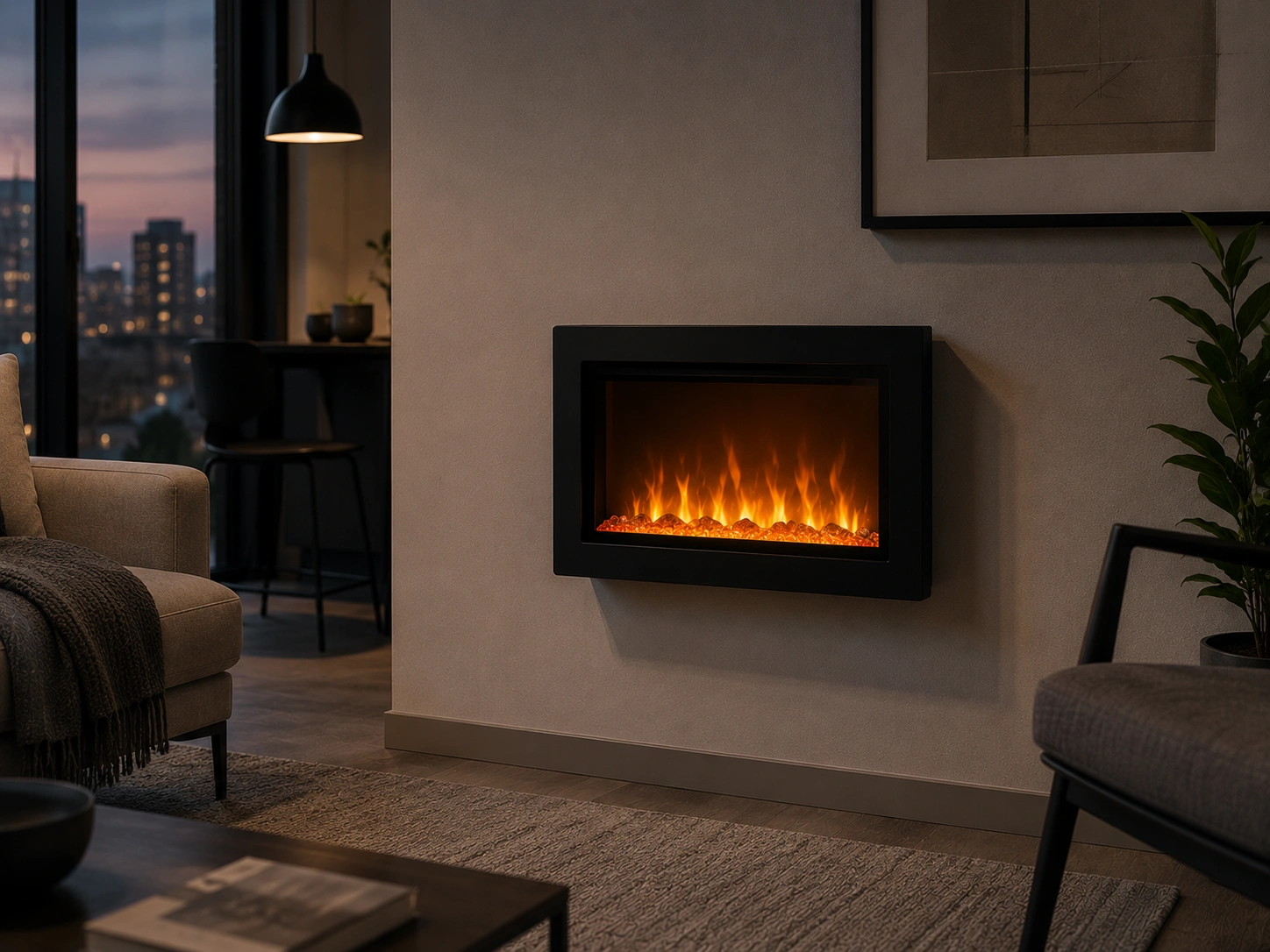
Small electric models typically measure 20-32 inches wide, produce 4,000-5,000 BTUs (enough for 400 square feet), and cost between $150-$800. They're ideal for apartment installations where you can't modify walls or add ventilation.
2. Small Gas Fireplaces
For those wanting real flames without the hassle of wood, small gas fireplaces offer excellent heating in compact packages. They require venting but can be installed in spaces as small as 18 inches wide with direct-vent technology.
Small gas fireplaces produce 8,000-15,000 BTUs, cost $800-$2,500 including installation, and offer the advantage of working during power outages. They're perfect for small living rooms or master bedrooms where you want substantial heat output.
3. Ethanol Fireplaces
Ethanol fireplaces are the ultimate space-savers since they require no vents, chimneys, or gas lines. These clean-burning units use bioethanol fuel and can be as small as 12 inches wide.
While they produce less heat (typically 2,000-6,000 BTUs), ethanol fireplaces excel at creating ambiance in very small spaces like bathrooms, entryways, or as decorative accents. Prices range from $100-$1,500 depending on design and materials.
4. Wall-Mounted Fireplaces
Wall-mounted fireplaces of all fuel types are particularly valuable in small spaces because they consume zero floor space. They can be installed at any height, making them versatile for rooms with unusual layouts or limited wall space.
5. Corner Fireplaces
When floor space is at a premium, corner fireplaces utilize otherwise wasted space. These units are designed to fit snugly into room corners, typically measuring 32-40 inches diagonally.
Small Fireplace Comparison
| Feature | Electric | Gas | Ethanol |
|---|---|---|---|
| Minimum Width | 20 inches | 18 inches | 12 inches |
| Heat Output | 4,000-5,000 BTU | 8,000-15,000 BTU | 2,000-6,000 BTU |
| Venting Required | No | Yes | No |
| Installation Complexity | Very Easy | Moderate | Easy |
| Typical Cost | $150-$800 | $800-$2,500 | $100-$1,500 |
| Works During Power Outage | No | Yes | Yes |
| Real Flames | Simulated | Yes | Yes |
Benefits of Small Fireplaces
Small fireplaces offer unique advantages that make them perfect for compact living:
- Space Efficiency: Designed specifically for tight quarters, small fireplaces maximize visual impact while minimizing footprint.
- Easier Installation: Many small models require no structural modifications, making them ideal for rentals or temporary setups.
- Lower Operating Costs: Smaller units use less fuel or electricity, resulting in lower monthly heating expenses.
- Targeted Heating: Perfect for zone heating—warming just the space you're using rather than the entire home.
- Design Flexibility: Available in wall-mounted, corner, freestanding, and tabletop configurations to suit any room layout.
- Ambiance Without Overwhelm: Provides cozy atmosphere without dominating the room's visual space.
- Portability: Many small electric and ethanol models can be moved from room to room as needed.
- Property Value: Even small fireplaces can increase home appeal and value. Learn more about fireplace impact on home value.
Considerations for Small Spaces
Before choosing a small fireplace, consider these important factors:
- Heating Capacity: Don't oversize—excessive heat output in a small space creates discomfort. Use our BTU guide to calculate exact needs.
- Clearance Requirements: Even small fireplaces need proper clearances from furniture, curtains, and walls. Understand furniture distance requirements.
- Ventilation Constraints: Some buildings prohibit certain fireplace types. Check ventilation requirements for your situation.
- Weight Considerations: Wall-mounted units require adequate wall support, especially in older buildings.
- Electrical Requirements: Ensure your electrical system can handle the load of electric fireplaces without overloading circuits.
- Local Regulations: Apartments and condos may have specific restrictions on fireplace types. Check with your building management.
Safety in Small Spaces
In compact areas, fireplace safety becomes even more critical due to proximity to furniture and limited ventilation. Always install smoke and carbon monoxide detectors, maintain proper clearances, and follow manufacturer guidelines precisely. For gas fireplaces, ensure adequate combustion air to prevent dangerous buildup.
Sizing Your Small Fireplace
Proper sizing is crucial for small spaces where even slight miscalculations have significant impact:
BTU Calculation for Small Spaces
For small rooms, use this simplified formula:
Square Feet × 20 BTUs = Required Heating Capacity
For example, a 200-square-foot studio apartment would need approximately 4,000 BTUs. This matches perfectly with small electric fireplace output. For detailed calculations, see our fireplace sizing guide.
Tiny Bathrooms (50-100 sq ft)
- 1,000-2,000 BTUs
- Ethanol or small electric
- Ambiance focus, minimal heating
- Budget: $100-$300
Bedrooms (100-200 sq ft)
- 2,000-4,000 BTUs
- Electric or ethanol
- Gentle, even heating
- Budget: $200-$800
Studio Apartments (200-400 sq ft)
- 4,000-8,000 BTUs
- Electric or small gas
- Primary zone heating
- Budget: $300-$1,500
Small Living Rooms (300-500 sq ft)
- 6,000-10,000 BTUs
- Small gas or high-output electric
- Substantial supplemental heating
- Budget: $500-$2,500
Installation Options for Small Spaces
Small fireplaces offer more installation flexibility than their full-sized counterparts:
Wall-Mounted Installation
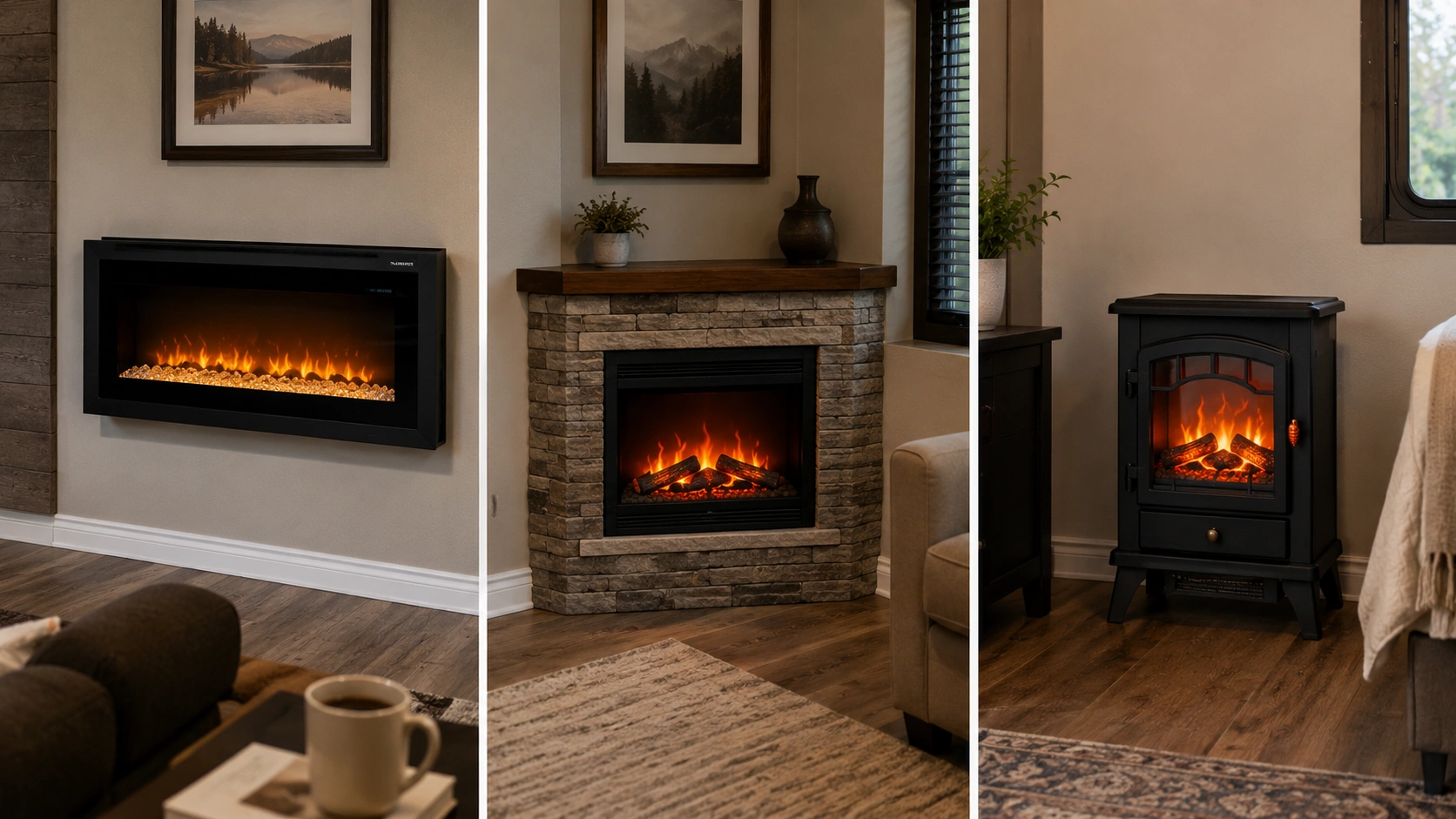
Wall mounting saves floor space and creates a floating effect that makes rooms feel larger. Most small electric and ethanol fireplaces include mounting hardware and can be installed in under an hour. For electric fireplace installation, it's often as simple as hanging a picture frame.
Corner Installation
Corner installations utilize otherwise wasted space and can actually make a room feel larger by creating a diagonal focal point. Special corner mantels and surrounds are available for small fireplaces.
Freestanding Placement
Portable small fireplaces can be placed anywhere there's an electrical outlet (for electric models) or proper ventilation (for gas). This flexibility allows you to experiment with placement before committing to a permanent location.
Built-In Installation
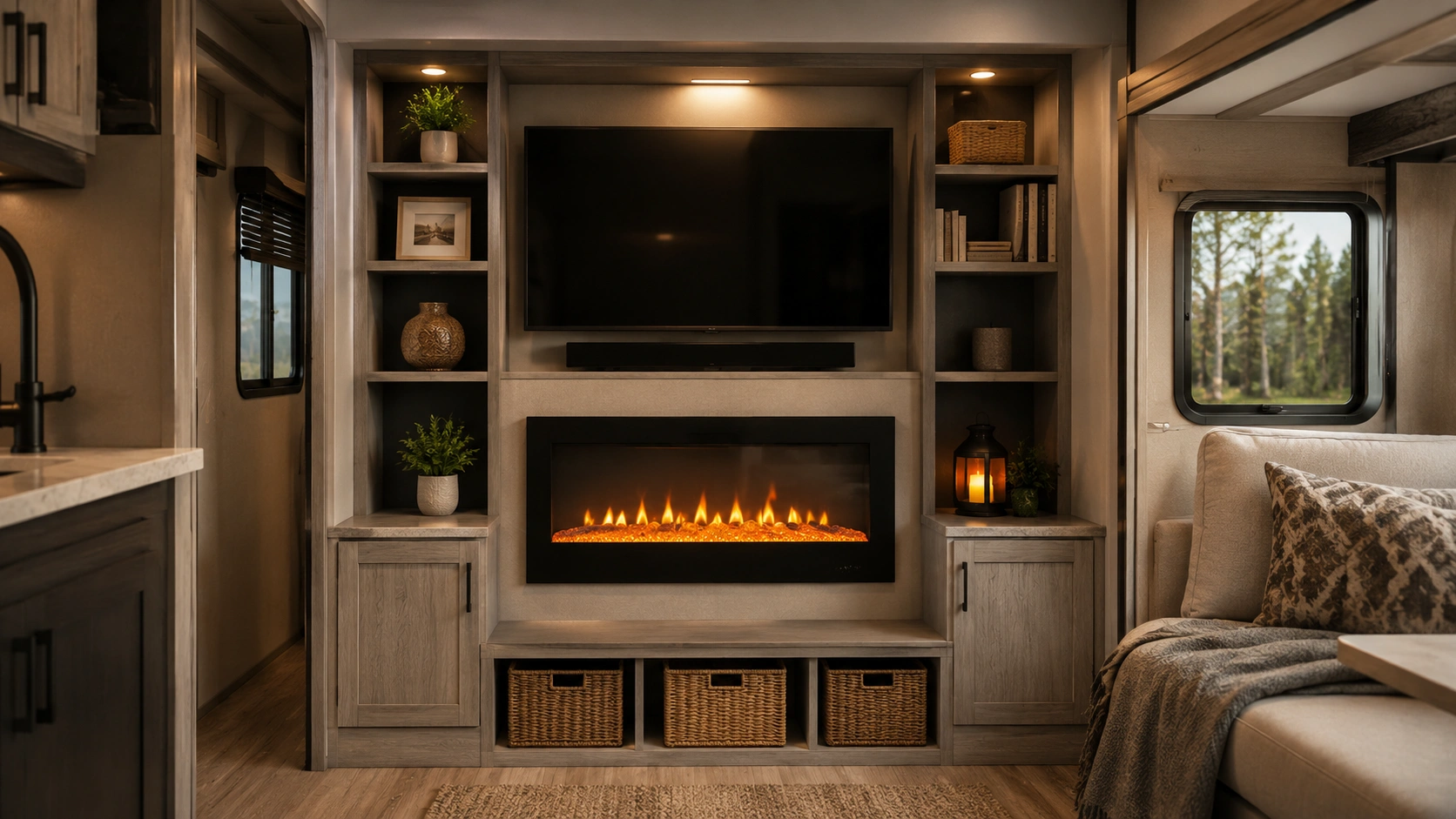
For a more permanent look, small fireplaces can be built into walls, cabinets, or existing alcoves. This creates a custom appearance while maintaining the space-saving benefits. Gas fireplace installation typically requires professional help for built-in applications.
Installation Tip for Renters
If you're renting, choose wall-mounted electric fireplaces that can be removed without damaging walls. Many models leave only small mounting holes that can be easily patched when you move. Always get landlord permission before installation, even for non-permanent options.
Cost Breakdown
Small fireplaces are generally more affordable than standard models, but costs vary significantly by type:
Initial Costs by Type
For comprehensive pricing information, see our fireplace cost breakdown guide.
Ongoing Operating Costs
Small fireplaces typically cost less to operate than standard models:
- Electric: $0.08-$0.15 per hour (based on average electricity rates)
- Natural Gas: $0.15-$0.30 per hour
- Ethanol: $1.50-$3.00 per hour (highest fuel cost)
Compare these costs in our guide to electric fireplace operating costs.
Design Ideas for Small Spaces
Clever design can maximize the impact of your small fireplace:
Vertical Emphasis
Tall, narrow fireplaces draw the eye upward, making ceilings appear higher and rooms feel larger. Pair with vertical art or mirrors to enhance this effect. This works particularly well with minimalist fireplace designs.
Reflective Surfaces
Place mirrors or metallic accessories near your fireplace to multiply the light and flame effect, creating the illusion of a larger fireplace and more spacious room.
Integrated Storage
Combine your small fireplace with shelving or media storage to create a multi-functional focal point that serves multiple purposes without consuming additional floor space.
Color Coordination
Match your fireplace to wall color to create a seamless look that doesn't break up the visual space, or use contrasting color to create a deliberate focal point. Dark fireplaces recede visually, while light-colored ones advance.
Multi-Functional Furniture
Position your small fireplace adjacent to multi-functional furniture like storage ottomans or convertible sofas to maximize every inch of your space while creating a cozy conversation area.
Maintenance Considerations
Small fireplaces generally require less maintenance than full-sized models:
Electric Fireplaces
Maintenance is minimal—regular dusting and occasional cleaning of the glass front. No professional servicing required. For detailed guidance, see our electric fireplace maintenance guide.
Gas Fireplaces
Small gas fireplaces still require annual professional inspection and cleaning, though the smaller components often make these services quicker and less expensive than for standard models. Refer to our gas fireplace maintenance tips.
Ethanol Fireplaces
The simplest maintenance of all—just keep the burner clean and ensure proper fuel quality. No professional servicing required. Check our ethanol fireplace care guide for specifics.
Essential Accessories for Small Fireplaces
Proper accessories enhance both safety and enjoyment:
- Fireplace screens - Even small fireplaces benefit from screens to prevent sparks (especially important in tight spaces)
- Glass doors - Provide an extra safety layer while improving efficiency
- Remote controls - Convenient for wall-mounted units that are harder to reach
- Thermostats - Prevent overheating in small spaces by maintaining consistent temperature
- Draft stoppers - Prevent heat loss when fireplace isn't in use
Explore our complete fireplace accessories guide for more options.
Common Questions About Small Fireplaces
Can a small fireplace actually heat a room?
Yes, when properly sized. Small fireplaces are designed for zone heating—warming the specific area you're using rather than the entire home. A properly sized small electric fireplace can effectively heat a 400-square-foot room. Learn more about electric fireplace heating capabilities.
Are small fireplaces safe for apartments?
Electric and ethanol fireplaces are generally safe for apartments when used according to manufacturer guidelines. Gas fireplaces may be prohibited in some multi-unit buildings. Always check with your landlord and building regulations before installation. See our apartment installation guide for details.
Will a small fireplace make my room look smaller?
When chosen and placed correctly, small fireplaces can actually make rooms feel larger by creating a focal point that draws the eye and adds visual interest. Wall-mounted models particularly enhance the sense of space.
How much electricity does a small electric fireplace use?
Most small electric fireplaces use 1,200-1,500 watts, similar to a space heater. At average electricity rates, this costs approximately $0.12-$0.18 per hour. For detailed calculations, see our fireplace electricity usage guide.
Can I install a small gas fireplace myself?
Due to gas line connections and venting requirements, professional installation is strongly recommended and often required by code. Improper installation can create serious safety hazards including gas leaks and carbon monoxide poisoning.
Room-Specific Recommendations
Different rooms have unique requirements for small fireplaces:
Bedrooms
Bedroom fireplaces should prioritize gentle, even heating without drying the air excessively. Electric models with thermostats are ideal, as they maintain consistent temperatures without the safety concerns of open flames in sleeping areas.
Bathrooms
Bathroom fireplaces must be specifically rated for damp environments. Small ethanol fireplaces are excellent choices due to their ventless operation and clean burning. Ensure the model is rated for bathroom use before installation.
Kitchens
Kitchen fireplaces should be compact and positioned away from cooking areas to avoid grease interference with operation. Small electric models are often the best choice for kitchens.
Home Offices
For focused work spaces, small fireplaces provide gentle warmth without the noise of forced-air heating systems. Electric models with minimal fan noise are ideal for maintaining a quiet work environment.
Making Your Decision
Choosing the right small fireplace requires balancing several factors:
- Space Dimensions: Measure carefully and account for required clearances
- Primary Purpose: Determine if heating or ambiance is your main goal
- Installation Constraints: Consider venting, electrical, and structural limitations
- Budget: Factor in both purchase price and ongoing operating costs
- Maintenance Willingness: Be realistic about maintenance you're willing to perform
- Design Preferences: Choose a style that complements your existing décor
Small fireplaces prove that you don't need a grand hearth to enjoy the warmth and ambiance of a real fire. With the variety of compact options available today, there's a perfect small fireplace for virtually any space constraint. By carefully considering your specific needs and the factors outlined in this guide, you can select a small fireplace that transforms your compact space into a cozy retreat.
Ready to explore specific small fireplace options? Check out our recommended products below, or continue your research with our comprehensive best fireplace for small spaces guide.