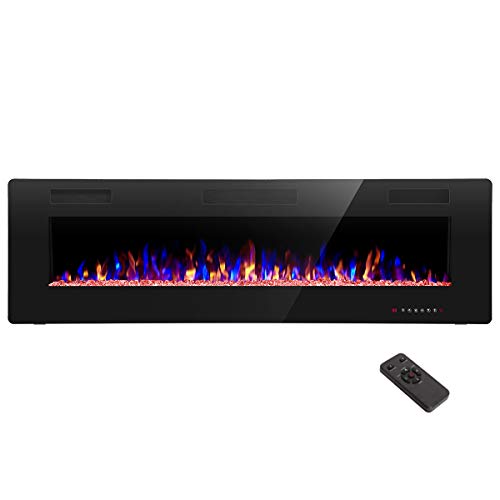
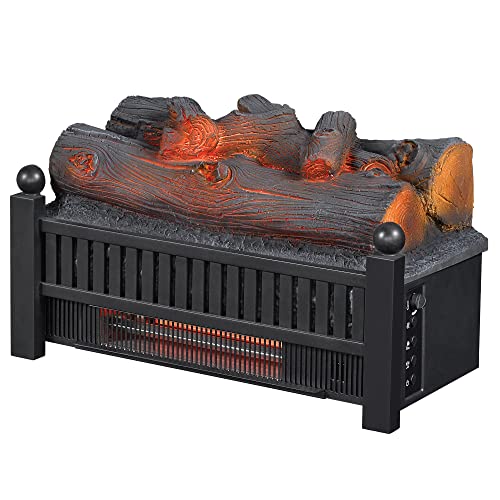
Fireplace Inserts: The Complete Guide
Transform your existing fireplace into an efficient heating system with professional installation tips, cost breakdowns, and expert recommendations
EXPLORE TYPESWhat Are Fireplace Inserts?
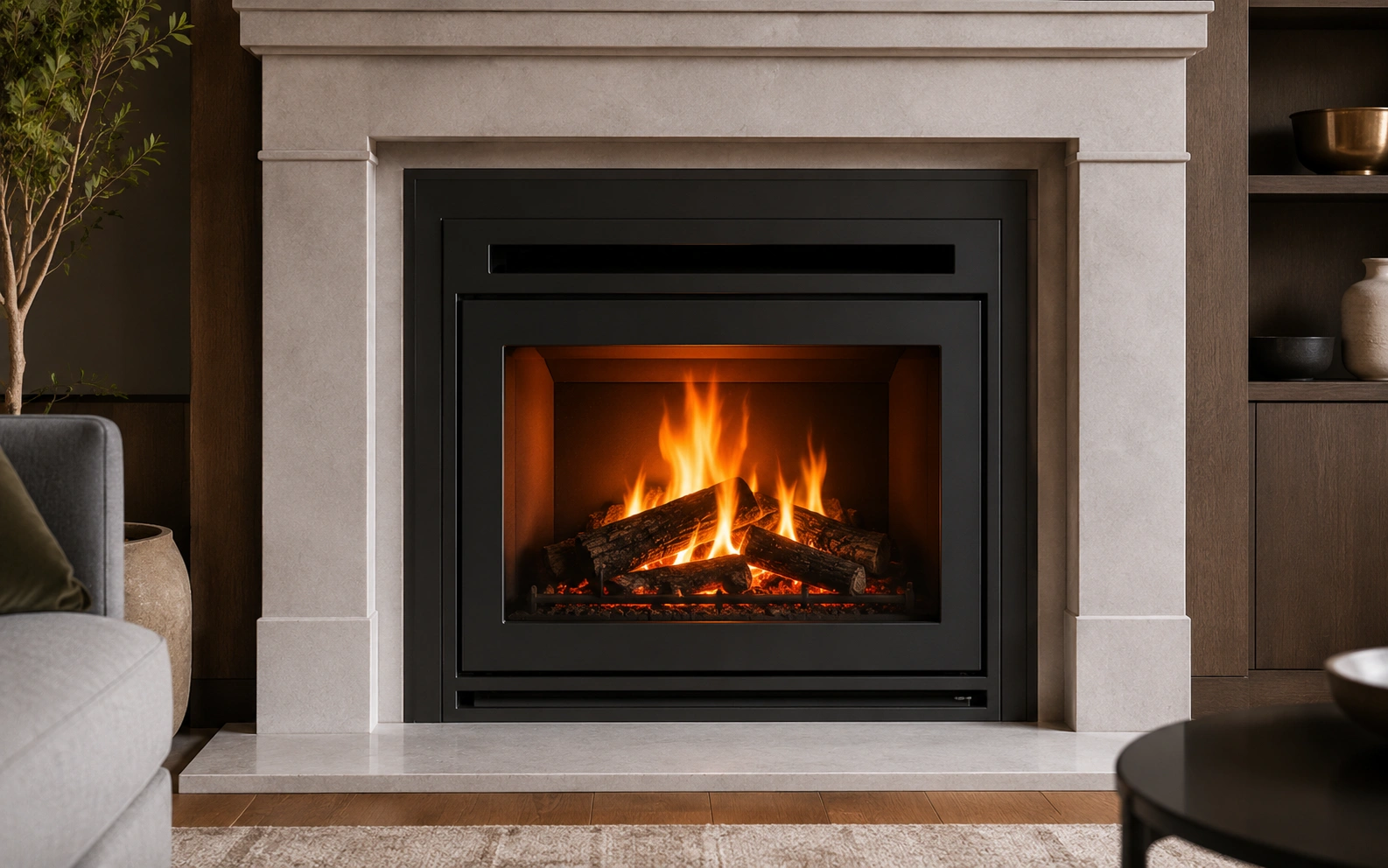
Fireplace inserts are self-contained heating units designed to fit inside existing fireplace openings. Unlike traditional open fireplaces that lose most heat up the chimney, inserts capture and radiate heat back into your room, dramatically improving efficiency while maintaining the aesthetic appeal of your existing traditional fireplace.
These units come in various fuel types including electric, gas, wood-burning, and pellet options. Each type offers distinct advantages in terms of heating efficiency, installation requirements, and operational costs. Modern inserts feature realistic flame effects that can operate independently from the heating function, allowing you to enjoy the ambiance without necessarily running the heater.
Whether you're looking to upgrade an inefficient wood-burning fireplace, add supplemental heating to a living room, or create a cozy atmosphere in a bedroom, fireplace inserts offer a versatile solution that combines form and function.
Key Benefits of Fireplace Inserts
Massive Efficiency Improvement
Convert inefficient fireplaces from 10-20% efficiency to 60-85% efficiency, significantly reducing heating costs while maintaining the traditional fireplace look.
Reduced Energy Bills
Save $200-$600 annually on heating costs by eliminating heat loss through the chimney downdraft that plagues traditional fireplaces.
Eco-Friendly Option
Electric inserts produce zero emissions, making them the most environmentally friendly choice for supplemental heating in any room of your home.
Easy Installation
Most electric inserts are designed for simple plug-and-play installation without major construction or venting requirements.
Quick ROI
Lower purchase and installation costs mean most inserts pay for themselves within 2-4 heating seasons through energy savings alone.
Safety Features
Built-in overheat protection, cool-touch exteriors, and UL-listed components ensure safe operation in any indoor space.
Types of Fireplace Inserts
Choosing the right insert depends on your existing fireplace type, heating goals, and budget. Each fuel type offers unique advantages and installation requirements.
Electric Fireplace Inserts
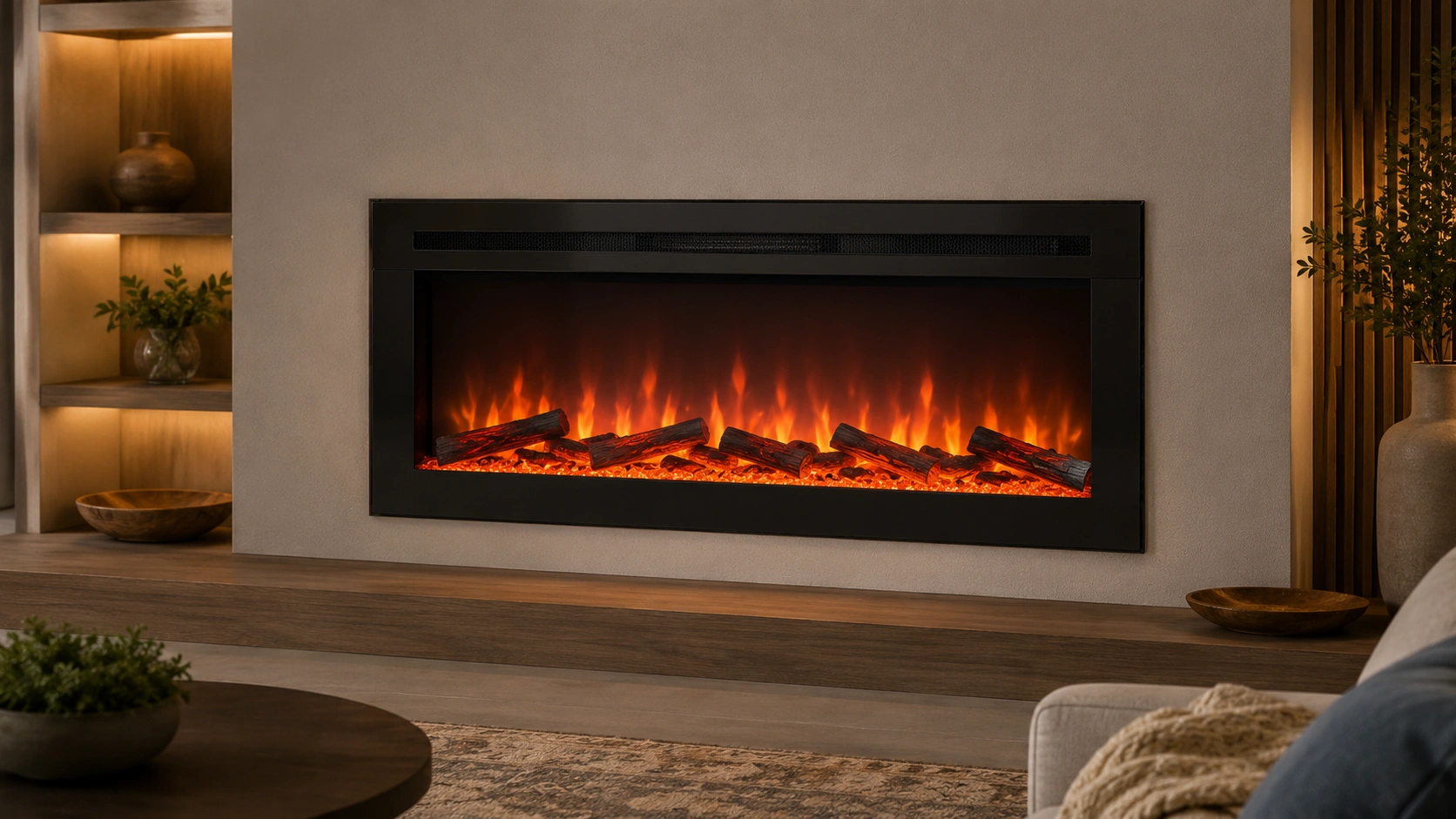
The most popular and versatile option for their ease of installation and operation. Electric inserts simply plug into a standard outlet and require no venting, making them perfect for any room in your home.
- No chimney or venting required
- 99% energy efficient heating
- Flame effect without heat option
- Price range: $200-$1,500
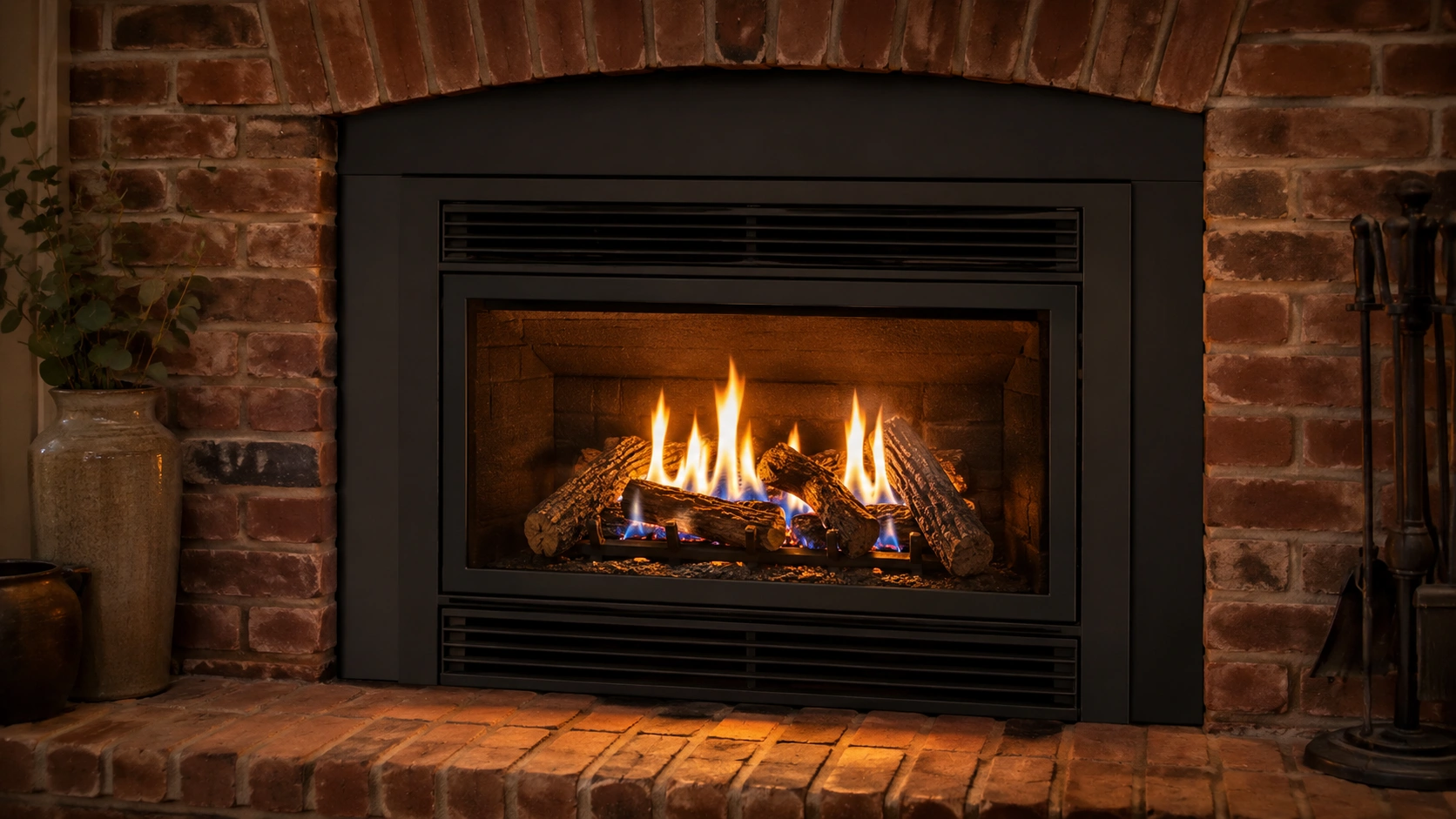
Gas Fireplace Inserts
Offer the most realistic flame appearance and powerful heating performance. Gas inserts require professional installation but provide superior warmth for larger spaces and colder climates.
- 40,000-60,000 BTU heating capacity
- span>Requires direct venting or B-vent
- Realistic ceramic log sets
- Price range: $800-$3,000

Wood Burning Inserts
For homeowners who love the authentic experience of a real wood fire. These inserts maximize heat output from cordwood while reducing smoke problems in existing wood-burning fireplaces.
- 60-80% efficiency (vs 10-20% traditional)
- Significantly reduces smoke issues
- Requires existing chimney system
- Price range: $1,000-$2,500
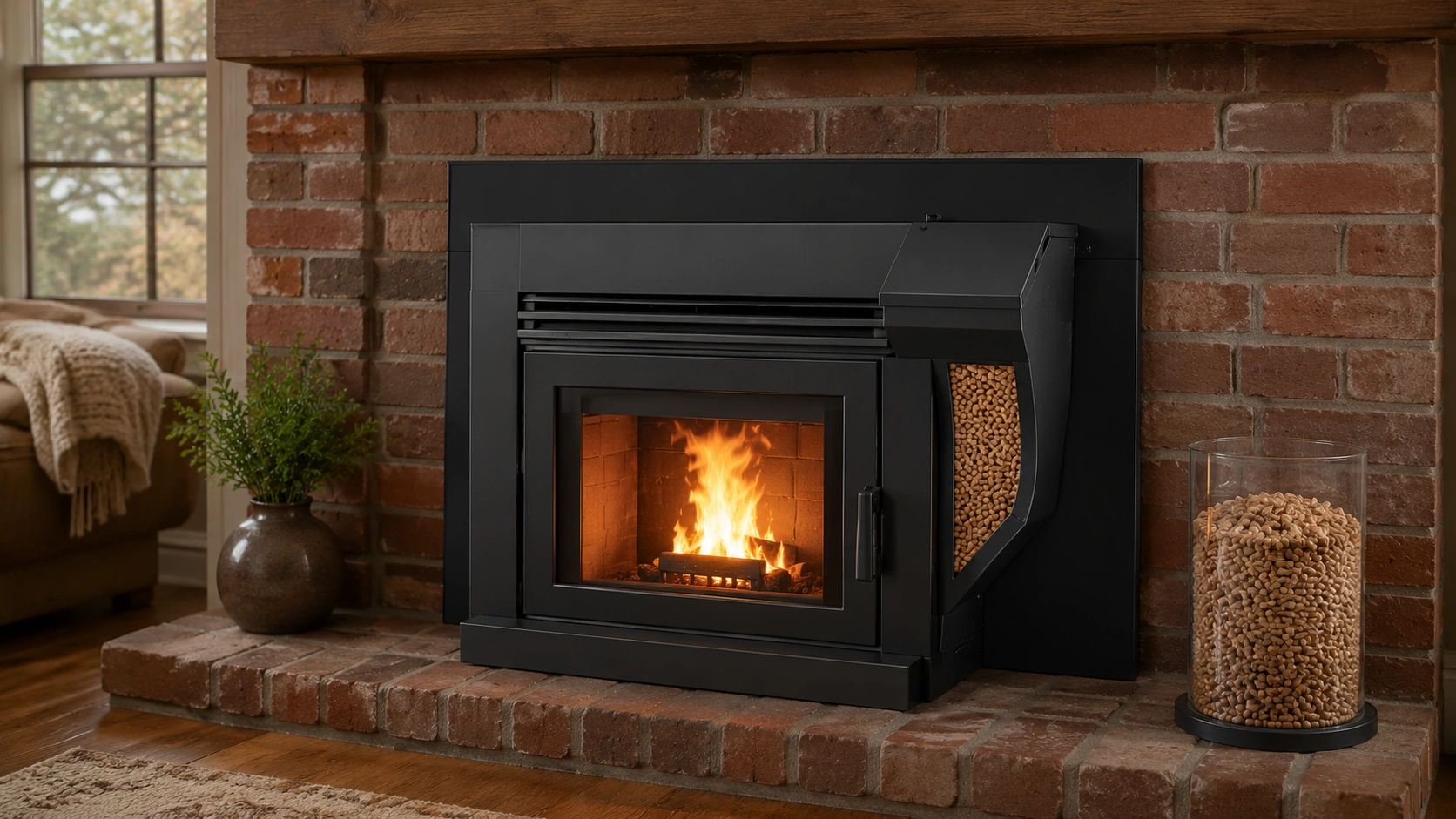
Pellet Inserts
Combining the efficiency of gas with the eco-friendliness of alternative fuels, pellet inserts offer automated feeding with stove-like performance and consistent heat output.
- 70-83% efficiency rating
- Automated pellet feeding
- Requires electricity for operation
- Price range: $1,500-$3,500
Insert Type Comparison
| Feature | Electric Insert | Gas Insert | Wood Insert | Pellet Insert |
|---|---|---|---|---|
| Heating Efficiency | 99% | 70-80% | 60-80% | 70-83% |
| Venting Required | No | Yes (Direct or B-vent) | Yes (Chimney) | Yes (Exhaust vent) | Heat Output (BTU) | 4,500-5,000 | 20,000-60,000 | 40,000-80,000 | 30,000-70,000 |
| Flame Without Heat | Yes | No | No | No |
| Installation | DIY friendly | Professional only | Professional only | Professional only |
| Annual Fuel Cost | $15-$40 | $200-$600 | $300-$1,200 | $250-$900 |
How to Size Your Insert
Sizing Rule of Thumb:Measure the width and height of your existing fireplace opening, then subtract 1-2 inches on all sides to allow for proper fit. Most inserts come in standard sizes. A properly sized insert should fill 75-90% of the opening while maintaining adequate clearance for expansion and ventilation.
The heating capacity needed depends on room size and insulation quality. As a general guide:
Room Size & BTU Needs
Insert Size Recommendations
Installation Process Overview
While electric inserts are typically DIY-friendly, gas, wood, and pellet inserts usually require professional installation. Proper installation is critical for safety and efficiency.
-
Measure Your Fireplace Opening
Accurately measure the width, height, depth, and back panel dimensions of your existing fireplace. Document these measurements and compare with insert specifications. Consider hiring a professional to verify if modifications are needed to accommodate the insert.
-
Prepare the Opening
Remove the existing damper plate and clean the firebox thoroughly. For brick and stone fireplaces, repair any damaged mortar. For metal fireboxes, check for rust or corrosion that might interfere with installation.
-
Install Venting (Non-Electric Only)
Install appropriate venting system according to local codes. Gas inserts require direct vent or B-vent. Wood inserts need a functioning chimney. Pellet inserts need exhaust venting. Electric inserts require no venting.
-
Position the Insert
Place the insert in the opening, ensuring proper clearances on all sides. Use leveling tools to ensure it's level. Follow manufacturer's specific positioning requirements for optimal performance.
-
Connect Utilities
Connect gas lines (gas), plug in electrical (electric), or connect pellet venting (pellet). Ensure all connections meet local codes and are leak-tested before finalizing.
-
Seal and Finish
Install surround panels and surround trim around the insert to fill gaps. Use high-temperature sealant rated for fireplace use. Add decorative elements like mantels if desired.
Cost Breakdown
Understanding the full cost picture helps you budget appropriately. Total investment typically includes the insert itself plus installation and any necessary modifications to your existing fireplace structure.
Insert Purchase Costs
Installation & Additional Costs
Maintenance Requirements
Regular maintenance ensures optimal performance and safety. Requirements vary significantly by insert type, with electric inserts being the lowest maintenance option.
Electric Insert Maintenance
Minimal maintenance required - simply dust the exterior periodically and clean the glass front. The cleaning process takes about 10 minutes. No professional servicing typically needed unless issues arise.
Gas Insert Maintenance
Annual professional inspection required to check for gas leaks, verify venting integrity, and clean components. Gas maintenance typically costs $150-$300 annually.
Wood Insert Maintenance
Requires annual chimney cleaning and regular creosote removal. Expect higher maintenance than other types due to soot and ash accumulation.
Pellet Insert Maintenance
Requires regular scheduled maintenance including cleaning the burn pot, auger system, and exhaust vent. Professional servicing recommended annually.
Frequently Asked Questions
Can I install a fireplace insert myself?
It depends on the insert type. Electric inserts are designed for DIY installation and typically take 2-4 hours. Gas, wood, and pellet inserts almost always require professional installation due to safety codes, gas line connections, and venting requirements. Improper installation can create serious safety hazards including carbon monoxide poisoning risk. Always check local codes before attempting DIY installation.
Will an insert fit my existing fireplace?
Most inserts are designed to fit standard firebox sizes. Measure your opening carefully and compare with manufacturer specifications. Standard openings include 28"x20", 36"x28", 42"x32", and 48"x36". Some inserts are adjustable to fit multiple sizes. If your opening is non-standard, custom inserts may be available at higher cost.
Do I need a chimney for an electric insert?
No, electric inserts are ventless by design. This makes them ideal for homes without chimneys or for rooms where traditional venting isn't possible. The unit simply plugs into a standard outlet.
How much will an insert save on heating costs?
Savings vary by region and fuel type, but most homeowners save $200-$600 annually with electric inserts and $400-$1,200 with gas inserts due to their superior efficiency. Wood inserts can save even more in areas with low wood costs.
Can I convert my wood fireplace to electric?
Yes, this is one of the most popular insert applications. The process involves removing the existing components, cleaning the firebox, and installing the electric insert. It's a great way to modernize a wood fireplace without expensive structural changes to your home.