The Complete Hearth Fireplace Guide
Everything you need to know about hearth design, materials, installation, and maintenance for the perfect fireplace foundation
EXPLORE HEARTH DESIGNSWhat is a Hearth?
A hearth fireplace refers to the floor area immediately in front of the fireplace opening. While often used interchangeably with the fireplace surround, the hearth specifically denotes the extended floor section that extends into the room, traditionally made from stone, brick, or tile.
The hearth serves both functional and aesthetic purposes. Functionally, it protects the floor from sparks and embers that might escape the firebox. Aesthetically, it creates a defined transition zone between the fireplace and the room, framing the traditional fireplace and providing a visual anchor for the entire installation.
Modern hearth designs have evolved beyond basic functionality to become important design elements that can complement various architectural styles, from modern minimalist to rustic farmhouse aesthetics.

Hearth Materials

Brick Hearths
The most traditional and widely used material. Brick hearths offer classic charm and durability, with prices ranging from $15–$40 per square foot installed. Available in various colors and patterns to match any decor style.

Natural Stone Hearths
Limestone, granite, and slate provide premium aesthetics. Natural stone hearths offer unmatched beauty and longevity, with costs typically $40–$100+ per square foot depending on the stone type and complexity.

Marble Hearths
Luxurious option for elegant spaces. Marble hearths create sophisticated focal points, with prices ranging from $50–$150 per square foot. Requires periodic sealing to maintain appearance.
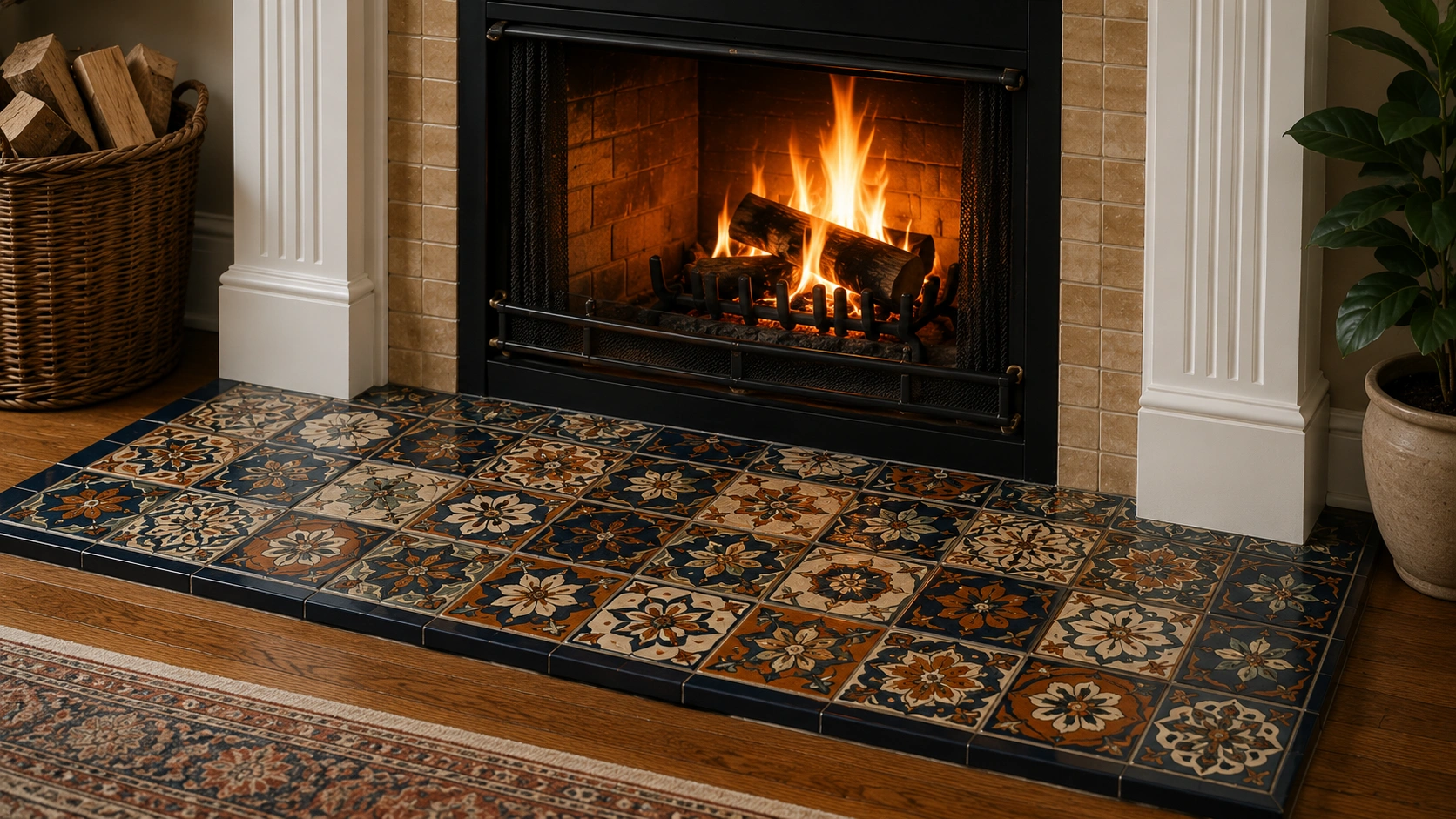
Tile Hearths
Versatile and budget-friendly option. Tile hearths offer endless design possibilities, with costs from $10–$30 per square foot. Easy to clean and available in numerous styles.
Benefits of a Proper Hearth
Safety Protection
The primary function is protecting your flooring from sparks, embers, and ash that might escape from the firebox, preventing fire hazards and floor damage.
Visual Definition
Creates a clear boundary between the fireplace and room, making the fireplace wall look more intentional and professionally designed.
Design Element
Adds architectural interest and can complement other fireplace decor, such as mantels and surround elements.
Increases Home Value
A well-designed hearth enhances your home's appeal and can contribute to increased property value, especially when paired with quality fireplace types.
Easy Maintenance
Properly installed hearths are simple to clean and maintain, especially when using non-porous materials like tile or sealed stone.
Historic Authenticity
For period homes, a traditional hearth maintains architectural authenticity and respects the original design intent of the space.
Hearth Installation Costs
Understanding the cost components helps with budgeting your project:
| Component | Price Range | Notes |
|---|---|---|
| Basic Brick Hearth | $500–$1,500 | Standard installation with basic brick |
| Premium Stone Hearth | $1,500–$4,000 | Natural stone with custom cutting |
| Marble Hearth | $1,200–$3,500 | Elegant polished finish |
| Tile Hearth | $600–$1,800 | Custom tile installation |
| Hearth Extension | $300–$800 | Extending existing hearth |
| Hearth Replacement | $1,000–$3,000+ | Removing old hearth and installing new |
For a comprehensive cost breakdown, see our complete fireplace cost breakdown guide.
Installation Process
Proper installation ensures safety and longevity:
Planning and Preparation
Determine the appropriate depth (typically 16-20 inches from fireplace opening), width, and material. Check local building codes and obtain necessary permits. Follow the fireplace installation guide for requirements.
Foundation Preparation
Prepare the subfloor, ensuring it can support the hearth weight. Install appropriate moisture barrier if needed for concrete or stone installations.
Material Installation
Lay hearth material according to manufacturer specifications, using appropriate mortar or adhesive. Ensure proper slope away from fireplace for safety and water drainage.
Finishing
Apply sealant to natural stone, grout tile joints, and clean all surfaces. Allow proper curing time before use.
Safety Inspection
Verify proper clearance from firebox, stability, and compliance with local fire codes before considering the project complete.
Maintenance Guide
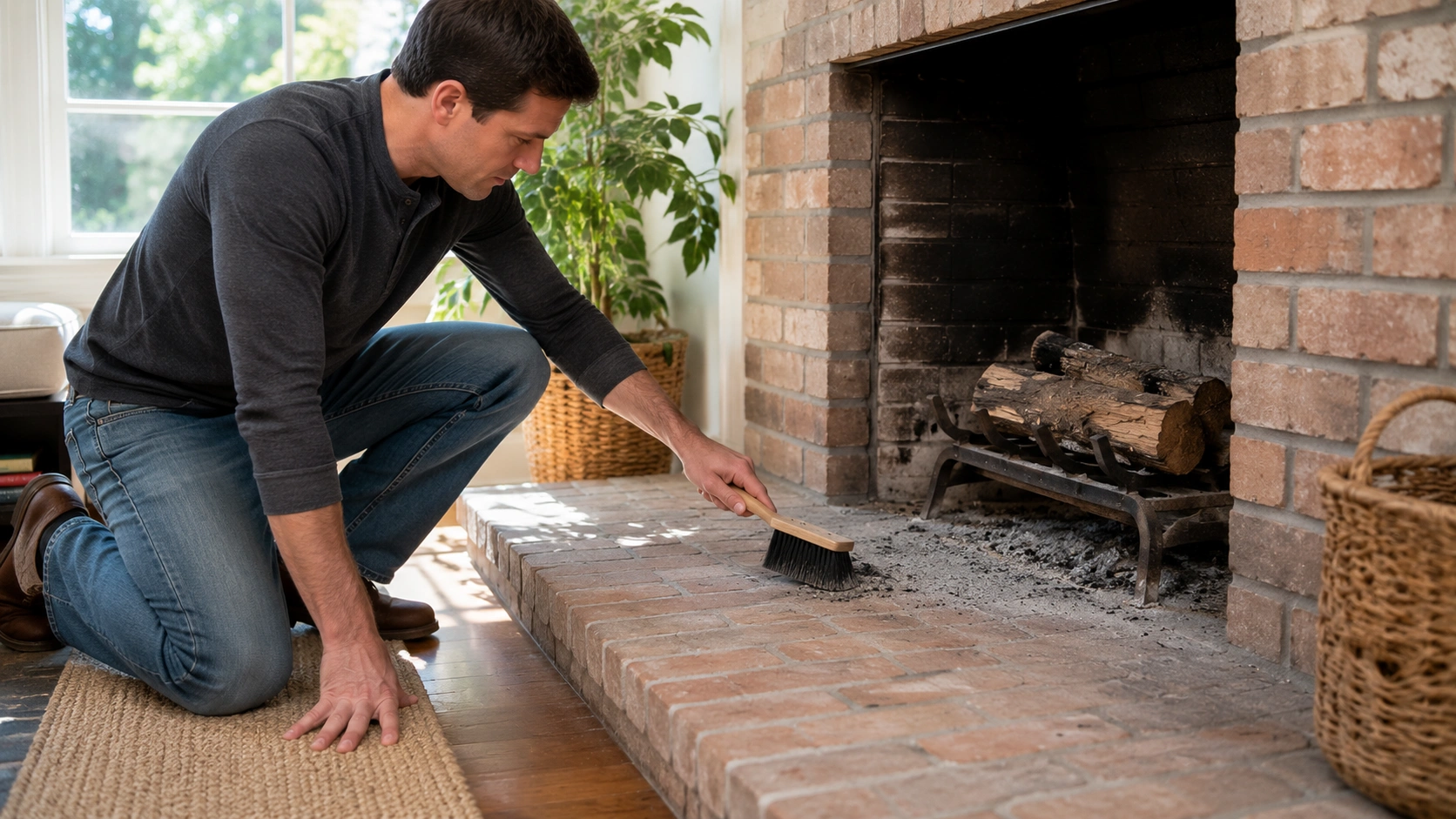
Regular Cleaning
Vacuum or sweep regularly to remove ash and debris. For deep cleaning of brick and stone hearths, use appropriate cleaners and methods.
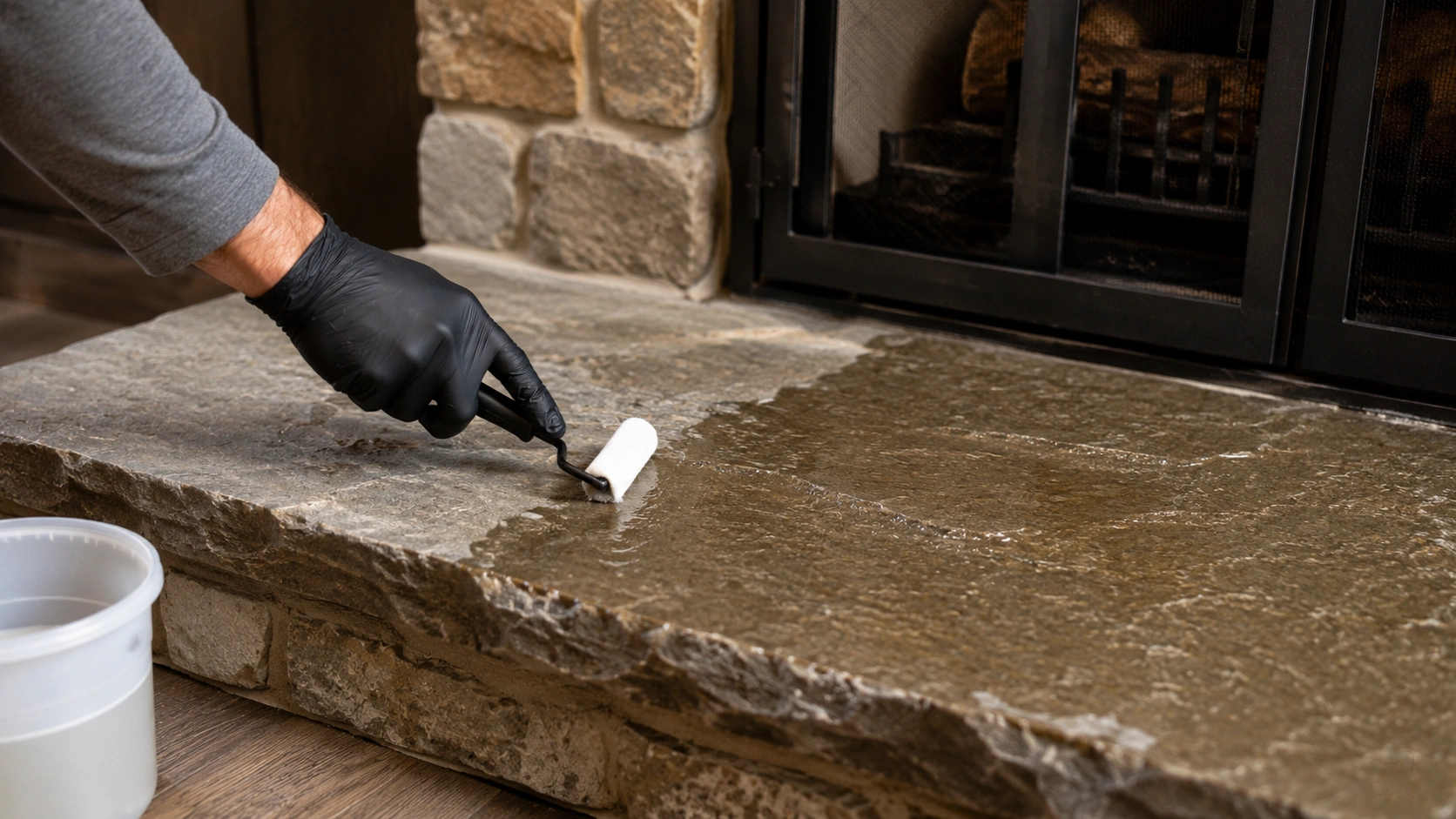
Stone Sealing
Natural stone and marble hearths require periodic sealing to prevent staining. Apply quality stone sealer every 1-3 years depending on use and material.
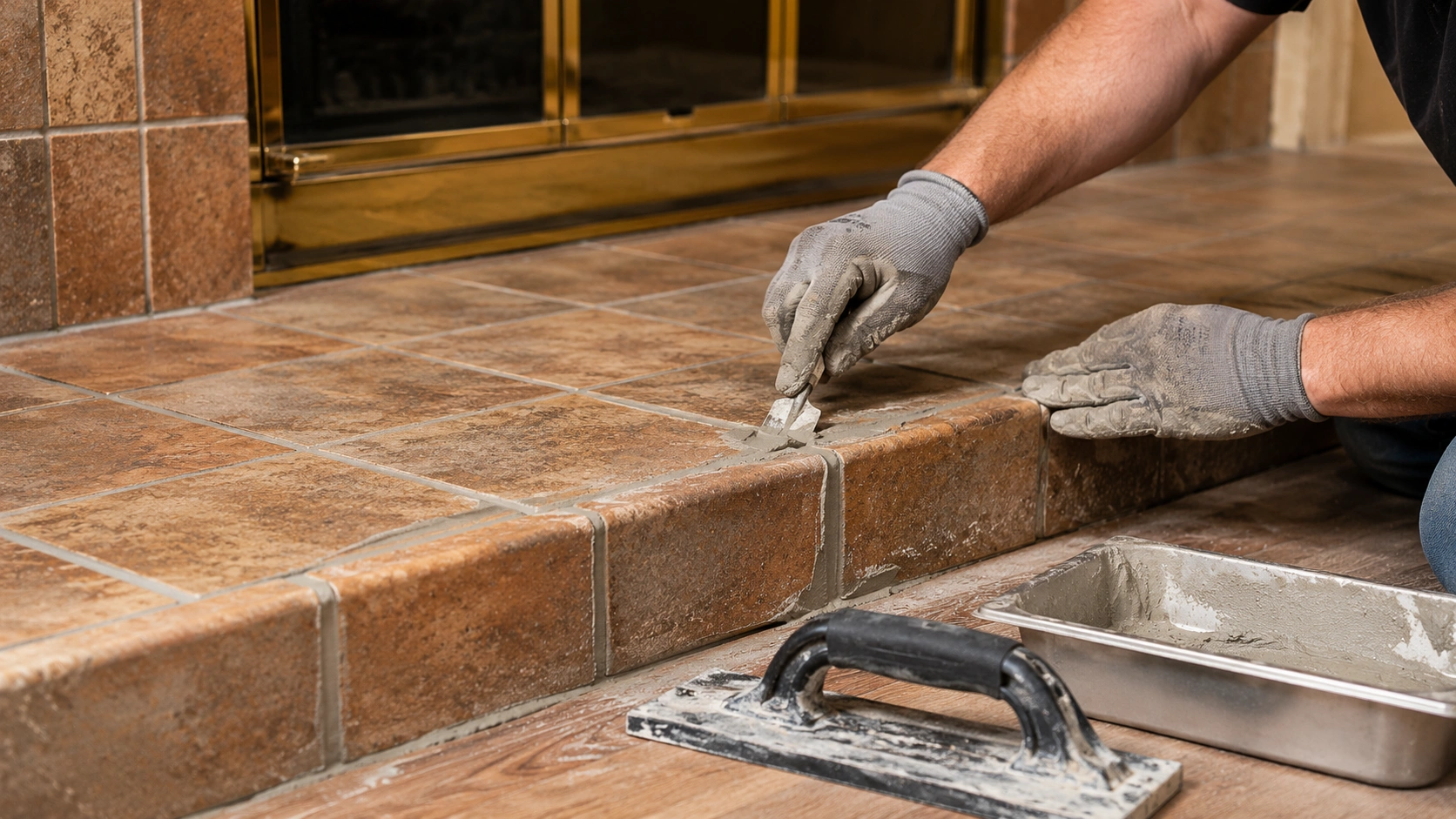
Grout Maintenance
Inspect tile hearths annually for cracked or crumbling grout. Repair promptly to prevent water damage and maintain structural integrity.
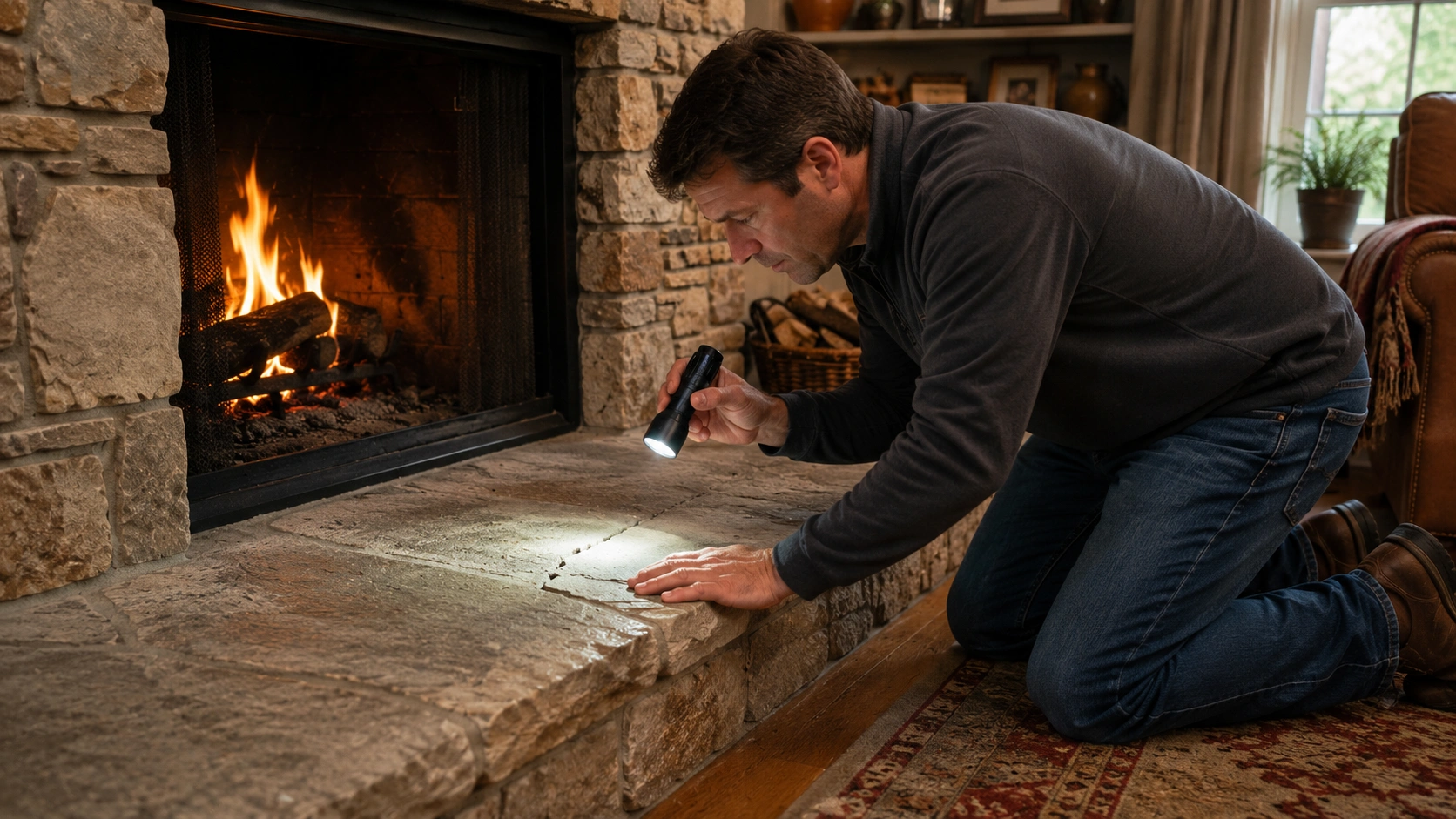
Annual Inspection
Check for cracks, loose tiles, or shifting. Include hearth inspection in your annual fireplace inspection routine.
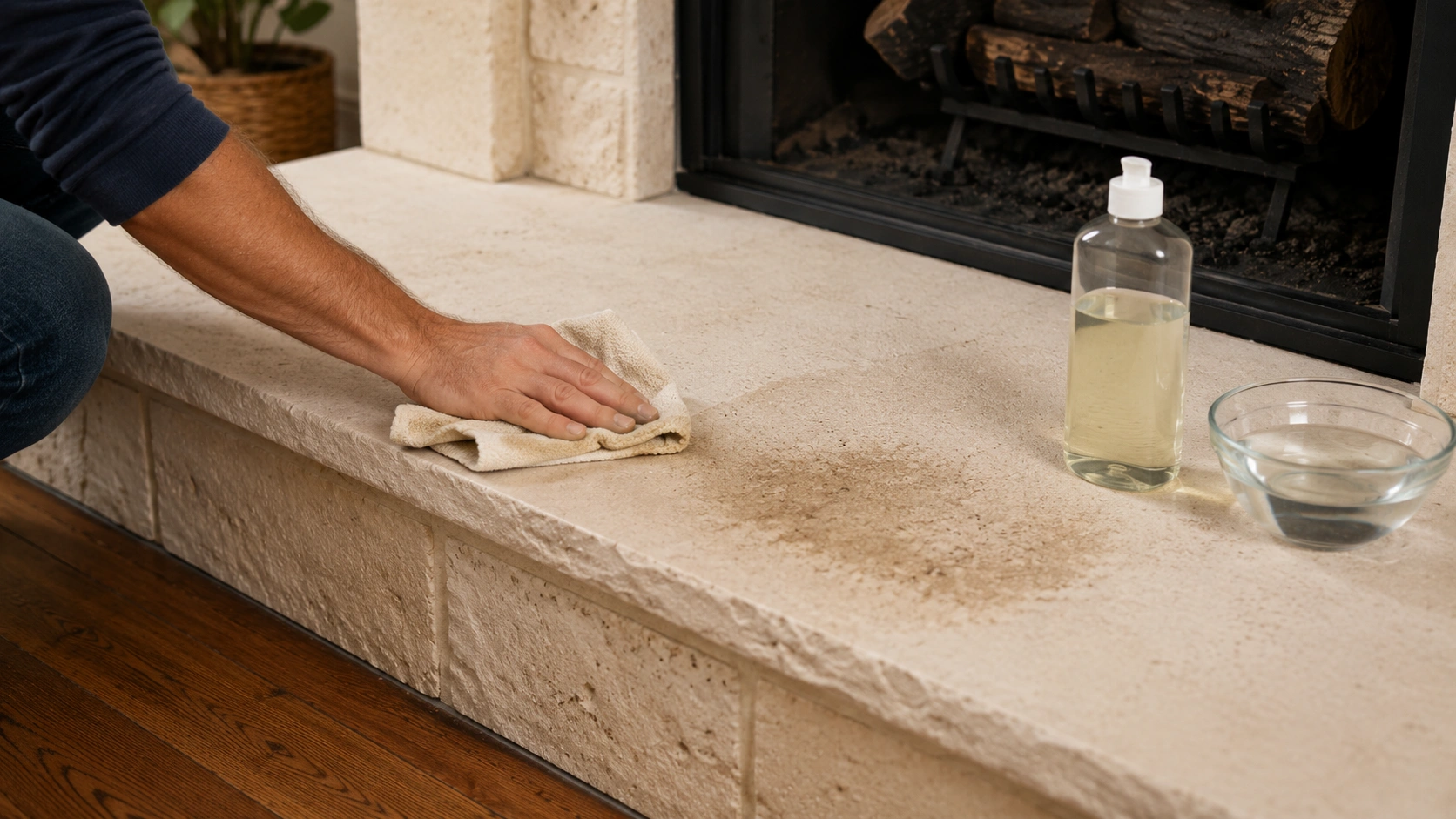
Stain Removal
Address spills immediately. Use appropriate cleaning solutions for different materials to prevent permanent staining and maintain appearance.
Frequently Asked Questions
How deep should a hearth be?
The standard hearth depth is 16-20 inches from the fireplace opening. This provides adequate protection while maintaining a comfortable distance for seating. Local building codes may specify minimum requirements based on your fireplace type.
Can I install a hearth myself?
Basic installations are possible for experienced DIYers, but complex projects involving heavy stone or extensive modifications may require professional installation. Consider the DIY vs professional installation factors before deciding.
Do electric fireplaces need hearths?
While not required for safety, many homeowners choose to add decorative hearths to electric fireplaces for aesthetic purposes. The hearth creates a more authentic look even without real flames.
What's the difference between a hearth and surround?
The hearth is the floor extension, while the surround encompasses the sides and top of the fireplace opening. Together, they create the complete frame around the firebox.
How long does a hearth last?
With proper maintenance, a quality hearth can last 50-100+ years. Natural stone hearths typically outlast brick when properly sealed and maintained.
Can I add a hearth to an existing fireplace?
Yes, a hearth can usually be added to an existing fireplace. The process may involve extending the base area and matching materials to the current fireplace design. Professional installation is recommended for masonry modifications.
How long does installation take?
Most hearth installations take 1-3 days, depending on complexity. Simple tile hearths can be done in a day, while custom stone work may require several days including curing time.