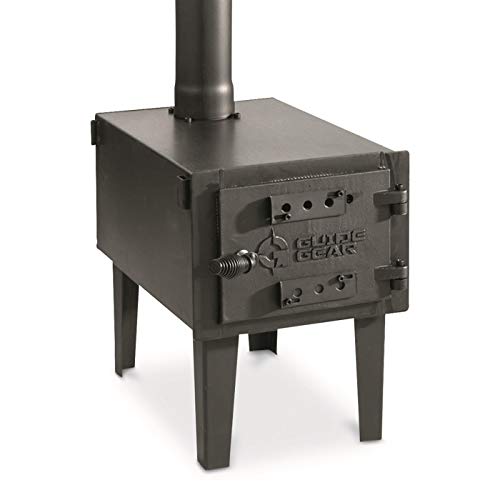
Wood Burning Fireplaces: The Complete Guide
Everything you need to know about wood burning fireplaces, from installation and maintenance to efficiency and costs, to make the best choice for your home.
EXPLORE BUYING GUIDEWhy Choose a Wood Burning Fireplace? Wood burning fireplaces offer unmatched ambiance, reliable heat during power outages, and the authentic crackling sound that no other fireplace type can replicate. This comprehensive guide will help you understand everything about wood burning fireplaces to make an informed purchase decision.
What is a Wood Burning Fireplace?
A wood burning fireplace is a traditional heating appliance that uses combustible wood as its fuel source. Unlike gas fireplaces or electric alternatives, wood burning fireplaces require physical wood logs and create real flames through the combustion process. They come in various styles, from classic traditional designs to more modern interpretations.
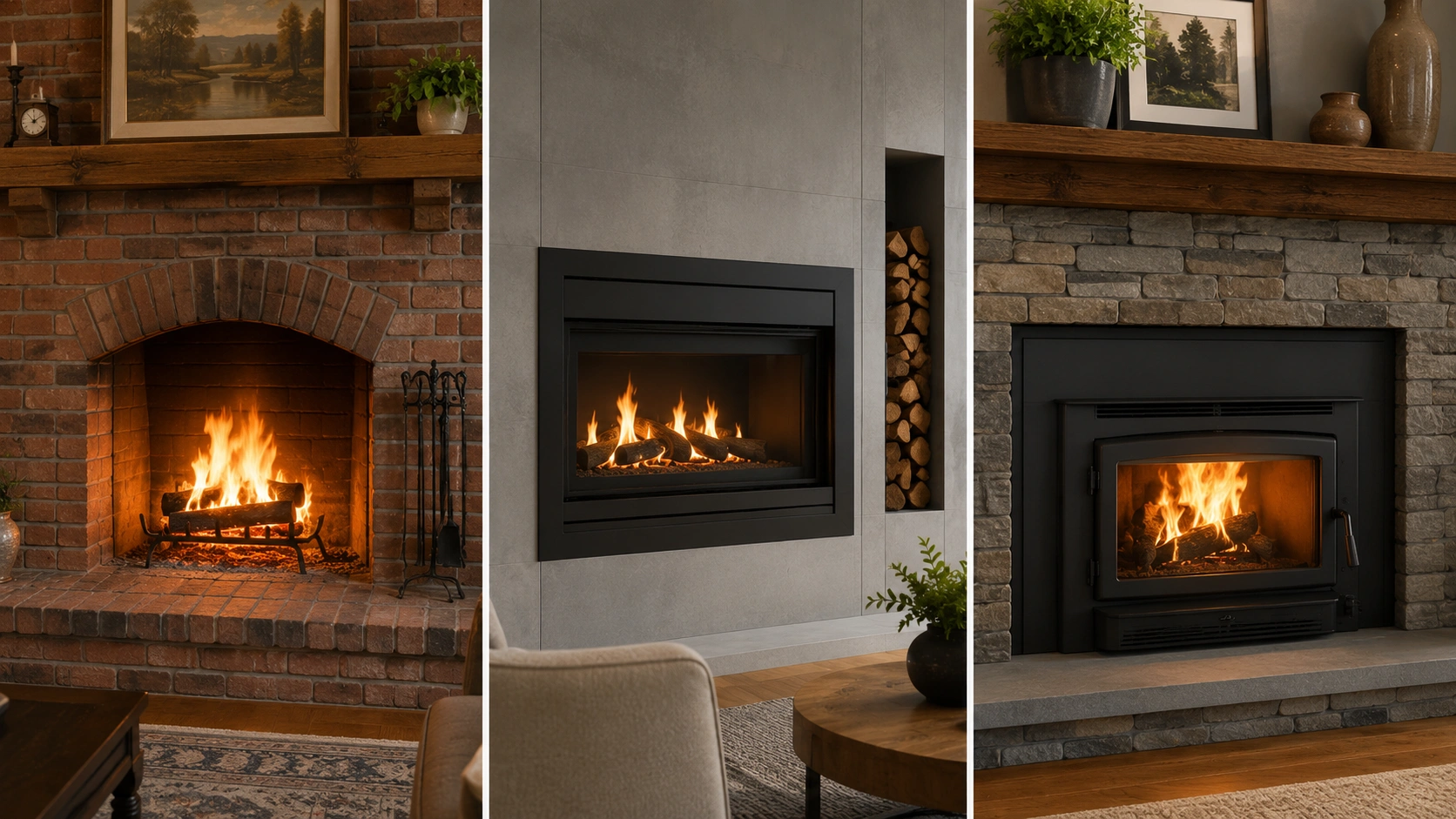
Wood burning fireplaces operate on a simple principle: wood is placed in the firebox, ignited, and as it burns, it produces heat through radiation and convection. The smoke and combustion byproducts are vented outside through a chimney or flue system, making proper ventilation essential for safe operation.
Types of Wood Burning Fireplaces
Wood burning fireplaces come in several distinct types, each with its own advantages, installation requirements, and aesthetic appeal:
1. Masonry Fireplaces
Masonry fireplaces are built on-site using bricks, stone, or other masonry materials. These are often found in older homes and can be customized to match the home's architecture. They're extremely durable and can last for generations with proper maintenance. However, they require significant structural support and are the most expensive to install, typically costing $3,500-$10,000 or more.
2. Prefabricated Fireplaces
Also known as factory-built or zero-clearance fireplaces, these units are manufactured in a factory and installed as a complete system. They're designed to be installed close to combustible materials (hence "zero-clearance") and are more affordable than masonry options, typically ranging from $1,500-$4,000 including installation. They come in various styles to complement different fireplace design ideas.

3. Fireplace Inserts
Fireplace inserts are self-contained units that can be installed into an existing fireplace surround. They're an excellent option for upgrading an inefficient open fireplace to a more efficient heating system. Wood burning inserts typically cost $1,200-$3,500 and can dramatically improve heating efficiency. Learn more about the differences in our freestanding vs insert fireplace comparison.
4. Freestanding Wood Stoves
While technically not fireplaces in the traditional sense, wood stoves are a popular alternative for those seeking the ambiance of wood burning with greater heating efficiency. They can be positioned anywhere in a room with proper venting and typically cost $1,000-$3,500. For a detailed comparison, see our stove fireplaces guide.
5. Outdoor Wood Burning Fireplaces
Designed for patios, decks, and outdoor living spaces, these fireplaces extend your living area and provide warmth for outdoor entertaining. They range from simple fire pits to elaborate masonry structures, with prices typically between $500-$5,000. Check out our outdoor fireplaces section for more options.
Benefits of Wood Burning Fireplaces
Wood burning fireplaces offer numerous advantages that make them a preferred choice for many homeowners:
- Authentic Ambiance: Nothing replicates the crackling sound, distinct aroma, and dancing flames of a real wood fire. This creates a warm, inviting atmosphere that enhances any living room design.
- Emergency Heating: Unlike gas or electric options, wood fireplaces continue to work during power outages, providing crucial heat when other systems fail.
- Lower Operating Costs: In many areas, firewood is significantly cheaper than gas or electricity as a heating fuel, especially if you have access to free or low-cost wood.
- Energy Independence: Wood is a renewable resource that doesn't depend on utility companies or fossil fuel markets.
- Increased Home Value: A well-maintained wood burning fireplace can increase your home's resale value. Learn more about how fireplaces affect home value.
- Cooking Capability: Many wood fireplaces can be used for cooking during emergencies or for the unique flavor that wood-fired cooking provides.
- Carbon Neutrality: When sustainably harvested, wood is considered a carbon-neutral fuel as the carbon released during burning is equal to what the tree absorbed during growth.

Considerations and Challenges
While wood burning fireplaces offer many benefits, they also come with certain challenges that potential buyers should consider:
- Higher Maintenance Requirements: Wood fireplaces require regular cleaning of the firebox, ash removal, and annual chimney cleaning to prevent creosote buildup and ensure safe operation.
- Lower Efficiency: Traditional open wood fireplaces can have efficiency ratings as low as 10-20%, meaning most of the heat escapes up the chimney. Modern fireplace inserts can achieve 70-80% efficiency.
- Indoor Air Quality Concerns: Wood smoke contains particulates and potentially harmful compounds. Proper ventilation is essential, and those with respiratory issues should consult a doctor before installing a wood fireplace.
- Wood Storage Requirements: You'll need space to store firewood properly, protected from moisture, with adequate seasoning time (typically 6-12 months).
- Local Regulations: Some areas have restrictions on wood burning, especially during air quality alerts or in new construction. Check local permit requirements before installation.
- Physical Effort: Using a wood fireplace requires storing, carrying, and loading wood, as well as regular ash removal—tasks not required with gas or electric options.
Safety Warning
Wood burning fireplaces produce carbon monoxide and other combustion byproducts. Always install carbon monoxide detectors near your fireplace and have your chimney professionally inspected annually to prevent dangerous buildup and ensure safe operation. Learn about carbon monoxide signs from fireplaces.
Efficiency and Heating Capacity
Understanding the efficiency and heating capacity of wood burning fireplaces is crucial for making an informed decision:
Efficiency Ratings
Wood burning fireplace efficiency varies dramatically by type:
| Fireplace Type | Typical Efficiency | Best For |
|---|---|---|
| Traditional Open Masonry | 10-20% | Ambiance only |
| Prefabricated Zero-Clearance | 30-50% | Moderate heating |
| Wood Burning Insert | 70-80% | Primary heating |
| Freestanding Wood Stove | 70-85% | Primary heating |
Heating Capacity
The heating capacity of a wood burning fireplace is measured in BTUs (British Thermal Units) and depends on the size of the firebox and the type of fireplace. To properly size your fireplace, you'll need to calculate the BTU requirements for your space.
As a general guide:
- Small fireplaces (30,000-40,000 BTUs) can heat 800-1,200 square feet
- Medium fireplaces (40,000-60,000 BTUs) can heat 1,200-2,000 square feet
- Large fireplaces (60,000-100,000+ BTUs) can heat 2,000-3,000+ square feet
For detailed guidance on determining the right size for your space, see our fireplace sizing guide and matching fireplace proportions to room shape.
Installation Requirements
Proper installation is critical for the safety and performance of your wood burning fireplace. Here are the key considerations:
Chimney and Venting
All wood burning fireplaces require proper venting through a chimney or flue system. The chimney must be appropriately sized for the fireplace, extend above the roofline to ensure proper draft, and be constructed of materials that can withstand high temperatures. Learn more about chimney and vent requirements.

Clearances and Safety Zones
Wood burning fireplaces require specific clearances from combustible materials:
- Minimum 36 inches clearance from the fireplace opening to any combustible materials (for masonry fireplaces)
- Manufacturer-specified clearances for prefabricated units (often less than masonry)
- Proper floor protection extending at least 16 inches in front of the fireplace
- Adequate furniture distance from the fireplace
Foundation and Structural Support
Heavy masonry fireplaces require substantial foundation support, while lighter prefabricated units may only need standard floor support. Consult with a structural engineer for proper assessment.
Professional Installation Recommendation
While some experienced DIYers may tackle certain aspects of wood fireplace installation, we strongly recommend professional installation for most homeowners. Improper installation can lead to house fires, carbon monoxide poisoning, and other serious hazards. Check our guide on DIY vs professional fireplace installation to make an informed decision.
Cost Breakdown
The total cost of a wood burning fireplace includes the unit itself, installation, and ongoing expenses. Here's what to expect:
Initial Costs
For a more detailed analysis, see our fireplace cost breakdown and comparison of hidden costs of owning a fireplace.
Ongoing Costs
- Firewood: $150-$500 per cord (depending on your region and wood type), with most homes using 2-4 cords per season
- Annual Inspection and Cleaning: $150-$300
- Minor Repairs and Maintenance: $100-$300 annually
- Homeowner's Insurance: May increase slightly due to the fireplace
Compare these costs with other options in our guide to electric vs gas fireplace running costs and which fireplace saves money long-term.
Maintenance Requirements
Proper maintenance is essential for safety, efficiency, and longevity of your wood burning fireplace:
Daily Maintenance
Remove ashes when they build up to more than an inch deep, leaving a small layer to insulate the firebox. Use a proper fireplace shovel set and dispose of ashes in a metal container with a tight-fitting lid, stored outside away from combustible materials. See our ash removal and disposal guide for detailed instructions.
Weekly Maintenance
Clean the fireplace glass doors (if applicable) to remove soot buildup. Check the damper to ensure it opens and closes properly. Inspect the firebox for cracks or deterioration.
Seasonal Maintenance
At the beginning of each heating season, schedule a professional inspection and cleaning. This should include a thorough chimney cleaning to remove creosote buildup, inspection of all components, and verification of proper draft. Follow our winter fireplace preparation guide for a complete checklist.
Annual Maintenance
Conduct a comprehensive inspection of the entire system, including the chimney exterior, flashing, cap, and crown. Address any repairs before the next heating season. See our annual fireplace inspection guide for details.
For a complete maintenance schedule, check our wood fireplace maintenance guide and monthly and yearly maintenance schedule.
Common Problems and Solutions
Wood burning fireplaces can experience several common issues. Here are the most frequent problems and their solutions:
Smoke Backing Into the Room
If smoke is coming into your room instead of going up the chimney, several factors could be responsible:
- Chimney blockage from creosote buildup or debris - requires professional cleaning
- Improper draft due to negative air pressure in the home - may need to crack a window or install an outside air kit
- Chimney too short relative to the roofline - may need extension
- Wet or unseasoned wood creating excess smoke - use properly dried wood
For detailed troubleshooting, see our guide to fireplace smoke problems and fireplace draft issues.
Excessive Creosote Buildup
Creosote is a byproduct of incomplete combustion that accumulates in the chimney and can cause chimney fires if not removed. To minimize buildup:
- Burn only dry, seasoned hardwood
- Ensure hot, vigorous fires rather than slow, smoldering ones
- Maintain proper airflow by not overloading the fireplace
- Schedule regular creosote prevention and removal
Difficult to Start or Maintain Fire
Proper fire-building technique is essential:
- Start with small kindling and gradually add larger pieces
- Use the top-down fire building method for more efficient burning
- Ensure the damper is fully open before lighting
- Use dry, well-seasoned wood - moisture content should be below 20%
Chimney Odors
Unpleasant odors from your chimney, especially during summer, are often caused by:
- Creosote deposits - requires cleaning
- Moisture entering the chimney - may need a chimney cap or repairs
- Animals or debris in the chimney - requires removal
See our guide to fireplace musty smells for more solutions.
When to Call a Professional
While many minor issues can be addressed by homeowners, certain problems require professional attention. If you experience persistent smoke issues, notice structural damage, suspect a chimney fire, or have any safety concerns, contact a certified chimney sweep immediately. Learn about when to call a chimney sweep.
Safety Considerations
Safety should be the top priority when operating a wood burning fireplace:
- Install Carbon Monoxide Detectors: Place detectors on every level of your home, especially near sleeping areas. Test them regularly and replace batteries as needed.
- Use a Fireplace Screen: Always use a fireplace screen or doors to prevent sparks and embers from escaping into the room.
- Keep Combustibles Away: Maintain at least 3 feet of clearance between the fireplace and any combustible materials like furniture, curtains, or decorations.
- Never Leave Unattended: Always extinguish the fire completely before leaving home or going to bed. Never leave children unattended near a burning fireplace.
- Proper Ash Disposal: Store ashes in a metal container with a tight lid, outside and away from combustibles, for at least 24 hours before disposal.
- Annual Professional Inspection: Have your chimney and fireplace professionally inspected and cleaned at least once a year.
- Use Proper Fuel: Burn only dry, seasoned wood. Never burn trash, treated wood, or other inappropriate materials.
Chimney Fire Warning Signs
If you notice a loud roaring sound, dense smoke, or intense heat coming from the chimney, you may be experiencing a chimney fire. Evacuate immediately and call 911. Do not attempt to extinguish a chimney fire yourself. Learn more about fireplace ember safety and prevention.
Design and Aesthetics
Wood burning fireplaces offer numerous design possibilities to enhance your home's aesthetic:
Fireplace Surrounds
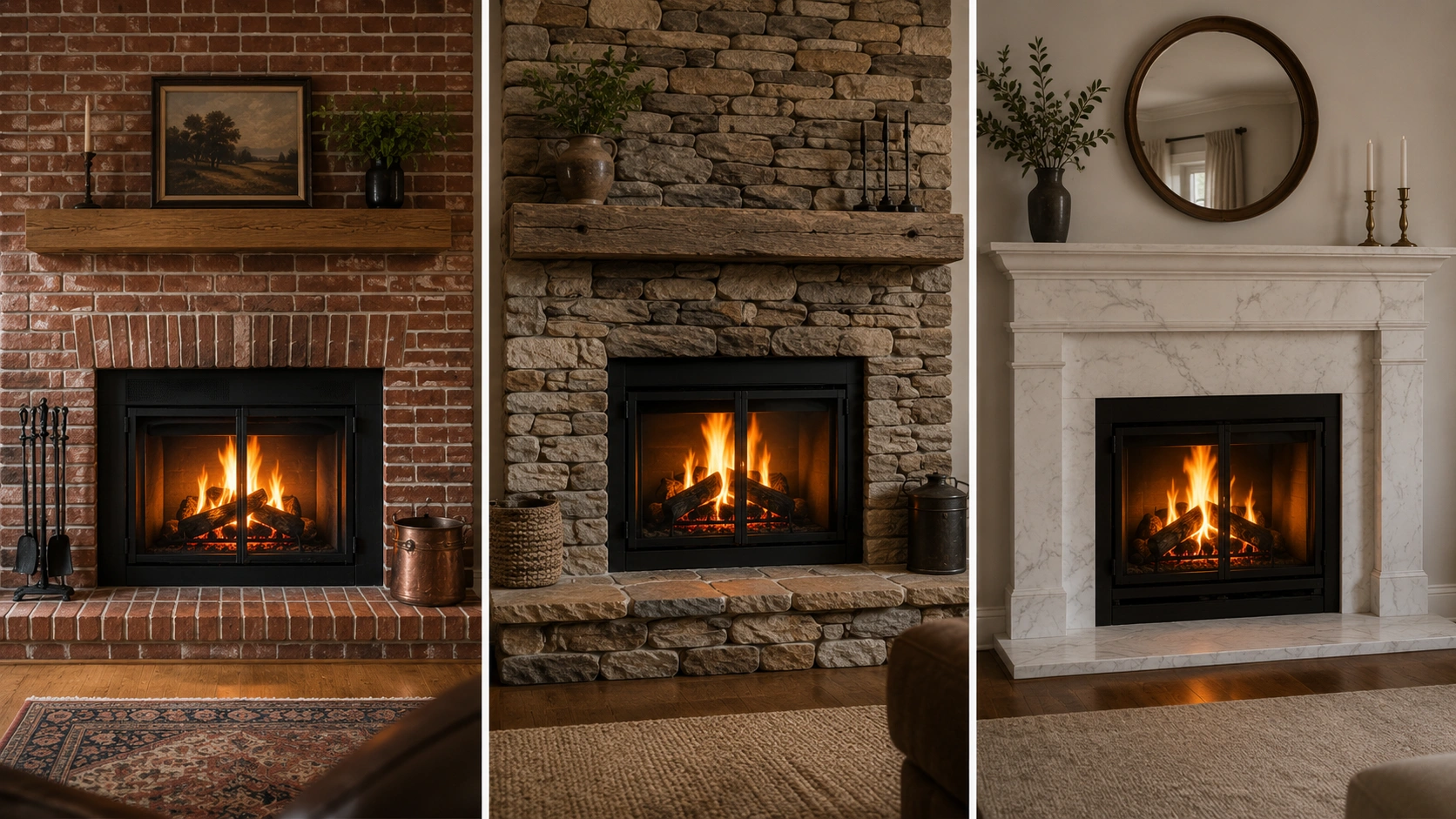
The surround is the decorative framework around the fireplace opening. Popular options include:
- Brick surrounds for a classic, traditional look
- Stone surrounds for a rustic, natural appearance
- Marble surrounds for an elegant, formal feel
- Tiled surrounds for colorful, customizable designs
Mantels
A fireplace mantel provides both function and aesthetic appeal. Options range from simple wooden shelves to elaborate carved designs. The mantel also offers a display space for seasonal decorations and personal items.
Hearths
The hearth is the floor area immediately in front of the fireplace. It serves both as a safety feature and a design element. Materials include brick, stone, tile, or concrete, and can extend the visual impact of your fireplace.
Integration with Room Design
Consider how your wood burning fireplace will integrate with the overall room design:
- Living room integration - Position as a focal point with complementary furniture arrangement
- Bedroom placement - Create a romantic, cozy atmosphere with proper safety considerations
- Corner installation - Maximize space efficiency in smaller rooms
- TV integration - Carefully consider safety factors when mounting TVs above fireplaces
Environmental Impact
Understanding the environmental implications of wood burning is important for making an informed decision:
Carbon Neutrality
When sustainably harvested, wood is considered a carbon-neutral fuel source. The carbon dioxide released during combustion is roughly equal to what the tree absorbed during growth, creating a closed carbon cycle. However, this balance depends on responsible forestry practices and efficient burning.
Emissions and Air Quality
Wood burning does release particulates and other pollutants into the air. Modern EPA-certified wood burning appliances produce significantly fewer emissions than older models:
- Pre-EPA fireplaces: 30-80 grams per hour of particulate emissions
- EPA-certified fireplaces: 4.1-7.5 grams per hour
- The most efficient models: Less than 2 grams per hour
Sustainable Wood Sourcing
To minimize environmental impact:
- Source wood from local, sustainably managed forests
- Consider using deadfall or damaged trees when possible
- Plant trees to replace those harvested for firewood
- Avoid transporting wood long distances, which increases carbon footprint
Compare the environmental impact with other options in our guide to most energy-efficient fireplace types.
Wood Burning vs. Other Fireplace Types
Understanding how wood burning fireplaces compare to alternatives can help you make the best choice for your needs:
| Feature | Wood Burning | Gas | Electric |
|---|---|---|---|
| Authentic Flame | Yes - Real | Realistic simulated | Simulated |
| Heat Output | High (varies by type) | Medium-High | Low-Medium |
| Efficiency | 10-85% (varies widely) | 70-90% | 99-100% |
| Installation Complexity | High | Medium-High | Low |
| Venting Required | Yes - Chimney | Yes or No (depending on type) | No |
| Maintenance | High | Medium | Low |
| Operating Cost | Low-Medium | Medium-High | Medium |
| Works During Power Outage | Yes | Most models - No | No |
For detailed comparisons, see our guides on gas vs wood fireplaces, electric vs wood fireplaces, and electric vs gas vs wood fireplace comparison.
Choosing the Right Wood
The type of wood you burn significantly impacts your fireplace's performance, efficiency, and maintenance requirements:
Hardwood vs. Softwood
- Hardwoods (oak, maple, hickory, ash): Denser, burn longer and hotter, produce less smoke, and create less creosote. Ideal for primary heating.
- Softwoods (pine, fir, spruce): Lighter, burn faster and cooler, produce more smoke and creosote. Better for kindling or occasional use.
Proper Seasoning
Wood should be properly dried or "seasoned" before burning:
- Air-dry for at least 6-12 months after splitting
- Stack wood off the ground with good airflow
- Cover the top to protect from rain while leaving sides exposed
- Properly seasoned wood should have moisture content below 20%
- Seasoned wood is lighter, darker in color, and has cracks on the ends
Quick Moisture Test
Strike two pieces of wood together. Properly seasoned wood will produce a sharp crack sound, while wet wood will produce a dull thud. You can also use a moisture meter for more accurate testing.
Making Your Decision
When deciding if a wood burning fireplace is right for you, consider these final factors:
- Primary Use: Is the fireplace primarily for ambiance or heating? This will determine the type and efficiency requirements you need.
- Home Compatibility: Does your home have the necessary structural support, chimney access, and clearances for installation?
- Lifestyle Fit: Are you willing to invest the time and effort required for wood storage, fire building, and maintenance?
- Local Regulations: Are there any restrictions on wood burning in your area?
- Budget: Consider both initial installation costs and ongoing expenses for fuel and maintenance.
- Environmental Concerns: How important is the environmental impact of your heating choice?
For help with your final decision, see our guide on which fireplace is right for your home and pros and cons of each fireplace type.
Conclusion
Wood burning fireplaces offer unmatched ambiance, reliable emergency heating, and a connection to traditional home heating methods. While they require more maintenance and effort than gas or electric alternatives, the authentic experience and potential cost savings make them an excellent choice for many homeowners.
By understanding the different types of wood burning fireplaces, their installation requirements, maintenance needs, and safety considerations, you can make an informed decision that will bring warmth and enjoyment to your home for years to come. Whether you choose a traditional masonry fireplace, an efficient insert, or a freestanding stove, proper selection, installation, and maintenance will ensure your wood burning fireplace remains a beloved feature of your home.
Ready to explore specific wood burning fireplace options? Check out our recommended products below, or continue your research with our comprehensive fireplace buying guide.