Complete Propane Fireplace Guide
Everything you need to know about propane fireplaces: types, costs, installation, and safety considerations
VIEW TOP PICKSWhat Is a Propane Fireplace?
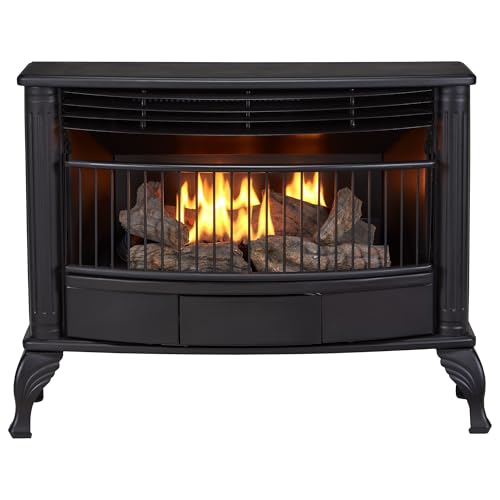
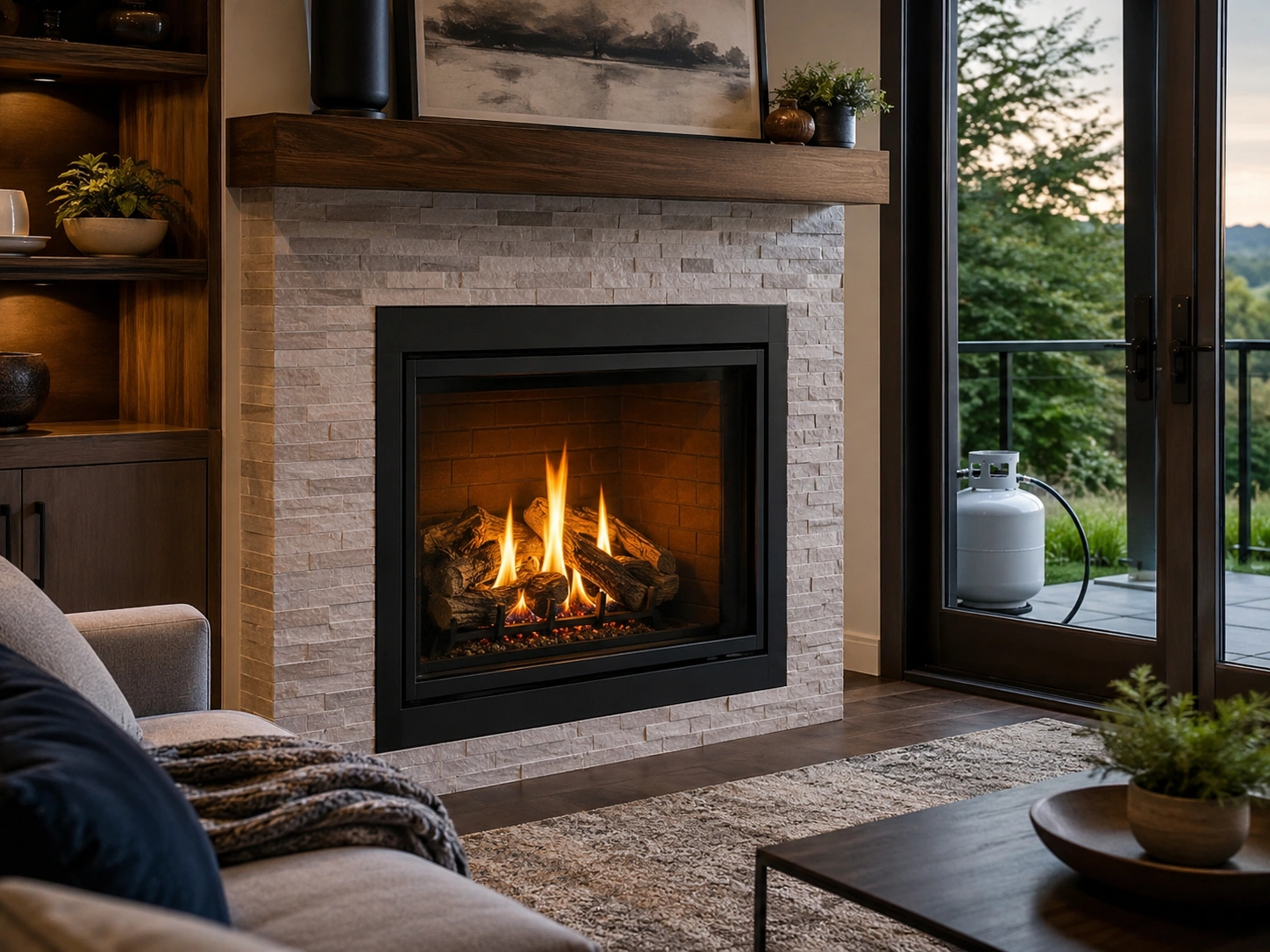
A propane fireplace, also known as an LP (liquefied petroleum) gas fireplace, is a heating appliance that uses propane gas as its fuel source. Unlike natural gas fireplaces that connect to a municipal gas line, propane fireplaces are fueled by propane stored in tanks on your property, making them an excellent option for homes without access to natural gas infrastructure.
Propane fireplaces offer the realistic flame appearance and efficient heating of gas fireplaces while providing greater flexibility in installation location. They come in various styles, from traditional to modern designs, and can be installed as vented or ventless systems depending on your needs and local building codes.
For homeowners considering different fuel options, our comprehensive propane vs. natural gas fireplace comparison can help you determine which fuel source is best for your specific situation.
Types of Propane Fireplaces
Vented Propane Fireplaces
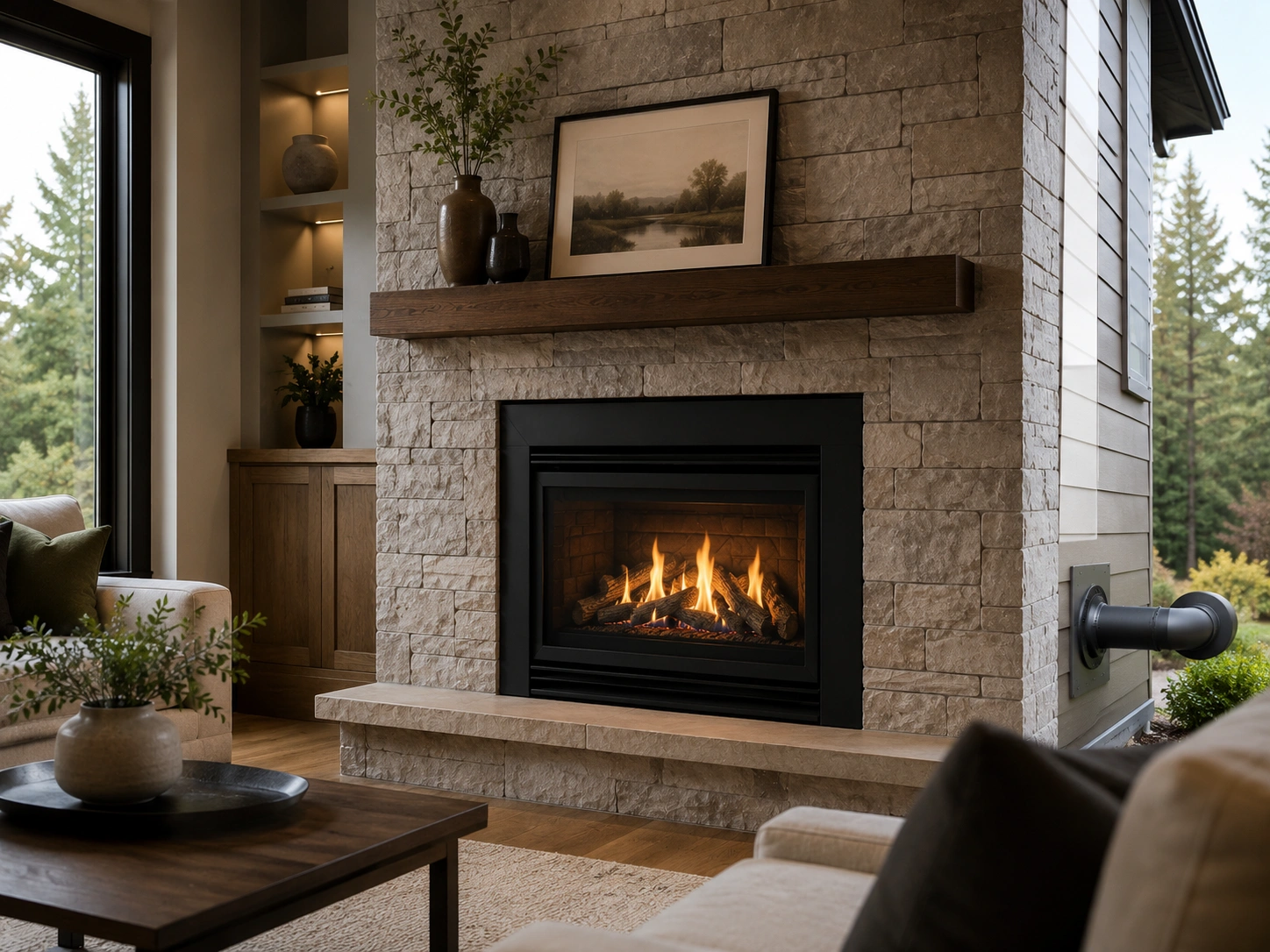
Vented propane fireplaces require a chimney or direct vent system to exhaust combustion byproducts outside. These systems offer the most realistic flame appearance and can be installed in various locations within your home. They provide excellent heating efficiency while maintaining indoor air quality.
For a detailed comparison between venting options, see our guide on vented vs. ventless gas fireplaces.
Ventless Propane Fireplaces
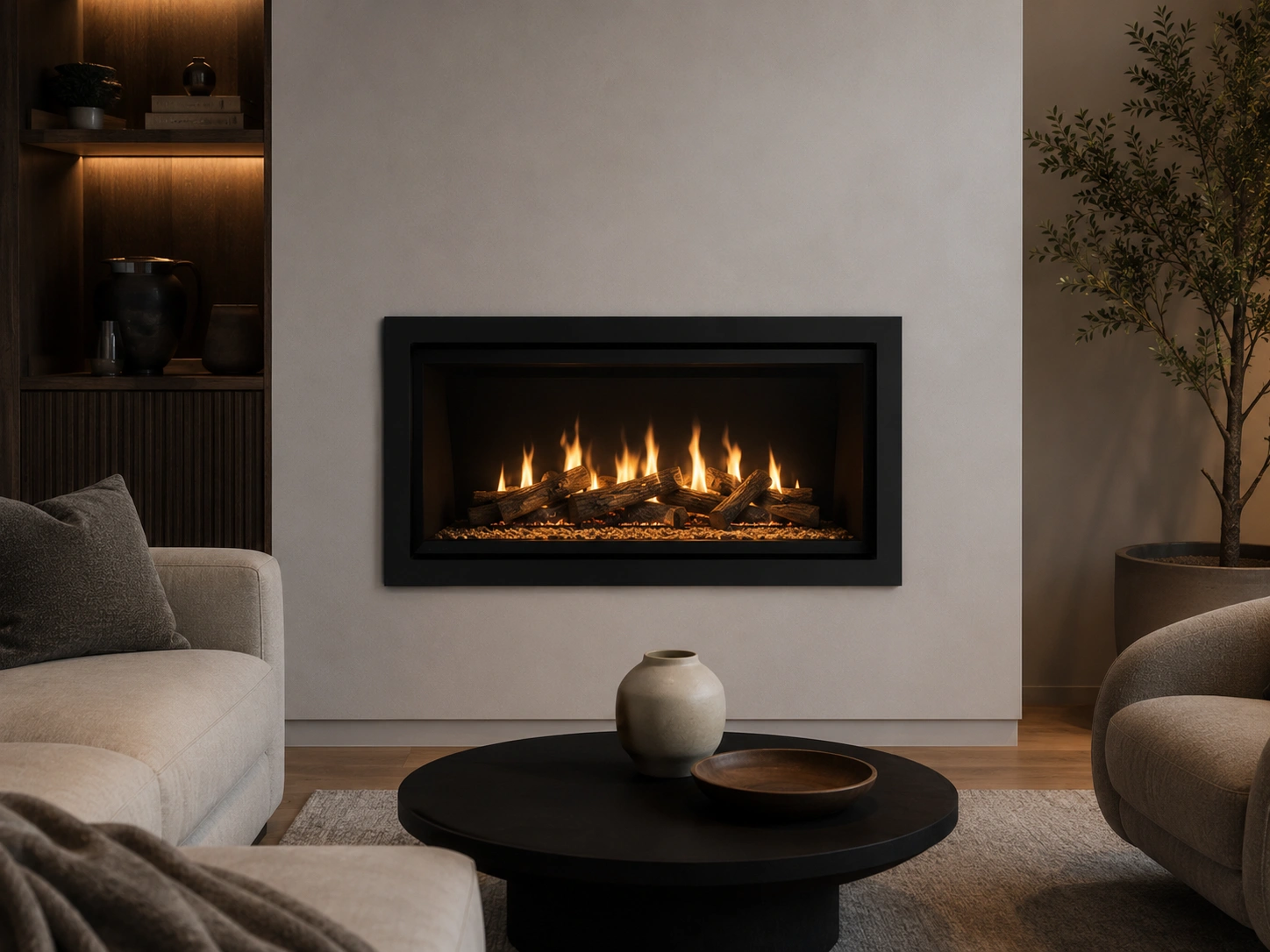
Ventless propane fireplaces don't require a chimney or external venting, making them easier and less expensive to install. They burn propane at nearly 100% efficiency, with almost all heat remaining in the room. However, they do produce some moisture and may not be permitted in all areas due to local building codes.
Learn more about safety considerations in our ventless vs. electric safety comparison.
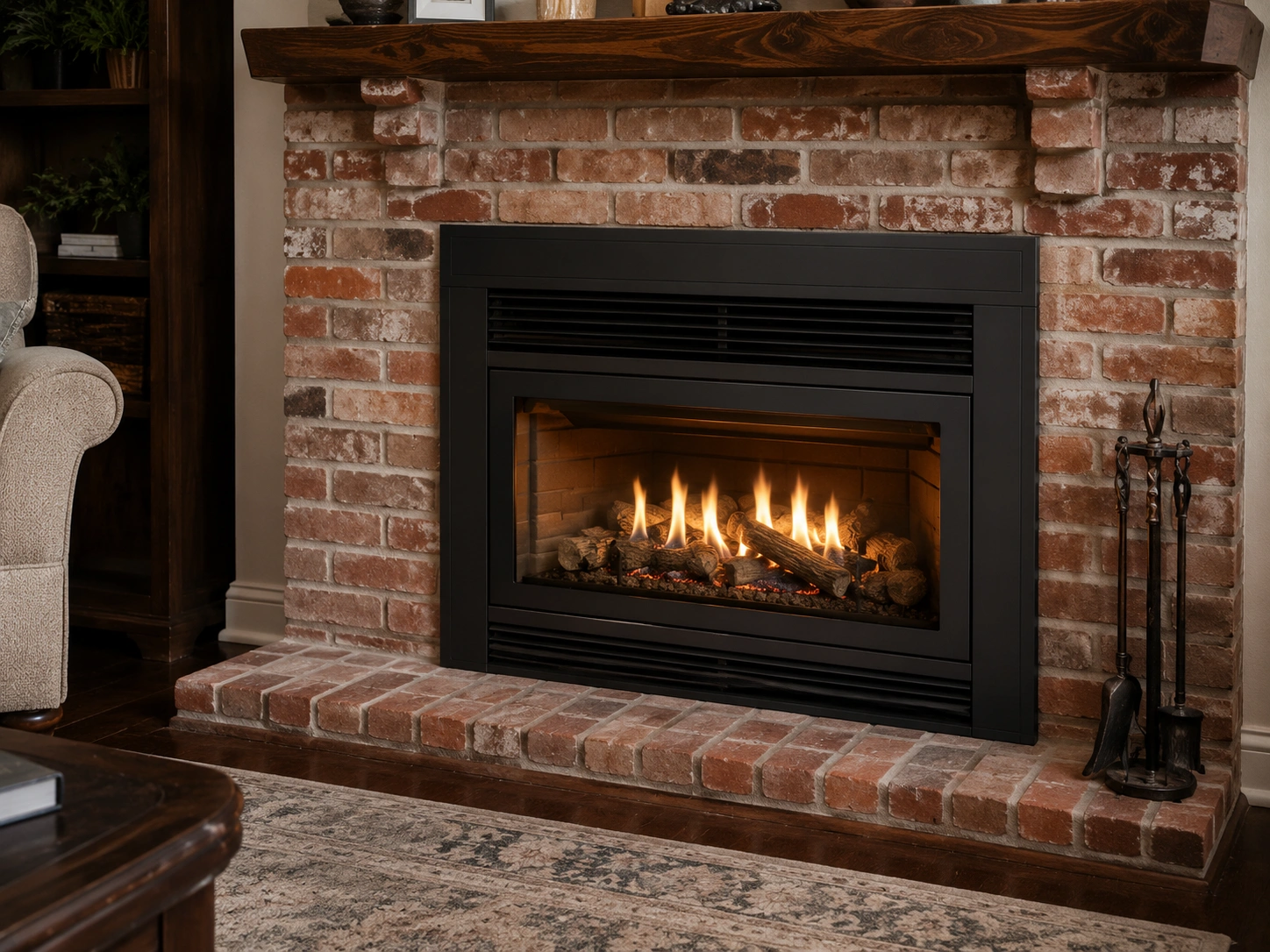
Propane Fireplace Inserts
Propane inserts are designed to be installed inside an existing wood-burning fireplace, converting it to clean-burning propane. They're an excellent option for homeowners who want to upgrade an existing wood-burning fireplace without the mess and maintenance of wood. Inserts typically feature a sealed combustion system for improved efficiency.
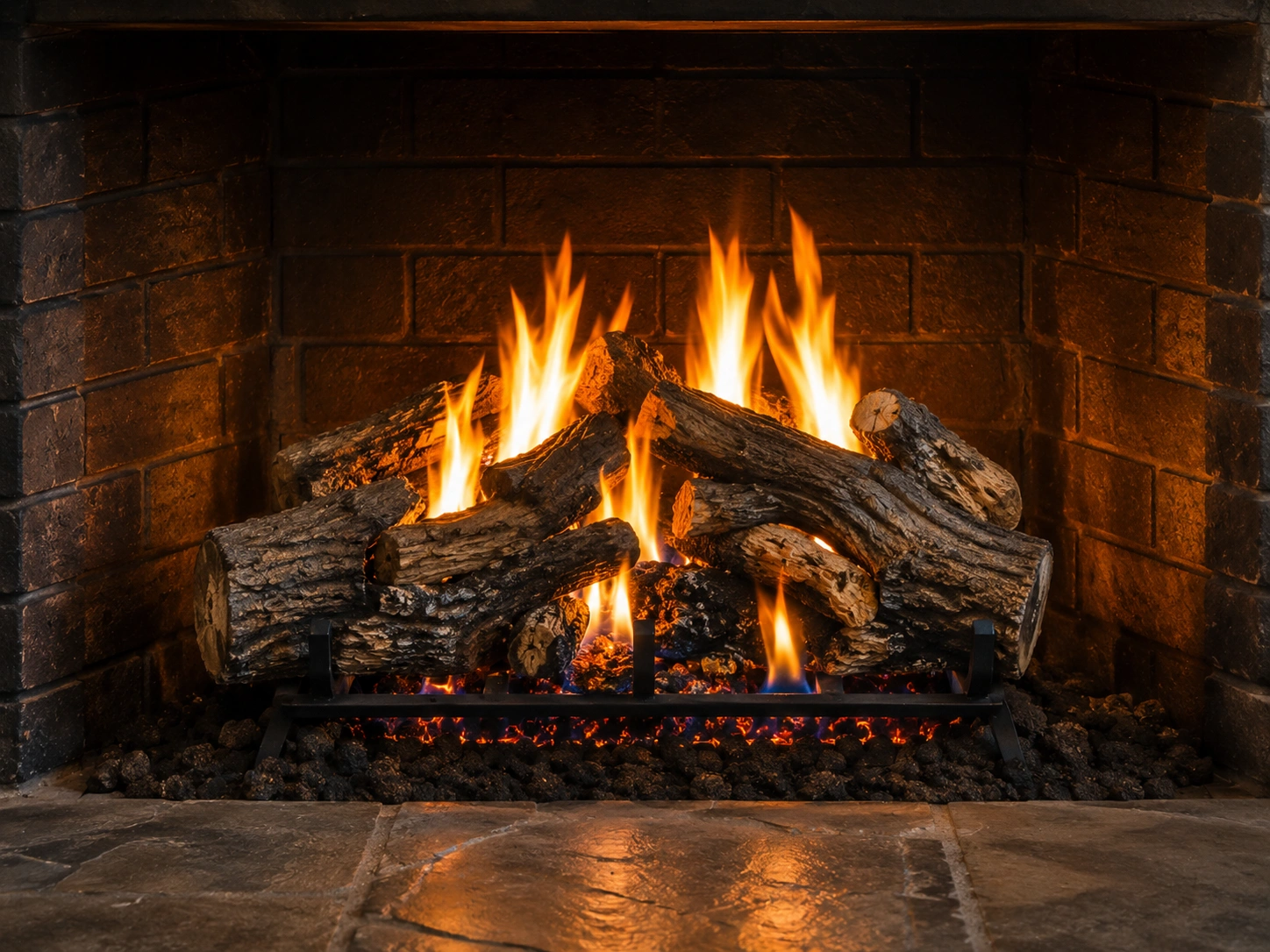
Propane Log Sets
Propane log sets provide the appearance of a wood fire without the work. They're installed in an existing fireplace and feature ceramic logs that glow when heated. For more information on different log options, see our guide to propane fireplace logs.
Key Benefits of Propane Fireplaces

High Efficiency
Propane fireplaces offer excellent heating efficiency, with some models achieving up to 99% efficiency ratings. This means almost all the energy in the propane is converted to usable heat for your home.

Realistic Flames
Propane fireplaces provide one of the most realistic flame appearances among gas options, closely mimicking the look of a traditional wood fire without the mess and maintenance.

Off-Grid Capability
Unlike natural gas fireplaces that require connection to a municipal system, propane fireplaces can operate independently with on-site propane tanks, making them ideal for rural or off-grid locations.

Easy Control
Most propane fireplaces feature adjustable flame controls, thermostats, and remote operation, allowing you to easily maintain your desired comfort level. Learn more about options in our manual vs. remote fireplace guide.

Clean Burning
Propane burns cleaner than wood, producing significantly fewer emissions and particulates. There's no ash, soot, or creosote to clean up, making maintenance much easier than wood fireplace maintenance.

Design Flexibility
Propane fireplaces come in a wide range of styles, from traditional to minimalist designs, and can be installed as wall units, freestanding stoves, or inserts.
Propane vs. Other Fireplace Types
| Feature | Propane | Natural Gas | Electric | Wood |
|---|---|---|---|---|
| Heat Output (BTU) | 10,000-60,000+ | 10,000-60,000+ | 4,500-5,000 | 20,000-80,000+ |
| Efficiency | 70-99% | 70-99% | 100% | 10-30% |
| Installation Cost | $1,500-$5,000 | $1,500-$5,000 | $300-$2,000 | $2,000-$5,000+ |
| Operating Cost (per hour) | $0.60-$1.50 | $0.40-$1.00 | $0.08-$0.15 | $0.30-$0.80 |
| Venting Required | Depends on type | Depends on type | No | Yes (chimney) |
| Realistic Flame | High | High | Medium | Highest |
| Maintenance | Low-Medium | Low-Medium | Low | High |
For more detailed comparisons, check out our guides on gas vs. electric fireplaces and gas vs. wood fireplaces.
Propane Fireplace Costs
Upfront Costs
Operating Costs
For a more comprehensive breakdown of costs across all fireplace types, see our fireplace cost breakdown guide and electric vs. gas fireplace running costs comparison.
Propane Fireplace Safety
While propane fireplaces are generally safe when properly installed and maintained, it's important to follow these safety guidelines:
Carbon Monoxide Detectors
Install carbon monoxide detectors near your propane fireplace and throughout your home. Learn more about signs of carbon monoxide from fireplaces.
Professional Installation
Always have your propane fireplace installed by a qualified professional. Improper installation can lead to gas leaks and other hazards. See our guide on gas fireplace installation requirements.
Regular Maintenance
Schedule annual inspections and maintenance to ensure safe operation. Follow our gas fireplace maintenance guide for proper care procedures.
Clearances
Maintain proper clearances from combustible materials. Learn about furniture distance from fireplaces and other safety clearances.
Ventilation
Ensure proper ventilation for vented models. For ventless options, follow manufacturer guidelines for room size requirements. See our fireplace ventilation requirements guide.
Gas Leak Detection
Learn to recognize the smell of propane (added mercaptan gives it a rotten egg odor) and what to do if you suspect a leak. Our gas fireplace smells like gas guide provides more details.
Propane Fireplace Installation Process
Site Assessment and Planning
The first step is to assess your space and determine the best location for your propane fireplace. Consider factors like existing gas lines, ventilation options, and clearances from combustible materials. A professional installer will evaluate your home's structure and recommend the best type of propane fireplace for your needs.
Propane Tank Installation
If you don't already have a propane tank, one will need to be installed on your property. Tank sizes typically range from 120 to 1,000 gallons, with the size depending on your heating needs and usage patterns. The tank should be placed according to local codes and manufacturer guidelines, typically at least 10 feet from buildings and ignition sources.
Gas Line Connection
A qualified technician will run a gas line from the propane tank to the fireplace location. This may involve trenching for underground lines or running lines through walls and ceilings for above-ground installations. All connections must be properly sealed and tested for leaks.
Fireplace Unit Installation
The fireplace unit is then installed in the prepared location. For vented models, this includes installing the venting system (either through an existing chimney or new direct vent piping). The unit must be properly leveled, secured, and connected to the gas line according to manufacturer specifications.
Testing and Final Inspection
After installation, the system is thoroughly tested for proper operation and gas leaks. The installer will check all connections, verify proper venting, test the ignition system, and ensure the flame pattern is correct. A final inspection may be required by local building authorities before the fireplace can be used regularly.
For more details on the installation process, see our comprehensive fireplace installation guide and learn about DIY vs. professional fireplace installation.
Frequently Asked Questions
How much propane does a fireplace use?
Propane consumption depends on the fireplace's BTU rating and how often you use it. A typical propane fireplace with a 40,000 BTU rating will consume approximately 1 gallon of propane every 2.5-3 hours of operation. For more details on running costs, see our fireplace daily running cost guide.
Can a propane fireplace heat an entire house?
While a propane fireplace can provide significant heat, most standard models are designed to heat a single room or zone rather than an entire house. However, larger units or those with forced-air systems can help supplement your home's primary heating system. Learn more in our article on can a fireplace heat an entire house.
How long does a propane tank last for a fireplace?
The duration a propane tank lasts depends on its size and your usage. A standard 120-gallon tank used for occasional supplemental heating might last 2-3 months during winter. For regular daily use as a primary heat source, you might need refills every 2-4 weeks. Larger tanks (500-1,000 gallons) can last an entire heating season for moderate use.
Is it safe to leave a propane fireplace on overnight?
While modern propane fireplaces have safety features that make them safer than older models, most manufacturers and safety experts recommend not leaving any gas fireplace unattended for extended periods, including overnight. For safety considerations, read our guide on leaving a fireplace on overnight.
Do propane fireplaces need electricity to work?
Most propane fireplaces with electronic ignition systems do require electricity to start. However, many models include a battery backup for the ignition system or can be lit manually with a match or lighter during power outages. Some specialized models are designed specifically for off-grid use with no electrical requirements.
How do I know what size propane fireplace I need?
The right size propane fireplace depends on the area you want to heat, ceiling height, insulation quality, and climate. As a general rule, you'll need about 20-30 BTU per square foot in a well-insulated room in a moderate climate. For precise calculations, use our fireplace heating capacity BTU guide and how to size a fireplace resources.