
DIY Gas Fireplace: Complete Installation Guide
Learn how to safely install a gas fireplace yourself with our step-by-step instructions, saving thousands on professional installation costs
EXPLORE OPTIONSWhy Choose a DIY Gas Fireplace?
Installing a gas fireplace yourself can save you $1,500-$3,000 in professional installation fees while giving you the satisfaction of completing a rewarding home improvement project. With the right preparation and following proper safety protocols, many homeowners can successfully install a ventless gas fireplace or direct-vent model in a weekend.
Gas fireplaces offer the perfect balance of convenience and ambiance. Unlike wood-burning options, they provide instant heat at the flip of a switch, without the mess of ash or the need to chop wood. When you install it yourself, you not only save money but also gain intimate knowledge of your system, making future maintenance much easier.

Recommended DIY Gas Fireplace Kits
⚠️ AFFILIATE DISCLOSURE: This website contains affiliate links. As an Amazon Associate, we earn from qualifying purchases. If you make a purchase through these links, we may receive a small commission at no additional cost to you. Read our full affiliate policy.

Skyflame 19-inch Round Stainless Steel Drop-in Fire Pit Burner Kit

Midwest Hearth Rock Wool for Gas Fireplace Embers, Made in USA, 6 Oz

YINIMI All-in-One Natural Gas Fire Pit Ignition System Kit, Outdoor DIY Fire Pit Accessory

Duluth Forge Dual Fuel Ventless Gas Fireplace Insert - 32,000 BTU, Remote Control - Model# FDI32R
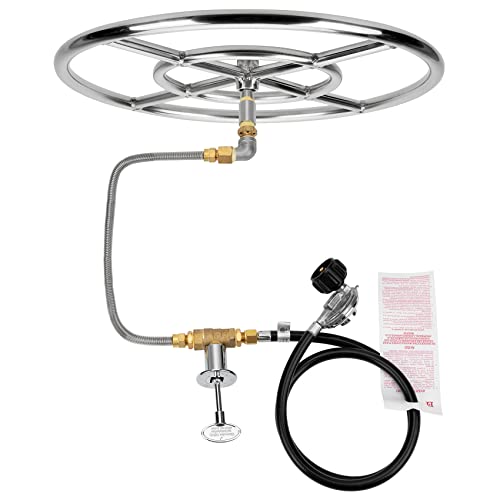
Stanbroil Propane Gas Fire Pit Stainless Steel Burner Ring Installation Kit

Midwest Hearth Gas Log Lighter/Starter, Wood Burning Fireplace, Natural Gas

Stanbroil 48 x 6 Inch Linear Fire Pit Burner with Spark Ignition Kit

Stanbroil 19-Inch Round Fire Pit Burner Pan, Drop-in Gas Fire Pit Inserted
Types of DIY Gas Fireplaces
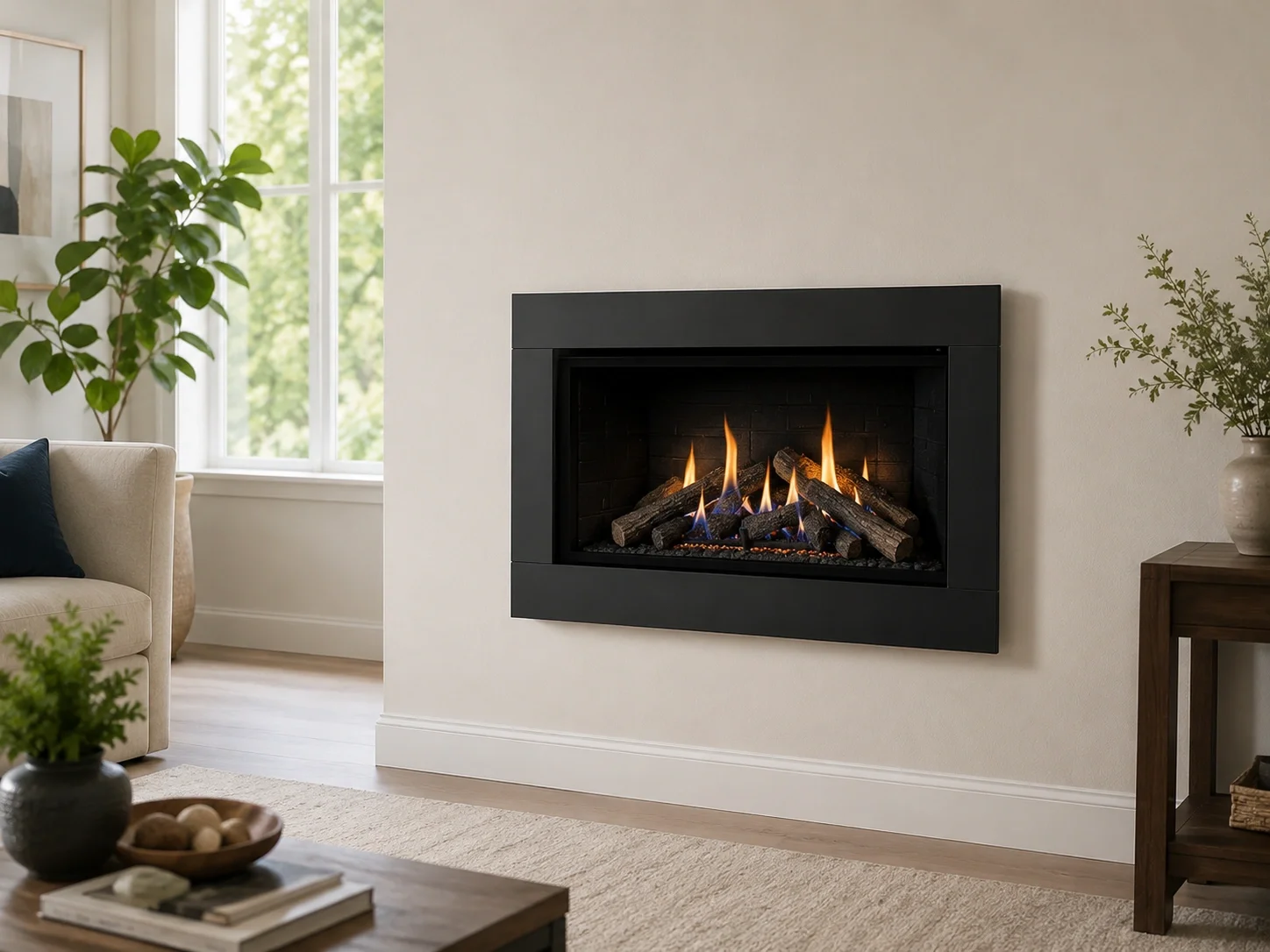
Ventless Gas Fireplaces
The easiest option for DIY installation as they don't require a chimney or venting system. These units burn gas cleanly and release heat directly into the room.
- No venting required
- Nearly 100% heat efficiency
- Easiest to install yourself
- Lower installation costs

Direct Vent Fireplaces
These units use a coaxial vent system that draws air from outside for combustion and exhausts gases back outside. They can be vented horizontally through a wall.
- Better indoor air quality
- Can be vented through walls
- Moderate DIY difficulty
- More realistic flame appearance
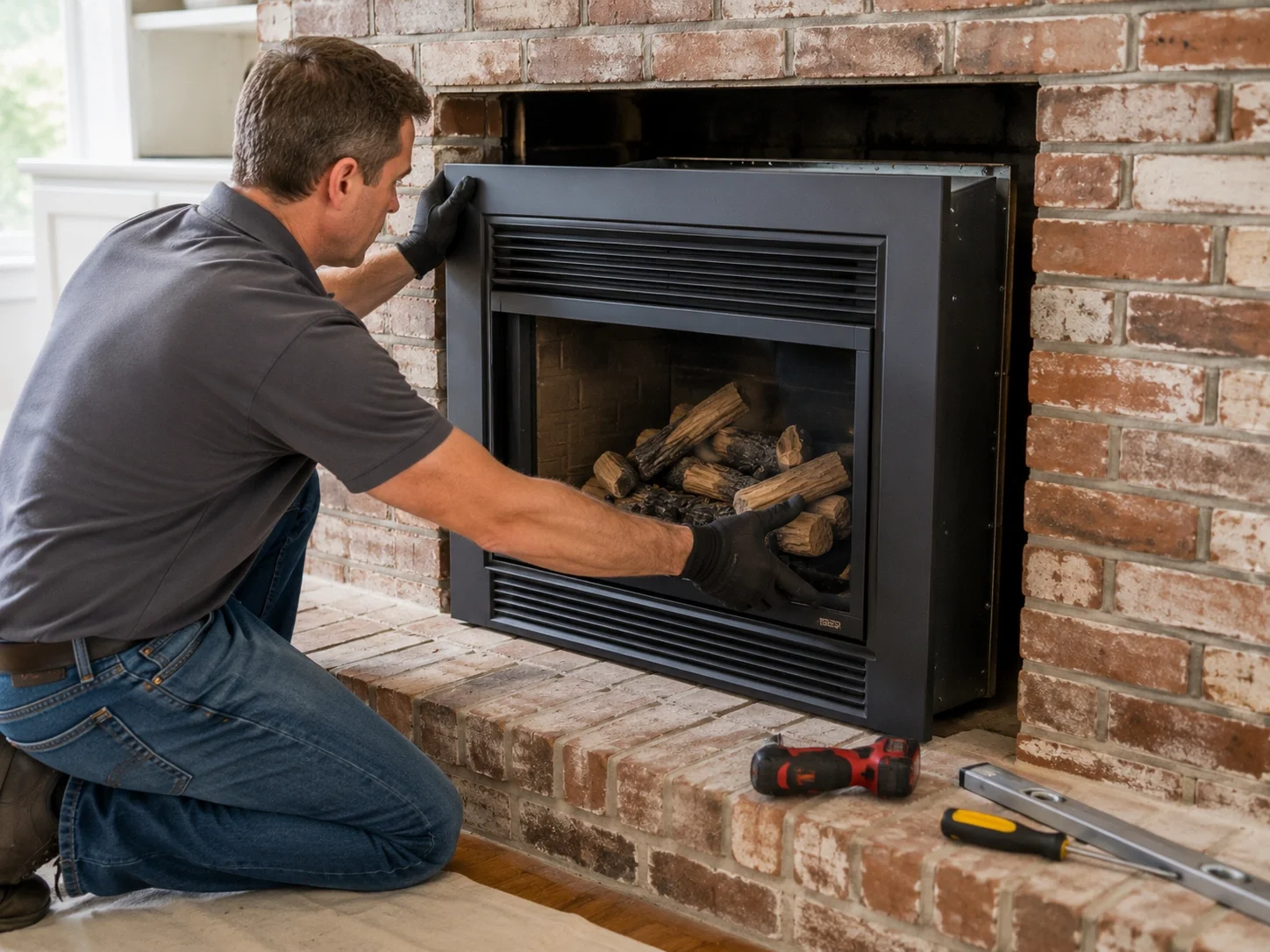
Gas Fireplace Inserts
Designed to fit into existing fireplace openings, these units transform an inefficient wood-burning fireplace into an efficient gas heating system.
- Utilizes existing fireplace structure
- Significantly improves efficiency
- Can use existing chimney for venting
- Transforms outdated fireplaces
Essential Tools & Materials
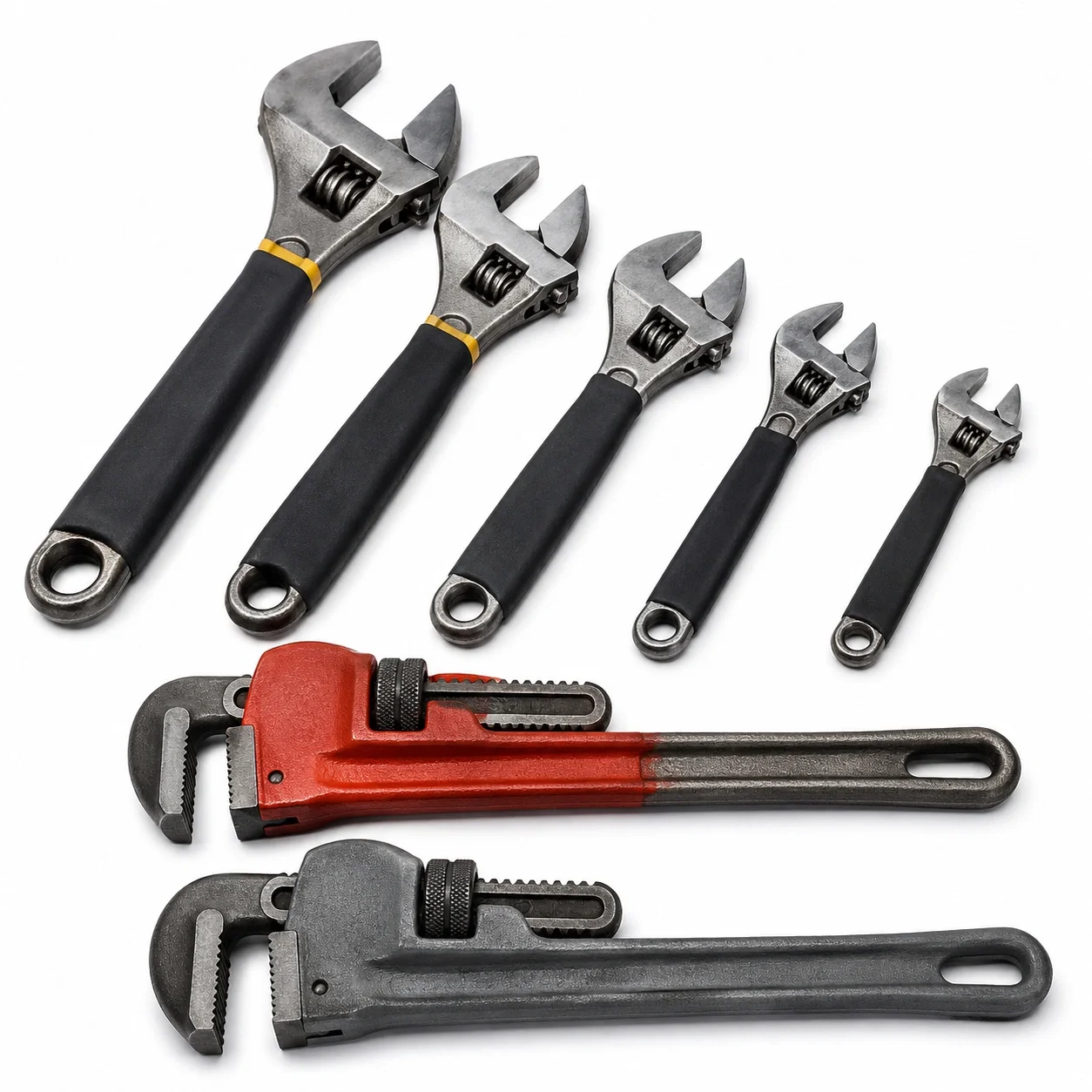
Wrench Set
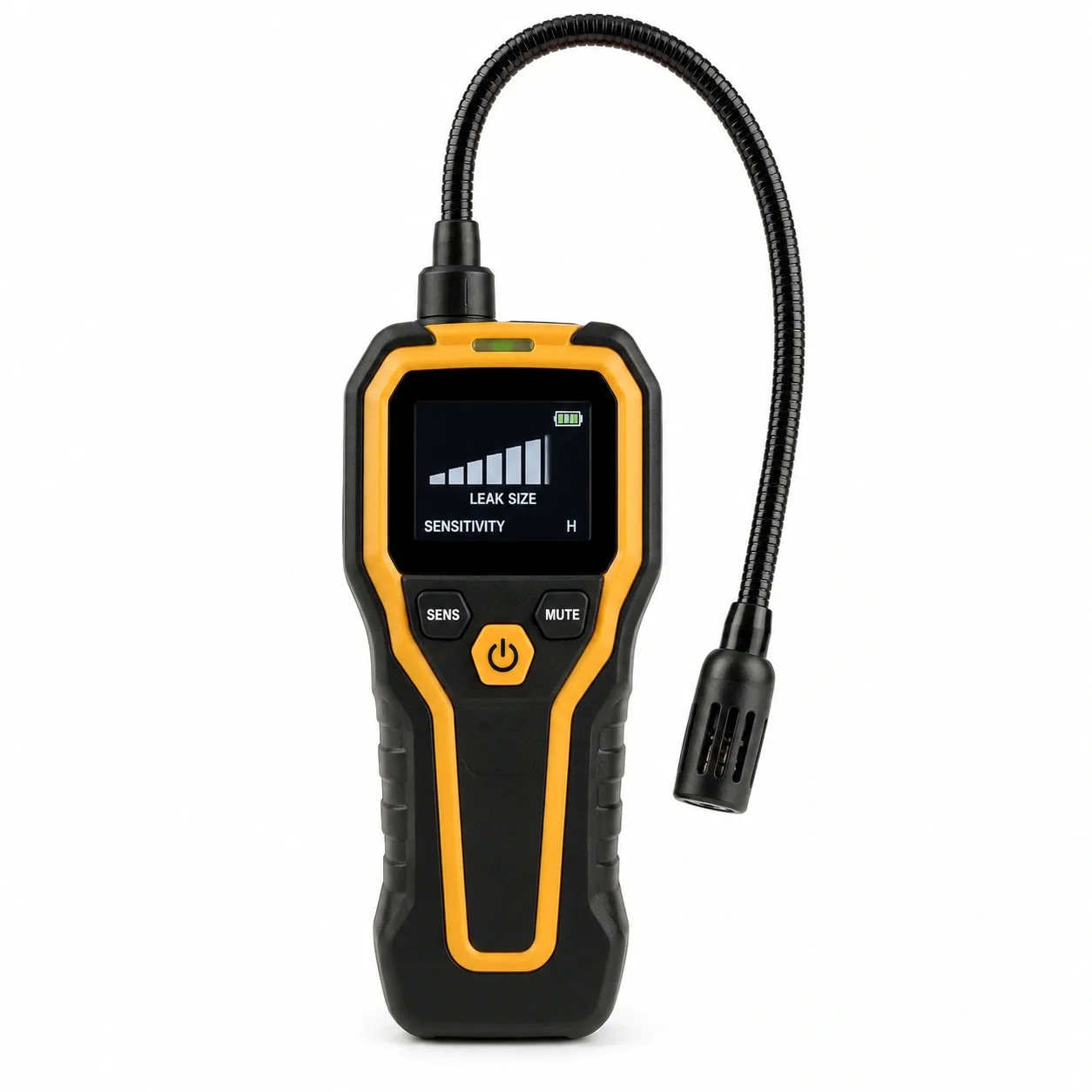
Gas Leak Detector
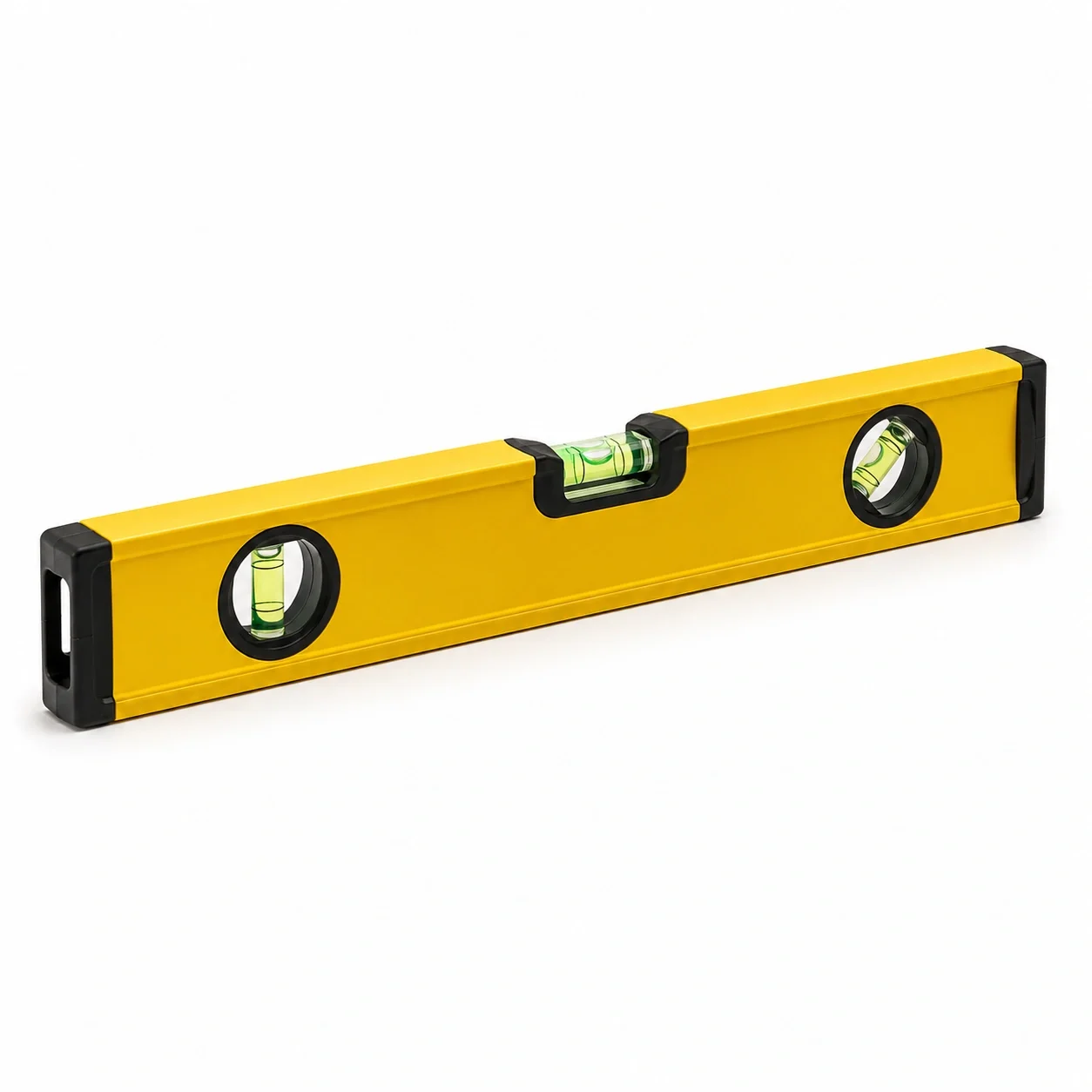
Level
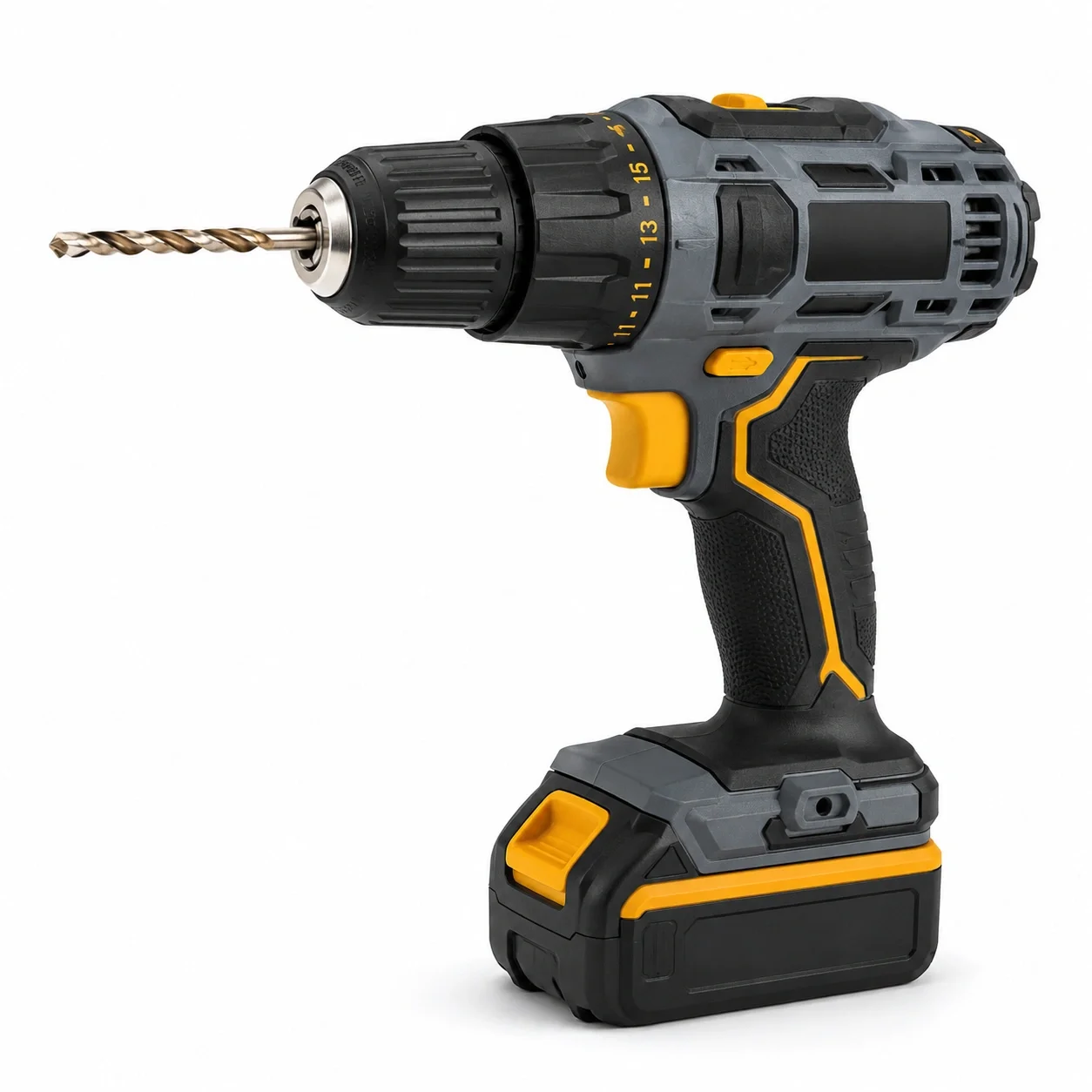
Power Drill

Tape Measure

Gas Pipe Fittings

Gas-rated Teflon Tape
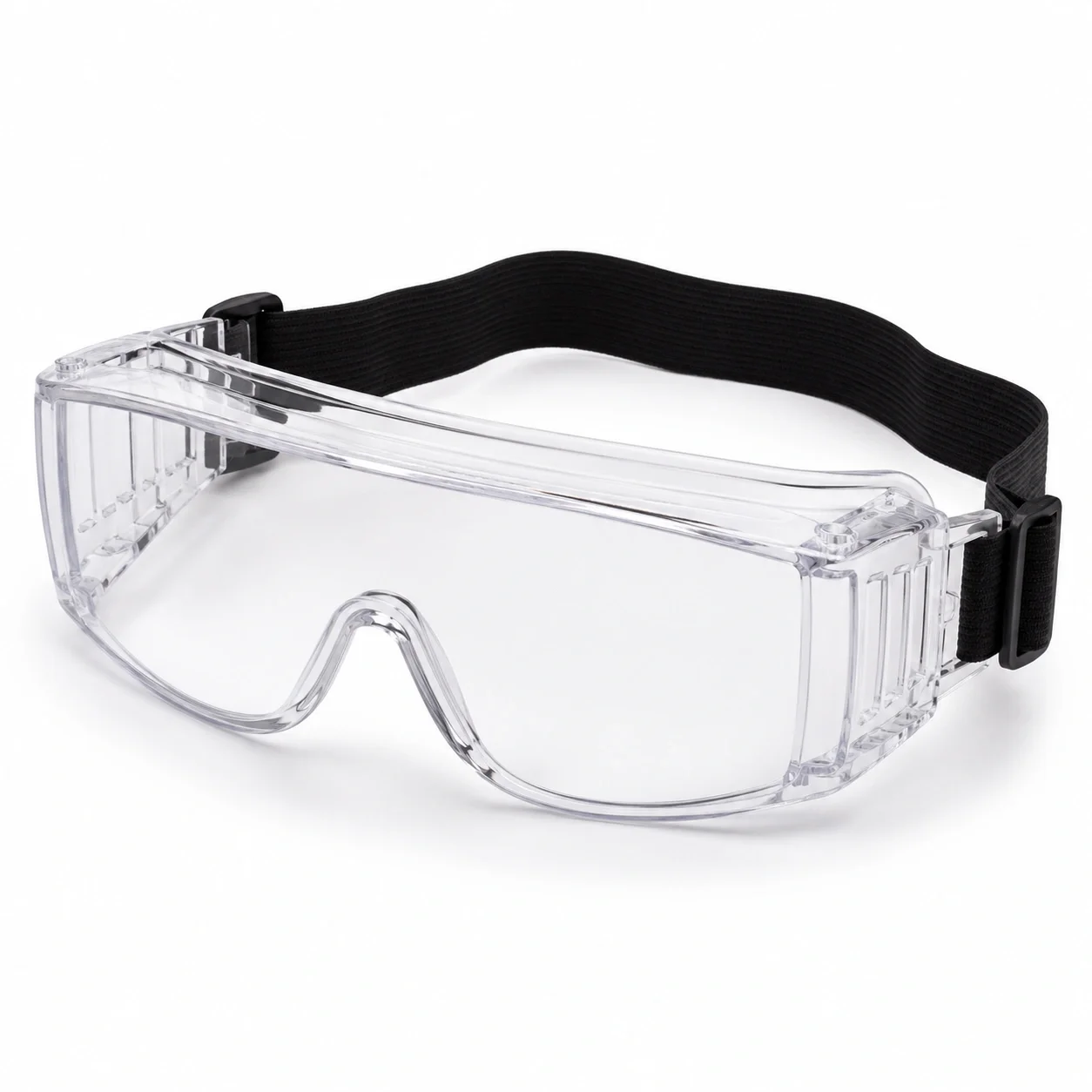
Safety Goggles
Step-by-Step Installation Guide
Choose the Right Location and Check Clearances
Select a location that meets all manufacturer-specified clearances from combustible materials. For wall-mounted units, ensure the wall can support the weight. Consider proximity to gas lines and electrical outlets for blowers or ignition systems. Mark the installation area with painter's tape and double-check all measurements before proceeding.
For corner installations, verify that the unit will fit properly in the space and that there's adequate ventilation. Remember that different fireplace types have different clearance requirements—ventless models need more room around them than vented options.

Prepare the Installation Site
Clear the area of all flammable materials. If installing a built-in unit, create the framing according to manufacturer specifications. For fireplace surrounds, ensure the framing is level and plumb. If you're working with an existing fireplace for an insert installation, clean out the firebox thoroughly and inspect the chimney for damage or creosote buildup.
For vented models, mark and cut the vent opening according to the manufacturer's instructions. If you're not comfortable cutting into your home's exterior wall, this might be a good point to reconsider a ventless option or consult with a professional for just this portion of the installation.
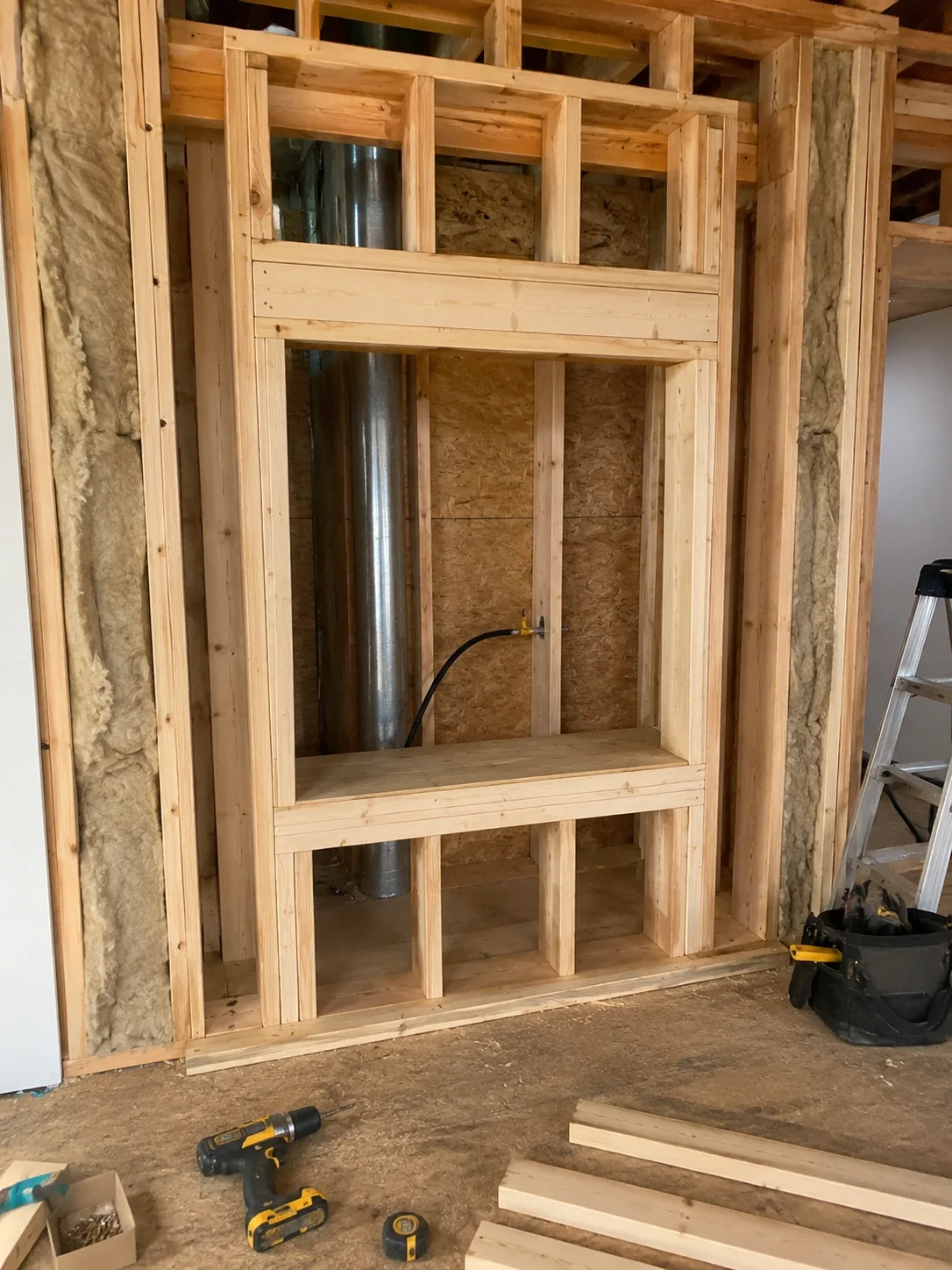
Install Gas Line Connection
This is the most critical step that requires the most attention to safety. If you don't have existing gas lines, you'll need to run a new line from your gas meter or propane tank. Use only approved gas piping materials—black iron pipe, corrugated stainless steel tubing (CSST), or approved flexible connectors.
Apply gas-rated thread sealant (not standard Teflon tape) to all threaded connections. Ensure all connections are tightened properly with wrenches, not just hand-tight. If you're uncomfortable working with gas lines at this stage, consider having a licensed plumber or gas fitter complete just this portion of the work.

Position and Secure the Fireplace Unit
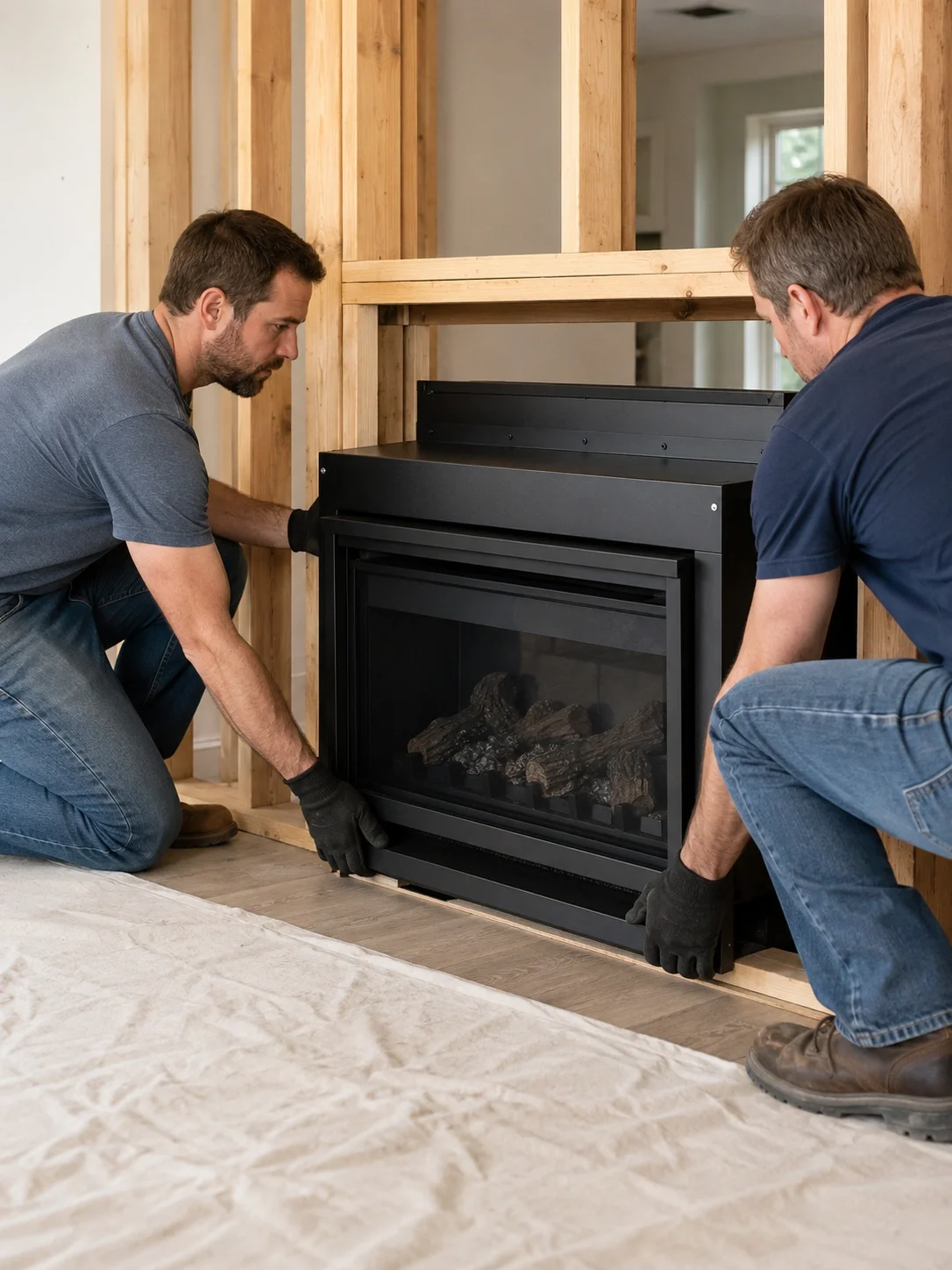
Carefully lift the fireplace unit into position (this may require a helper for larger units). For built-in models, slide it into the framed opening. Use a level to ensure the unit is perfectly level both front-to-back and side-to-side. Secure the unit according to the manufacturer's instructions, typically using brackets or screws through the nailing flanges.
For insert models, position the unit inside the existing fireplace opening and use the provided trim kit to create a seal between the insert and the fireplace opening. Ensure there are no gaps that could allow heat to escape into the wall cavity.
Connect to Gas Supply and Test for Leaks
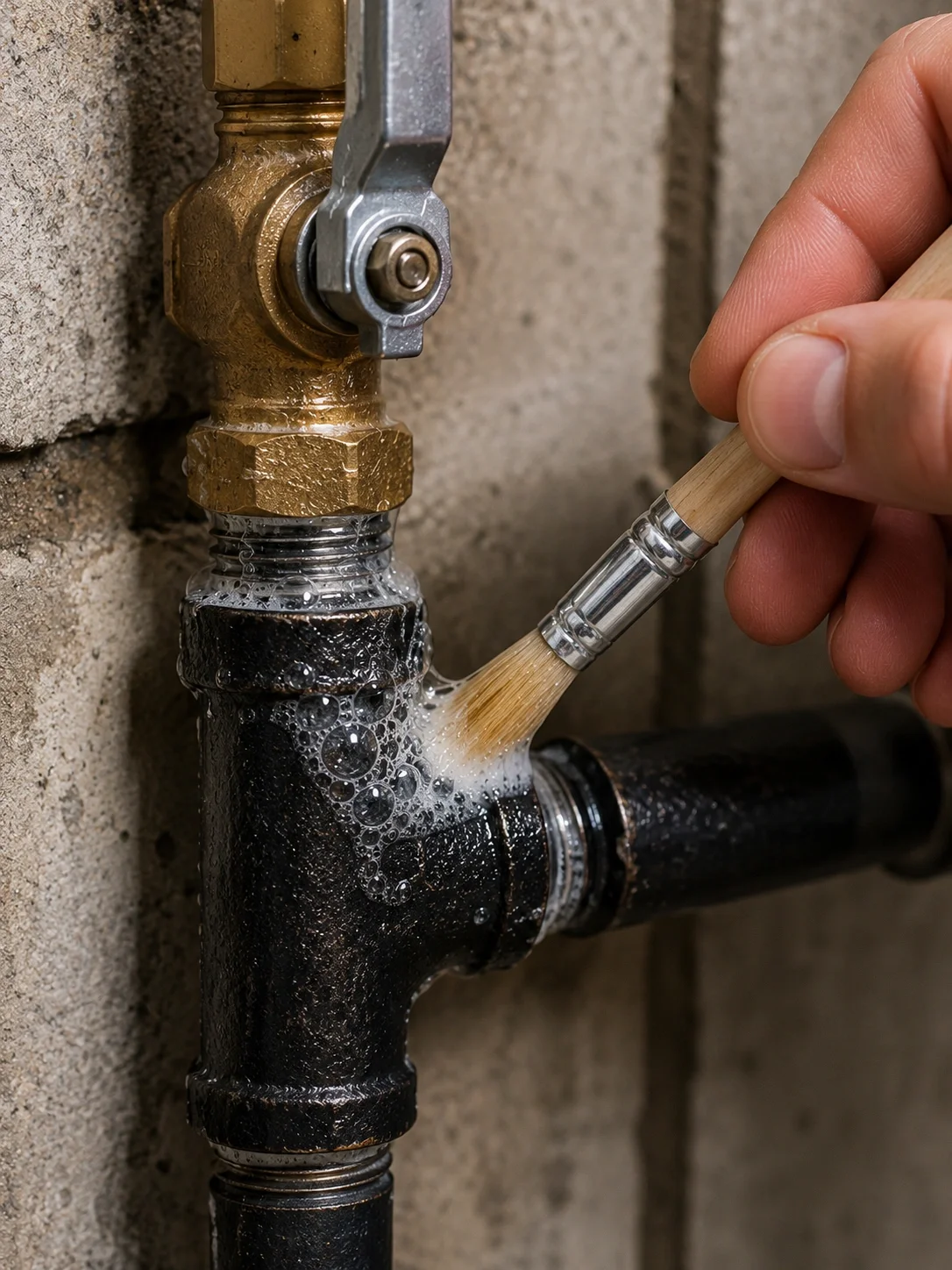
Connect the fireplace's gas inlet to your gas supply line using the appropriate fittings. Once all connections are made, it's time for the critical leak test. Apply a solution of soapy water to all gas connections and look for bubbles, which indicate a leak. Alternatively, use an electronic gas leak detector for more sensitive detection.
Never use a flame to check for gas leaks. If you detect any leaks, immediately shut off the gas supply, tighten the connection, and test again. If leaks persist after multiple attempts, disconnect and remake the connection with fresh thread sealant. This step cannot be skipped or rushed—gas leaks are extremely dangerous.
Complete Installation and Test Operation
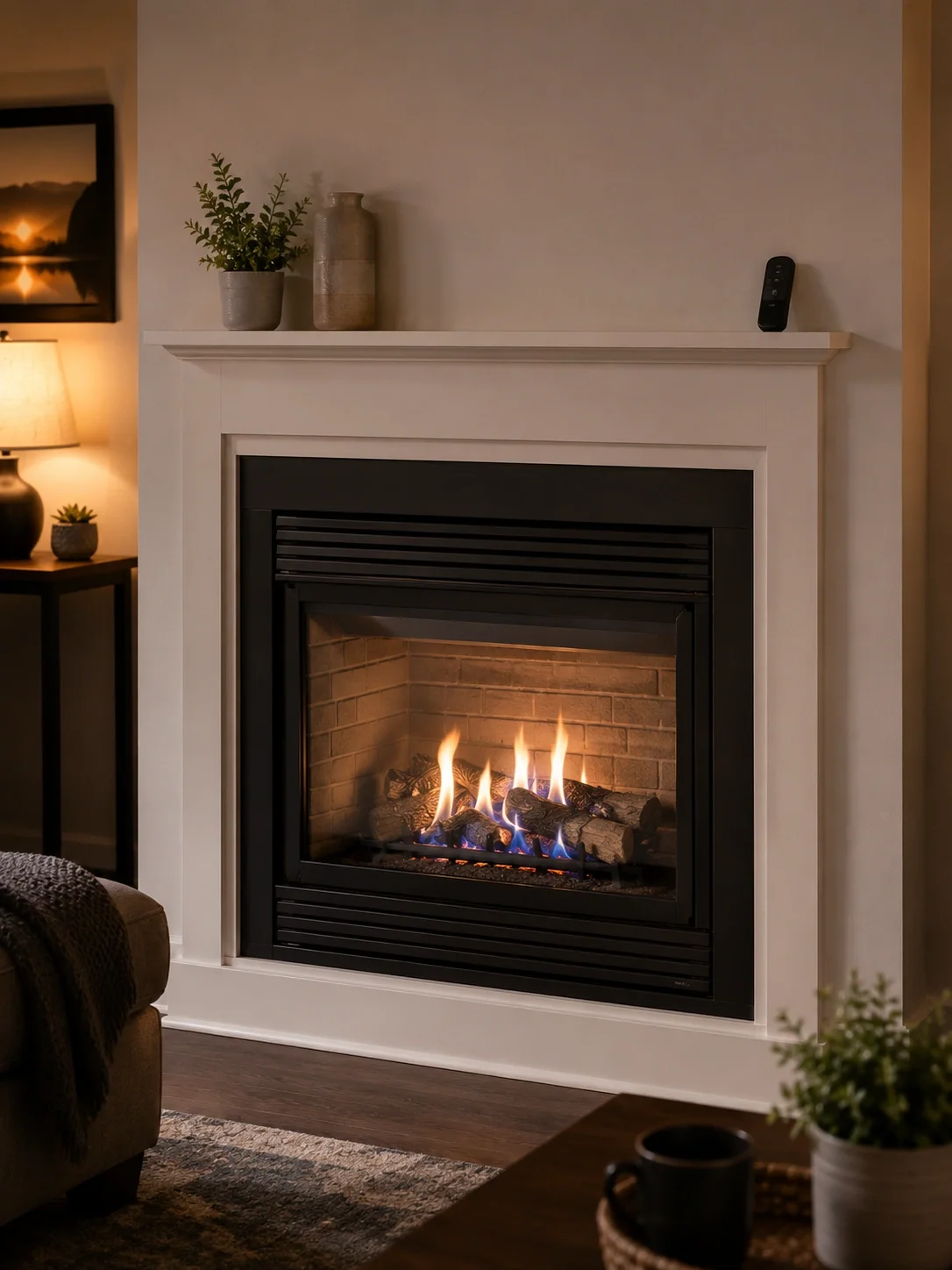
For vented models, install the venting system according to manufacturer instructions, ensuring all connections are secure and properly sealed. Install any trim pieces, mantels, or surrounds. If your unit includes a blower or fan, make the electrical connections according to the provided wiring diagram.
Once everything is in place, turn on the gas supply and follow the manufacturer's lighting instructions. Test all functions: igniter, flame adjustment, blower (if equipped), and remote control (if included). Observe the flame pattern—it should be steady and blue with yellow tips. If you notice any unusual odors, sounds, or flame patterns, turn off the gas immediately and consult the troubleshooting section of your manual.
Critical Safety Considerations
- Always check local building codes and permit requirements before beginning installation. Many jurisdictions require permits for gas line work.
- If you smell gas at any point during installation, immediately evacuate the area, leave the door open, and call your gas company from a safe location.
- Never use matches, lighters, or any open flame to check for gas leaks. Only use soapy water solution or electronic leak detectors.
- Install carbon monoxide detectors in the same room as your gas fireplace and on every level of your home.
- Keep the area around your fireplace clear of flammable materials, furniture, and curtains as specified in the manufacturer's clearance requirements.
- Have your installation inspected by a qualified professional before regular use, even if local codes don't require it.
- Schedule annual professional inspections to ensure safe operation and catch any potential issues before they become dangerous.
- Never attempt to modify your gas fireplace or use parts not approved by the manufacturer.
DIY Gas Fireplace Cost Breakdown
| Item | Cost Range | Notes |
|---|---|---|
| Ventless Gas Fireplace Unit | $400-$1,200 | Basic to premium models with varying features |
| Direct Vent Fireplace Unit | $800-$2,500 | More expensive but better indoor air quality |
| Gas Insert Unit | $1,000-$3,000 | Depends on size and features |
| Gas Line Materials | $50-$200 | Black iron pipe, CSST, or flexible connectors |
| Venting Materials (if needed) | $150-$500 | For direct vent models only |
| Tools (if not owned) | $100-$300 | Basic tools needed for installation |
| Permits | $50-$200 | Varies by location |
| Total DIY Cost | $750-$4,900 | Depending on type and quality of unit |
| Professional Installation (comparison) | $2,500-$7,500 | Same units with professional installation |
By installing a gas fireplace yourself, you can potentially save $1,750-$2,600 compared to professional installation. However, if you're not confident in your abilities, especially with gas line connections, the safety and peace of mind from professional installation may be worth the additional cost.
Frequently Asked Questions
In most areas, homeowners can legally install gas fireplaces themselves, but local building codes vary. Many jurisdictions require permits for gas line work and final inspections. Some areas may require specific certifications for gas work. Always check with your local building department before beginning any DIY fireplace project. Even when DIY installation is permitted, having a professional inspect your work is strongly recommended for safety.
Yes, you can install a ventless gas fireplace without any chimney or venting. These units are designed to burn gas cleanly enough that they don't require exterior venting. Alternatively, direct vent fireplaces can be installed without a traditional chimney by venting horizontally through an exterior wall. Only natural vent (B-vent) fireplaces require a vertical chimney for proper operation.
The difficulty of running a gas line depends on your home's layout and existing gas infrastructure. If you already have gas appliances, tapping into an existing line is relatively straightforward. Running a new line from the gas meter requires more work and knowledge. The technical aspects aren't overly complex—cutting, threading, and connecting black iron pipe or CSST—but safety is paramount. If you're not experienced with gas lines, consider having a professional handle just this portion of the installation.
A straightforward ventless gas fireplace installation can typically be completed in 4-8 hours by a competent DIYer. Direct vent models usually take 6-10 hours due to the additional venting work. Gas insert installations might take 4-6 hours if the existing fireplace and chimney are in good condition. These time estimates assume you have all necessary tools and materials on hand and are familiar with basic home improvement techniques. Complex installations or those requiring new gas lines may take a full weekend.
Most gas fireplaces can be configured for either natural gas or propane, but they require different orifices and pressure settings. If you have natural gas service to your home, a natural gas fireplace is typically more convenient and cost-effective to operate. If you don't have natural gas but have or plan to install a propane tank, a propane fireplace offers similar benefits. The installation process is essentially the same for both, but you'll need to ensure the unit is properly configured for your fuel type and that the pressure is correctly set.
Yes, converting a wood-burning fireplace to gas is a popular DIY fireplace makeover project. The process involves installing a gas insert or gas log set into your existing fireplace. For a simple gas log set, you just need to run a gas line and place the logs—this is relatively straightforward. For a full insert installation, you'll need to ensure proper sizing, run a gas line, and possibly modify the chimney for venting. The existing chimney can often be used for venting, but may need a liner or other modifications depending on its condition.
Additional DIY Tips for Success
Before starting your DIY gas fireplace project, take time to thoroughly read the manufacturer's installation manual. Watch tutorial videos specific to your model. Consider practicing gas line connections on scrap materials before working on your actual installation. Have a helper available for lifting heavy components and for safety during leak testing. Keep a fire extinguisher rated for gas fires nearby during installation and initial operation. Finally, document your installation with photos—this can be valuable for future maintenance and may be required for permit inspections.