Sandstone Fireplaces: Natural Elegance for Your Home
Explore the timeless beauty and practical benefits of sandstone fireplace surrounds, mantels, and hearths
DISCOVER SANDSTONE BEAUTYWhat You'll Learn in This Guide
This comprehensive guide covers everything about sandstone fireplaces, including their unique characteristics, design options, installation requirements, maintenance needs, cost considerations, and how they compare to other stone materials. By the end, you'll have all the information needed to decide if a sandstone fireplace is right for your home.
What Is a Sandstone Fireplace?
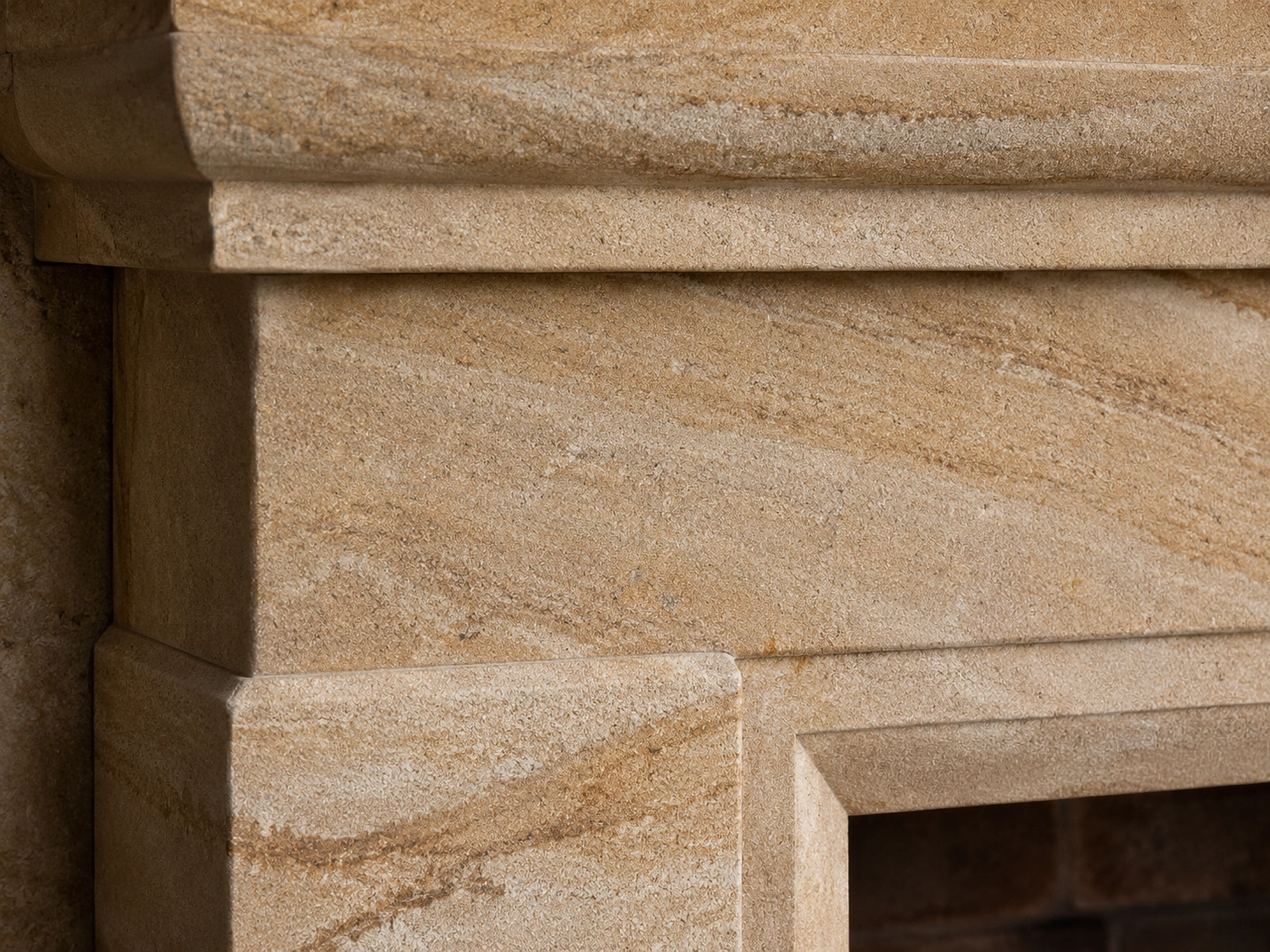
A sandstone fireplace utilizes natural sandstone—a sedimentary rock composed mainly of quartz grains—to create stunning fireplace surrounds, mantels, hearths, or complete fireplace structures. Sandstone has been used in architecture for centuries, prized for its warm, earthy appearance and excellent workability.
Unlike manufactured stone products, each sandstone piece is unique, featuring distinct color variations, veining patterns, and textural characteristics that make your fireplace surround truly one-of-a-kind. The material comes in various colors ranging from warm yellows and oranges to rich reds and browns, allowing you to complement virtually any interior design scheme.
Sandstone fireplaces can be constructed using solid stone blocks, natural stone veneers, or manufactured sandstone products designed to mimic the appearance of natural stone. This versatility makes them suitable for both new construction and remodeling projects, offering options for various budgets and installation scenarios.
Benefits of Sandstone Fireplaces

Key Advantages
- Natural Beauty: Unique patterns and color variations create an authentic, organic appearance that synthetic materials can't replicate.
- Excellent Heat Retention: Sandstone absorbs and radiates heat effectively, helping to distribute warmth throughout your space.
- Durability: When properly sealed and maintained, sandstone can last for decades, resisting wear and environmental damage.
- Versatile Aesthetics: Complements both traditional and contemporary designs, from rustic to modern styles.
- Workability: Easier to cut and shape than harder stones like granite, allowing for more intricate designs and custom details.
- Color Consistency: More consistent color within specific stone types compared to other natural stones like granite or marble.
- Eco-Friendly: Natural stone requires minimal processing and contains no harmful chemicals or synthetic materials.
- Value Addition: Natural stone fireplaces typically increase home value more than manufactured alternatives.
Considerations
- Porosity: Sandstone is relatively porous and requires proper sealing to prevent staining and moisture damage.
- Weight: Heavy material that may require structural reinforcement, especially for full stone constructions.
- Maintenance Requirements: Needs regular sealing and specific cleaning methods to maintain appearance.
- Cost: Higher initial cost compared to manufactured stone or painted finishes.
- Installation Complexity: Professional installation recommended due to weight and specialized techniques required.
- Sensitivity to Acids: Can be damaged by acidic cleaners or substances, requiring careful product selection.
- Potential for Efflorescence: May develop white mineral deposits if moisture penetrates the stone.
Types of Sandstone Fireplaces
Sandstone fireplaces come in several configurations to suit different design preferences, budgets, and structural requirements. Understanding these options helps you choose the best approach for your specific situation.
Solid Sandstone Construction
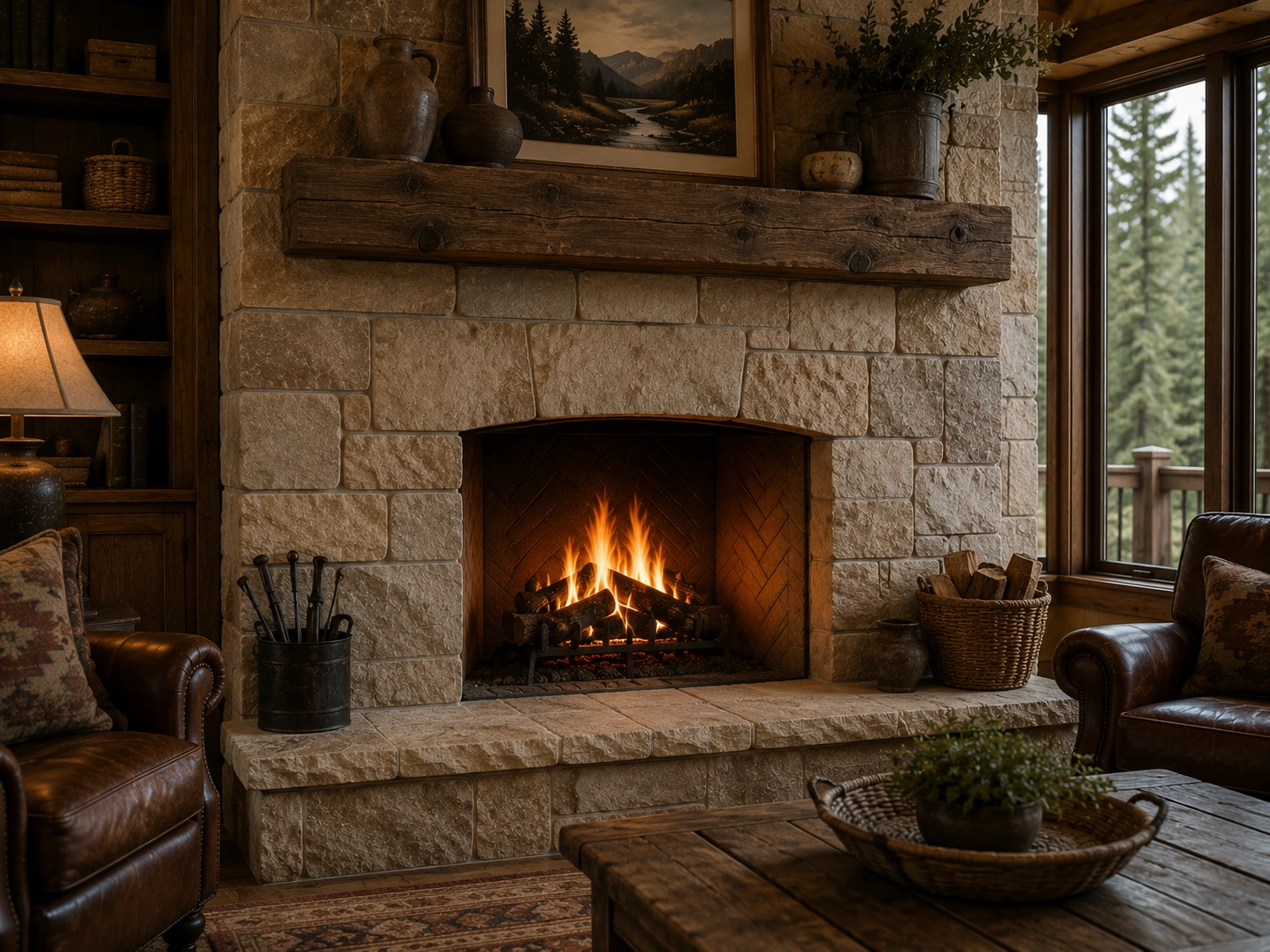
Built entirely from natural sandstone blocks or slabs, this traditional approach creates the most authentic appearance. Often used for traditional fireplace designs, solid construction provides excellent durability and heat retention but requires significant structural support and professional installation. Cost typically ranges from $5,000–$15,000+ depending on size and complexity.

Sandstone Veneer
Natural stone veneers are thin slices of sandstone applied to a structural backing, providing the appearance of solid stone at a fraction of the weight and cost. Ideal for fireplace remodeling or when structural limitations prevent solid stone installation. Veneer systems typically cost $2,500–$8,000 installed.

Manufactured Sandstone
Engineered products that mimic natural sandstone appearance using concrete aggregates and pigments. These offer more consistent coloring and sizing than natural stone, along with lower weight and installation costs. While less authentic than natural stone, manufactured options provide a budget-friendly alternative at $1,500–$5,000 installed.
Sandstone Fireplace Design Ideas
The versatility of sandstone allows for numerous design approaches that can complement various architectural styles and personal preferences.
Traditional and Rustic Designs
Sandstone naturally lends itself to traditional and rustic fireplace designs. Rough-hewn sandstone blocks with visible tool marks create an authentic, old-world appearance perfect for farmhouse, cabin, or traditional colonial homes. These designs often feature substantial mantels, raised hearths, and ornate detailing that highlights the stone's natural beauty.
Contemporary Minimalist Approaches
Contrary to its traditional associations, sandstone can also work beautifully in minimalist spaces. Smooth-cut sandstone panels with clean lines and minimal ornamentation create a sophisticated, understated focal point that adds warmth without visual clutter. Light-colored sandstone varieties work particularly well in contemporary settings.
Mixed Material Combinations
Sandstone pairs beautifully with other materials to create unique visual interest. Consider combining sandstone with wood mantels, metal accents, or contrasting stone types. A sandstone surround with a reclaimed wood mantel creates a popular transitional look that bridges traditional and contemporary styles.
Indoor-Outdoor Continuity
Using sandstone for both indoor and outdoor fireplaces creates visual continuity between your living spaces. This approach is particularly effective in homes with open floor plans or extensive outdoor living areas, extending the natural aesthetic throughout your property.
Sandstone vs. Other Fireplace Materials
Understanding how sandstone compares to other popular fireplace materials helps you make an informed decision based on your priorities and circumstances.
| Characteristic | Sandstone | Granite | Marble | Limestone |
|---|---|---|---|---|
| Durability | Good | Excellent | Good | Good |
| Heat Resistance | Excellent | Excellent | Moderate | Good |
| Maintenance | Moderate | Low | High | Moderate |
| Cost (per sq ft) | $30–$70 | $50–$100 | $60–$150 | $25–$60 |
| Color Variety | Wide range | Limited | Wide range | Limited |
| Workability | Easy | Difficult | Moderate | Easy |
| Stain Resistance | Low (needs sealing) | High | Low (needs sealing) | Low (needs sealing) |
| Aesthetic Appeal | Warm, natural | Speckled, uniform | Elegant, veined | Subtle, uniform |
Comparing Natural Stone Options
While each natural stone has its merits, sandstone offers an excellent balance of beauty, workability, and cost. For a detailed comparison of various stone fireplace options, including rock fireplaces and other natural materials, explore our comprehensive stone fireplace guide.
Sandstone Fireplace Installation

Proper installation is critical for sandstone fireplaces to ensure safety, longevity, and aesthetic appeal. While experienced DIYers might tackle simple veneer applications, most sandstone fireplace projects require professional expertise.
Structural Considerations
- Weight Support: Sandstone is heavy, with solid construction weighing 120-160 pounds per cubic foot. Ensure your floor and walls can support this weight, especially for multi-story installations.
- Fireplace Clearances: Maintain proper clearances from combustible materials according to local building codes and the fireplace manufacturer's specifications.
- Moisture Management: Include proper moisture barriers and weep systems to prevent water damage, especially in exterior applications or bathrooms.
- Thermal Expansion: Allow for thermal expansion joints to prevent cracking as the stone heats and cools during use.
Installation Process Overview
- Site Preparation: Prepare the substrate, ensuring it's level, clean, and properly structurally reinforced.
- Layout Planning: Dry-fit stone pieces to plan the arrangement and identify any necessary cuts.
- Mortar Application: Apply appropriate mortar (typically type S or N for sandstone) to bond the stone to the substrate.
- Stone Placement: Set stone pieces according to the layout, maintaining consistent joints and alignment.
- Joint Finishing: Tool mortar joints to the desired profile and allow proper curing time.
- Sealing: Apply appropriate stone sealer once mortar is fully cured (typically 28 days).
- Final Inspection: Verify proper installation, clearances, and compliance with building codes.
Professional Installation Recommendation
Due to the weight, specialized techniques, and safety considerations involved, sandstone fireplace installation is best left to experienced masons or stone installation professionals. Improper installation can lead to structural failure, safety hazards, and costly repairs. Learn more about when to hire professionals in our DIY vs professional installation guide.
Sandstone Fireplace Costs
Understanding the full cost picture helps you budget appropriately and compare sandstone with other options.
Sandstone Fireplace Cost Breakdown
For comparison with other fireplace options and comprehensive cost analysis, see our fireplace cost breakdown guide that covers all major fireplace types and materials.
Sandstone Fireplace Maintenance

Proper maintenance is essential to keep your sandstone fireplace looking beautiful and functioning safely for years to come. While sandstone is durable, it requires specific care to maintain its appearance and prevent damage.
Regular Maintenance Tasks
- Dusting: Regularly dust the surface with a soft, dry cloth or brush to remove loose particles.
- Spill Cleanup: Immediately blot spills with a clean cloth—never wipe, as this can spread the stain.
- Gentle Cleaning: Use pH-neutral stone cleaners for regular cleaning. Avoid acidic or abrasive cleaners.
- Inspection: Regularly inspect for cracks, chips, or sealant deterioration that might require attention.
Sealing Schedule
- Initial Sealing: Apply high-quality penetrating sealer after installation (once mortar is fully cured).
- Reapplication: Reapply sealer every 1-3 years depending on usage and exposure to moisture.
- Testing: Perform water drop test periodically—if water beads and doesn't absorb, sealant is still effective.
Deep Cleaning
For more thorough cleaning, especially if staining has occurred:
- Use specialized stone poultice for stubborn stains
- Consider professional stone cleaning for extensive staining or damage
- Avoid pressure washing, which can damage the stone surface
Comprehensive Maintenance Guide
For detailed information on caring for your sandstone fireplace and other stone surfaces, see our guide on how to clean fireplace brick and stone. This resource covers specific techniques for different types of stains and damage, along with product recommendations for stone care.
Where to Use Sandstone Fireplaces
Sandstone's versatility allows it to enhance various spaces throughout your home and property.
Living Room Focal Points
The most common location for sandstone fireplaces, living rooms benefit from the warm, natural aesthetic that sandstone provides. Whether as a full wall treatment or a more modest surround, sandstone creates an inviting atmosphere that encourages gathering and relaxation.
Bedroom Ambiance
Sandstone fireplaces in bedrooms create a luxurious, spa-like atmosphere. Lighter sandstone varieties work particularly well in bedrooms, adding warmth without visual weight. Consider a sandstone surround with integrated shelving for a functional yet beautiful design.
Kitchen Statement Pieces
In kitchens, sandstone fireplaces can serve as dramatic statement pieces. Ensure the sandstone is properly sealed to protect against cooking grease and spills. Consider combining sandstone with practical features like built-in seating or storage.
Outdoor Living Spaces
Sandstone is naturally suited to outdoor applications, where its earthy appearance complements natural surroundings. Outdoor sandstone fireplaces can create stunning focal points for patios, decks, and garden areas, extending your living space into the outdoors.
Sandstone Fireplace FAQ
Is sandstone suitable for high-heat fireplace applications?
Yes, sandstone has excellent heat resistance and can withstand the temperatures generated by fireplaces. However, it's important to maintain proper clearances from the firebox opening and ensure the stone is properly installed to allow for thermal expansion. Direct contact with extreme heat sources should be avoided.
How long do sandstone fireplaces last?
With proper installation and maintenance, sandstone fireplaces can last 50-100 years or more. The key factors affecting longevity include proper sealing, avoiding acidic cleaners, addressing any cracks or damage promptly, and ensuring proper moisture management. Many historic sandstone fireplaces have lasted for centuries with appropriate care.
Can sandstone be painted if I want to change the color?
While technically possible, painting sandstone is generally not recommended as it covers the natural beauty that makes sandstone desirable. If you're unhappy with the color, consider replacing the stone or using a colored mortar that might shift the overall appearance. If you do choose to paint, use a masonry primer specifically formulated for natural stone.
Is sandstone more expensive than brick for fireplaces?
Generally, yes. Sandstone typically costs 30-50% more than brick for both materials and installation. However, sandstone offers unique aesthetic qualities and a more distinctive appearance that many homeowners find worth the additional investment. The long-term durability of both materials is similar when properly maintained.
Can I install a sandstone fireplace myself?
While simple sandstone veneer applications might be within the capabilities of experienced DIYers, most sandstone fireplace projects require professional installation due to the weight, specialized techniques, and safety considerations involved. Improper installation can lead to structural failure, safety hazards, and costly repairs. Consider starting with smaller projects like a DIY stone fireplace to gain experience before tackling a full sandstone installation.
Does sandstone require different maintenance than other stone fireplaces?
Sandstone requires similar maintenance to other porous natural stones like limestone and marble. The key difference is that sandstone is generally more forgiving than marble regarding heat exposure and staining, but requires more maintenance than dense stones like granite. Regular sealing with an appropriate penetrating sealer is the most important maintenance task for sandstone fireplaces.
Ready to Choose Your Perfect Fireplace?
If you're still exploring options, our comprehensive guide to choosing the right fireplace for your home can help you evaluate all factors and make the best decision for your specific situation, budget, and design preferences.