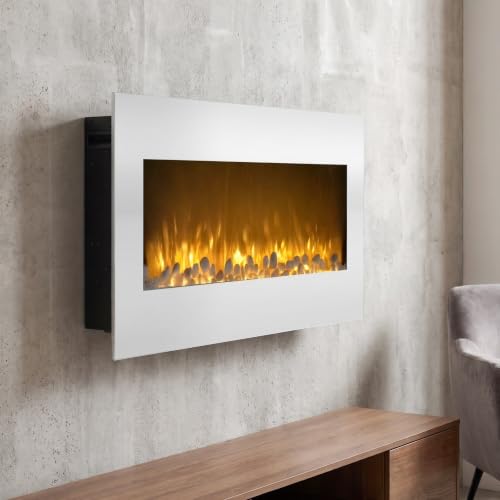
DIY Wall Fireplace: Complete Installation Guide
Transform any room with a stunning wall-mounted fireplace using our step-by-step installation guide and creative design ideas
EXPLORE OPTIONSA wall fireplace offers the perfect combination of warmth, ambiance, and space-saving design. Unlike traditional fireplaces that require floor space and complex venting systems, wall-mounted fireplaces can be installed in virtually any room, making them an ideal choice for apartments, small homes, or rooms where floor space is at a premium.
Installing a DIY wall fireplace is a rewarding project that can be completed in a single weekend with basic tools and minimal skills. Whether you're looking to add a focal point to your living room, create a cozy atmosphere in your bedroom, or enhance the functionality of a home office, this comprehensive guide will walk you through everything you need to know to successfully install and enjoy your own wall-mounted fireplace.

Types of DIY Wall Fireplaces
Before beginning your installation project, it's important to understand the different types of wall fireplaces available. Each type has unique features, benefits, and installation requirements:
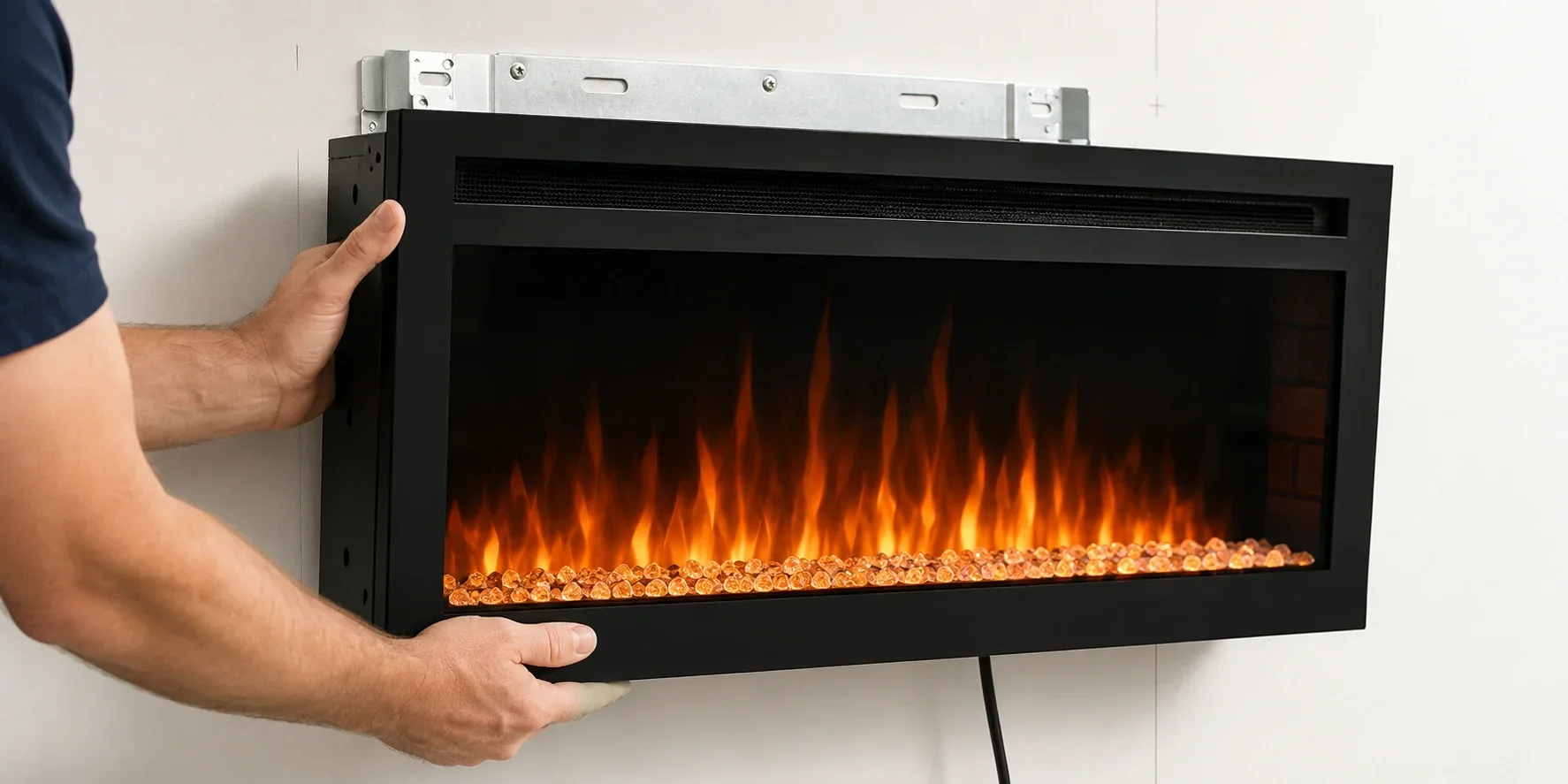
Electric Wall Fireplaces
The most popular option for DIY installation. These fireplaces simply plug into a standard electrical outlet and require no venting. They offer realistic flame effects with adjustable heat settings, making them perfect for any room in your home.

Ethanol Wall Fireplaces
These ventless fireplaces burn bioethanol fuel, producing real flames without smoke or ash. They're lightweight, easy to install, and don't require electrical connections, though they have higher ongoing operating tiers.
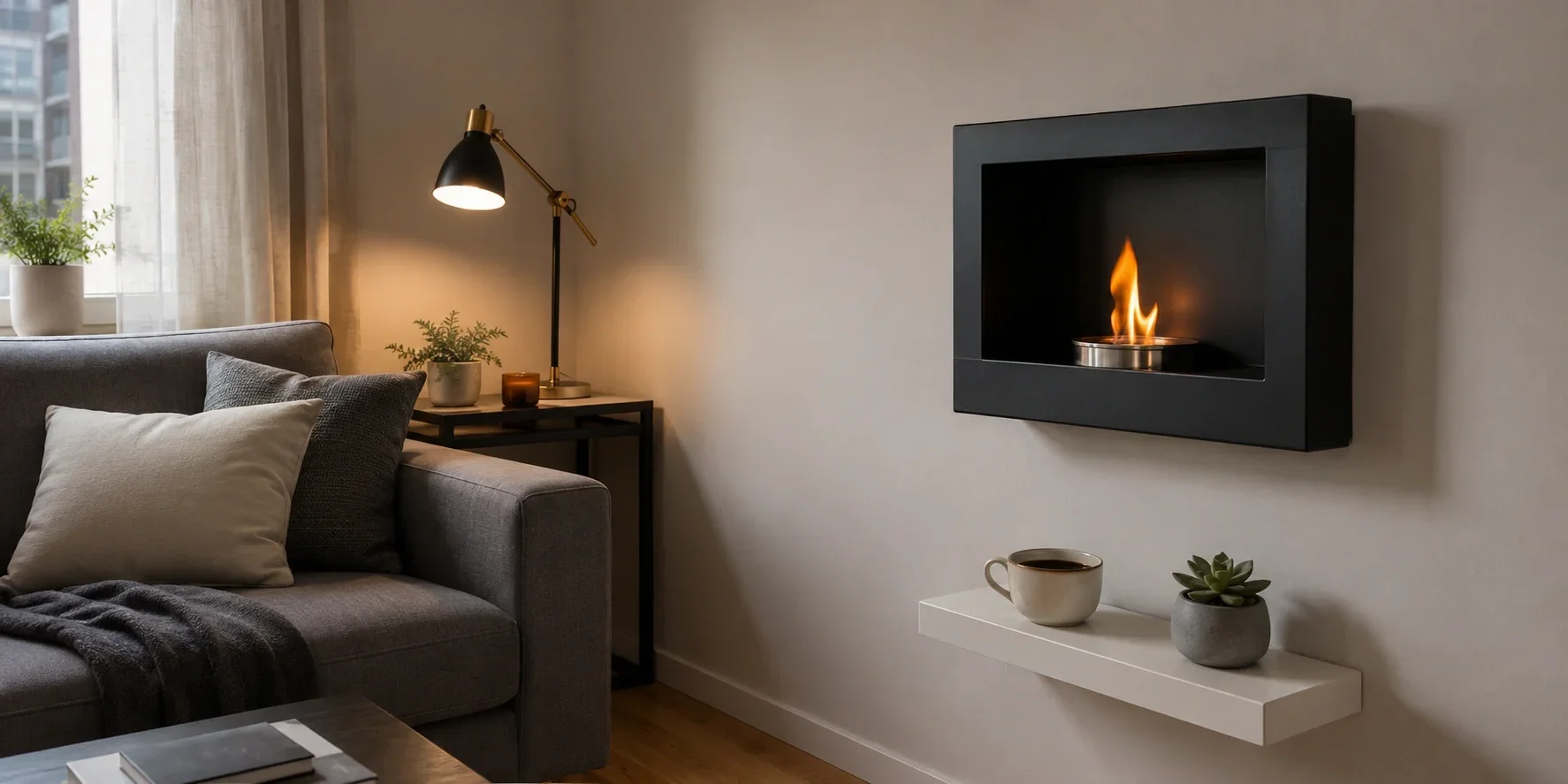
Gel Fuel Wall Fireplaces
Similar to ethanol fireplaces but use gel canisters instead of liquid fuel. They produce real flames with a crackling sound but have shorter burn times per fuel canister compared to ethanol options.
Recommendation for Beginners
For your first DIY wall fireplace project, we recommend starting with an electric wall fireplace. They offer the easiest installation process, lowest maintenance requirements, and best safety profile for DIY installers.
Essential Tools and Materials
Gather these tools and materials before starting your installation to ensure a smooth process:
Basic Tools Required
Stud Finder
Essential for locating wall studs to ensure secure mounting
Power Drill
For drilling pilot holes and driving screws into studs
Level
Ensures your fireplace hangs perfectly straight
Measuring Tape
For precise measurements and proper positioning
Screwdriver Set
Both Phillips and flathead for various screw types
Pencil
For marking stud locations and mounting points
Wire Strippers
If hardwiring your fireplace (optional)
Safety Glasses
Protect your eyes during drilling and installation
Additional Materials
- Wall-mounted fireplace unit
- Mounting bracket (usually included with fireplace)
- Appropriate screws and wall anchors (may need to purchase separately)
- Electrical cord cover or in-wall power kit (for clean installation)
- Protective material for floor during installation
- Helper (recommended for lifting and positioning heavier units)
Step-by-Step Installation Guide
Follow these detailed steps to properly install your wall-mounted fireplace:
Select the Perfect Location
Choose a wall location that meets these criteria:
- Near an electrical outlet (for electric fireplaces) or where you can safely route power
- At least 3 feet from flammable materials like curtains, furniture, or bedding
- At a comfortable viewing height (typically with the center 40-42 inches from the floor)
- On a wall that can support the weight of the fireplace (not on a partition wall unless properly reinforced)
- Where the fireplace will serve as a focal point without disrupting room flow
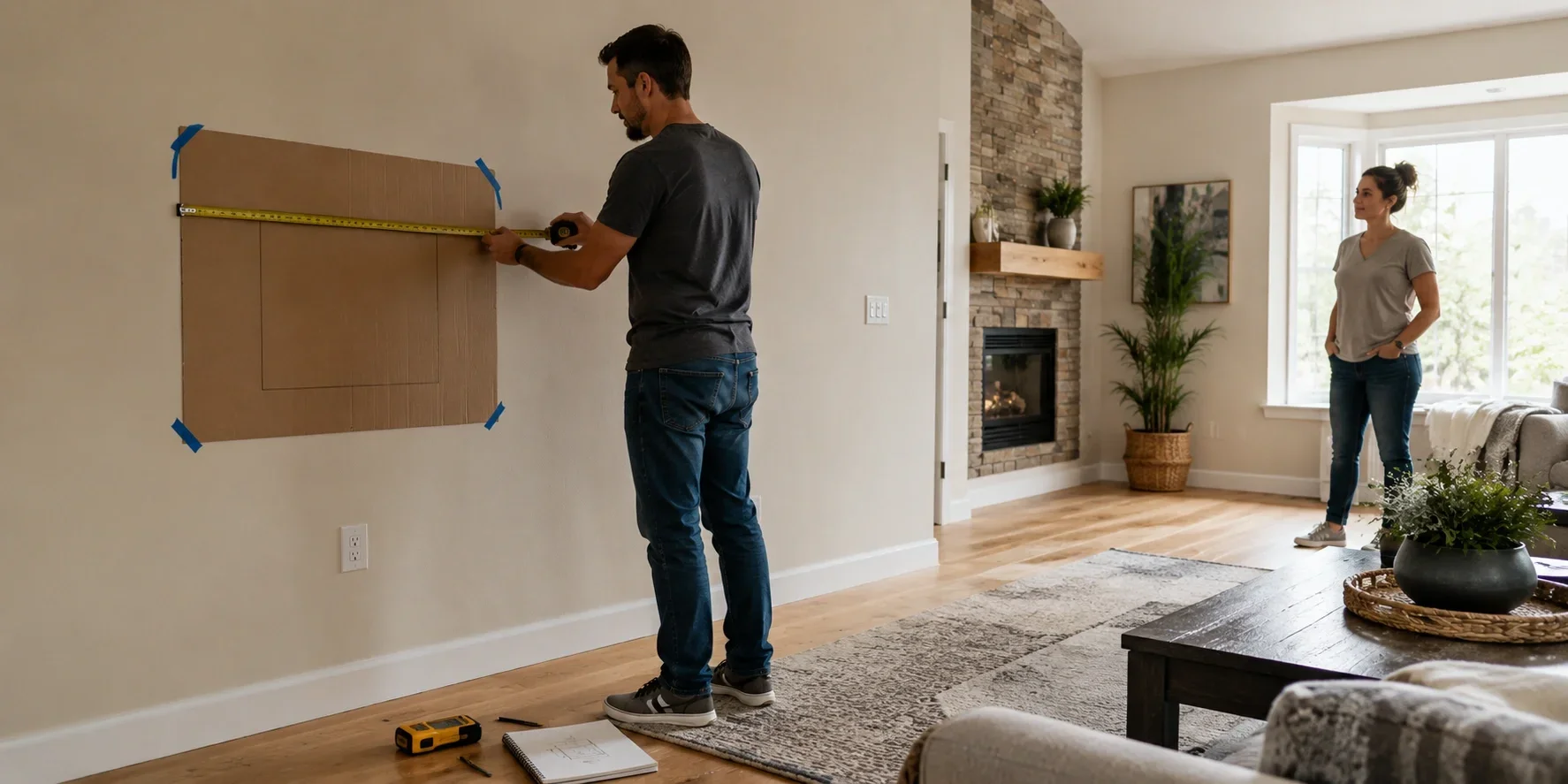
Find and Mark Wall Studs
Using your stud finder, locate the wall studs in your chosen installation area. Mark their positions with a pencil. Most wall-mounted fireplaces should be secured to at least two studs for proper support. If you can't locate studs in the ideal position, you may need to use heavy-duty wall anchors rated for the weight of your fireplace.
Pro Tip
Studs are typically spaced 16 inches apart. Mark the center of each stud, not just the edges, to ensure your screws hit the strongest part of the wood.
Prepare the Mounting Bracket
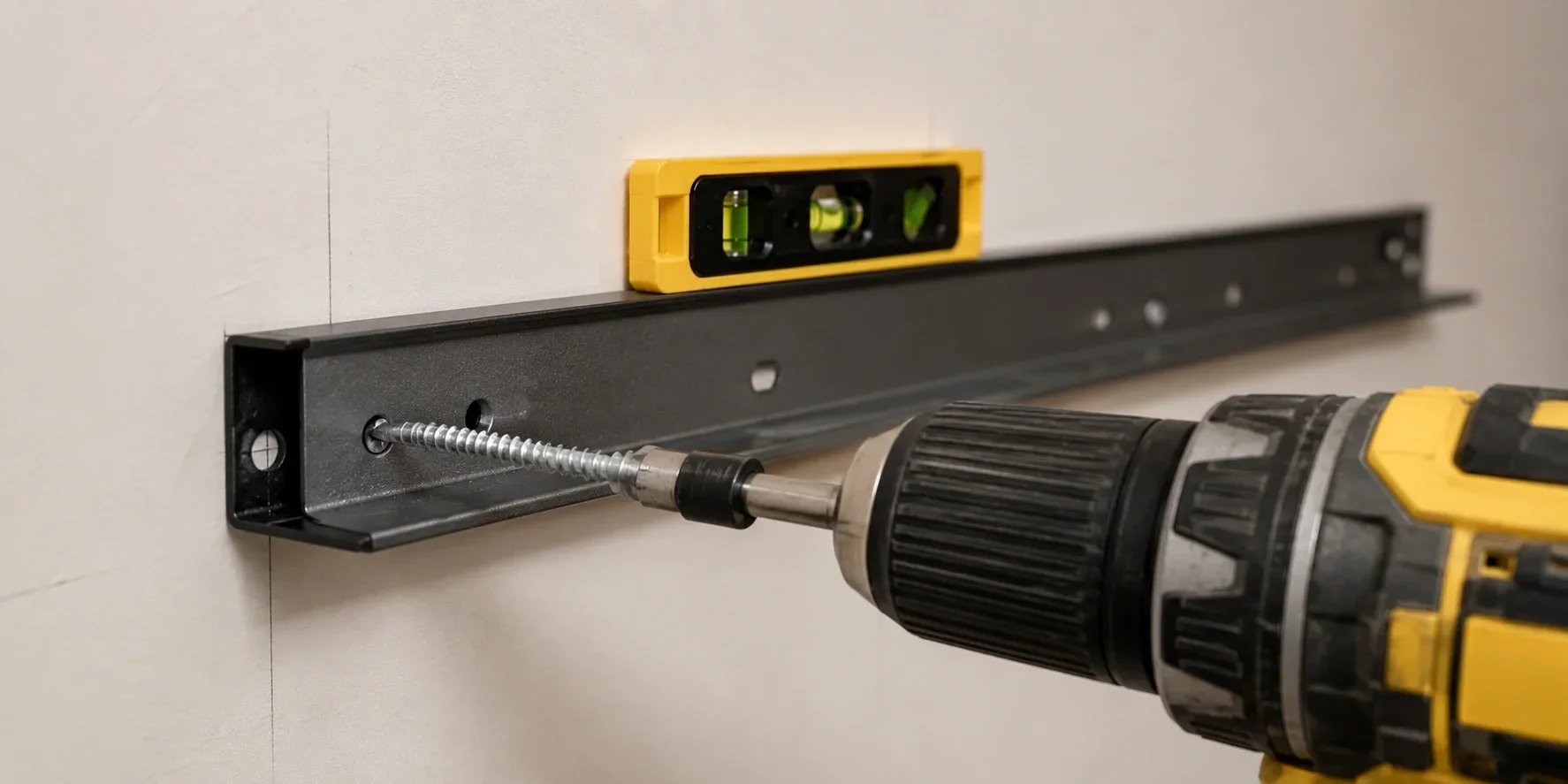
Hold the mounting bracket against the wall in your desired position. Use a level to ensure it's perfectly horizontal. Mark the screw holes through the bracket onto the wall. Double-check your measurements before proceeding to ensure the bracket is centered and level.
Install the Mounting Bracket
Drill pilot holes at your marked locations, being careful not to drill too deep. Attach the bracket to the wall using the appropriate screws. If drilling into studs, use wood screws at least 2.5 inches long. If using wall anchors, follow the manufacturer's instructions carefully. Ensure all screws are tight but don't overtighten, which could damage the bracket or wall.
Prepare the Fireplace Unit
Remove any packaging and protective materials from the fireplace. If your unit has a separate back panel or mounting plate, attach it according to the manufacturer's instructions. For heavier units, this is a good time to enlist a helper to assist with lifting.
Hang the Fireplace
Carefully lift the fireplace and align it with the mounted bracket. Most wall fireplaces have a hook-and-slot system that allows you to hang the unit on the bracket. Some models may require you to tilt the unit slightly to engage the mounting mechanism. Once in place, check that the fireplace is secure by gently pulling it away from the wall.
Safety Warning
Never attempt to hang a heavy wall fireplace alone. Always have at least one helper to assist with lifting and positioning. If the unit feels unstable after hanging, do not leave it unattended—recheck your installation immediately.
Complete Electrical Connection
For plug-in models, simply connect the power cord to a nearby outlet. For a cleaner look, use a cord cover to hide the wire along the wall, or consider hiring an electrician to install a recessed outlet directly behind the fireplace. If hardwiring the unit (recommended for permanent installations), ensure the power is off at the circuit breaker before making any electrical connections.
Final Adjustments and Testing
Once installed, make any final adjustments to ensure the fireplace is perfectly level and properly seated on the bracket. Test all functions—heater, flame effects, lights, and remote control if applicable. Run the fireplace for at least 15 minutes to ensure proper operation before completing your installation.

Investment Tier Breakdown for DIY Wall Fireplace
Understanding the investment tiers involved helps you plan appropriately for your project:
| Component | Investment Tier | Notes |
|---|---|---|
| Electric Wall Fireplace Unit | Entry-level to Mid-range | Tier varies by size, features, and brand |
| Ethanol Wall Fireplace | Entry-level to Mid-range | Higher initial tier but no electrical needs |
| Mounting Hardware | Entry-level | Often included, but may need upgrades |
| Cord Cover/Concealment | Entry-level | For clean installation appearance |
| Tools (if not owned) | Entry-level to Mid-range | Basic tools can be used for other projects |
| Electrical Work (if hiring) | Entry-level to Mid-range | For hardwired installations only |
| TOTAL ESTIMATED TIER | Entry-level to Mid-range | Most DIY projects fall in the entry-level to mid-range |
Compared to professional installation, which typically shifts the project into the mid-range to premium tier, DIY installation offers significant savings. The ongoing operating tiers will also vary by fireplace type, with electric models being the most economical to run.
Wall Fireplace Design Ideas
Get inspired with these creative ways to incorporate a wall fireplace into your home:
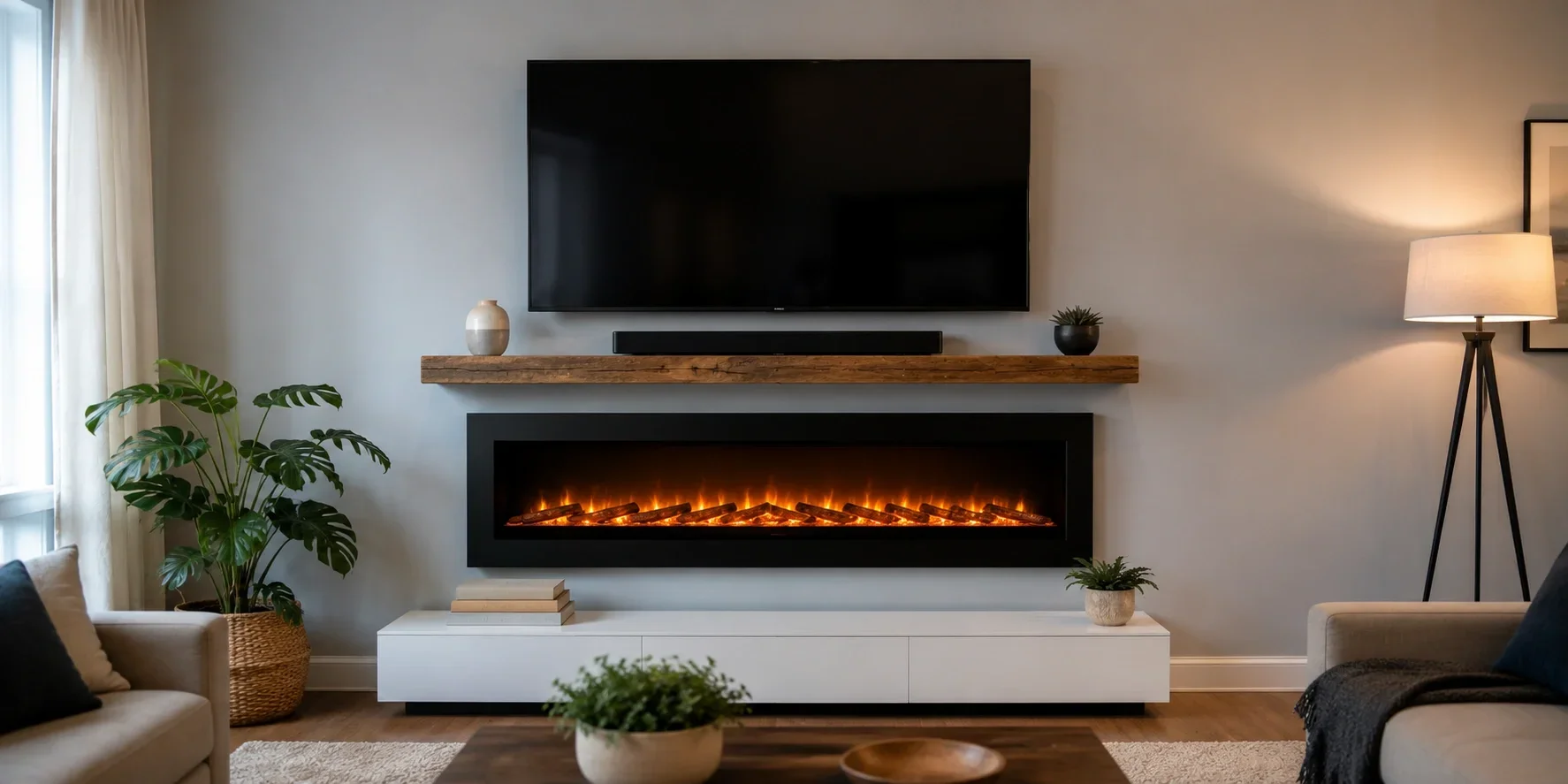
Below-TV Installation: Create a cohesive entertainment center by mounting your fireplace directly below your television

Bedroom Headboard: Replace a traditional headboard with a wall-mounted fireplace for a luxurious bedroom focal point

Bathroom Spa: Add a wall fireplace to your bathroom for a spa-like retreat (ensure proper moisture-rated models)

Home Office Accent: Enhance productivity and comfort by adding a fireplace to your workspace
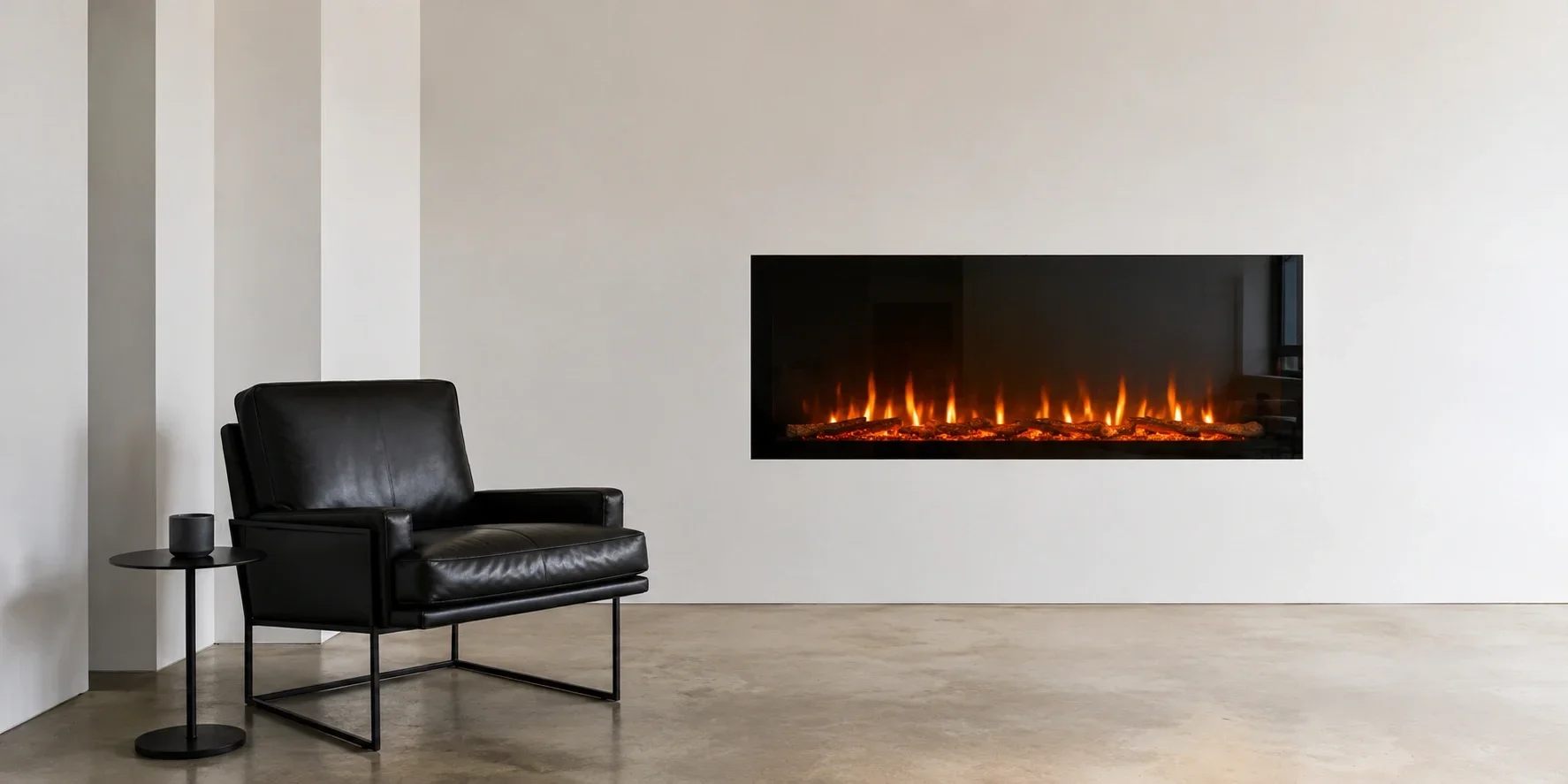
Minimalist Design: Choose a frameless, black or white fireplace for a sleek, contemporary look
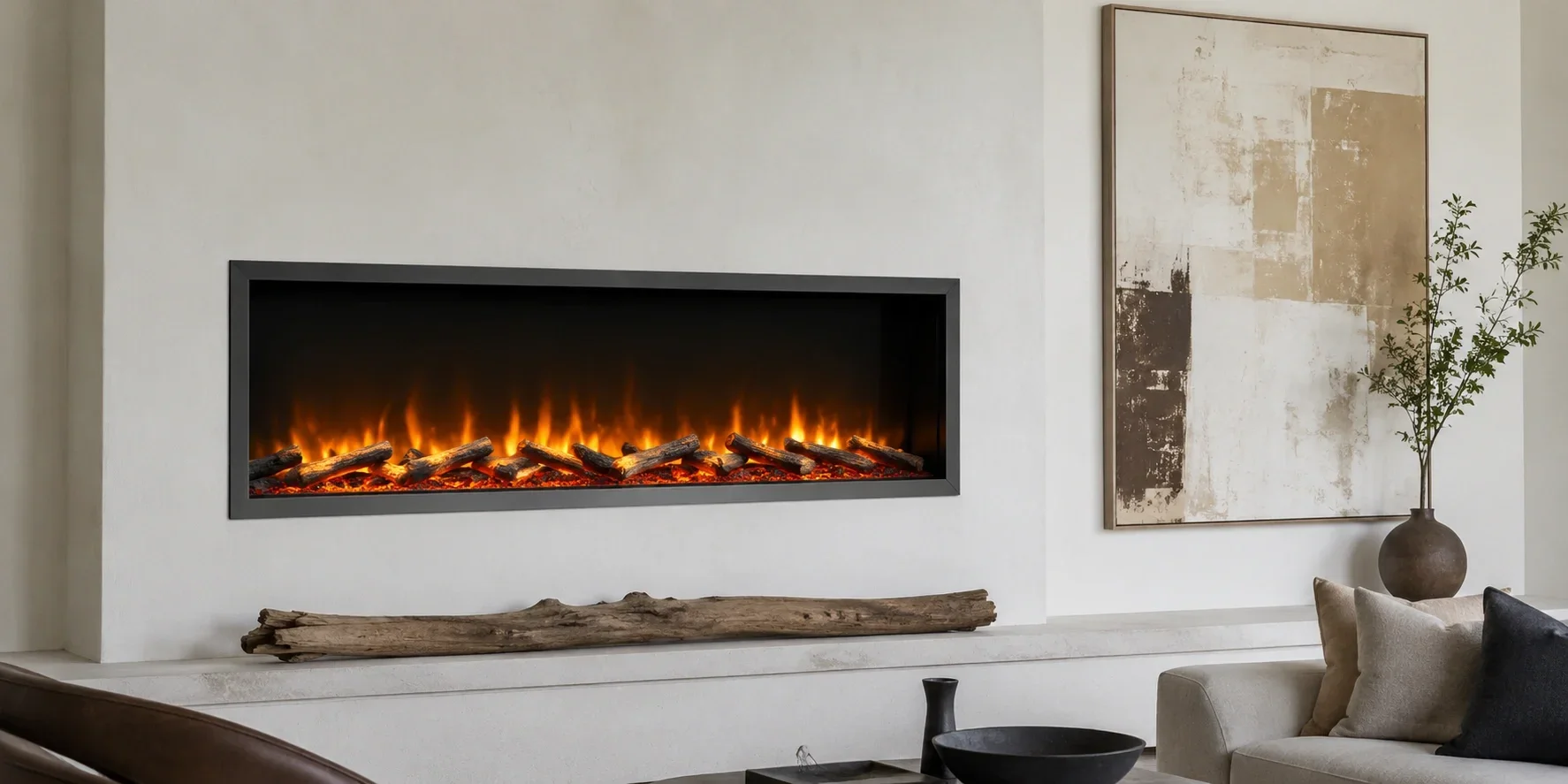
Recessed Installation: Create a built-in look by recessing the fireplace into the wall cavity
Important Safety Considerations
While wall fireplaces are generally safe when properly installed, following these safety guidelines is essential:
Installation Safety
- Always turn off power at the circuit breaker before making electrical connections
- Never exceed the weight capacity of your wall or mounting hardware
- Use appropriate fasteners for your wall type (drywall with studs, concrete, brick, etc.)
- Follow the manufacturer's installation instructions precisely
- Consider hiring a professional electrician for hardwired installations
Placement Safety
- Maintain minimum clearances from combustible materials (check manufacturer specifications)
- Avoid installing above beds or other furniture where people might be directly underneath
- Keep the area around the fireplace clear of flammable objects
- Don't install in bathrooms unless the fireplace is specifically rated for moisture environments
- Ensure the fireplace won't block exits or create tripping hazards with cords
Operational Safety
- Never leave the fireplace unattended when in use
- Keep children and pets away from the fireplace when it's operating
- Don't use extension cords with electric fireplaces—plug directly into an outlet
- Turn off and unplug the fireplace when not in use for extended periods
- Install smoke detectors and carbon monoxide detectors as an extra precaution
Critical Safety Warning
If you notice any unusual sounds, smells, or performance issues with your wall fireplace, turn it off immediately and unplug it. Consult the manufacturer's troubleshooting guide or contact a qualified technician before using it again.
Maintenance Tips for Wall Fireplaces
Proper maintenance ensures your wall fireplace operates safely and efficiently for years to come:
Regular Maintenance Tasks
- Dust the exterior surface weekly with a soft, dry cloth
- Clean the glass front with a non-abrasive glass cleaner when needed
- Check that all vents are unobstructed and free from dust buildup
- Inspect the power cord for any damage or wear
- Test all functions (heat, flame effects, controls) monthly
Seasonal Maintenance
- Deep clean the interior components before the heating season begins
- Check and tighten all mounting hardware annually
- For ethanol fireplaces, clean the fuel reservoir and burner components
- Have a professional inspect hardwired electrical connections every few years
- Store ethanol fuel properly during summer months if not using year-round
For more detailed maintenance information, check our comprehensive guide to electric fireplace maintenance.
Wall Fireplaces vs. Other Options
Understanding how wall fireplaces compare to other options helps you make the best choice for your space:
Wall-Mounted vs. Built-In Fireplaces
While both save floor space, wall-mounted fireplaces are significantly easier to install and can be removed if needed. Built-in fireplaces offer a more permanent, customized look but require professional installation and structural modifications. Wall-mounted options are ideal for renters or those who may move in the future.
Wall Fireplaces vs. Traditional Floor Models
Wall fireplaces free up valuable floor space and create a modern, streamlined appearance. Traditional floor models offer more size options and often more realistic flame effects, but require dedicated floor space and typically more complex installation. For small spaces or modern interiors, wall-mounted options are usually preferable.
Electric vs. Ethanol Wall Fireplaces
Electric wall fireplaces offer lower operating tiers, adjustable heat settings, and no fuel storage requirements. Ethanol models provide real flames without electricity but have higher ongoing operating tiers and shorter burn times per refueling. Electric options are generally more practical for frequent use, while ethanol fireplaces work well for occasional ambiance.
Frequently Asked Questions
Can I install a wall fireplace on any type of wall?
Wall fireplaces can be installed on most wall types, but the mounting method differs. For drywall, you must locate and mount to studs. For concrete or brick walls, you'll need appropriate masonry anchors. Plaster walls may require special reinforcement. Always verify your wall can support the weight before installation.
How much weight can a wall-mounted fireplace be?
Wall fireplaces typically range from 30-150 pounds, with most standard models weighing 40-80 pounds. The weight capacity depends on your mounting hardware and wall construction. When properly mounted to studs, most walls can support fireplaces up to 100+ pounds.
Do wall fireplaces really heat a room?
Most electric wall fireplaces are designed for supplemental heating rather than as a primary heat source. They typically produce 4,000-5,000 BTUs, enough to heat a 400-square-foot room effectively. For larger spaces or primary heating, you would need multiple units or a different heating solution. Learn more about electric fireplace heating capabilities.
Can I install a wall fireplace myself or do I need a professional?
Most plug-in electric wall fireplaces are designed for easy DIY installation and can be completed in 1-2 hours. However, if you're uncomfortable with basic home improvement tasks, have an unusually heavy unit, or want to hardwire the fireplace, hiring a professional is recommended. For DIY feasibility by fireplace type, check our detailed guide.
How close to the ceiling can I install a wall fireplace?
Most manufacturers recommend leaving at least 12-18 inches of clearance above the fireplace to allow for proper ventilation and heat dissipation. Some ultra-slim models may allow for closer installation, but always follow the specific clearance requirements in your fireplace's installation manual.
Final Tips for a Successful Installation
- Read the instructions completely before starting: Familiarize yourself with all steps and requirements before beginning your installation.
- Take your time with measurements: Measure twice, drill once. Accurate measurements are crucial for a level, secure installation.
- Consider the viewing angle: Position the fireplace where it can be enjoyed from the primary seating areas in the room.
- Plan for cord management: Decide how you'll handle the power cord before installation to ensure a clean, finished look.
- Think about seasonal use: If you want to enjoy the flame effect without heat in summer, choose a model with separate flame and heat controls.
- Check local building codes: Some areas may have specific requirements for fireplace installations, even electric ones.
- Keep your receipt and warranty information: Register your product with the manufacturer to ensure full warranty coverage.
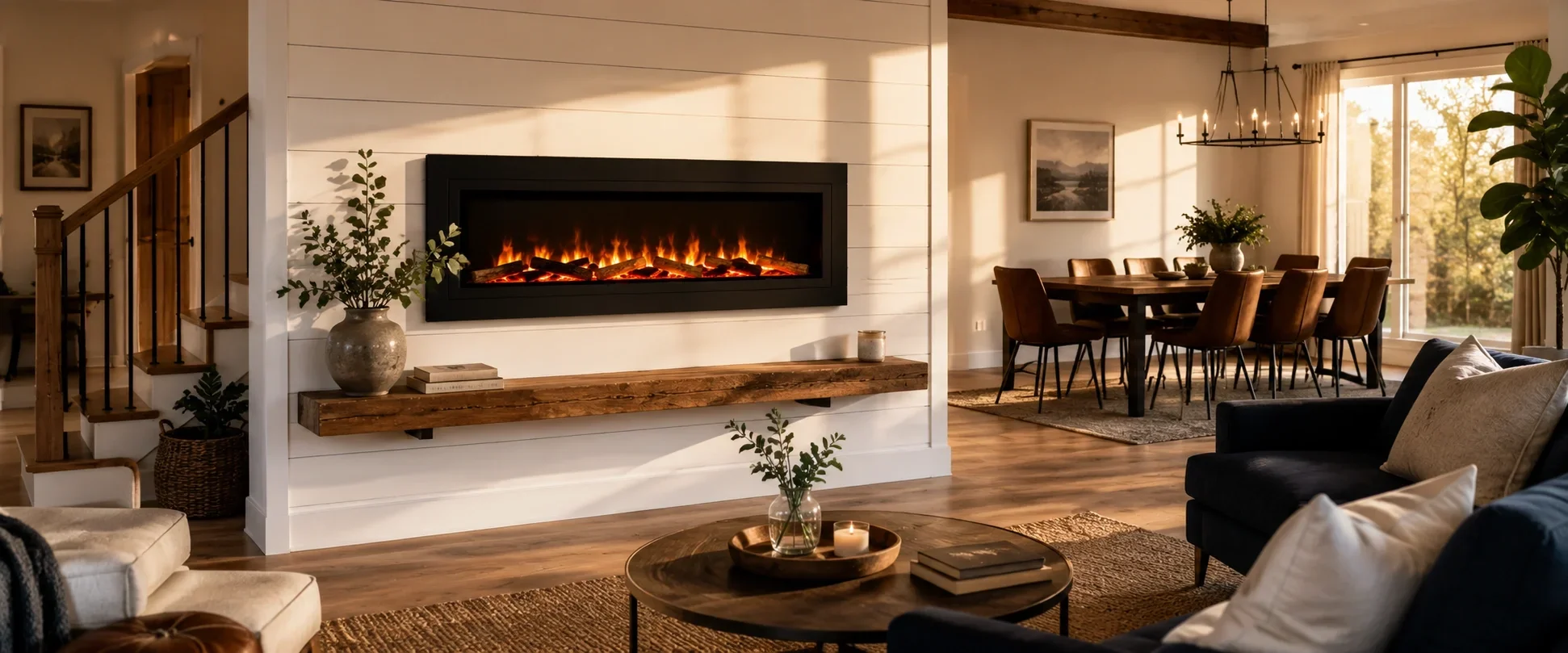
Installing a DIY wall fireplace is a rewarding project that can transform the ambiance and comfort of any room in your home. With the right preparation, tools, and following the proper installation techniques outlined in this guide, you can enjoy the warmth and beauty of a fireplace without the complexity and effort of traditional installations.