Gas Fireplace Weak Flame? Here's How to Fix It Fast
A weak, low, or flickering flame on your gas fireplace isn't just an eyesore—it signals an underlying issue with efficiency, safety, or cleanliness. Most fixes are simpler than you think.
VIEW STEP-BY-STEP FIXES
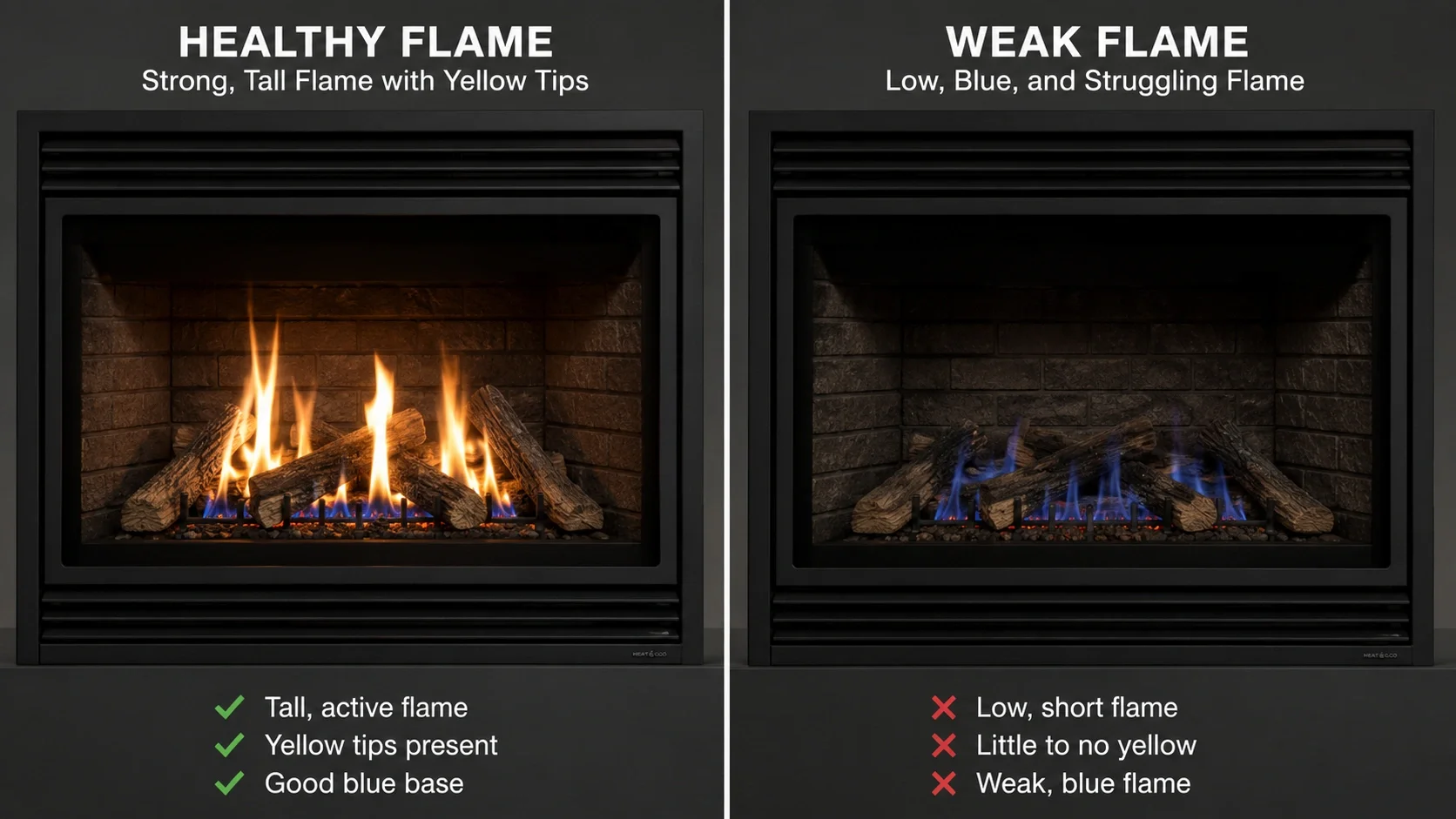
Troubleshooting Goal: A healthy gas fireplace flame should be steady, blue at the base with a yellow tip, and reach a height appropriate for your model. If your flame is significantly lower than usual or mostly blue/transparent, follow this guide to restore its warmth and ambiance safely.
Why Is My Gas Fireplace Flame So Low?
Noticing a weak flame on your gas fireplace can be concerning, especially as temperatures drop. The issue typically boils down to a few key culprits: an obstructed burner, improper gas pressure, or a malfunctioning thermocouple. Before you call a technician, there are several safe DIY checks you can perform. This guide walks you through diagnosing and fixing a low flame, whether you have a vented fireplace requiring a chimney sweep or a modern ventless model needing a simple cleaning.
Common Causes of a Weak Flame
Understanding the root cause is half the battle. While a sudden drop in performance might point to a specific component failure, a gradually weakening flame is often maintenance-related. If you also notice a gas odor accompanying the weak flame, shut off the unit immediately and contact a professional.
1. Dirty or Clogged Burner Ports
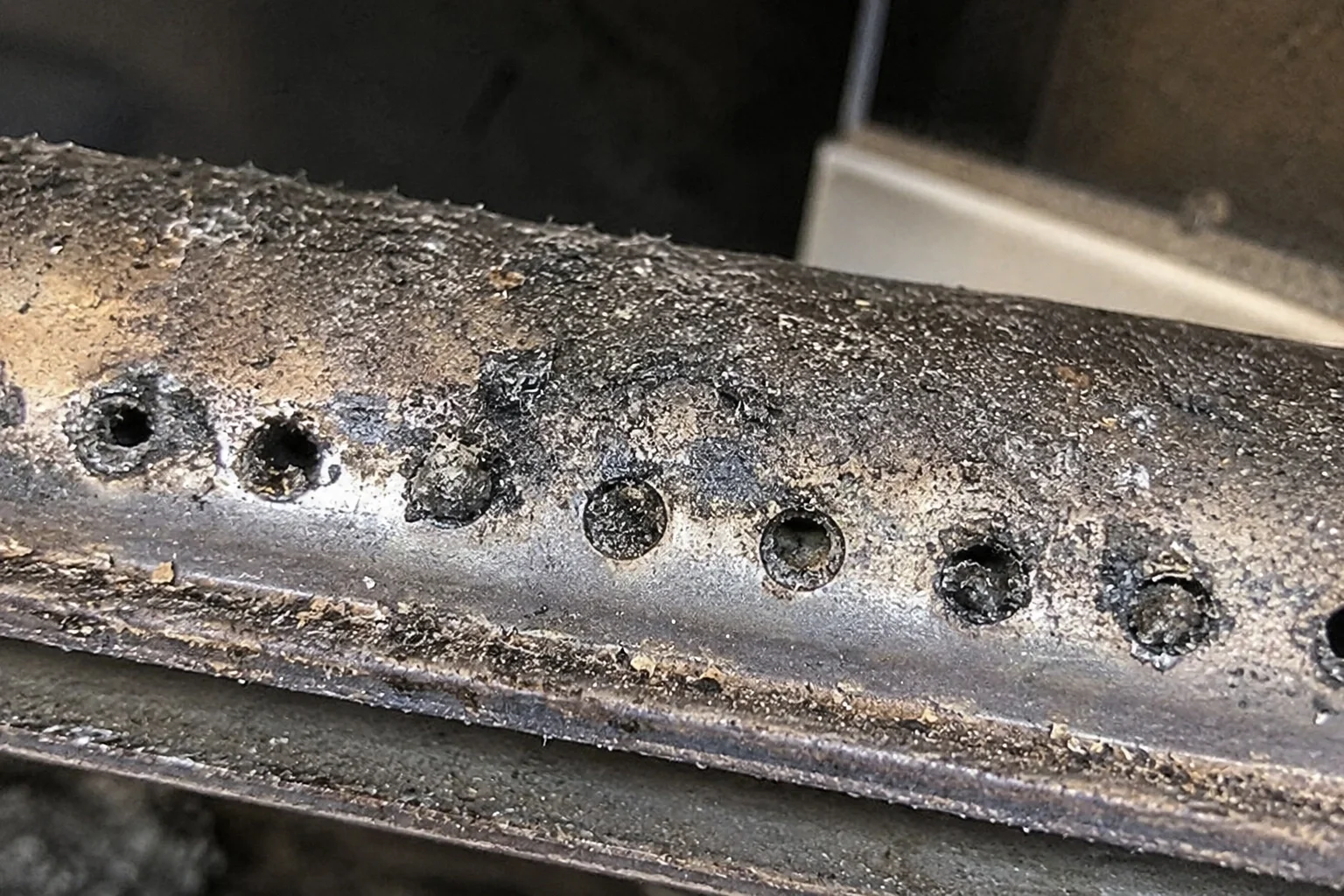
Dust, pet hair, soot, and debris can accumulate in the burner ports over time. This restricts gas flow, resulting in an uneven or low flame. This is the most common cause of a weak flame in propane fireplaces and natural gas units alike.
2. Faulty Thermocouple or Thermopile
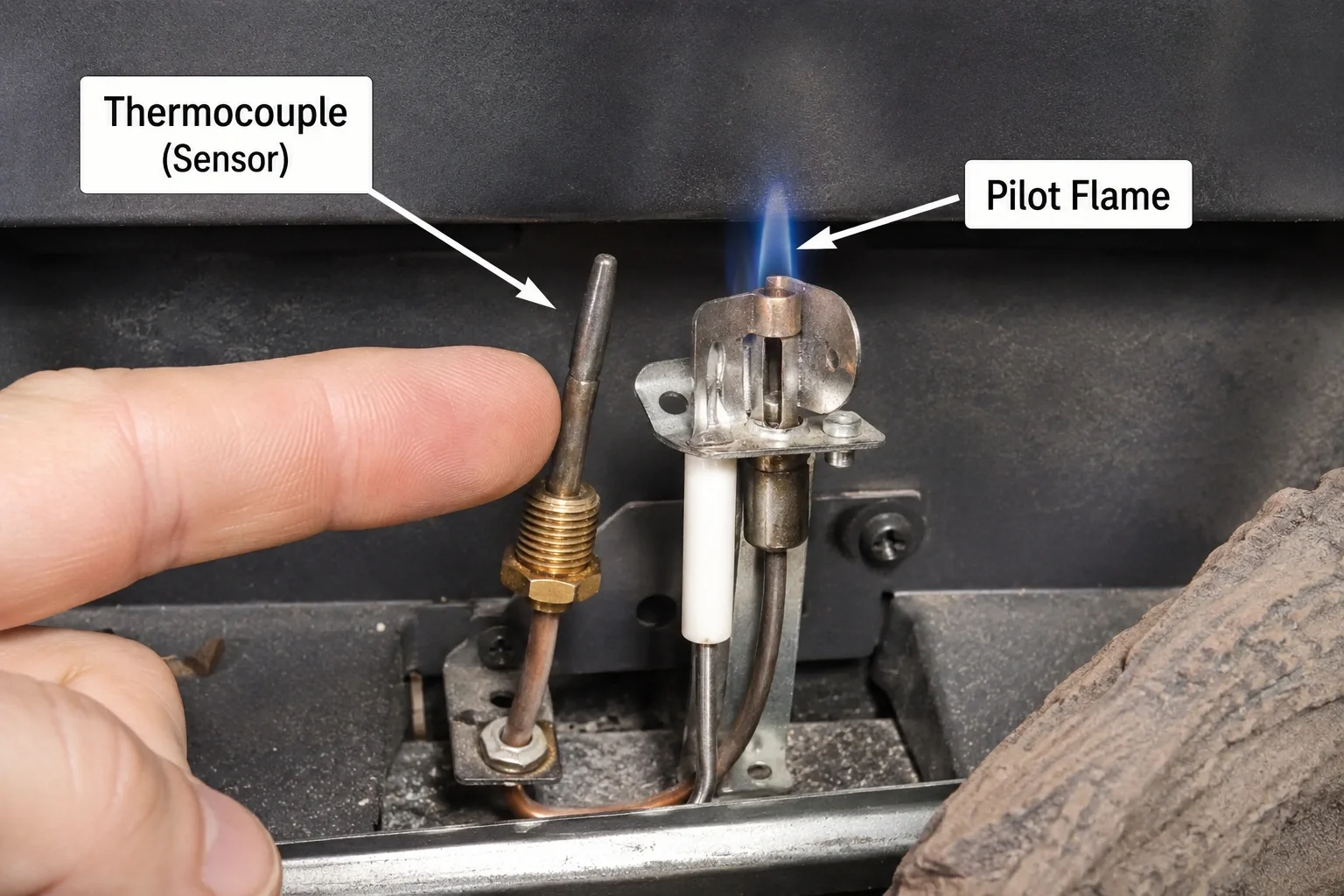
If the pilot light keeps going out or the flame is very small, a failing thermocouple might be the cause. This safety sensor regulates gas flow. When it malfunctions, it can limit the gas supply, thinking the pilot is out when it isn't.
3. Incorrect Gas Pressure
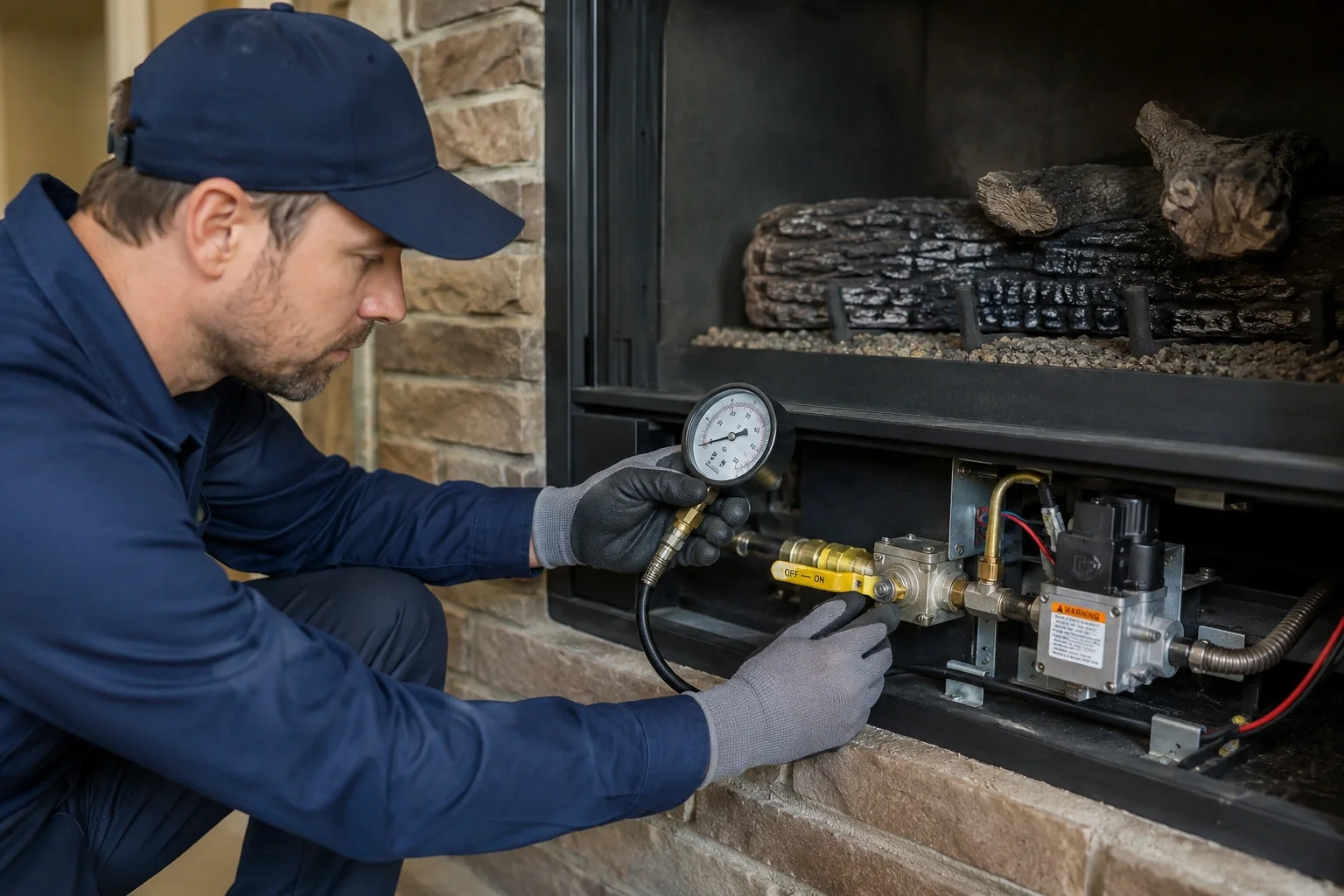
A natural gas line delivering insufficient pressure or a nearly empty propane tank can starve the fireplace. The flame might look small and almost entirely blue. This requires a manometer check, best done by a professional during a gas fireplace inspection.
4. Blocked Venting or Flue
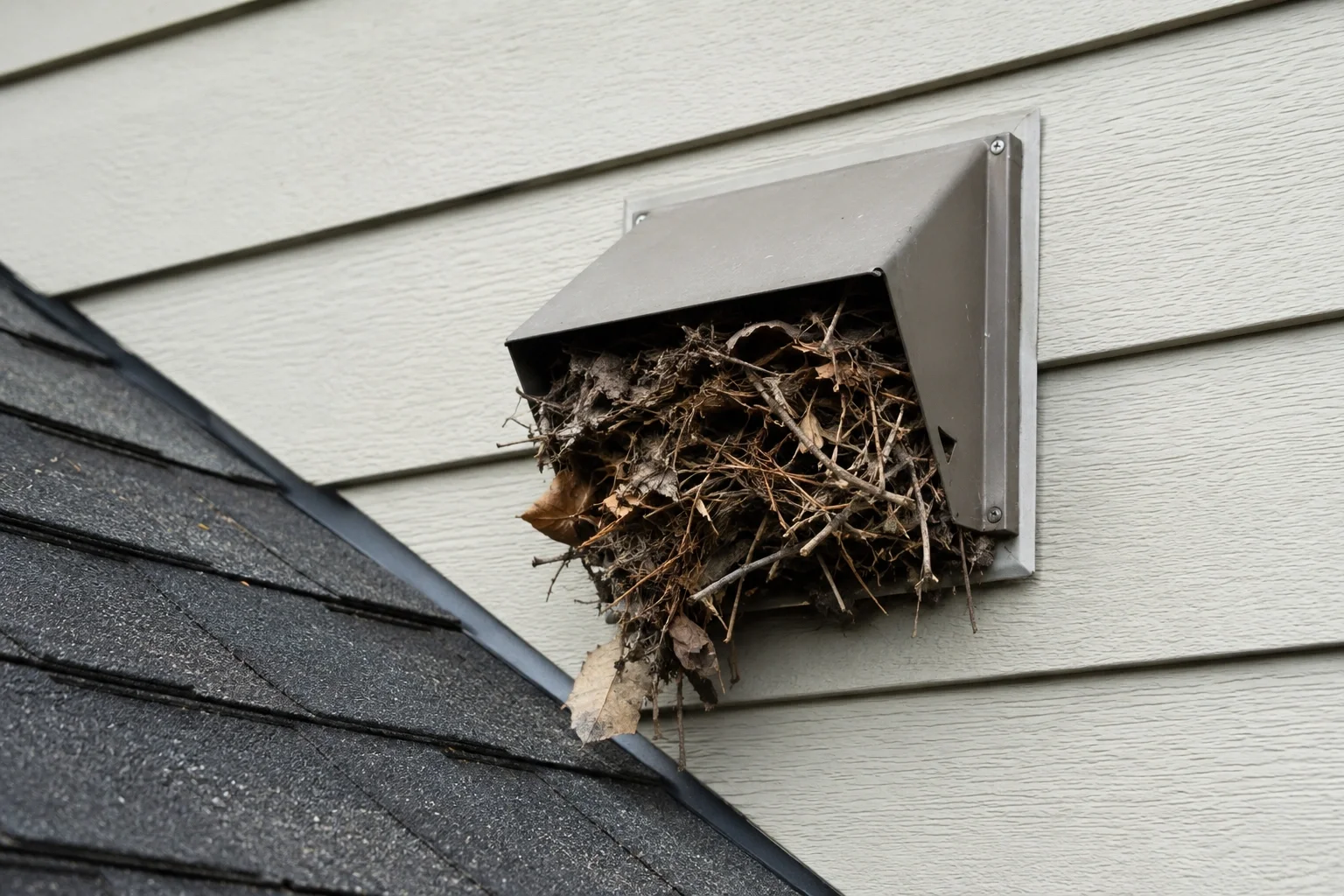
For vented systems, a blockage in the chimney or vent termination cap can disrupt combustion air. Wasps nests, leaves, or even a closed damper can choke the fire, leading to a weak, lazy flame and potential carbon monoxide spillage into the room.
How to Fix a Weak Gas Fireplace Flame
Follow these steps in order, from the easiest safety checks to more involved cleaning. Always ensure the fireplace is completely cool and the gas supply is off at the shut-off valve before starting any maintenance. If you are unsure about a step, consult the installation guide for your specific model or call a certified technician.
-
Check the Flame Adjustment Knob
Many gas fireplaces have a high/low flame adjustment knob near the gas valve. It might have been accidentally turned down. Try rotating it to the highest setting to see if the flame height increases. If your unit uses a remote or wall switch, ensure the flame level isn't set to the minimum via the fireplace remote control.
-
Inspect and Clean the Pilot Assembly
A weak pilot flame directly impacts the main burner. Turn off the gas, wait 10 minutes, and carefully remove the decorative logs and glass panel. Locate the pilot assembly. Use compressed air or a can of compressed gas duster to blow dust away from the pilot orifice. A clean, sharp blue pilot flame is essential for proper ignition.
-
Deep Clean the Burner Ports
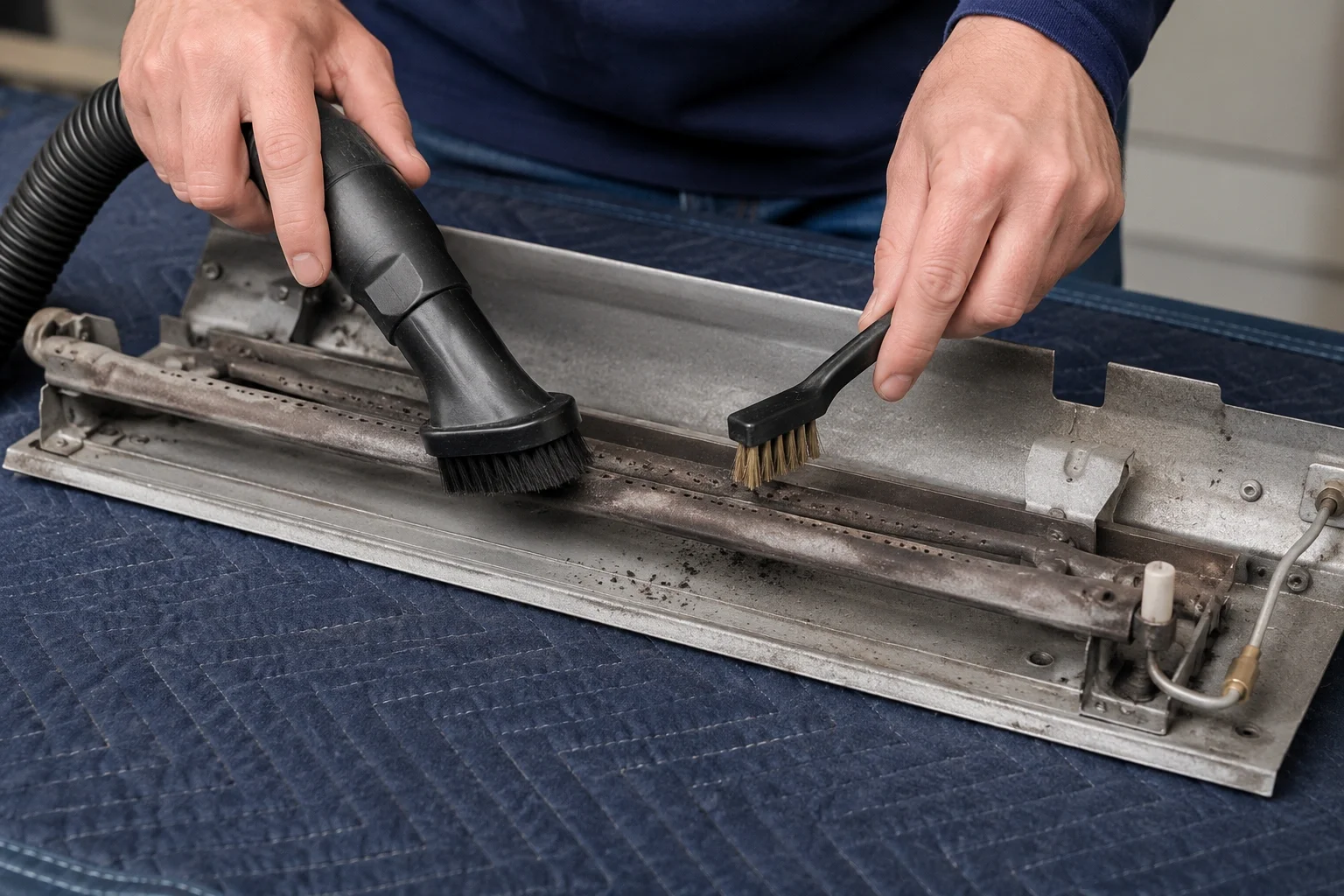
With the gas off and the components cool, remove the burner pan or tube (following your owner's manual). Use a soft brush or a vacuum with a brush attachment to remove loose debris. For clogged holes, gently poke them clear with a paper clip or a needle. Avoid damaging the brass ports. This is part of a critical gas fireplace burner cleaning routine that should be done annually.
-
Verify the Media Placement
If you are using ceramic fireplace logs or fire glass, they must be arranged exactly as shown in the instruction manual. Incorrect placement can block the flame ports and restrict the airflow, resulting in a weak orange flame. Re-stack them carefully, ensuring no decoration sits directly over the burner holes.
-
Inspect the Venting System
For direct vent models, go outside and check the termination cap. Clear away any leaves, spider webs, or snow. Inside, ensure the vent pipes haven't slipped apart. A restricted vent impacts the oxygen supply, drastically reducing the flame. If you experience a backdraft or smoke problem, the venting might be the root cause.
-
Test the Thermopile Voltage
If the flame is still weak and the unit struggles to stay lit, the thermopile might be producing low millivolts. You can test it with a multimeter; it should usually read above 325 millivolts. A failing thermopile cannot open the gas valve fully. Replacement costs typically range from $15 to $40 for the part.
When to Call a Professional
If you've thoroughly cleaned the burner, checked the venting, and the flame is still extremely weak, the problem likely lies in the gas supply line or the internal valve. A plumber or HVAC technician with a gas license can measure the manifold pressure. The cost for a service call to diagnose and adjust gas pressure typically falls between $100 and $250. Considering the safety risks, it's worth the investment. For a long-term solution, you might explore a gas fireplace insert upgrade if your unit is over 15 years old and consistently underperforming.

Neglecting a weak flame can lead to dangerous soot buildup or carbon monoxide production. If you see black soot on the glass or feel that the flame is floating above the burner, stop using the fireplace immediately and schedule a service. A proper fireplace maintenance routine can prevent these issues before they start.