Vintage Fireplaces: Timeless Elegance for Your Home
Discover authentic period styles, restoration techniques, and how to bring classic charm to modern living spaces
EXPLORE VINTAGE COLLECTION
What Defines a Vintage Fireplace?
Vintage fireplaces typically refer to units manufactured between the late 1800s through the mid-1900s, representing distinct architectural periods and design movements. Unlike antique fireplaces (pre-1800s), vintage pieces often incorporate early manufacturing techniques while maintaining handcrafted details that mass-produced modern units lack.
Key characteristics include period-specific materials, ornamental details reflecting the era's design philosophy, quality construction using traditional methods, and distinctive architectural elements that identify their historical period. These fireplaces often feature elaborate mantels, decorative surrounds, and craftsmanship details that serve as artistic statements beyond their heating function.
Historical Periods and Influences
Vintage fireplaces reflect the design evolution from the Industrial Revolution through the mid-20th century. Each period brought distinct aesthetic preferences, technological advances, and cultural influences that shaped fireplace design. Understanding these periods helps identify authentic pieces and guides restoration decisions.
Popular Vintage Fireplace Styles
Different eras produced distinctive fireplace designs that continue to influence contemporary choices. Here are the most sought-after vintage styles:
Victorian (1837-1901)
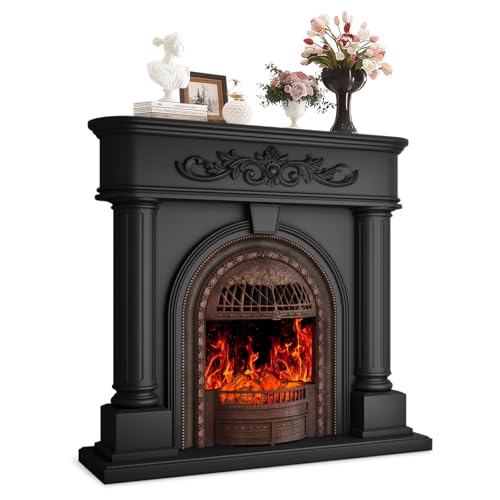
Characterized by ornate carvings, marble surrounds, decorative tile inserts, and elaborate cast iron details. Victorian fireplaces emphasize opulence with intricate floral motifs and rich materials.
Art Deco (1920s-1930s)
Geometric patterns, streamlined forms, and bold contrasting materials define Art Deco fireplaces. Features include chrome accents, stepped designs, and stylized motifs reflecting the era's modernism.
Craftsman (1900-1930)
Emphasizes natural materials, simple lines, and handcrafted quality. Craftsman fireplaces often feature brick or stone surrounds, built-in cabinetry, and mission-style details celebrating artisanal work.
Edwardian (1901-1914)
Lighter and more refined than Victorian designs, Edwardian fireplaces feature delicate proportions, pastel tiles, and elegant simplicity while maintaining quality craftsmanship and decorative elements.
Mid-Century Modern (1940s-1960s)
Clean lines, organic forms, and integration with surrounding architecture. These fireplaces often feature brick surrounds, floating hearths, and minimalist designs that complement modern interiors.
Gothic Revival (1840-1880)
Medieval-inspired designs with pointed arches, tracery details, and dark stone or wood construction. Gothic fireplaces create dramatic focal points with historical romance and architectural grandeur.

Key Features of Authentic Vintage Fireplaces
Identifying genuine vintage fireplaces requires understanding their distinctive characteristics and construction methods that set them apart from modern reproductions.
- Quality Materials: Solid marble, genuine cast iron, hand-cut stone, and real wood rather than veneers or composites commonly used in modern units
- Handcrafted Details: Carved mantels, hand-painted tiles, forged metalwork, and other artisanal elements that demonstrate individual craftsmanship
- Period-Specific Hardware: Original dampers, grates, and tools that match the era's manufacturing techniques and design standards
- Architectural Integration: Designed as integral room elements rather than standalone appliances, with proportions and details complementing period architecture
- Patina and Age Signs: Natural wear patterns, color variations, and material aging that authenticates historical origin and adds character
- Proportional Harmony: Dimensions and scaling that reflect period design principles rather than modern space-saving considerations
These features contribute to both aesthetic value and historical authenticity. While some wear is expected and even desirable in vintage pieces, structural integrity should always be verified before purchase or installation. Many homeowners choose to incorporate vintage surrounds with modern inserts to combine historical appearance with contemporary efficiency.
Traditional Materials and Construction
Vintage fireplaces showcase materials that were both practical and artistic for their time, often using techniques that are either too costly or impractical for modern mass production.
Cast Iron
The backbone of vintage fireplace construction, cast iron provided excellent heat retention and distribution while allowing intricate decorative details. Victorian and Edwardian eras particularly favored elaborate cast iron designs with floral patterns, classical motifs, and architectural elements. Original cast iron pieces often bear manufacturer marks and dates that help authenticate their period.
Marble and Stone
Premium vintage fireplaces frequently incorporated marble surrounds, hearths, and decorative elements. Carrara marble was especially popular for Victorian pieces, while local stones were used for regional styles. The quality of stone cutting and polishing in vintage pieces often exceeds modern standards, with hand-finished surfaces showing exceptional craftsmanship.
Decorative Tiles
Victorian and Edwardian fireplaces often featured hand-painted ceramic tiles that served as both artistic elements and practical heat radiators. These tiles displayed intricate patterns, landscapes, or botanical designs that added color and visual interest. Original tile sets are highly sought after, with complete sets commanding premium prices due to their rarity and artistic value.
Wood and Wood Veneers
Mantels and surrounding cabinetry utilized quality hardwoods including oak, mahogany, walnut, and cherry. Craftsman-era pieces particularly celebrated solid wood construction with visible joinery and natural grain patterns. The quality of wood selection and finishing in vintage pieces often surpasses modern alternatives, with dense, stable materials that have aged gracefully.

Achieving Vintage Style with Modern Fireplaces
For homeowners who appreciate vintage aesthetics but prefer modern convenience and efficiency, several options provide the best of both worlds.
Vintage-Style Electric Fireplaces
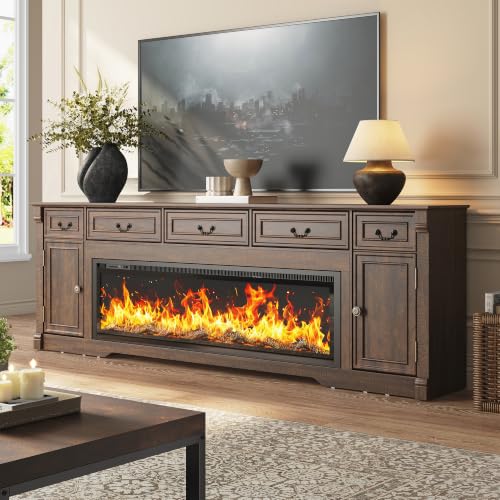
Modern electric fireplaces are available with vintage-inspired mantels and surrounds that authentically replicate period designs. These units offer the visual appeal of vintage fireplaces without the maintenance requirements, installation challenges, or efficiency limitations of authentic pieces. Many feature adjustable flame effects that can mimic the appearance of real fires while providing supplemental heating.
Gas Inserts with Vintage Surrounds
Installing modern gas fireplace inserts within vintage mantels and surrounds combines authentic period appearance with contemporary heating efficiency. This approach preserves historical elements while addressing practical concerns about heating performance, safety, and operating costs. Professional installation ensures proper venting while maintaining the vintage aesthetic.
Reproduction Vintage Fireplaces
Several manufacturers specialize in reproducing vintage fireplace designs using modern materials and manufacturing techniques. These reproductions capture the visual essence of period pieces while incorporating current efficiency standards, safety features, and installation requirements. Quality reproductions can be difficult to distinguish from authentic vintage pieces without close examination.
💡 Pro Tip: Blending Old and New
Consider combining authentic vintage elements with modern components. Original mantels, surrounds, or decorative tiles paired with new inserts create unique installations that honor historical design while meeting contemporary performance standards. This approach often costs less than complete restoration while providing better functionality.
Restoring and Maintaining Vintage Fireplaces
Proper restoration preserves historical value while ensuring safe, functional operation. Understanding restoration techniques and maintenance requirements helps protect your investment in these irreplaceable pieces.
Assessment and Planning
Before beginning restoration, thoroughly assess the fireplace's condition, identifying structural issues, missing components, and desired outcome. Professional assessment is recommended for valuable pieces or complex restorations. Document the existing condition with photographs and create a detailed restoration plan that prioritizes structural integrity over cosmetic concerns.
Common Restoration Tasks
- Cast Iron Repair: Welding cracks, replacing damaged sections, and re-seasoning surfaces to prevent rust and ensure proper heat distribution
- Marble and Stone Restoration: Cleaning stains, repairing chips, polishing surfaces, and replacing severely damaged sections with matching materials
- Tile Conservation: Cleaning without damaging glazes, repairing cracks, replacing missing tiles with matching period pieces, and re-grouting with appropriate materials
- Wood Refinishing: Stripping old finishes, repairing damage, matching original stains and finishes, and applying appropriate protective coatings
- Mechanical Components: Restoring or replacing dampers, grates, and other functional elements while maintaining period accuracy
Ongoing Maintenance
Vintage fireplaces require specific maintenance routines to preserve their condition and functionality. Regular inspections identify potential issues before they become major problems. Proper cleaning techniques protect delicate surfaces and finishes. Seasonal maintenance ensures safe operation and prevents deterioration from moisture, temperature changes, and use.
Vintage Fireplace Costs and Value
Understanding cost factors helps in budgeting and evaluating the value proposition of vintage fireplace investments.
| Type/Service | Cost Range | Notes |
|---|---|---|
| Authentic Victorian Fireplace | $3,000-$15,000+ | Complete units with original tiles and mantels |
| Art Deco Fireplace | $2,500-$12,000 | Rarity and chrome accents affect pricing |
| Craftsman Era Piece | $1,500-$8,000 | Regional availability influences cost |
| Vintage-Style Reproduction | $800-$5,000 | Modern manufacturing with vintage aesthetics |
| Professional Restoration | $500-$3,000 | Depends on condition and required work |
| Installation (Modern Insert) | $1,000-$3,500 | Includes venting and professional labor |
| Annual Maintenance | $150-$400 | Professional inspection and cleaning |
While initial costs may exceed modern alternatives, vintage fireplaces often appreciate in value and can significantly enhance property appeal. Fireplace additions typically increase home value, with vintage pieces commanding premium recognition from buyers who appreciate historical authenticity and quality craftsmanship.
Integrating Vintage Fireplaces in Modern Homes
Successfully incorporating vintage fireplaces into contemporary spaces requires thoughtful design consideration to create harmonious rather than jarring contrasts.
Living Room Applications
Living rooms remain the most popular location for vintage fireplaces, where they serve as natural focal points and conversation pieces. Successful integration often involves balancing the fireplace's ornate details with simpler surrounding elements, allowing the vintage piece to shine without overwhelming the space. Consider complementary color schemes and period-appropriate furnishings that enhance rather than compete with the fireplace.
Bedroom Installations
Bedroom vintage fireplaces create intimate, luxurious retreats. Smaller Victorian or Edwardian pieces work well in bedrooms, providing romantic ambiance without dominating the space. Ensure proper clearances from bedding and furniture, and consider electric inserts for bedrooms to eliminate combustion concerns while maintaining vintage aesthetics.
Kitchen and Dining Spaces
Kitchen fireplaces with vintage styling add warmth and historical character to cooking spaces. Consider simpler vintage designs that complement rather than compete with modern kitchen elements. Proper ventilation and clearances from cooking areas are essential for safety and functionality.

Buying Guide: What to Look For
Whether purchasing authentic vintage pieces or high-quality reproductions, several factors determine value, authenticity, and suitability for your needs.
Authenticity Verification
Examine construction methods, materials, and details that indicate genuine vintage origin. Look for manufacturer marks, date stamps, and period-appropriate hardware. Be cautious of pieces that appear too perfect or use materials inconsistent with their claimed era. Reputable dealers provide provenance documentation and stand behind their authentication.
Condition Assessment
Evaluate structural integrity, completeness, and restoration potential. Minor cosmetic issues are often acceptable and can be addressed during restoration, but structural problems or missing critical components may affect functionality and value. Consider restoration costs when evaluating purchase price—a bargain piece requiring extensive work may not represent good value.
Size and Fit
Vintage fireplaces come in period-specific dimensions that may not align with modern construction standards. Verify that your chosen piece will fit your intended location, including required clearances and any venting requirements for modern inserts. Custom modifications to accommodate vintage pieces should be planned during the purchase process rather than discovered after installation.
Source and Reputation
Purchase from established dealers specializing in architectural salvage and vintage fireplaces. Reputable sources provide accurate descriptions, honest condition assessments, and appropriate guarantees. Online marketplaces offer broader selection but require careful verification of seller reputation and piece authenticity.
Decorating Around Vintage Fireplaces
Proper decorating enhances vintage fireplace appeal while creating cohesive room designs that honor historical aesthetics.
Mantel Styling
Vintage mantels provide platforms for period-appropriate displays. Consider antique mirrors, period artwork, vintage clocks, or collections of historical objects. Avoid overcrowding—vintage mantels often feature intricate carvings that deserve visibility. Balance decorative elements symmetrically for formal periods like Victorian, or asymmetrically for more casual vintage styles.
Surround and Hearth Treatment
The area surrounding vintage fireplaces should complement rather than compete with the piece. Period-appropriate wall treatments, flooring materials, and furniture arrangements create harmonious settings. Consider using vintage rugs, antique furniture, or reproduction pieces that echo the fireplace's era and style.
Lighting Considerations
Proper lighting highlights vintage fireplace details while creating ambiance. Wall sconces, picture lights, or period-style table lamps provide flattering illumination that showcases craftsmanship details. Avoid harsh modern lighting that can make vintage pieces look dated rather than distinguished.
Frequently Asked Questions
How can I tell if a fireplace is genuinely vintage?
Look for construction methods consistent with the claimed era, manufacturer marks or date stamps, appropriate materials and hardware, natural aging signs, and documentation from reputable dealers. Professional appraisal provides definitive authentication for valuable pieces.
Are vintage fireplaces energy efficient?
Original vintage fireplaces were designed before modern efficiency standards and typically lose significant heat through chimneys. However, installing modern inserts within vintage surrounds provides contemporary efficiency while maintaining historical appearance. Energy-efficient inserts can transform vintage aesthetics into high-performance heating.
Can vintage fireplaces be used with modern heating systems?
Yes, vintage fireplaces can be integrated with modern heating through several approaches: installing efficient gas or electric inserts, using the fireplace for supplemental zone heating while maintaining central systems, or preserving the fireplace as a decorative focal point while relying on modern HVAC for primary heating.
What maintenance do vintage fireplaces require?
Vintage fireplaces need regular inspections, appropriate cleaning methods for their specific materials, protection from moisture and temperature extremes, and prompt attention to any deterioration. Professional maintenance schedules should be followed, with additional care for delicate decorative elements.
Do vintage fireplaces add value to homes?
Well-maintained vintage fireplaces typically enhance property value and appeal, particularly in homes with period architecture or historical character. Buyers often pay premiums for authentic vintage features, and these pieces can differentiate properties in competitive real estate markets.
How do I find authentic vintage fireplaces?
Specialized architectural salvage dealers, antique dealers, online marketplaces specializing in architectural elements, estate sales, and building demolition salvage operations are primary sources. Networking with restoration professionals and vintage fireplace enthusiasts can also lead to acquisition opportunities.
Bringing Timeless Charm Home
Vintage fireplaces offer unique opportunities to connect with architectural history while creating distinctive living spaces that transcend contemporary trends. Whether choosing authentic period pieces, quality reproductions, or modern fireplaces with vintage styling, these installations bring character, craftsmanship, and visual interest that mass-produced alternatives rarely achieve.
Success with vintage fireplaces requires understanding their historical context, maintenance needs, and integration challenges. When properly selected, restored, and incorporated into home design, vintage fireplaces become treasured features that enhance daily living while preserving connections to craftsmanship traditions that deserve celebration and preservation.
For those ready to explore vintage fireplace options, our curated selection below offers pieces that honor historical design while meeting modern performance expectations. Each recommendation combines aesthetic authenticity with practical functionality for today's homes.