Complete Guide to Standalone Fireplaces
Discover the freedom of freestanding fireplaces: no installation headaches, maximum flexibility, and instant warmth for any room in your home
EXPLORE STANDALONE OPTIONSA standalone fireplace, also known as a freestanding fireplace, offers the perfect solution for homeowners who want the warmth and ambiance of a fireplace without the commitment of permanent installation. Unlike built-in fireplaces that require construction and venting systems, standalone units can be placed almost anywhere in your home, moved when needed, and even taken with you if you relocate.
These versatile heating solutions come in various styles, from traditional wood-burning stoves to modern electric units that mimic realistic flames. Whether you're looking to add a focal point to your living room, create a cozy atmosphere in your bedroom, or supplement your home's heating system, a standalone fireplace provides flexibility that built-in options simply cannot match.
Types of Standalone Fireplaces

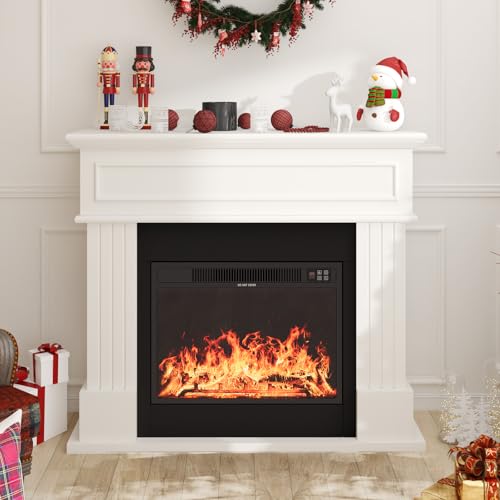
Electric Standalone Fireplaces
Electric standalone fireplaces are the most convenient option, requiring only a standard electrical outlet. They use LED technology to create realistic flame effects and can produce up to 5,000 BTUs of heat. Many models feature adjustable flame colors, temperature controls, and remote operation, making them perfect for those who prioritize ease of use and minimal maintenance.
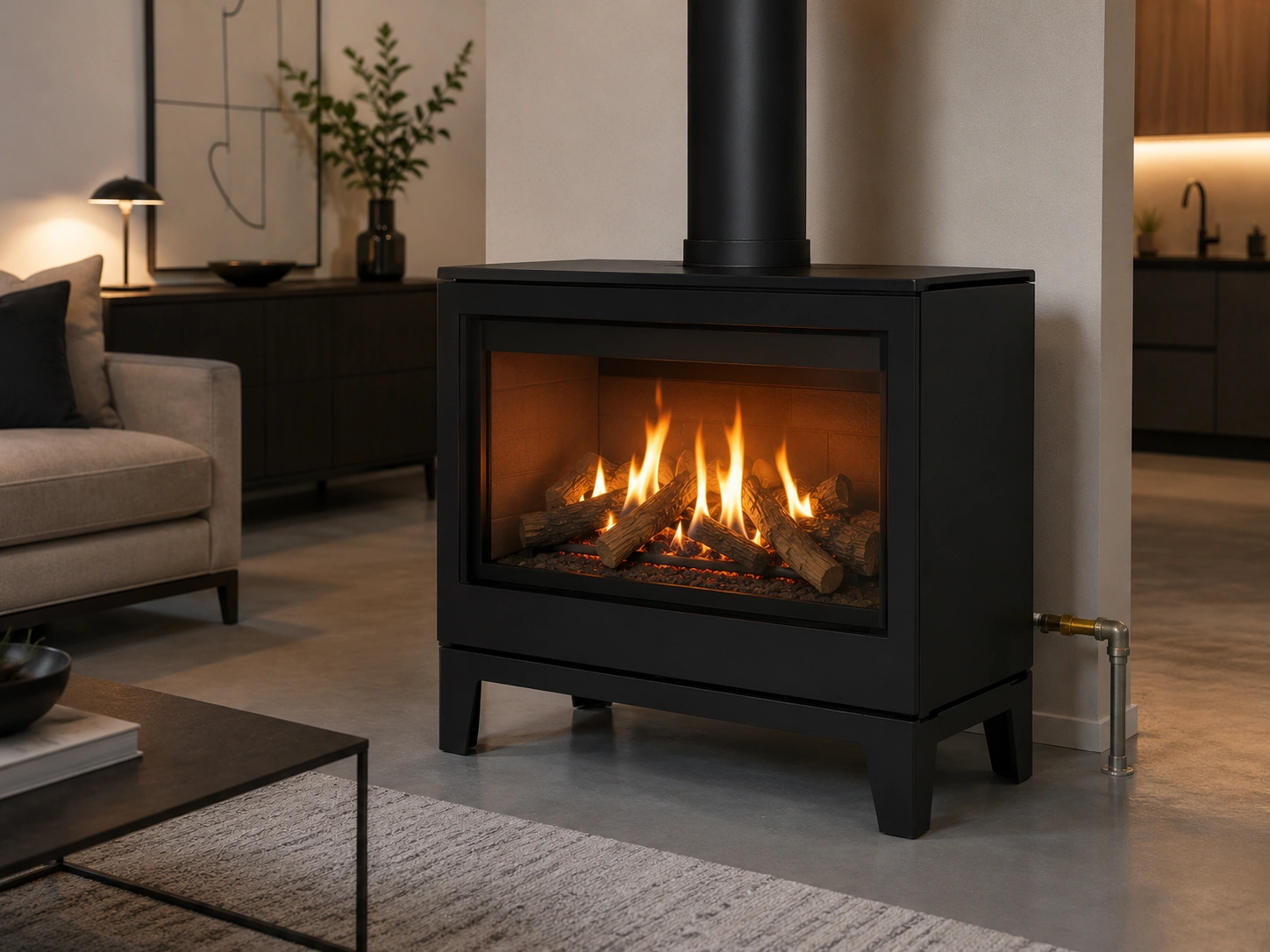
Gas Standalone Fireplaces
Gas standalone fireplaces provide the authentic look and feel of a real fire with the convenience of gas fuel. They can be connected to natural gas lines or use propane tanks, producing substantial heat (typically 20,000–40,000 BTUs) with realistic flames. These units require professional installation but offer superior heating performance compared to electric options.
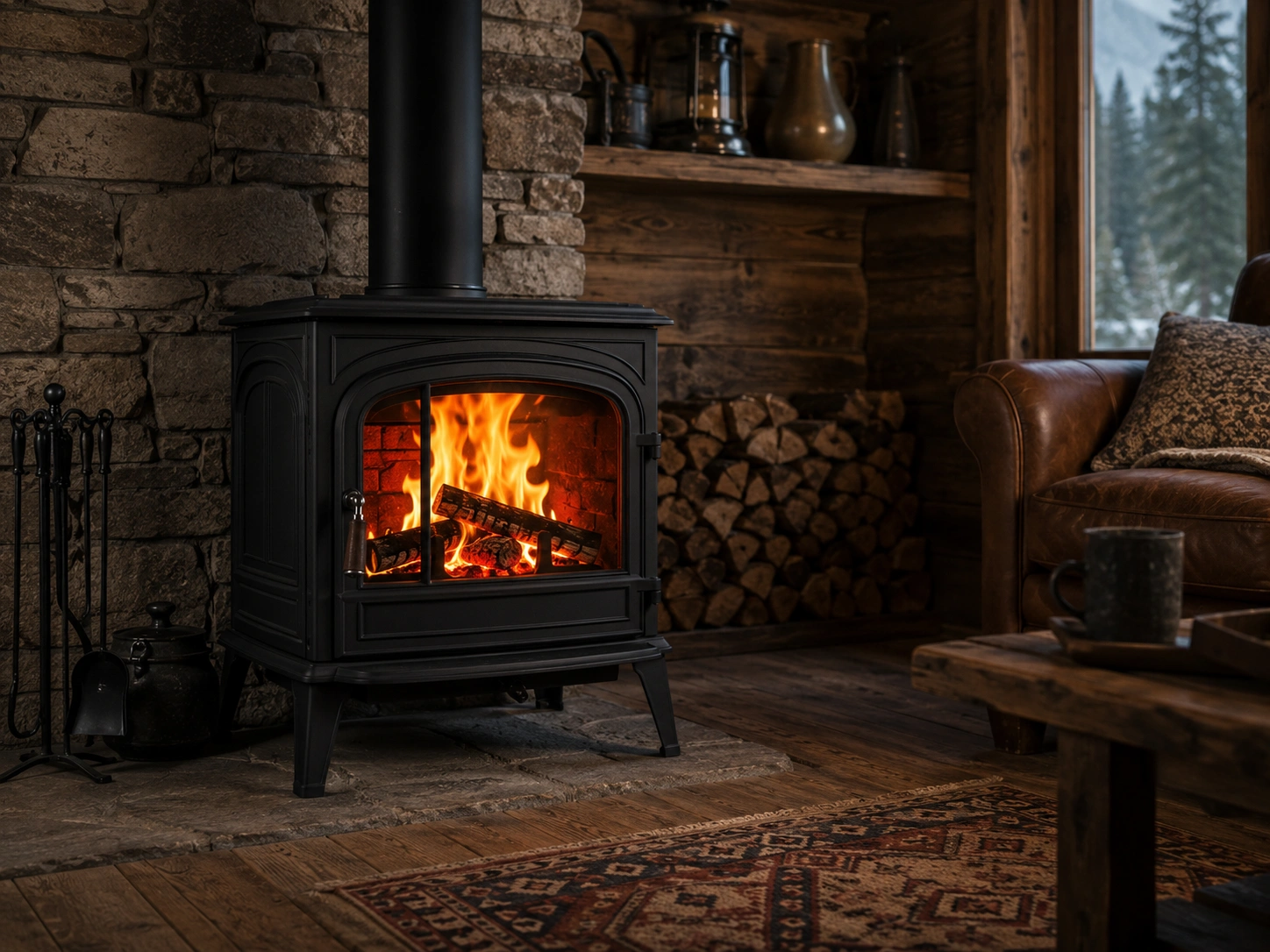
Wood-Burning Standalone Fireplaces
Wood-burning standalone fireplaces, often called wood stoves, offer the most authentic fireplace experience with the crackling sounds and woodsy aroma that many homeowners love. They provide excellent heat output (30,000–100,000 BTUs) and can serve as emergency heat during power outages. However, they require proper venting, regular cleaning, and a supply of firewood.
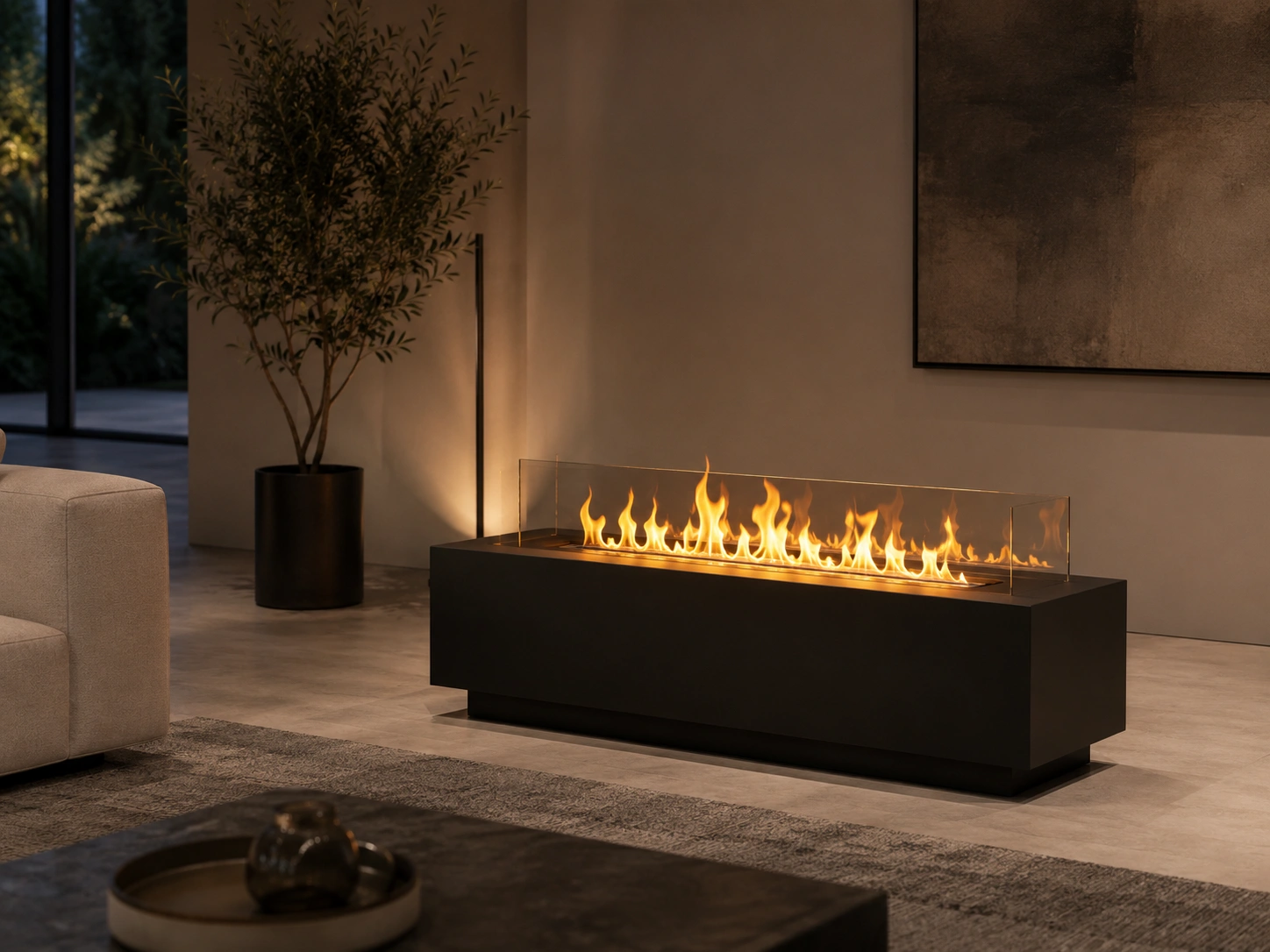
Ethanol Standalone Fireplaces
Ethanol standalone fireplaces burn bioethanol fuel to produce real flames without the need for venting or chimneys. These eco-friendly units are perfect for modern homes and apartments where traditional fireplace installation isn't possible. They produce minimal emissions and no smoke, making them ideal for those who want real flames with minimal maintenance.
Key Benefits of Standalone Fireplaces
No Permanent Installation
Unlike built-in fireplaces, standalone units don't require construction, chimney installation, or modifications to your home's structure, making them ideal for renters or those who want to avoid renovation costs.
Maximum Flexibility
Move your fireplace from room to room as needed, or take it with you when you move homes. This flexibility allows you to experiment with placement and find the perfect spot for your fireplace.
Quick Setup
Most standalone fireplaces can be set up in minutes rather than days. Electric models simply plug into a standard outlet, while gas and ethanol units require minimal assembly and connection.
Cost-Effective
With lower upfront costs and minimal installation expenses, standalone fireplaces offer excellent value. They're often half the price of built-in options when you factor in construction and labor costs.
Variety of Styles
From traditional to modern designs, standalone fireplaces come in numerous styles to complement any decor. Whether you prefer a rustic look or sleek contemporary design, there's a standalone option for you.
Low Maintenance
Electric and ethanol standalone fireplaces require minimal maintenance—no chimney cleaning, no ash disposal, and no wood storage. Even gas models need only annual inspections, making them much easier to maintain than wood-burning options.
Installation Considerations
While standalone fireplaces are easier to install than built-in models, there are still important factors to consider before making your purchase:
Placement Planning
Consider traffic flow, furniture arrangement, and proximity to combustible materials. Most standalone fireplaces require at least 36 inches of clearance from walls and furniture. For optimal heat distribution, place the unit in a central location rather than against an exterior wall.
Power Source Access
Electric models need a nearby outlet (avoid extension cords), gas units require access to a gas line or propane tank, and ethanol fireplaces need proper ventilation even though they don't require a chimney. Plan your power source before choosing a location.
Floor Protection
Most standalone fireplaces require some form of floor protection, especially wood-burning models. This might include a hearth pad, non-combustible flooring, or a heat shield. Check manufacturer requirements for your specific model.
Venting Requirements
While electric and ethanol models don't require venting, gas and wood-burning standalone fireplaces need proper venting. This may involve running a vent pipe through a wall or ceiling, which requires careful planning and possibly professional installation.
Professional Installation Tip: While many standalone fireplaces can be installed by homeowners, gas models and any unit requiring venting should be installed by a certified professional. Improper installation can lead to carbon monoxide risks, fire hazards, and voided warranties. Check your local building codes and permit requirements before installation.
Maintenance Tips for Standalone Fireplaces
Proper maintenance ensures your standalone fireplace operates safely and efficiently for years to come:
Electric Models
- Dust the exterior regularly with a soft cloth
- Clean the fan and air intake vents monthly
- Replace LED bulbs as needed (typically last 50,000+ hours)
- Check electrical cord for damage before each season
- Store in a dry place when not in use
Gas Models
- Schedule annual professional inspection
- Clean glass doors with appropriate cleaner
- Check pilot light and ignition system regularly
- Inspect gas connections for leaks (use soap solution)
- Test carbon monoxide detectors monthly
Wood-Burning Models
- Clean ashes after each use (when completely cool)
- Have chimney cleaned professionally annually
- Inspect gaskets and door seals regularly
- Use only seasoned hardwood for burning
- Check for creosote buildup monthly during use
Ethanol Models
- Clean burner after each use with damp cloth
- Check fuel lines for clogs or damage
- Use only high-quality bioethanol fuel
- Ensure proper ventilation in the room
- Store fuel in approved containers away from heat
Cost Breakdown
Understanding the total cost of ownership helps you make an informed decision. Here's a breakdown of costs for different standalone fireplace types:
| Cost Factor | Electric | Gas | Wood-Burning | Ethanol |
|---|---|---|---|---|
| Unit Purchase Price | $200–$1,200 | $800–$3,500 | $600–$4,000 | $300–$2,500 |
| Installation Cost | $0 (DIY) | $200–$800 | $300–$1,200 | $0 (DIY) |
| Operating Cost/Hour | $0.08–$0.15 | $0.20–$0.50 | $0.30–$0.80 | $0.60–$2.50 |
| Annual Maintenance | $0–$50 | $100–$200 | $200–$400 | $0–$100 |
| Average Lifespan | 10–15 years | 15–20 years | 20–30 years | 10–15 years |
Cost Consideration: While electric standalone fireplaces have the lowest upfront and operating costs, gas models offer better heating efficiency for larger spaces. Wood-burning options have higher maintenance costs but can significantly reduce heating bills if you have access to inexpensive firewood. Ethanol models have the highest operating costs but offer the aesthetic appeal of real flames without installation requirements.
Important Considerations Before Buying
Room Size
Match the fireplace's BTU output to your room size. A small fireplace (5,000 BTU) is sufficient for up to 400 sq ft, while larger models (40,000+ BTU) can heat 1,000+ sq ft. Consider ceiling height and insulation quality as well.
Design Aesthetics
Choose a style that complements your home's decor. For modern homes, consider sleek electric models with clean lines. For rustic spaces, a cast-iron wood stove might be perfect. The fireplace should enhance your room, not clash with it.
Primary Purpose
Determine if your main goal is heating, ambiance, or both. For pure aesthetics, an electric or ethanol model might suffice. For serious heating, consider gas or wood-burning options with higher BTU outputs.
Safety Features
Look for models with automatic shut-off, tip-over protection, and cool-to-touch exteriors, especially if you have children or pets. Ensure the unit has appropriate safety certifications from organizations like UL or CSA.
Finding Your Perfect Standalone Fireplace
Standalone fireplaces offer an excellent balance of convenience, flexibility, and aesthetic appeal for homeowners who want the warmth and ambiance of a fire without the commitment of permanent installation. By carefully considering your heating needs, design preferences, and maintenance willingness, you can select the perfect standalone fireplace to enhance your living space.
Whether you choose the convenience of an electric model, the heating power of a gas unit, the authenticity of a wood-burning stove, or the eco-friendly appeal of an ethanol fireplace, a standalone option allows you to enjoy the benefits of a fireplace with maximum flexibility. For a more detailed comparison between standalone and other fireplace types, explore our freestanding vs insert fireplace guide or our comprehensive fireplace types overview.