Your Definitive Fireplace Maintenance Schedule
A proactive care routine is the secret to a safe, efficient, and long-lasting fireplace. Follow our month-by-month and seasonal checklists.
VIEW MONTHLY TASKSWhy a Schedule Matters: Neglecting regular upkeep is the leading cause of fireplace malfunctions, from gas odors to dangerous creosote buildup. A consistent schedule prevents costly repairs and ensures your family's safety year-round.
How Often Should You Service a Fireplace?
Industry standards, backed by the National Fire Protection Association (NFPA), recommend a professional annual fireplace inspection at minimum. However, true peace of mind comes from a layered approach: monthly visual checks, seasonal deep cleans, and that critical yearly professional evaluation. This guide breaks down exactly what to do and when, covering gas, electric, and wood-burning models.
Whether you're concerned about strange noises or want to ensure your unit is ready for heavy winter use, this schedule will keep you on track.

 Monthly Maintenance Tasks (All Fireplace Types)
These simple visual checks take less than 10 minutes and can catch issues before they become dangerous. Perform these tasks during the burning season.
- ✓ Inspect the Glass & Gaskets: Check for cracks, cloudiness, or damaged gaskets. A compromised seal can affect efficiency and safety. Learn how to clean fireplace glass properly.
- ✓ Test Safety Sensors: For gas units, ensure the carbon monoxide detector and oxygen depletion sensor are unobstructed and functional.
- ✓ Check for Obstructions: Verify that the area around the vent termination (outside the house) is free of leaves, nests, snow, or debris.
- ✓ Dust Electric Units: Gently vacuum the intake and blower vents of your electric fireplace to prevent overheating. More electric cleaning tips here.
- ✓ Visual Flame Check: For gas fireplaces, the flame should be steady and blue-yellow. A lazy, yellow flame can indicate incomplete combustion. Troubleshoot a weak flame.
- ✓ Remote & Thermostat: Replace remote batteries and verify the thermostat responds correctly to avoid thermostat issues.

Critical Safety Habit
Always allow the fireplace to cool completely before performing any internal inspection or cleaning. If you ever detect a strong gas odor, evacuate immediately and contact your utility provider. Know the warning signs of a gas leak.
Seasonal Fireplace Care & Deep Cleaning
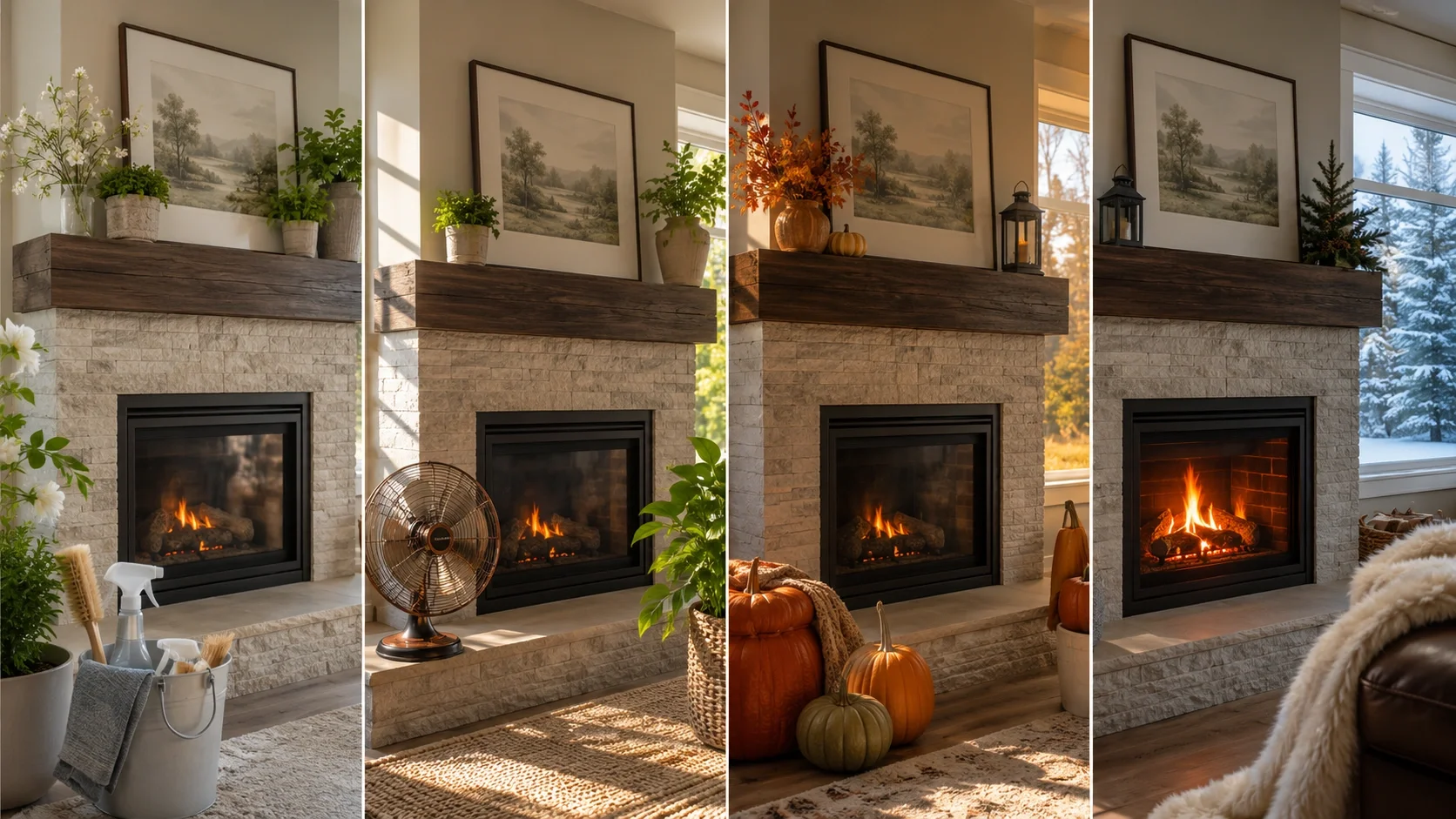
Aligning your maintenance with the seasons ensures your fireplace is ready when you need it and properly stored when you don't. Here is your quarterly plan:

🌱 Spring Shutdown
End-of-Season Deep Clean
Remove all ash from wood units using a metal container. Clean the firebox, brick, and stone. For gas units, clean the burner and check for any blockages.
Spring Guide →
☀️ Summer Preservation
Inspect & Repair
This is the best time for a professional chimney inspection and to fix stuck dampers. Address musty odors by cleaning and ventilating the firebox.
Summer Guide →
🍂 Fall Preparation
Pre-Winter Readiness
Schedule your fall inspection. Test the pilot light, check smoke detectors, and review your venting requirements. Order seasoned wood for wood-burning units.
Fall Prep →
❄️ Winter Vigilance
Peak Season Monitoring
Perform monthly checks diligently. Watch for smoke backdrafts, and keep a proper grate in place. Ensure the area is clear of flying embers.
Winter Guide →
 Annual Professional Inspection Checklist
This is non-negotiable for vented gas and wood fireplaces. A certified technician will perform these critical tasks, typically costing between $150 and $350 depending on location and complexity.
- 🔧 Chimney Sweep & Flue Inspection: Remove creosote and inspect the flue liner for cracks. Understand the chimney cleaning process.
- 🔧 Gas Connection & Pressure Test: Check for gas leaks and verify manifold pressure. This directly impacts heating capacity (BTU).
- 🔧 Component Integrity: Inspect thermocouples, thermopiles, and the blower fan. A faulty blower might need DIY repair or replacement.
- 🔧 Ignition System: Confirm the pilot light or electronic ignition works flawlessly to avoid a no-light situation.
- 🔧 Gasket & Door Alignment: Replace any worn rope gaskets to maintain a proper seal and improve energy efficiency.
Not sure when to call a pro? If you notice soot buildup, a pilot light that keeps going out, or condensation between the glass panels, it's time to schedule service. Learn exactly when to call a chimney sweep.
Essential Tools & Upkeep Costs
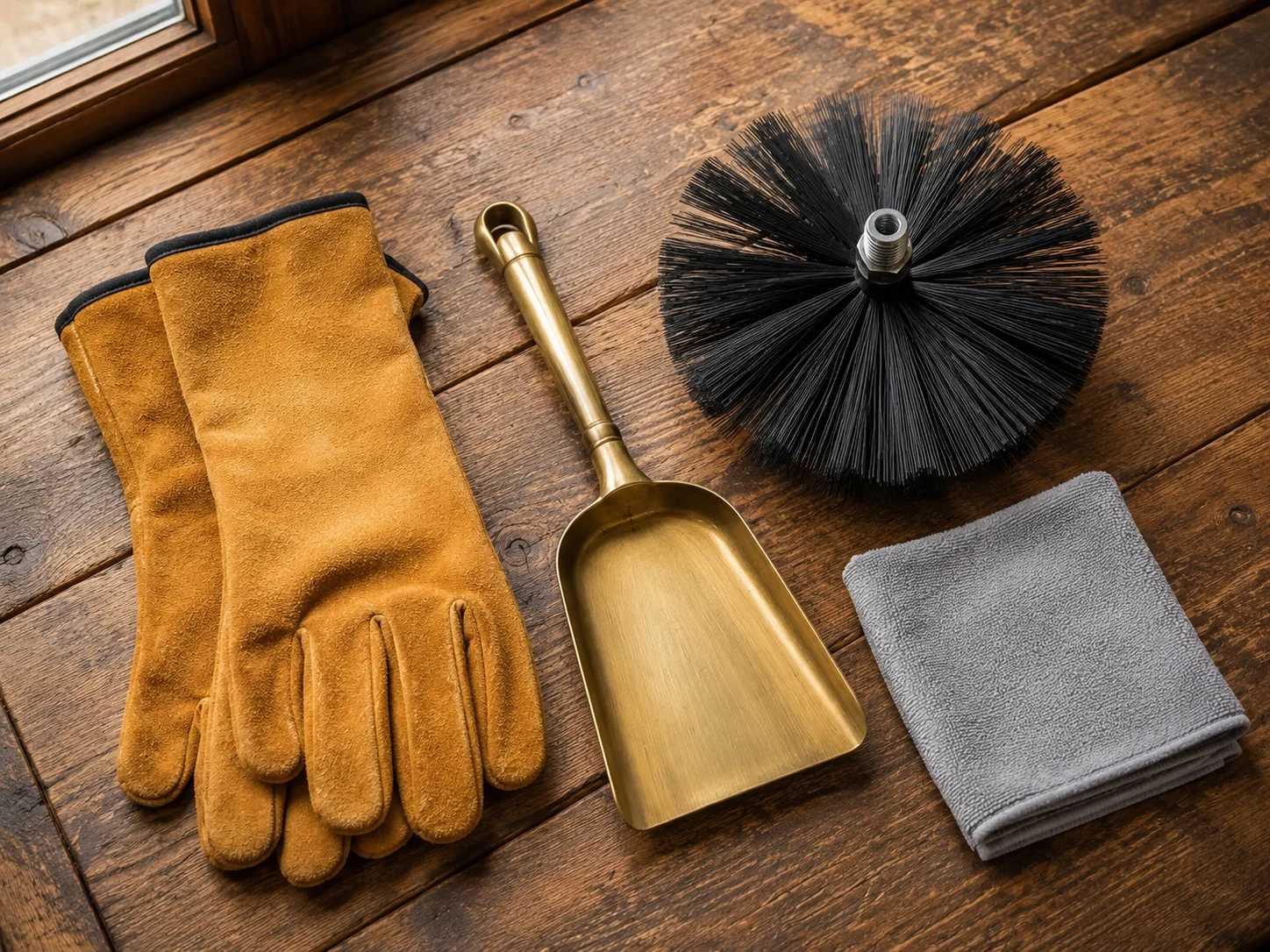
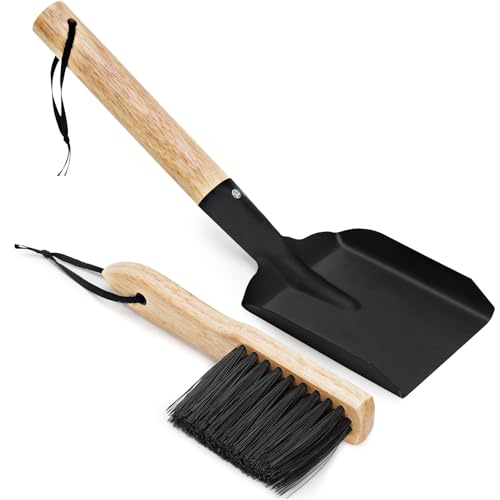
Having the right gear simplifies routine care. A well-equipped maintenance kit should include a chimney brush, ash shovel, poker, and heat-resistant gloves. For viewing the firebox, a sturdy screen is a must.
Over the long term, a diligent DIY schedule combined with a professional visit is far cheaper than a major repair. Replacing a cracked heat exchanger or relining a flue can cost between $2,500 and $5,000, highlighting the value of a $300 check-up. Consider using a smart controller to monitor usage and remind you of filter changes.