
Annual Fireplace Inspection: Complete Guide for Homeowners
Understand exactly what gets inspected, the typical investment tiers, when to schedule it, and why skipping it could put your home and family at serious risk
VIEW MAINTENANCE GUIDESQuick Summary: The National Fire Protection Association (NFPA) recommends that every fireplace, chimney, and venting system be inspected at least once per year. An annual inspection identifies hidden dangers like creosote buildup, cracked flue liners, gas leaks, and deteriorating components before they become costly repairs—or worse, life-threatening hazards. This guide covers everything you need to know to protect your home and make informed decisions about your fireplace maintenance routine.
What Is an Annual Fireplace Inspection?
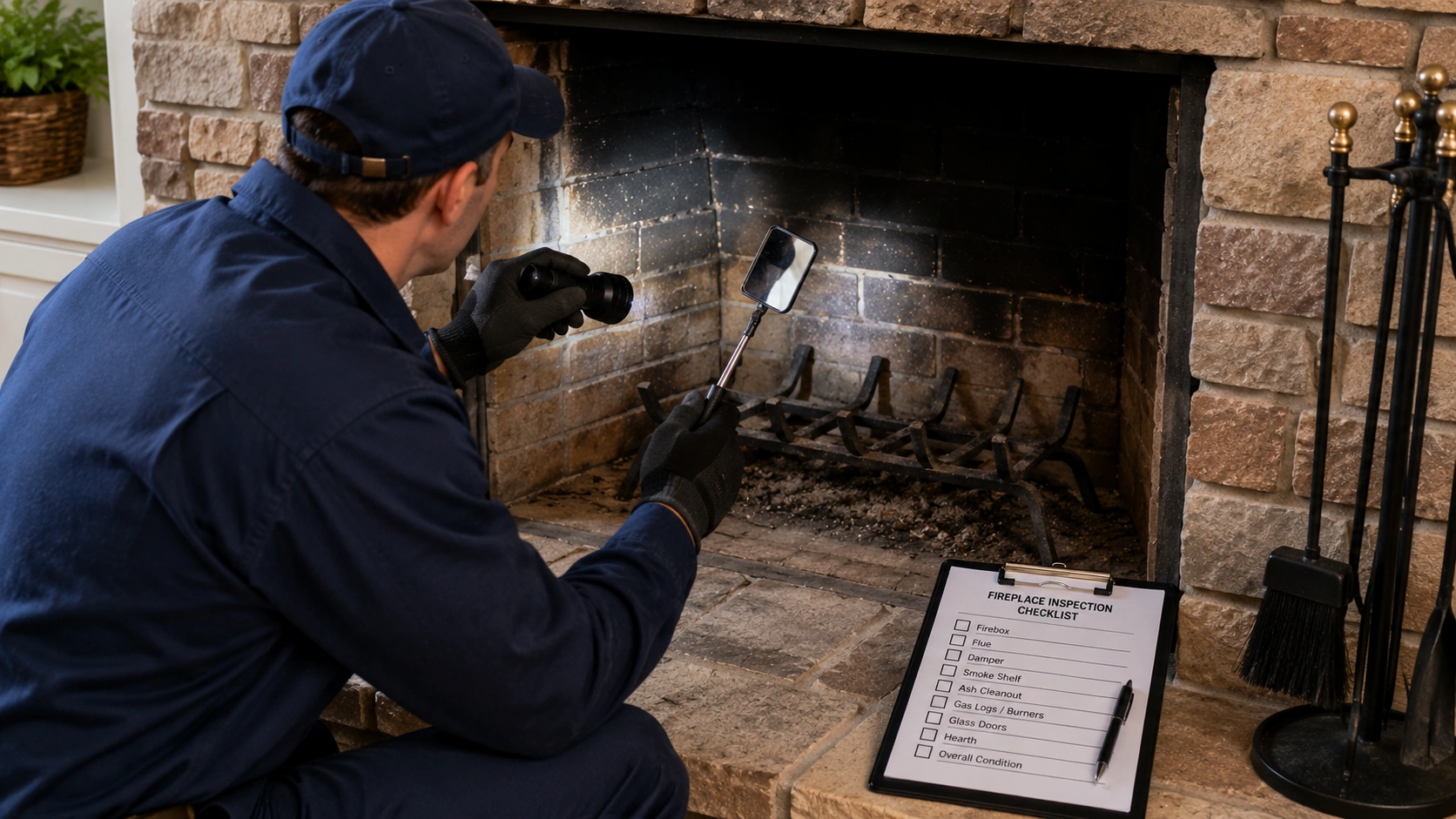
An annual fireplace inspection is a systematic evaluation of your fireplace, chimney, and connected venting systems performed by a certified professional. The inspector examines every component—from the firebox and damper to the flue liner and chimney cap—looking for signs of wear, damage, blockage, or safety hazards that could compromise performance or endanger your household.
Unlike a simple cleaning, which removes soot and creosote, an inspection focuses on identifying structural and mechanical problems. Think of it as the difference between washing your car and taking it to a mechanic for a diagnostic check. Both are important, but only the inspection reveals hidden issues you wouldn't notice during routine chimney cleaning.
The NFPA 211 standard defines three levels of chimney and fireplace inspection, each progressively more detailed. Most homeowners need a Level 1 inspection annually, but certain situations—like buying a home or experiencing a chimney fire—require a more thorough Level 2 or Level 3 inspection. Understanding these levels helps you know what you're investing in and what to expect.
Why Annual Inspections Are Non-Negotiable
Many homeowners assume that if their fireplace works, it must be safe. Unfortunately, the most dangerous problems—cracked flue liners, carbon monoxide leaks, and creosote accumulation—often show zero visible symptoms until it's too late. Here's why an annual inspection matters for every type of fireplace:
Fire Prevention
Creosote buildup in wood-burning chimneys is the leading cause of chimney fires. Even a thin layer of just 1/8 inch can ignite. Annual inspections catch creosote before it reaches dangerous levels. Learn more about creosote buildup prevention.
Carbon Monoxide Protection
Cracked flue liners, blocked vents, and damaged dampers can allow deadly carbon monoxide to seep into your living space instead of exiting through the chimney. Recognize the signs of carbon monoxide from fireplaces before tragedy strikes.
Investment Savings
A small crack in a flue liner is an entry-level to mid-range repair. If left undetected, that same crack can cause a chimney fire requiring premium to luxury reconstruction. Annual inspections catch problems early when repairs are still affordable. See the full fireplace maintenance cost breakdown.
Warranty & Insurance Compliance
Most fireplace manufacturers require annual professional inspections to keep warranties valid. Many homeowner insurance policies also require proof of regular inspections to cover fire-related claims. Without documented inspections, your coverage may be denied when you need it most.
What's Checked During an Annual Inspection
The specific inspection checklist varies depending on your fireplace type. A gas fireplace has very different components than a wood-burning fireplace, and an electric fireplace requires a completely different approach. Below is a detailed breakdown by fireplace type:
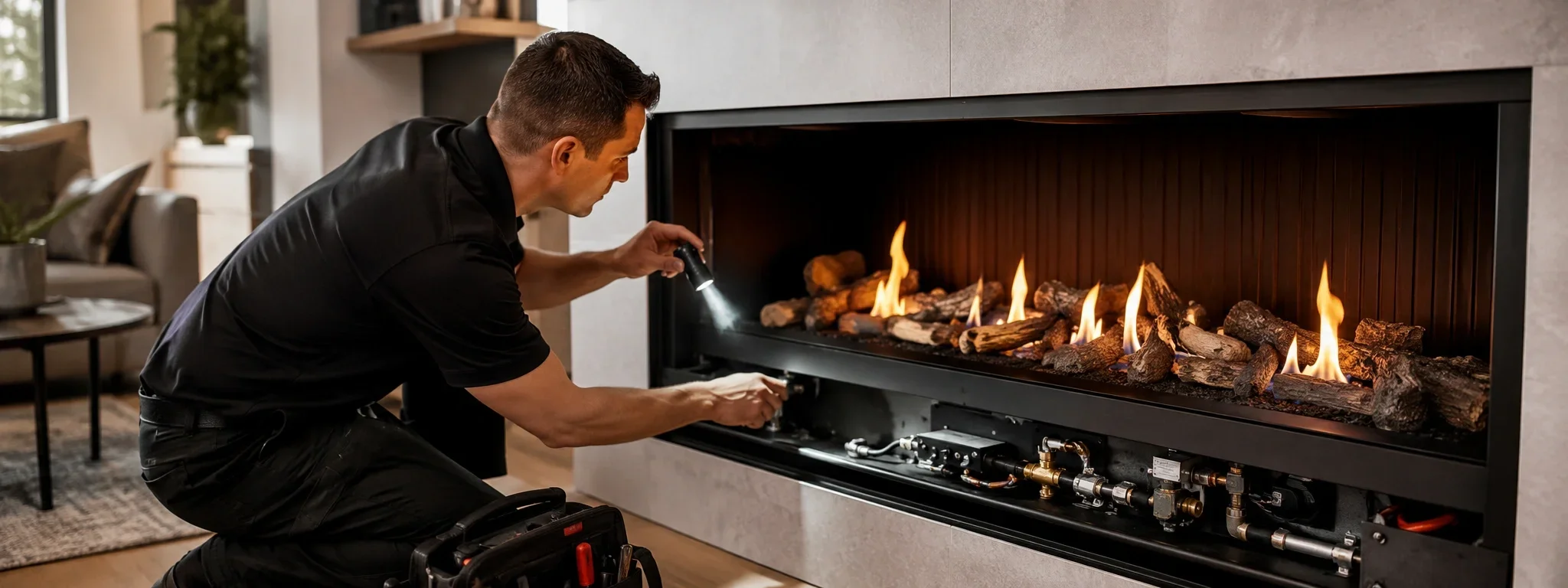
- Gas connections & supply lines — Inspected for leaks using specialized gas detection equipment
- Burner assembly & pilot light — Checked for proper flame pattern, ignition reliability, and cleanliness
- Thermocouple & thermopile — Tested for proper millivolt output and safety shutoff function
- Valve operation — Main gas valve and control valve tested for smooth, leak-free operation
- Vent system & exhaust — Examined for blockages, disconnections, and proper draft (see vented vs ventless gas fireplace requirements)
- Glass panel & gasket seal — Inspected for cracks, warping, and proper seal integrity
- Carbon monoxide levels — Measured at the vent exit and in the room to detect any CO leakage
- Firebox & logs — Inspected for cracks, deterioration, and correct log placement
- Remote & wall switch — Tested for reliable communication with the fireplace control module
- Exterior & surround clearance — Verified that combustible materials maintain required distances
For more details, read our comprehensive gas fireplace inspection guide.

- Chimney flue liner — Visually inspected (or camera-scanned at Level 2) for cracks, gaps, and deterioration
- Creosote buildup measurement — Thickness and type of creosote assessed to determine cleaning urgency
- Damper operation — Tested for smooth opening/closing and proper seal when closed (stuck damper solutions)
- Chimney cap & crown — Checked for damage, rust, and proper rain protection
- Smoke chamber & shelf — Inspected for soot accumulation and structural integrity
- Firebox & refractory panels — Examined for cracks, spalling, and mortar joint deterioration
- Chimney exterior & flashing — Checked for water damage, loose bricks, and flashing leaks
- Draft & airflow — Tested to ensure smoke exits properly without backdrafting
- Spark arrestor — Verified that it's intact and free of debris blockage
- Hearth & surround clearance — Confirmed that hearth dimensions meet current safety codes
For chimney-specific details, see our chimney inspection guide and wood fireplace maintenance routine.
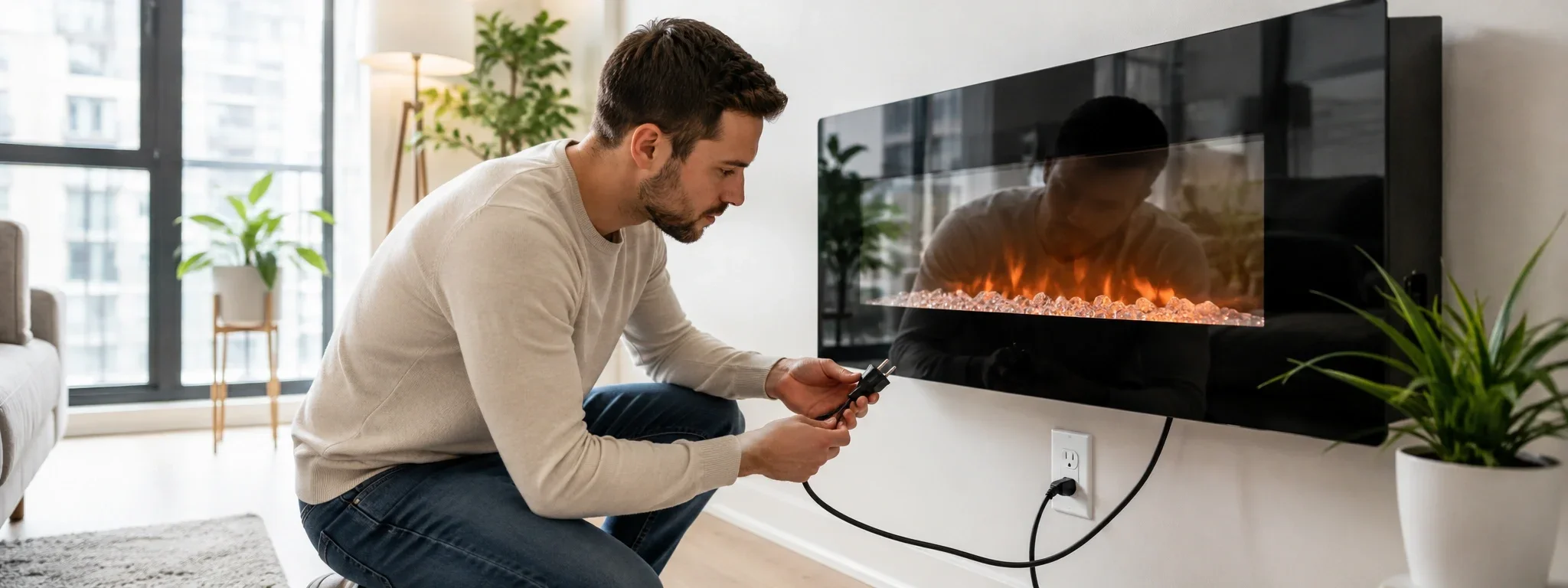
- Power cord & plug — Inspected for fraying, discoloration, heat damage, and proper grounding
- Heating element & fan — Tested for proper output, unusual noises, and overheating protection
- Internal wiring & connections — Examined for loose connections, corrosion, or burned wires
- Thermostat & safety switches — Tested for accurate temperature control and automatic shutoff function
- Flame effect mechanism — Checked for motor wear, LED/bulb function, and reflector alignment
- Ventilation openings — Cleared of dust and debris that could cause overheating
- Circuit breaker compatibility — Verified the unit is on a properly rated dedicated circuit
- Wall mounting hardware — Confirmed secure attachment and proper clearances for wall-mounted units
- Remote control function — Tested for reliable signal and battery condition
- Exterior housing — Inspected for cracks, warping, or discoloration from heat exposure
Read our full electric fireplace inspection and electric fireplace maintenance guides for more details.
NFPA Inspection Levels Explained
The National Fire Protection Agency defines three distinct inspection levels. Knowing the difference helps you understand what your inspector should be doing—and ensures you're not investing in more (or less) than you need.
| Level | What It Covers | When Required | Typical Investment Tier |
|---|---|---|---|
| Level 1 | Visual inspection of readily accessible components, basic structure check, verification that the system is free of obstructions | Annual routine inspection when no changes have been made to the system | Entry-level to mid-range |
| Level 2 | Everything in Level 1 plus video camera scan of the interior flue, inspection of accessible areas in attics/crawlspaces, and chimney exterior from the roof | When buying/selling a home, after a chimney fire, after seismic event, or when making changes to the system | Mid-range |
| Level 3 | Everything in Levels 1 & 2 plus removal of permanent components (walls, chimney chase covers, masonry) to access concealed areas | When a serious hazard is suspected but cannot be confirmed through Level 1 or 2 inspection | Mid-range to premium |
Most homeowners only need a Level 1 inspection each year. However, if you've recently purchased a home with a fireplace, experienced any unusual performance issues, or your area had an earthquake or severe storm, a Level 2 inspection is strongly recommended. If you're unsure when a deeper inspection is warranted, refer to our when to call a chimney sweep guide.
Annual Fireplace Inspection Investment Tier Breakdown

Investment tiers depend on your fireplace type, the inspection level required, your geographic location, and whether any repairs are needed. Below is a comprehensive tier guide based on current U.S. market averages:
| Inspection Type | Scope of Work | Typical Investment Tier |
|---|---|---|
| Gas Fireplace Inspection | Gas lines, burners, valves, venting, CO testing | Entry-level to mid-range |
| Wood Fireplace (Level 1) | Visual flue check, damper test, creosote measurement | Entry-level to mid-range |
| Wood Fireplace (Level 2) | Video scan, attic/crawlspace access, roof inspection | Mid-range |
| Electric Fireplace Inspection | Wiring, heating element, safety switches, ventilation | Entry-level |
| Inspection + Cleaning Combo | Full inspection plus chimney cleaning/sweeping | Entry-level to mid-range |
| Level 3 (Invasive) Inspection | Full structural investigation, wall/masonry removal | Mid-range to premium |
Many companies offer bundled pricing that combines the annual inspection with a chimney cleaning, which can save a meaningful amount compared to booking them separately. If your fireplace needs both services, always ask about combo pricing. For a broader perspective on what to budget, review our complete fireplace maintenance cost guide and the hidden costs of owning a fireplace.
When to Schedule Your Annual Inspection

Timing matters more than most homeowners realize. Scheduling your inspection at the right time ensures your fireplace is ready when you need it and can save you money by avoiding peak-season rates.
August – October (Best Time)
This is the ideal window. Inspectors are less busy than in winter, you'll have time to schedule repairs before cold weather, and your fireplace will be ready for the heating season. Early booking often comes with off-season discounts. Check our fall fireplace inspection checklist.
November – February (Peak Season)
Inspectors are in high demand, wait times can stretch to 2–4 weeks, and rates are at their highest. Only schedule during this period if you missed the fall window or noticed a problem that can't wait.
March – May (Spring Checkup)
A good option for post-season inspection. After a winter of heavy use, a spring inspection can identify any damage that occurred during the burning season. See our spring fireplace maintenance tips.
June – July (Off-Season)
The most budget-friendly time to schedule, with the shortest wait times. Best for homeowners who want to address major repairs over the summer when the fireplace isn't needed. Pair with summer fireplace care routines.
DIY Preliminary Checks vs Professional Inspection
While a professional annual inspection is essential, performing basic visual checks yourself between inspections can help you catch obvious problems early. However, it's crucial to understand the difference between what you can safely assess and what requires professional equipment and expertise.

🏠 What You Can Check Yourself
- YES Visually inspect firebox for obvious cracks or damage
- YES Test damper opens and closes smoothly
- YES Look for debris or animal nests in the chimney (from below)
- YES Check for rust on chimney cap (from ground level)
- YES Smell for unusual gas odors around gas fireplaces
- YES Clean glass doors and check for proper seal
- YES Test remote control and wall switch function
- YES Check power cord for visible damage on electric units
🔧 What Requires a Professional
- PRO Internal flue liner condition (requires camera equipment)
- PRO Gas leak detection with calibrated instruments
- PRO Carbon monoxide level measurement
- PRO Creosote thickness measurement and type classification
- PRO Chimney crown and cap inspection from the roof
- PRO Thermocouple millivolt testing on gas units
- PRO Smoke chamber and shelf evaluation
- PRO Structural integrity assessment of masonry
For a printable version of what to check yourself, download our DIY fireplace inspection checklist. Just remember: a DIY check supplements—but never replaces—a professional annual inspection.
Signs You Need an Inspection Before Your Annual Date
Don't wait for your scheduled inspection if you notice any of these warning signs. Immediate professional evaluation is recommended:
Smoke Backdraft
Smoke entering the room instead of going up the chimney indicates a blockage or draft problem. See fireplace smoke problem solutions.
Unusual Odors
A musty smell suggests moisture or animal intrusion. A sour, asphalt-like odor means creosote buildup. Check musty smell causes.
Black Soot or Stains
Soot stains on walls, ceilings, or the fireplace exterior indicate improper venting. Learn why your fireplace is turning black.
Weak or Uneven Flames
On gas fireplaces, weak or uneven flames suggest burner problems or gas pressure issues. Read about weak flame fixes.
Water Leaks
Water inside the firebox or around the chimney means damaged flashing, crown, or cap. Water damage accelerates deterioration dramatically.
Unusual Noises
Popping, rattling, or whistling sounds during operation indicate mechanical or structural issues. See fireplace noise diagnosis.
How to Choose a Certified Fireplace Inspector
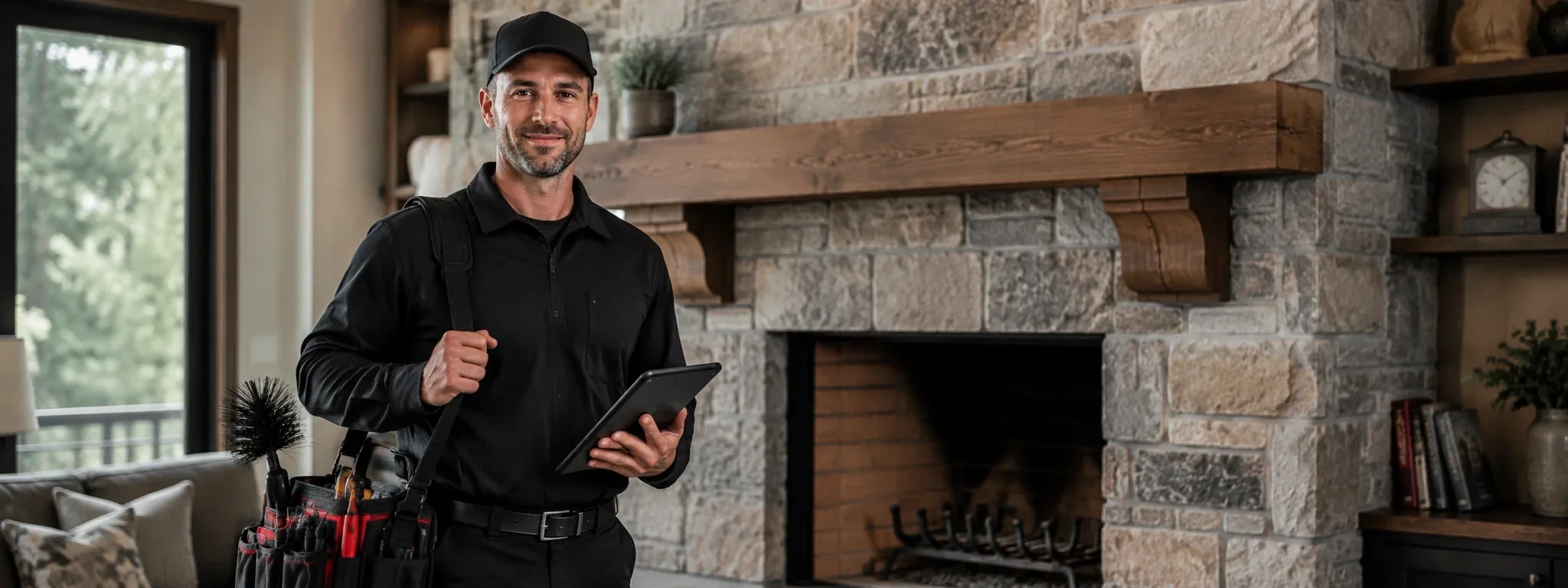
Not all fireplace inspectors are equally qualified. Hiring an uncertified or inexperienced inspector can be just as dangerous as skipping the inspection entirely—because you'll have a false sense of security. Here are the key criteria for selecting a reliable professional:
-
1
Look for CSIA Certification
The Chimney Safety Institute of America (CSIA) is the most widely recognized certification in the industry. A CSIA-certified chimney sweep has passed rigorous exams and must recertify every three years. Always verify current certification at csia.org.
-
2
Check for NFI Certification (Gas Fireplaces)
If you have a gas fireplace, the National Fireplace Institute (NFI) certification is the gold standard. NFI-certified specialists are trained specifically in gas appliance safety, installation, and venting requirements. For propane fireplaces and natural gas units, NFI certification is especially important.
-
3
Verify Insurance and Bonding
A reputable inspector carries liability insurance that protects you if they cause damage to your property during the inspection. Ask for proof of insurance before allowing anyone on your roof or near your fireplace.
-
4
Ask About Camera Inspection Capability
For wood-burning fireplaces, a chimney camera (for Level 2 inspections) is essential. If an inspector doesn't have video scanning equipment, they cannot properly evaluate your flue liner condition. This is especially critical for older brick fireplaces and rustic fireplace installations.
-
5
Get a Written Report
A professional inspector should provide a detailed written report documenting their findings, including photographs of any damage or concerns. This report is essential for insurance purposes, warranty claims, and future reference. It should also note the condition relative to your fireplace's expected lifespan.
-
6
Avoid Companies That Pressure-Sell Repairs
Be cautious of inspectors who find "urgent" problems that require immediate expensive repairs—especially if they're the same company that would perform the work. Get a second opinion for any repair estimate that falls in the premium tier.
After the Inspection: Understanding Your Report
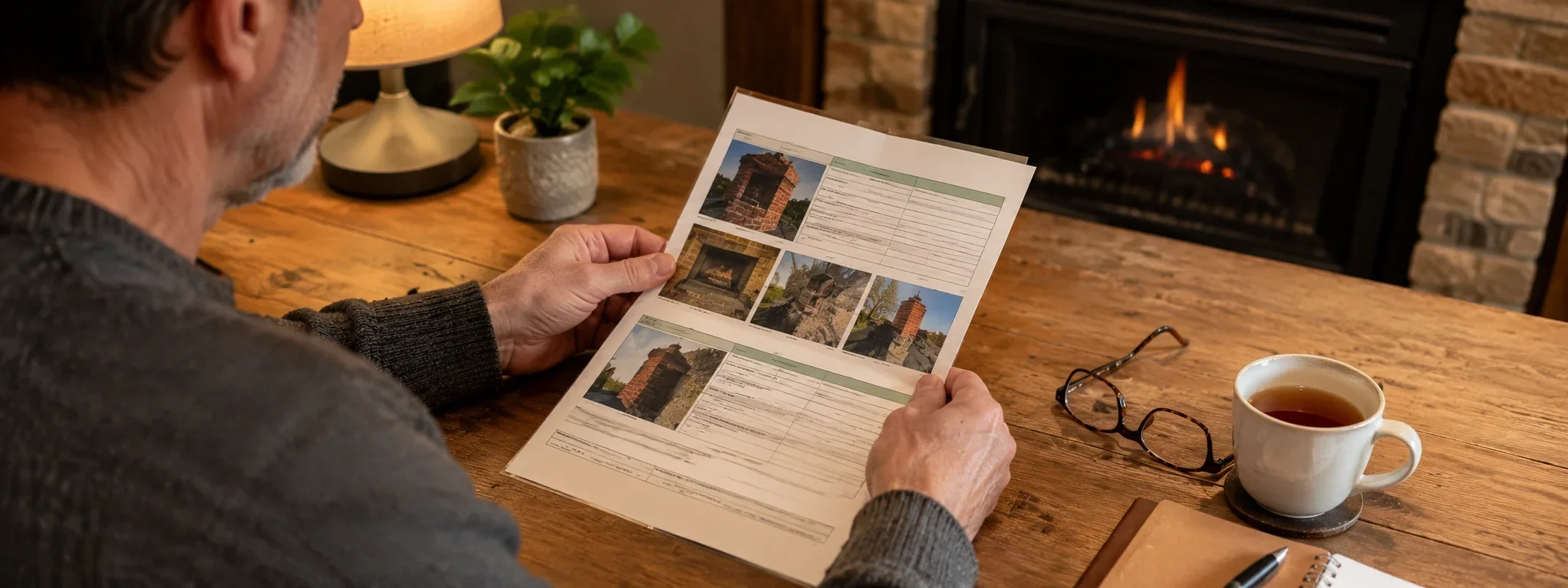
Once your inspection is complete, you'll receive a detailed report. Understanding how to interpret it is key to making smart decisions about repairs and maintenance going forward. Here's what to focus on:
Passed / No Issues Found
Your fireplace is in good working condition. Continue regular maintenance and schedule your next inspection in 12 months. Keep the report for your records and insurance documentation.
Minor Issues / Monitoring Recommended
Small concerns that don't pose immediate danger but should be watched. Your inspector may recommend re-inspection in 6 months. Address these promptly to prevent escalation—refer to our seasonal maintenance checklist.
Repairs Needed / Use With Caution
Components that need repair before the fireplace can be safely used. Get repair estimates promptly. For gas units, this may involve gas fireplace maintenance tasks like thermocouple replacement or valve adjustment.
Critical Hazard / Do Not Use
Serious safety issues that make the fireplace unsafe to operate. This includes cracked flue liners, gas leaks, or structural damage. Do not use the fireplace until a certified professional clears it after repairs.
Always keep your inspection reports on file. They create a documented maintenance history that's invaluable for insurance claims, warranty disputes, and resale value. A well-documented inspection history can actually increase your home's value—learn more about how fireplaces affect home value.
If your inspection reveals that your fireplace needs significant repairs, it may be more cost-effective to consider a replacement or upgrade. Our fireplace inserts guide and new fireplace vs makeover cost analysis can help you weigh your options.
Ready to Protect Your Home?
Don't wait for a problem to appear. Schedule your annual fireplace inspection today and enjoy peace of mind every time you light a fire. Browse our recommended inspection tools and safety products below.
VIEW MAINTENANCE SCHEDULEFrequently Asked Questions
An annual fireplace inspection typically falls in the entry-level to mid-range investment tier for a standard visual inspection. A Level 2 chimney inspection with video scanning falls in the mid-range tier. Gas fireplace inspections typically fall in the entry-level to mid-range tier, while electric fireplace inspections are entry-level. Investment tiers vary by location, fireplace type, and the inspection level required. Many companies offer inspection and cleaning bundles at an entry-level to mid-range tier, which can save you money compared to booking separately.
The best time to schedule your annual fireplace inspection is in late summer or early fall (August through October), before the heating season begins. This ensures your fireplace is safe and operational when you need it most, and gives you time to address any repairs before cold weather arrives. You'll also benefit from shorter wait times and potentially more favorable off-season pricing compared to scheduling during the peak winter months.
You can perform basic visual checks like examining the firebox for cracks, testing the damper, and looking for obvious damage. However, a professional inspection is strongly recommended annually because certified inspectors have specialized equipment like chimney cameras, gas leak detectors, and CO meters that can identify hidden dangers not visible to the untrained eye. A DIY check supplements—but never replaces—a professional inspection. Check our DIY fireplace inspection checklist for what you can safely assess.
Skipping your annual inspection increases the risk of undetected creosote buildup (a leading cause of chimney fires), carbon monoxide leaks from cracked flue liners, gas leaks from deteriorating connections, and voided manufacturer warranties. The National Fire Protection Association reports that failure to clean chimneys is a factor in approximately 25% of all heating-related house fires. Additionally, many insurance policies require documented annual inspections to maintain fire damage coverage.
A standard annual fireplace inspection typically takes 45 minutes to 2 hours depending on the fireplace type and inspection level. A basic Level 1 visual inspection may take 45–60 minutes, while a Level 2 inspection with video scanning can take 1.5–2 hours. Gas and electric fireplace inspections are generally faster than wood-burning chimney inspections. If repairs are needed, additional time will be required.
The two most important certifications are CSIA (Chimney Safety Institute of America) for chimney and wood fireplace inspections, and NFI (National Fireplace Institute) for gas and electric fireplace inspections. Both require rigorous testing and ongoing education. Always verify that certifications are current, as they must be renewed periodically. Also confirm the inspector carries proper liability insurance.


