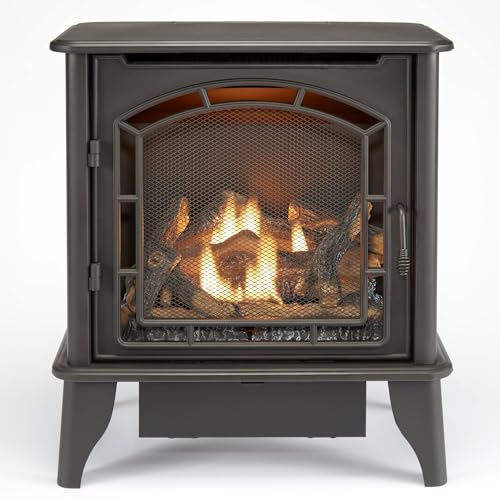
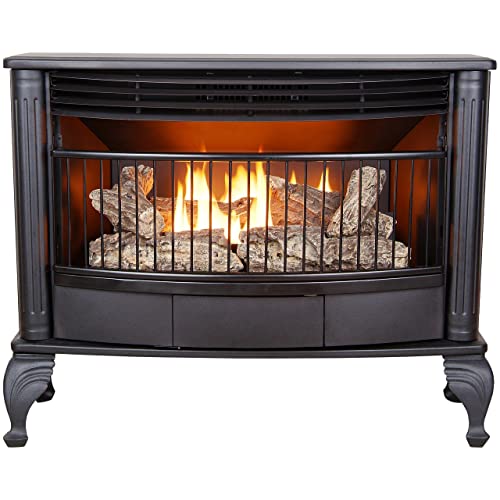
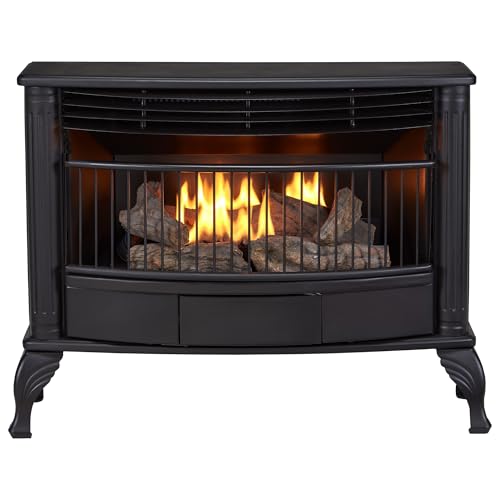
What is a Freestanding Vented Gas Fireplace?
A freestanding vented gas fireplace is a self-contained heating appliance that operates on natural gas or propane and exhausts combustion byproducts to the outdoors through a venting system. Unlike ventless models, which are designed to burn cleanly and release minimal emissions into the room, vented units require a chimney or direct vent pipe. This makes them an excellent choice for those who prioritize indoor air quality and want the most realistic flame appearance possible. If you're exploring different fuel types, understanding the nuances of a vented gas fireplace is a great starting point.
These units are often styled to resemble traditional wood stoves or contemporary linear fireplaces, giving you the aesthetic of a classic hearth without the hassle of chopping wood or cleaning ashes. The "freestanding" aspect means the unit is not enclosed within a wall; it stands on its own, often on a hearth pad, and can be placed in a corner, against a wall, or even as a room divider. For those considering placement, exploring built-in vs freestanding fireplace options can clarify your decision.
Key Benefits of a Freestanding Vented Gas Fireplace
- Superior Air Quality: By venting all combustion byproducts outside, these units maintain excellent indoor air quality, making them a safer option for homes with sensitivities.
- Realistic Flame: Vented gas fireplaces typically produce a more authentic and lively flame compared to their ventless counterparts.
- High Heating Efficiency: Many modern models are designed to be highly efficient, providing substantial heat output that can warm large spaces. You can learn more about this in our guide to gas fireplace heating capacity and BTU.
- Placement Flexibility: Unlike built-in units, a freestanding model can be positioned in various locations, offering greater design freedom. This is a significant advantage for space-saving fireplace ideas.
- Aesthetic Variety: Available in a wide range of styles, from traditional cast-iron stoves to sleek, modern designs, they can complement any decor.
Venting Options for Freestanding Gas Fireplaces
The venting system is a critical component. There are two primary types for freestanding units:
Direct Vent: This is the most common and versatile option. A direct vent system uses a coaxial pipe (a pipe within a pipe) that draws outside air for combustion and exhausts fumes simultaneously. This means the unit does not use indoor air for combustion, making it highly efficient and safe. It also allows for greater flexibility in installation, as the vent can terminate horizontally through a wall or vertically through a roof. For a deeper dive, see our article on venting options for gas fireplace.
Natural Vent (B-Vent): These units use a traditional chimney or a B-vent pipe to exhaust fumes and draw combustion air from the room. They are less common for new freestanding installations but are often used when replacing an older wood stove in an existing chimney. For a comparison, read about direct vent vs B-vent systems.
Understanding local fireplace venting requirements is crucial before installation.
Installation and Placement Considerations
Installing a freestanding vented gas fireplace is a significant project that typically requires a professional. The process involves running a gas line, installing the venting system, and ensuring proper clearances from combustible materials. While some homeowners might consider a DIY gas fireplace, the complexity and safety risks usually make professional installation the best choice. For a comprehensive overview, see our fireplace installation guide.
Placement is key to maximizing both the aesthetic and functional benefits. Consider the layout of your room, the location of windows and doors, and the primary area you wish to heat. A freestanding unit can be a stunning focal point in a living room decor.
Maintenance and Troubleshooting
Like any gas appliance, a freestanding vented fireplace requires regular maintenance to ensure safe and efficient operation. This includes an annual inspection by a qualified technician, cleaning the glass, and checking the venting system for blockages. Keeping up with gas fireplace maintenance will prolong the life of your unit. If you encounter issues, such as the pilot light going out or a weak flame, consult our gas fireplace troubleshooting guide or call a professional.