Fireplace vs Central Heating: Which Is More Cost-Effective?
Complete comparison of heating systems to help you decide between a cozy fireplace and efficient central heating for your home
SEE COMPARISONUnderstanding Your Home Heating Options
When it comes to heating your home, the choice between a fireplace and central heating system is one of the most significant decisions you'll make. Both options have distinct advantages and limitations that can significantly impact your comfort, energy bills, and overall quality of life.

Central heating systems, including forced-air furnaces, boilers, and heat pumps, have been the standard for whole-home heating for decades. However, fireplaces—particularly modern electric and gas models—have evolved significantly and now offer viable alternatives or supplements to traditional central heating.
This comprehensive guide will help you understand the key differences, costs, efficiencies, and ideal applications of each system, enabling you to make an informed decision based on your specific needs, climate, budget, and lifestyle.
How Each Heating System Works
Central Heating Systems

Central heating systems generate heat in a central location and distribute it throughout the home via ductwork, pipes, or radiators. The most common types include:
- Forced-air systems: Heat air in a furnace and distribute it through ducts
- Hydronic systems: Heat water in a boiler and circulate it through radiators or underfloor tubing
- Heat pumps: Move heat from outside air or ground into the home
These systems are controlled by a central thermostat and can maintain consistent temperatures throughout the entire home.
Fireplace Heating
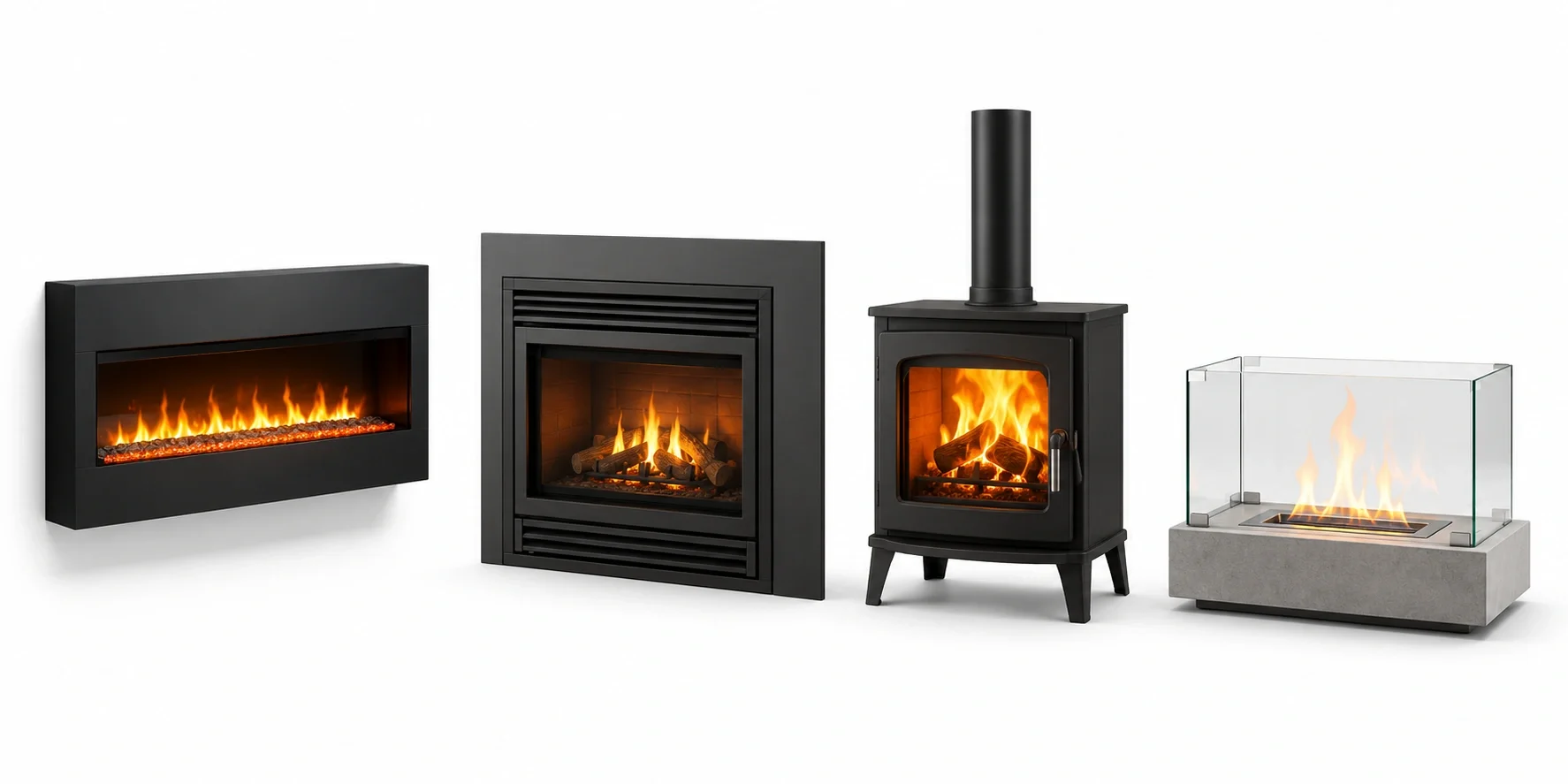
Fireplaces provide localized heating through various fuel types and technologies:
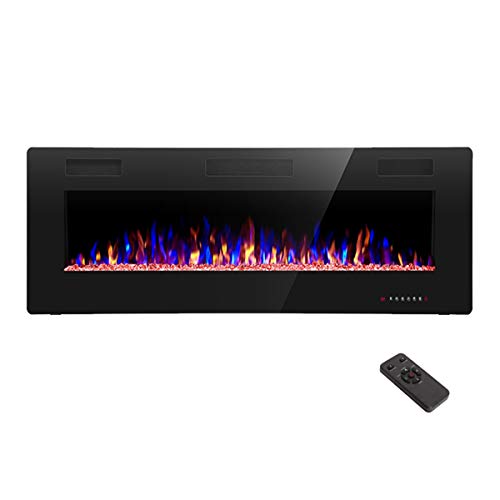
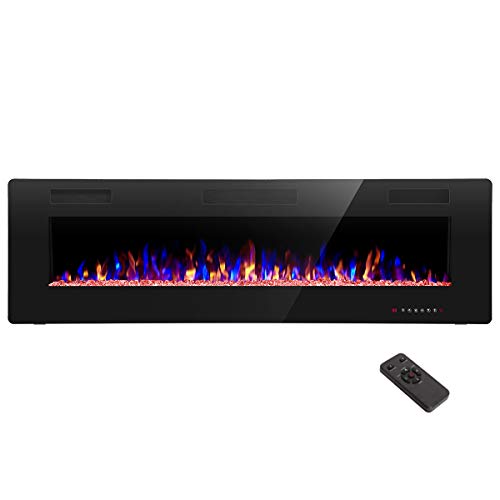
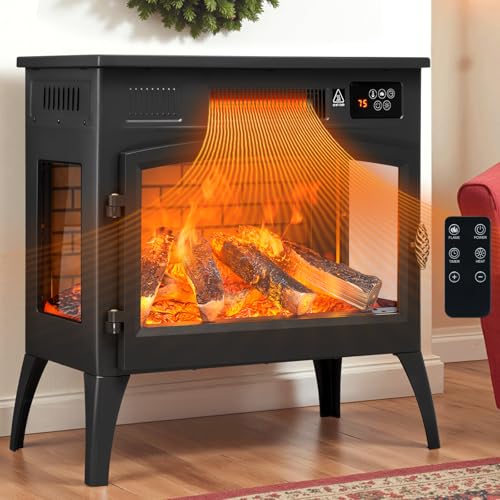
- Electric fireplaces: Use resistant heating elements or infrared technology
- Gas fireplaces: Burn natural gas or propane with realistic flames
- Wood fireplaces: Burn wood logs for traditional warmth
- Ethanol fireplaces: Use bioethanol fuel for clean burning
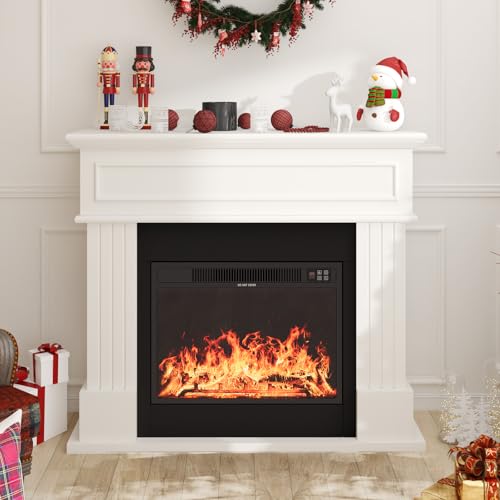
Modern fireplaces can be wall-mounted, freestanding, or built into existing fireboxes, offering flexibility in placement and design.
Key Differences at a Glance
| Feature | Fireplace | Central Heating |
|---|---|---|
| Heating Coverage | Single room or zone | Entire home |
| Installation Cost | $500–$5,000 | $3,000–$12,000 |
| Monthly Operating Cost | $30–$120 | $100–$300 |
| Energy Efficiency | 85–99% (electric/infrared) | 80–98% (varies by type) |
| Heat Distribution | Localized/radiant | Even throughout home |
| Aesthetic Appeal | High (focal point) | Low (hidden system) |
| Maintenance | Low to moderate | Regular professional needed |
| Installation Time | Hours to 1 day | 1–5 days |
Cost Comparison: Fireplace vs Central Heating
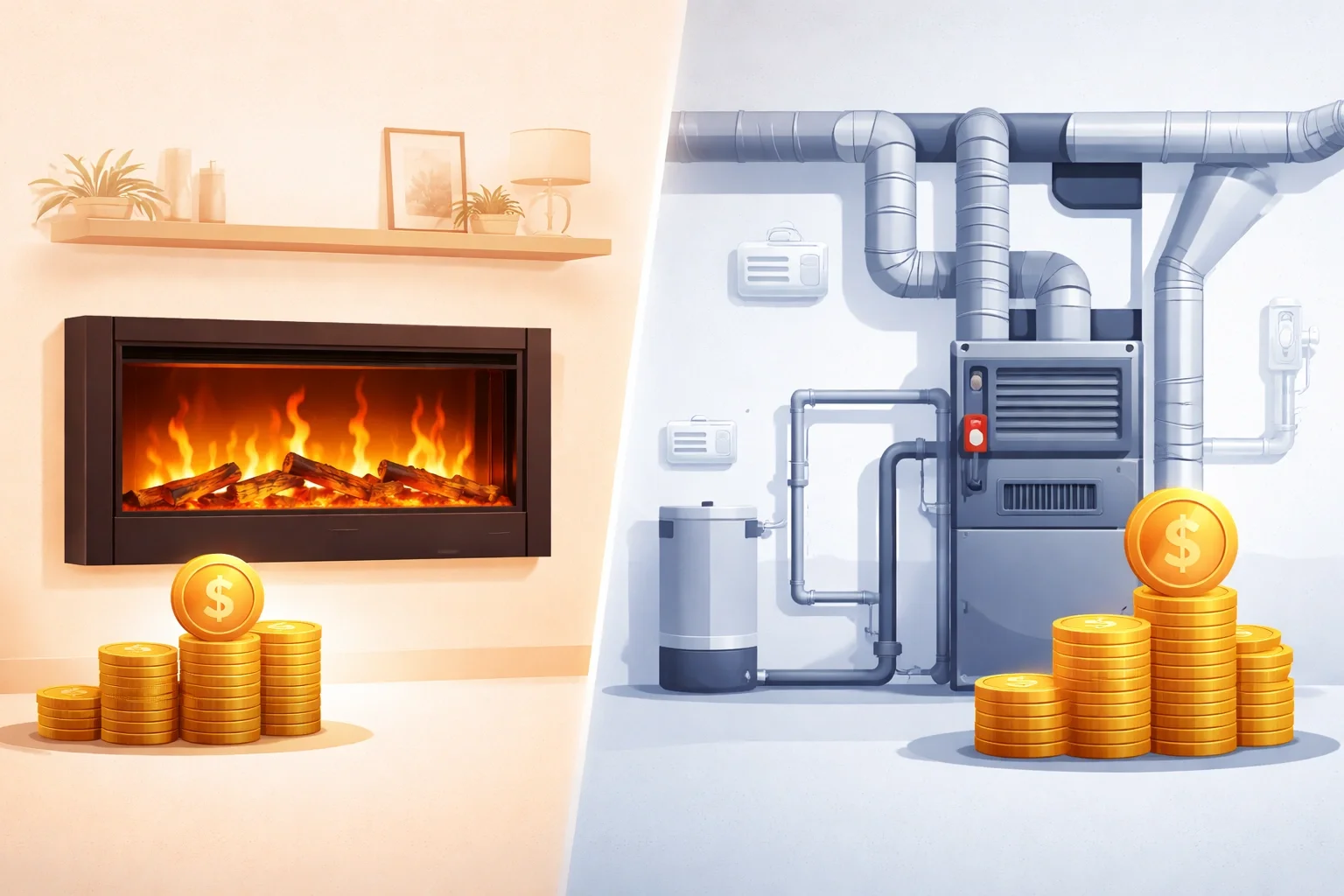
Understanding the complete cost picture is essential for making an informed decision. Let's break down the expenses for each option:
Installation Costs
Fireplace Installation Costs
Central Heating Installation Costs
Operating Costs
The daily running costs vary significantly based on your climate, home insulation, energy rates, and usage patterns. Here's a typical comparison for a 2,000 square foot home in a moderate climate:
- Central heating (gas furnace): $100–$200 per month during heating season
- Central heating (electric furnace): $150–$300 per month during heating season
- Central heating (heat pump): $80–$150 per month during heating season
- Electric fireplace (zone heating): $30–$80 per month
- Gas fireplace (zone heating): $40–$100 per month
Cost Verdict
Fireplaces have significantly lower installation costs and can reduce operating costs through zone heating—heating only the rooms you're using rather than the entire house. Central heating has higher upfront costs but provides comprehensive, whole-home heating that may be necessary in extreme climates. For a detailed fireplace cost breakdown, check our comprehensive guide.
Heating Efficiency Comparison

Fireplace Efficiency
Modern fireplaces, particularly electric and gas models, have made tremendous efficiency gains:
- Electric fireplaces: 100% efficient (all electricity converts to heat)
- Infrared electric: Highly efficient for spot heating with minimal heat loss
- Direct-vent gas: 70–85% efficient
- Ventless gas: 99% efficient (no heat lost through venting)
- Traditional wood: 10–30% efficient (most heat escapes up chimney)
- Modern wood inserts: 60–80% efficient
Central Heating Efficiency
Central heating system efficiency varies by type and age:
- Modern gas furnace: 92–98% AFUE (Annual Fuel Utilization Efficiency)
- Older gas furnace (15+ years): 60–70% AFUE
- Electric furnace: 100% efficient at point of use
- Heat pump: 200–400% efficient (moves heat rather than creating it)
- Oil furnace: 80–90% AFUE
- Boiler systems: 80–95% efficient
For a deeper dive into energy-efficient fireplace types, see our detailed comparison. The key insight is that while central heating can be highly efficient, it often wastes energy heating unoccupied rooms, whereas fireplaces allow for targeted zone heating.
Heating Performance and Coverage

Central Heating Performance
Central heating excels at maintaining consistent temperatures throughout your entire home:
- Even heat distribution to all rooms via ducts or pipes
- Programmable thermostats for automatic temperature control
- Can maintain set temperatures regardless of outdoor conditions
- Effective in extreme cold climates where whole-home heating is essential
- Zone control possible with multiple thermostats or dampers
Fireplace Performance
Fireplaces provide focused, intense heat to specific areas:
- Rapid heating of immediate area (especially infrared models)
- Creates warm microclimates in rooms where you spend time
- Supplemental heat that can reduce central heating workload
- Ideal for living rooms, bedrooms, and other frequently used spaces
- Limited to single-room or zone heating
Performance Verdict
Central heating wins for whole-home, consistent temperature control. Fireplaces excel at providing immediate, focused warmth where you need it most. Many homeowners find the combination of both—using central heating at a lower setting while supplementing with a fireplace in occupied rooms—provides the best of both worlds.
Comfort and Air Quality Considerations

Central Heating Comfort
- Even temperatures: No hot or cold spots when properly balanced
- Dry air: Forced-air systems can reduce indoor humidity, causing dry skin and respiratory discomfort
- Air circulation: Helps prevent stagnant air but can distribute dust and allergens
- Noise: Furnace fans and ductwork can create background noise
- No visual appeal: Heating system is hidden, providing no aesthetic benefit
Fireplace Comfort
- Radiant warmth: Feels like natural sunlight, warming objects and people directly
- Ambiance: Creates a cozy, inviting atmosphere with realistic flames
- Humidity: Doesn't dry air as much as forced-air systems
- Quiet operation: Especially true for electric models with no fan
- Focal point: Enhances room design and becomes a gathering spot
For those concerned about carbon monoxide safety, electric fireplaces produce none, while proper ventilation ensures gas and wood fireplaces remain safe.
Environmental Impact Comparison
Central Heating Environmental Impact
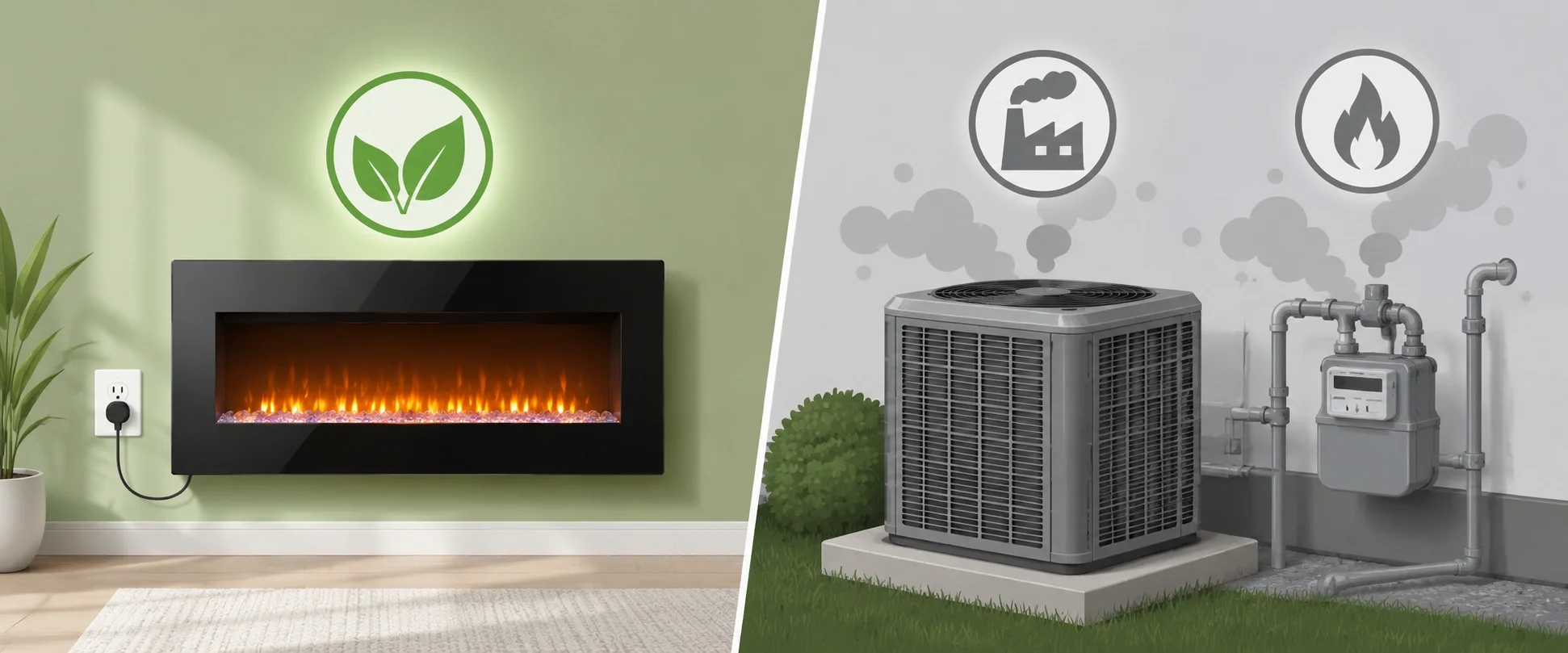
- Natural gas furnace: Burns fossil fuel, produces CO2 and other emissions
- Electric furnace: Emissions depend on local power generation (renewable vs. fossil fuels)
- Heat pump: Most environmentally friendly option, using electricity to move existing heat
- System-wide impact: Duct losses can reduce overall efficiency by 20-30%
Fireplace Environmental Impact
- Electric fireplace: No direct emissions; impact depends on electricity source
- Ethanol fireplace: Burns biofuel with minimal emissions
- Gas fireplace: Lower emissions than whole-home gas furnace due to smaller scale
- Wood fireplace: Produces particulate matter and CO2; can be carbon-neutral if wood is sustainably sourced
Environmental Verdict
Heat pumps are the most environmentally friendly central heating option. Among fireplaces, electric and ethanol models have the lowest direct environmental impact. Using a fireplace for zone heating can reduce overall energy consumption compared to heating an entire home with central heating, potentially lowering your carbon footprint.
Best Applications for Each System

Choose Central Heating When:
- You live in a climate with extreme cold temperatures
- You need consistent heating throughout a large home
- Your home has existing ductwork or hydronic piping
- You prefer set-it-and-forget-it temperature control
- You're building new construction where systems can be integrated
- Multiple occupants need different rooms heated simultaneously
Choose a Fireplace When:
- You want to create a modern focal point in your living space
- You primarily use only a few rooms in your home
- You want supplemental heat for specific areas
- Installation budget is limited
- You're in a mild climate where whole-home heating isn't necessary
- You want to reduce central heating costs through zone heating
- You're adding heat to a room addition or converted space
The Best of Both Worlds: Using Fireplaces with Central Heating
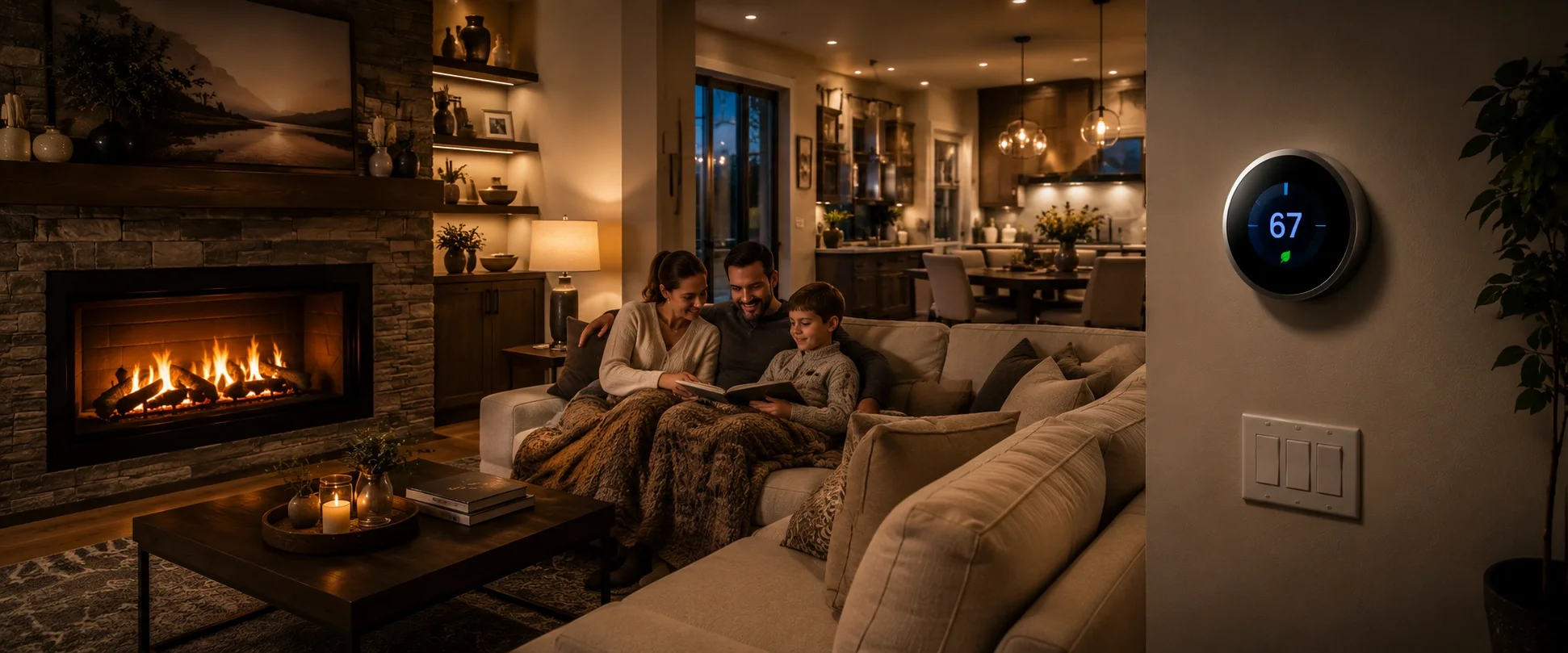
Rather than choosing one over the other, many homeowners find the ideal solution is using both systems together strategically:
- Lower thermostat setting: Set central heating 5-10°F lower and use a fireplace in occupied rooms
- Emergency backup: A fireplace provides heat if your central system fails during winter
- Zone heating: Only heat rooms you're using with the fireplace, leaving unoccupied rooms cooler
- Ambiance plus comfort: Enjoy the visual appeal of a fireplace while maintaining whole-home comfort
- Cost savings: Can reduce central heating costs by 20-40% through strategic fireplace use
This approach is particularly effective with electric fireplaces, which can be easily controlled with timers and thermostats to supplement central heating precisely when and where needed.
Scenario-Based Recommendations
Large Family Home in Cold Climate
A 3,000 sq ft home in Minnesota with a family of five using multiple rooms throughout the day.
Small Apartment or Condo
A 800 sq ft apartment in California with one or two occupants primarily using the living area.
Home Office Setup
Working from home in a dedicated office room for 8+ hours daily while the rest of the house is unoccupied.
Master Bedroom Retreat
Wanting a warm, cozy bedroom without heating the entire house at night.
Frequently Asked Questions
While it's possible in theory, heating an entire house with a fireplace is generally impractical for most homes. Fireplaces are designed for zone heating—warming specific areas rather than whole homes. Even large wood fireplaces typically only effectively heat the room they're in and adjacent spaces. For whole-home heating, central heating systems are more practical and efficient.
It depends on how you use them. Central heating costs more per month but heats your entire home. A fireplace costs less per month but only heats one area. However, if you use zone heating strategically—lowering your thermostat and using a fireplace in occupied rooms—you can often reduce total heating costs by 20-40% compared to central heating alone.
Yes, a fireplace typically adds value to a home, usually between $1,000 and $5,000 depending on the type, quality, and local real estate market. Gas and electric fireplaces are particularly valued for their convenience, while wood-burning fireplaces are prized for their traditional appeal. The aesthetic and emotional appeal of a fireplace can also make your home more attractive to buyers.
Absolutely! Many homeowners have both systems. Electric fireplaces are particularly easy to add since they don't require venting—just a standard electrical outlet. Gas fireplaces can be added if you have access to a gas line or are willing to install one. The combination provides flexibility and can actually reduce your overall heating costs through strategic zone heating.
It depends on the type. Forced-air central heating can distribute dust, pet dander, and allergens throughout your home via ductwork. Electric fireplaces don't circulate air and may be better for allergy sufferers. Wood fireplaces can produce particulates that aggravate respiratory issues. For the best allergy-friendly option, consider an electric fireplace with infrared heating (no fan) or a central heating system with high-quality air filtration.
Savings vary based on your climate, home size, energy rates, and usage patterns, but many homeowners report saving 20-40% on heating costs by implementing zone heating with a fireplace. For a home with a $200/month central heating bill, this could mean savings of $40-$80 monthly during heating season. The long-term savings can be substantial, especially in mild climates where a fireplace might handle most of your heating needs.
The Final Verdict: Fireplace, Central Heating, or Both?

The choice between fireplace and central heating isn't necessarily an either/or decision. The best solution depends on your specific circumstances:
Choose Central Heating If:
- You live in a climate with harsh winters
- You need consistent temperatures throughout a large home
- Your home already has an efficient central system
- You prefer automated, whole-home climate control
- Multiple family members need different rooms heated simultaneously
Choose a Fireplace If:
- You want to create a beautiful focal point in your living space
- You primarily use only one or two rooms
- You're on a limited installation budget
- You live in a mild climate
- You want to reduce central heating costs through zone heating
- You're adding heat to a specific room or addition
Best Solution: Combine Both Systems
For most homeowners, the ideal solution is using central heating as your whole-home backup while strategically employing fireplaces for zone heating in frequently used rooms. This approach gives you the reliability of central heating with the cost savings, ambiance, and focused comfort of a fireplace.
By understanding your specific heating needs, climate, and lifestyle, you can create a heating strategy that maximizes comfort while minimizing costs. Whether you choose central heating, a fireplace, or both, the key is to match your heating solution to how you actually live in and use your home.
For more information on choosing the right fireplace for your home, check out our comprehensive guide or explore other heating comparisons to understand all your options.