
Direct Vent vs B-Vent: Which Venting System Is Right for You?
Complete comparison of direct vent and B-vent gas fireplaces to help you choose the safest, most efficient venting option for your home
VIEW RECOMMENDATIONSWhen installing a gas fireplace, choosing the right venting system is one of the most critical decisions you'll make. Both direct vent and B-vent (also known as natural vent) systems serve the essential function of safely removing combustion byproducts from your home, but they operate quite differently. Understanding these differences is crucial for ensuring optimal performance, safety, and efficiency. This comprehensive guide will help you navigate the technical aspects, installation requirements, and practical considerations to make the best choice for your specific situation.
Recommended Direct Vent & B-Vent Gas Fireplaces
⚠️ AFFILIATE DISCLOSURE: This website contains affiliate links. As an Amazon Associate, we earn from qualifying purchases. If you make a purchase through these links, we may receive a small commission at no additional cost to you. Read our full affiliate policy.

Empire Comfort Systems 36" Direct-Vent NG Millivolt Control Fireplace with Logs, Burner, Tempered Glass, Herringbone Ceramic Fiber Brick, Power Outage Heating, Realistic Flame Effect

Ashley DV Cast Iron Gas Stove

Duluth Forge Dual Fuel Ventless Gas Fireplace Insert - 32,000 BTU, Remote Control - Model# FDI32R

Majestic 36 Inch Linear Direct Vent Gas Fireplace - DVLINEAR36

Empire Comfort Systems Deluxe 32 Tahoe Direct Vent MV Fireplace with Barrier Screen - NG
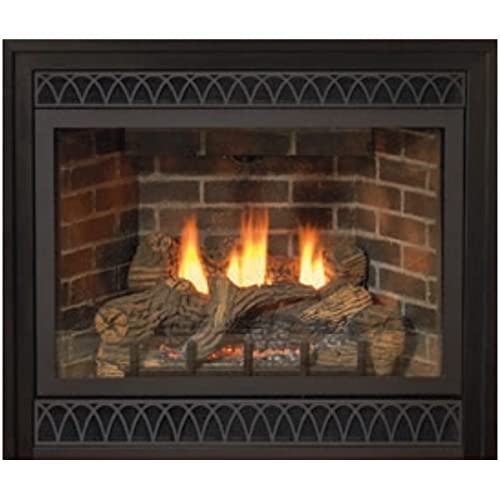
36" Direct-Vent NG Intermittent Pilot Control Fireplace with Blower
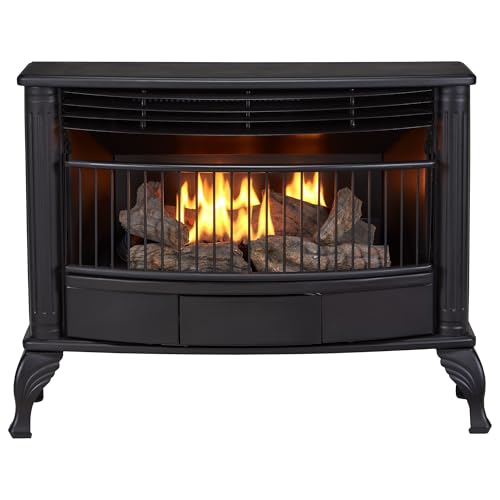
Duluth Forge Ventless Liquid Propane Gas Stove - 25,000 BTU, T-Stat Control, Black Finish - Model# QSL250T

4" x 6-5/8" 46DVA-HC Horizontal Square Termination
Understanding Both Venting Systems
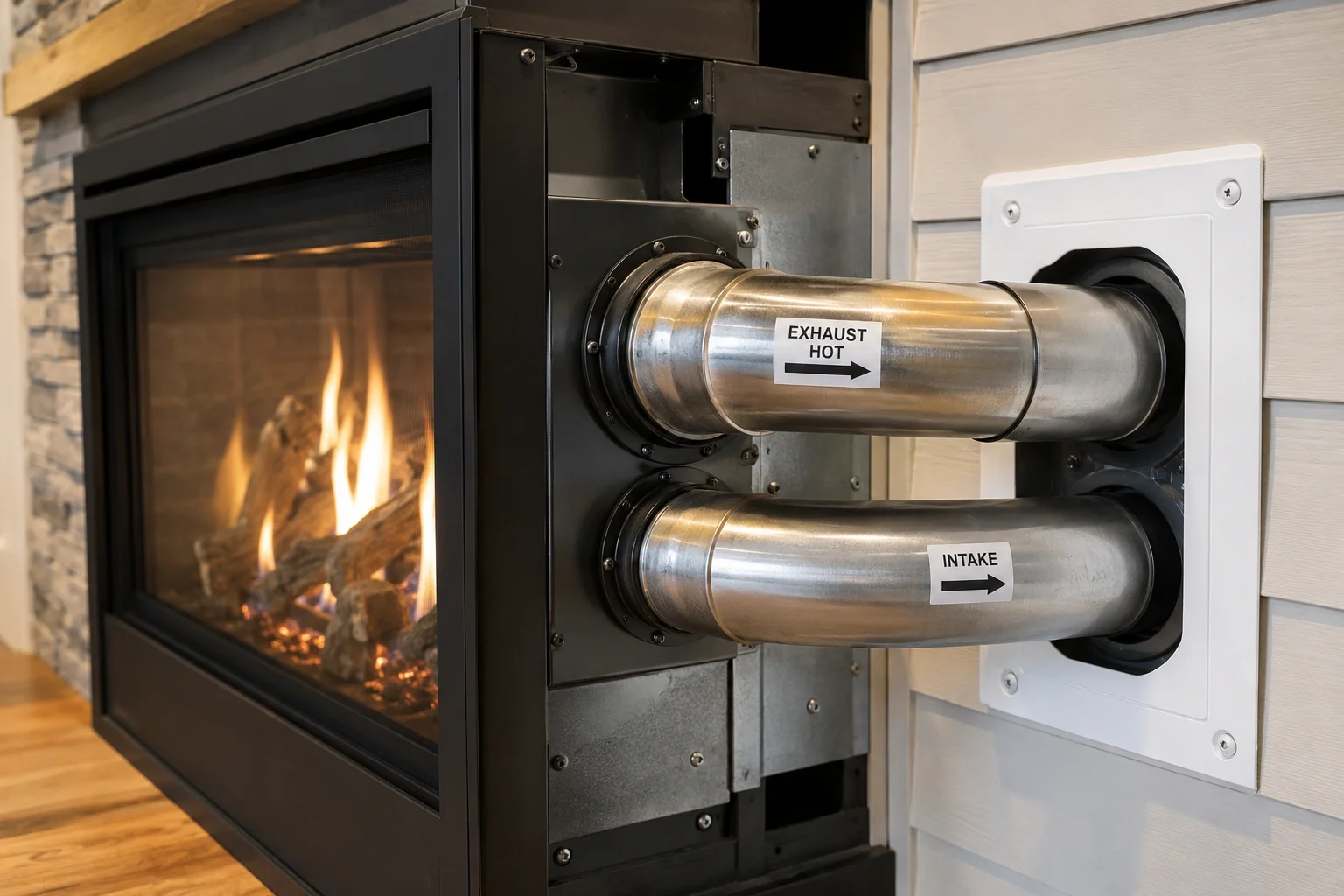
Direct Vent Fireplaces
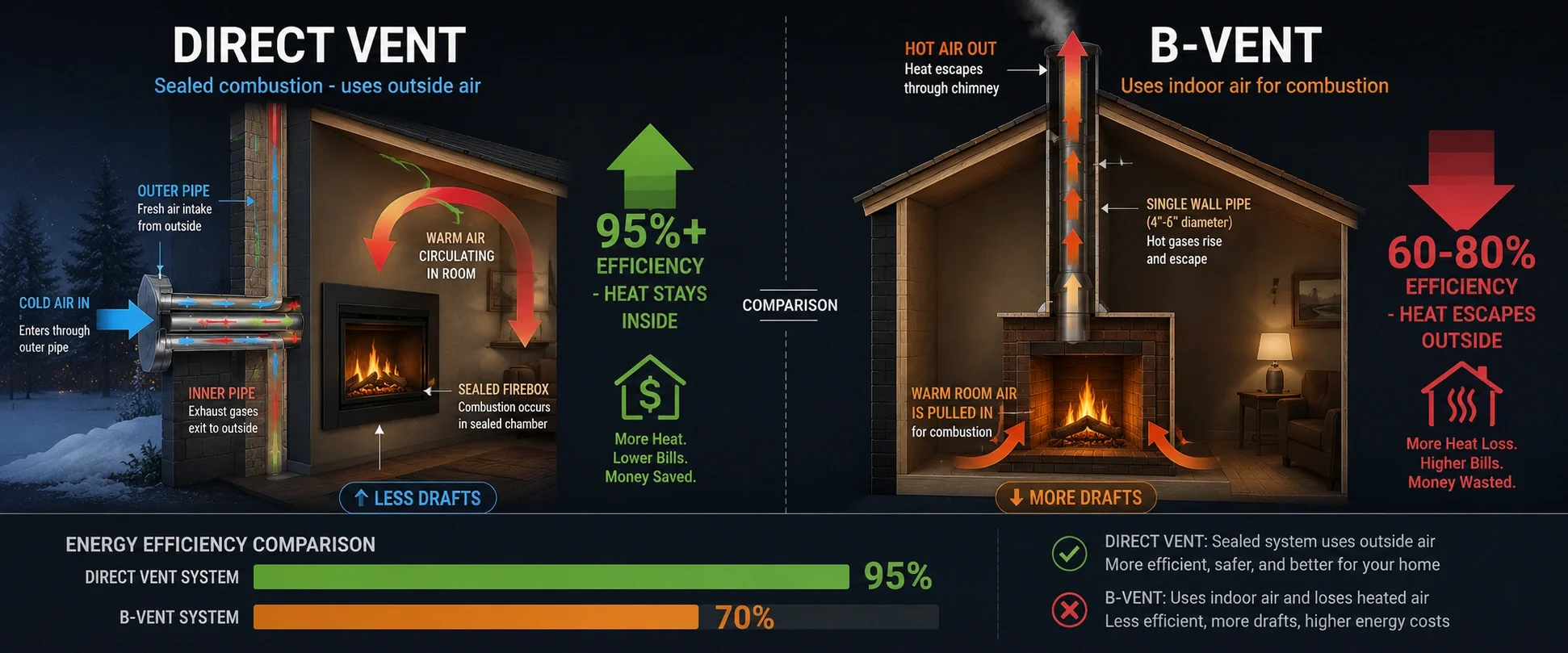
Direct vent fireplaces use a sealed combustion system with two pipes or a concentric pipe system. One pipe draws fresh air from outside for combustion, while the other expels exhaust gases directly outside. This sealed system prevents combustion air from being drawn from your living space, making it one of the most efficient and safest vented fireplace options available.
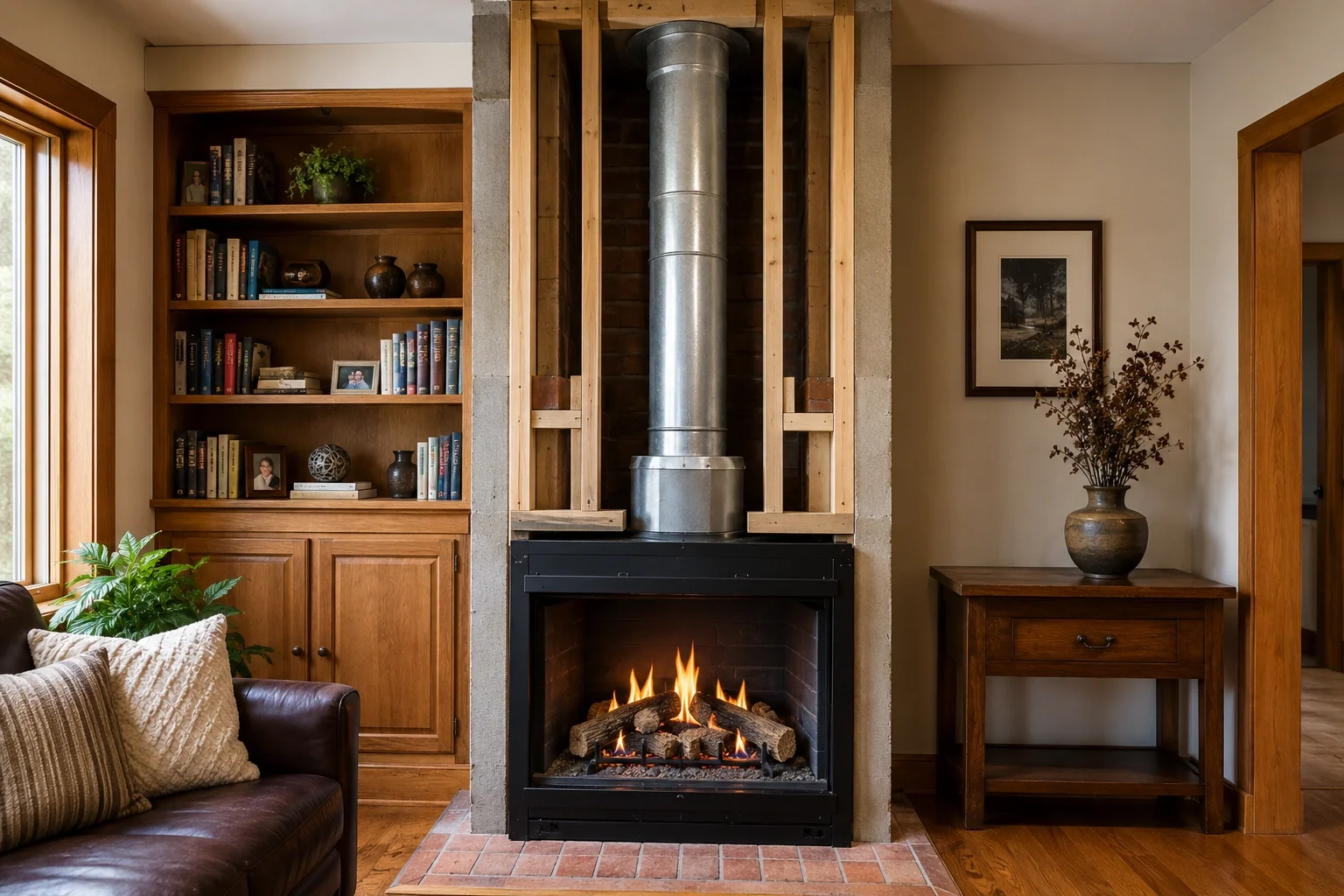
B-Vent Fireplaces
B-vent fireplaces, also called natural vent systems, use a single pipe that relies on natural buoyancy (hot air rising) to expel combustion gases through a vertical chimney. Unlike direct vent systems, they draw combustion air from the room where they're installed. This traditional approach has been used for decades but comes with specific limitations regarding efficiency and installation requirements.
How Each Venting System Works
Direct Vent Operation
- Uses a sealed combustion chamber that's completely isolated from indoor air
- Draws 100% of combustion air from outside through the outer pipe or intake
- Exhausts all combustion byproducts directly outside through the inner pipe
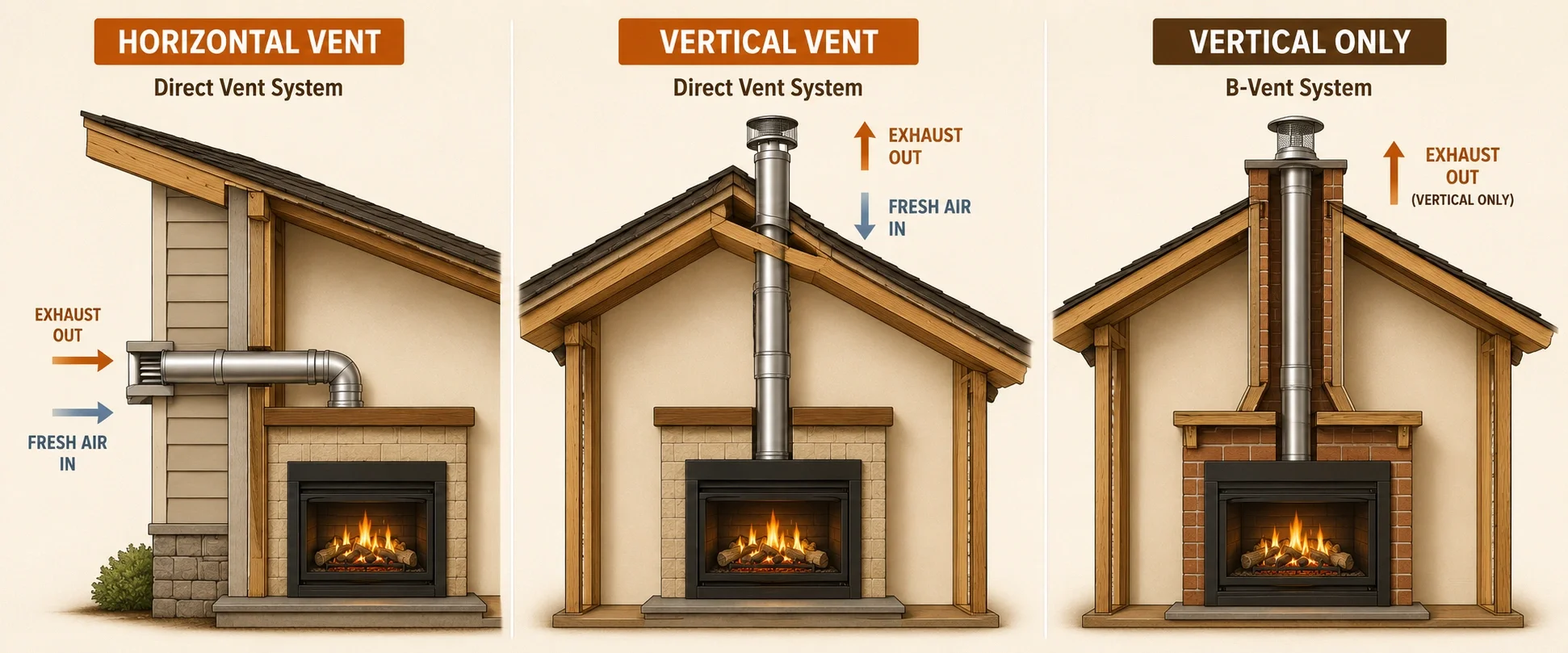
- Can be vented horizontally through an exterior wall or vertically through the roof
- Maintains positive pressure inside the home by not depleting indoor air
- Typically achieves 70-85% efficiency due to sealed combustion
B-Vent Operation
- Uses an open combustion chamber that draws air from the room
- Relies on natural convection (hot air rising) to expel exhaust gases
- Requires a vertical chimney to create adequate draft for proper exhaust
- Cannot be vented horizontally—must terminate above the roofline
- Can create negative pressure in tightly sealed homes by drawing indoor air
- Typically achieves 60-70% efficiency due to less complete combustion

Efficiency & Heating Performance
Direct Vent Efficiency
- Higher efficiency ratings typically between 70-85%
- No heat loss through drafting of indoor air
- Sealed combustion allows for more precise control of the air-fuel mixture
- Less heat escapes up the chimney compared to B-vent systems
- More consistent heat output regardless of indoor air conditions
- Better for supplemental heating due to higher efficiency
B-Vent Efficiency
- Lower efficiency ratings typically between 60-70%
- Some heat is lost as warm indoor air is drawn up the chimney
- Less precise control of combustion due to variable indoor air quality
- More heat escapes through the larger diameter vent pipe required
- Performance can be affected by wind conditions and home pressurization
- Better suited for ambiance than primary heating
Installation Requirements & Flexibility
Direct Vent Installation
- More flexible installation options—can vent horizontally or vertically
- Can be installed on exterior walls without a chimney
- Uses smaller diameter pipes (typically 4-8 inches)
- Can have vent runs up to 40 feet depending on the model
- May require less structural modification to your home
- Ideal for apartments and homes without existing chimneys
B-Vent Installation
- Less flexible—must vent vertically through the roof
- Requires a chimney that extends above the roofline
- Uses larger diameter pipes (typically 6-12 inches)
- Limited vertical run options with strict height requirements
- May require significant structural modifications if no chimney exists
- Better suited for homes with existing chimneys or new construction
Cost Comparison: Installation & Operation
| Cost Factor | Direct Vent | B-Vent |
|---|---|---|
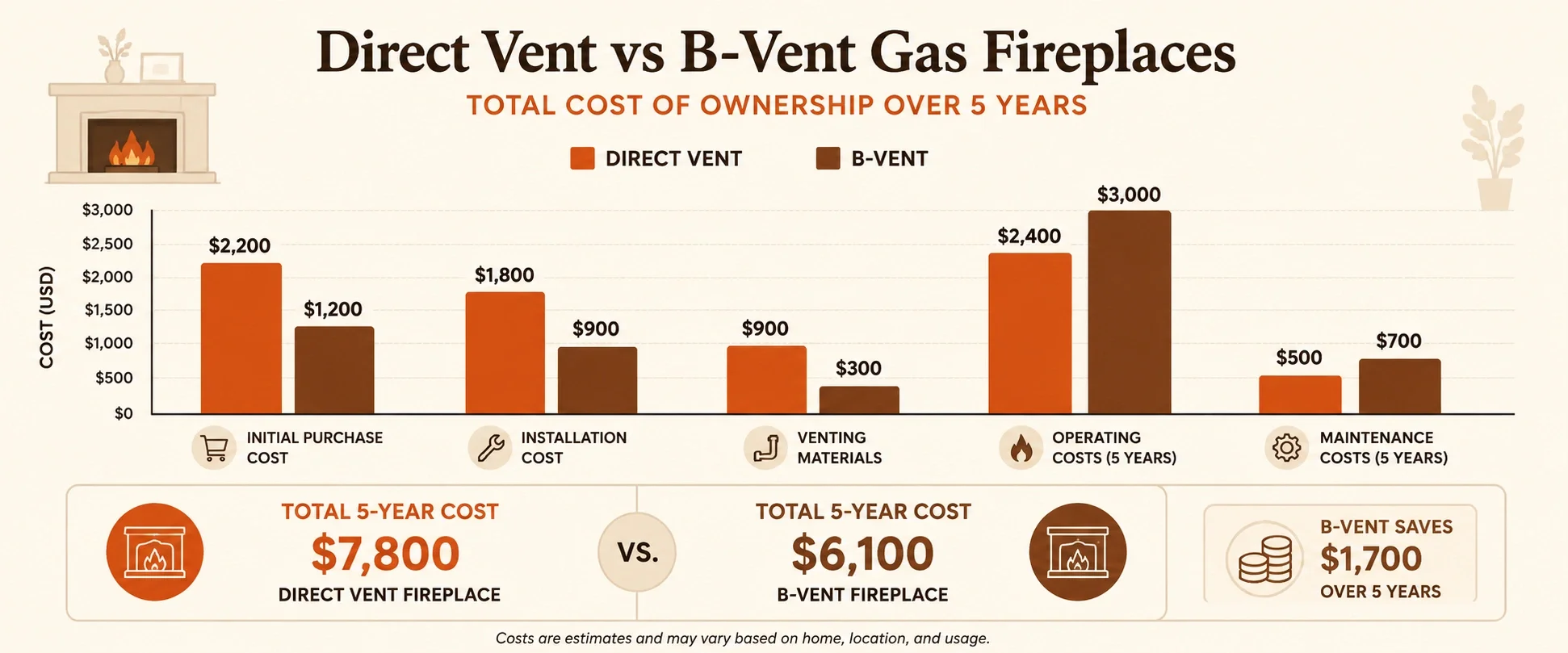
| Fireplace Unit Cost | $1,200–$3,500 | $800–$2,500 |
| Installation Cost (with existing chimney) | $500–$1,500 | $300–$800 |
| Installation Cost (new venting required) | $1,000–$3,000 | $2,500–$5,000+ |
| Venting Materials Cost | $200–$600 | $300–$800 |
| Annual Operating Cost (typical use) | $200–$400 | $250–$500 |
| Annual Maintenance Cost | $100–$200 | $150–$300 |
While B-vent fireplaces typically have a lower initial purchase price, the total cost of ownership often favors direct vent systems, especially in homes without existing chimneys. The higher efficiency of direct vent fireplaces also results in lower operating costs over time, potentially offsetting the initial price difference within a few years of regular use.
Safety Features & Considerations
Direct Vent Safety
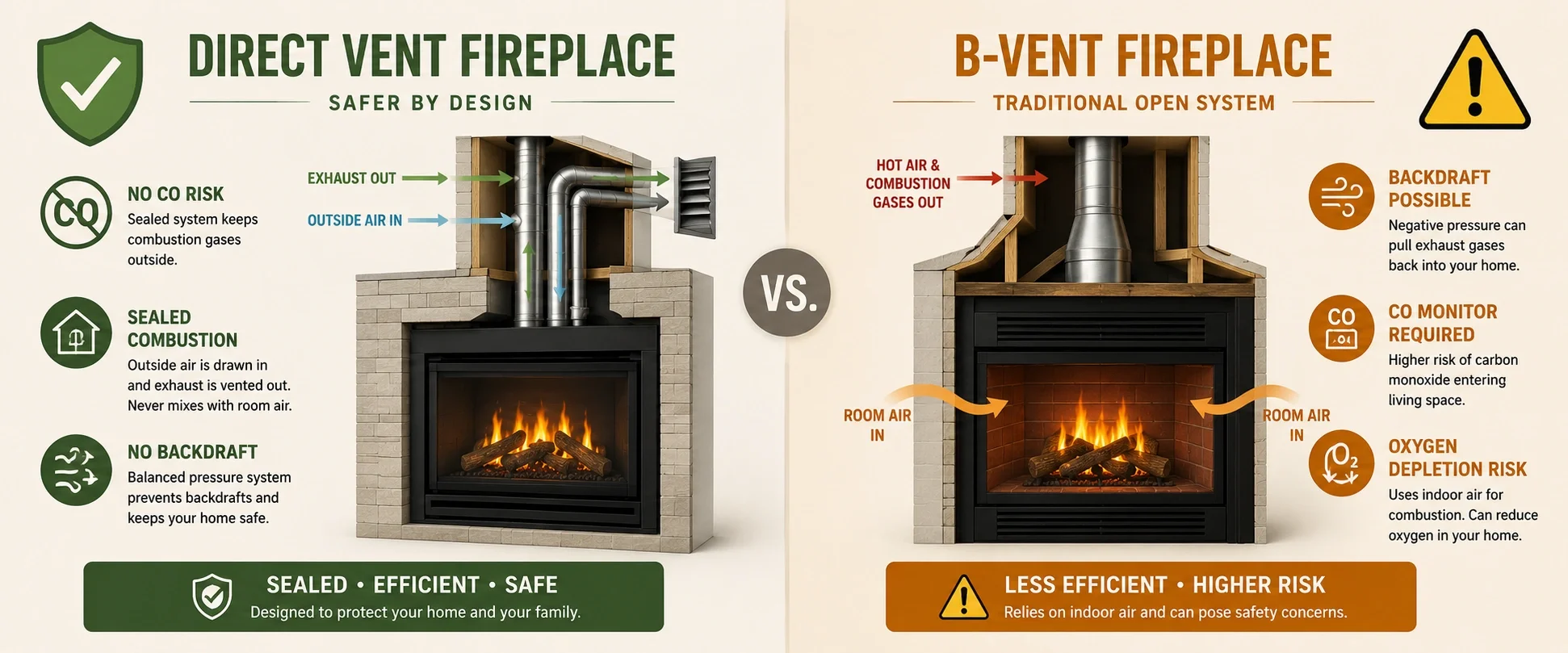
- Sealed combustion eliminates risk of combustion byproducts entering living space
- Cannot backdraft under normal operating conditions
- No risk of carbon monoxide entering the home due to sealed system
- Doesn't deplete oxygen levels in the room
- Less affected by wind conditions or home pressurization issues
- Generally considered the safest venting option for gas fireplaces
B-Vent Safety
- Potential for backdrafting if home is tightly sealed or pressurized
- Risk of carbon monoxide entering home if venting is compromised
- Can deplete oxygen levels in tightly sealed rooms
- More susceptible to wind-related downdraft issues
- Requires proper clearances from combustible materials
- May require additional carbon monoxide detectors for safety
Maintenance & Upkeep
Direct Vent Maintenance
- Annual inspection of venting system for blockages or damage
- Cleaning of glass front to maintain optimal heat transfer
- Checking and cleaning the burner and ignition system
- Inspection of seals and gaskets to maintain airtight combustion chamber
- Less frequent chimney cleaning due to cleaner combustion
- Typically requires professional inspection every 1-2 years
B-Vent Maintenance
- More frequent chimney inspections due to potential for soot buildup
- Regular cleaning of vent pipe to prevent blockages
- Checking for proper draft and combustion air supply
- Inspection of vent pipe connections and supports
- More extensive maintenance requirements due to open combustion
- Typically requires annual professional inspection and cleaning
Aesthetics & Design Options
Direct Vent Design Options
- Available in a wide range of styles from traditional to modern
- Can be installed as wall-mounted units for contemporary look
- Options for large viewing areas with minimal framework
- Available as inserts for existing fireplaces
- Can be incorporated into custom mantel designs
- Offer both single-sided and see-through configurations
B-Vent Design Options
- More limited in style options compared to direct vent
- Typically designed for more traditional installations
- Usually requires larger surround to accommodate venting
- Less flexibility in placement due to vertical venting requirement
- Often used in traditional fireplace designs
- Generally single-sided configurations only
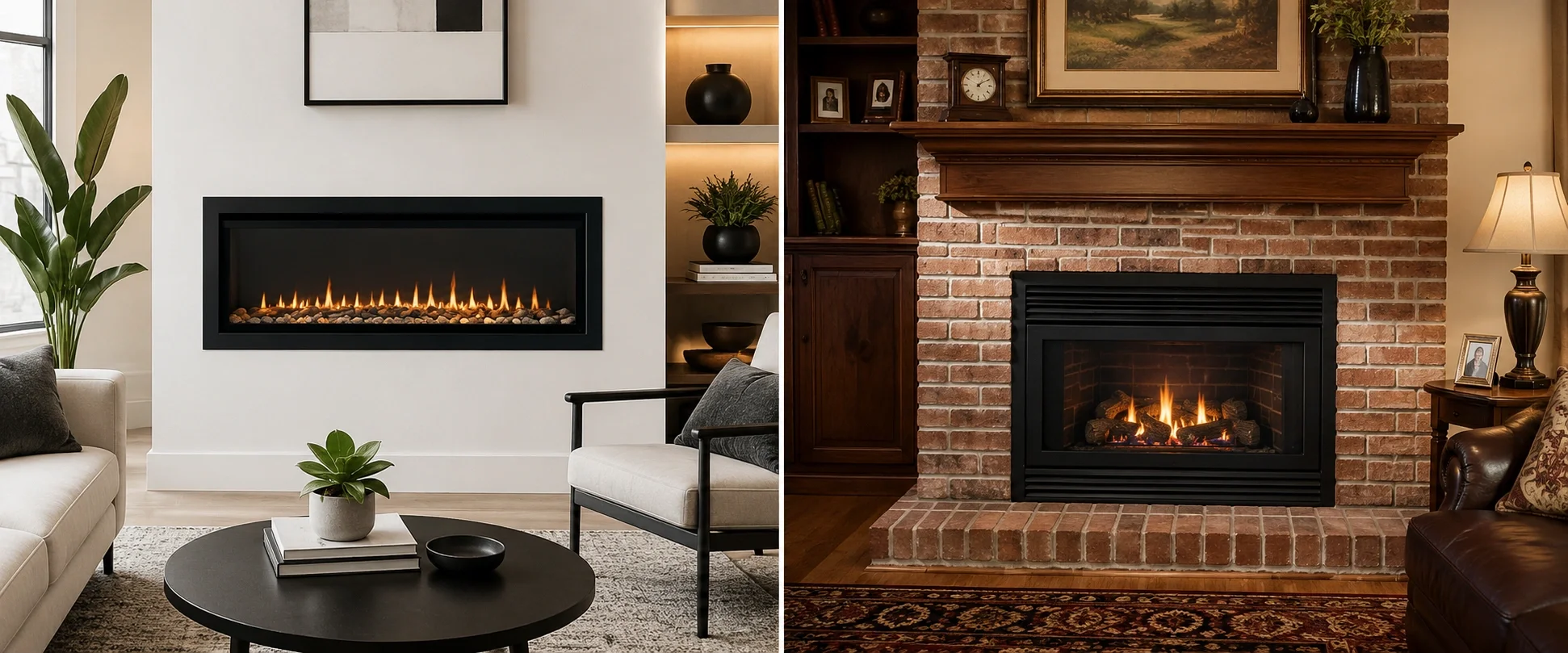
Pros & Cons Summary
Direct Vent
Pros
- Higher efficiency (70-85%)
- Sealed combustion for maximum safety
- Flexible installation options
- Can vent horizontally or vertically
- Lower operating costs
- No carbon monoxide risk
- Works in tightly sealed homes
Cons
- Higher initial cost
- Requires access to exterior wall or roof
- May require professional installation
- Glass front required (can't be completely open)
- Limited to gas fuel only
- May have limited flame height due to sealed system
B-Vent
Pros
- Lower initial cost
- Can have larger, more open flame appearance
- Simpler technology with fewer components
- Can be used in homes with existing chimneys
- No glass front required in some models
- Familiar technology for many installers
Cons
- Lower efficiency (60-70%)
- Potential for backdrafting
- Must vent vertically through roof
- Higher operating costs
- Carbon monoxide risk if not properly maintained
- Not suitable for tightly sealed homes
Which Is Best For You?
Choose Direct Vent If You:
- Prioritize safety and efficiency above all else
- Don't have an existing chimney or want to avoid chimney installation
- Have a tightly sealed, energy-efficient home
- Want flexible installation options
- Plan to use the fireplace for regular heating
- Are installing in a bedroom or other living space where safety is paramount
- Want a contemporary design with clean lines
Choose B-Vent If You:
- Have an existing chimney that can be utilized
- Are on a tighter budget for initial installation
- Prefer a more traditional fireplace appearance
- Live in an older, less tightly sealed home
- Want a larger, more open flame appearance
- Are installing in a living room with adequate air circulation
- Don't mind the lower efficiency for occasional use
The Final Verdict
When comparing direct vent vs B-vent fireplaces, direct vent systems emerge as the superior choice for most modern homeowners. The combination of higher efficiency, enhanced safety features, and installation flexibility makes them the recommended option for new installations. While B-vent fireplaces can be a cost-effective choice for homes with existing chimneys or for those prioritizing traditional aesthetics, the long-term benefits of direct vent technology—including lower operating costs and reduced safety concerns—typically outweigh the initial price difference.
For most homeowners, especially those in newer, more energy-efficient homes, investing in a direct vent gas fireplace provides the best balance of performance, safety, and value. However, if you have an existing chimney and are primarily interested in the aesthetic appeal of a traditional fireplace with occasional use, a B-vent system can still be a viable option when properly installed and maintained.