Electric Fireplace Carbon Monoxide: Safety Guide & Facts
Do electric fireplaces produce carbon monoxide? Discover the science, the safety facts, and why they are considered one of the safest heating options for your home.
LEARN THE FACTSQuick Answer: No. Electric fireplaces do not produce carbon monoxide. They do not burn fuel, so there is no combustion and no CO emission. This makes them fundamentally different from gas, wood, and ethanol fireplaces, and a top choice for safe indoor use.
Why Electric Fireplaces Cannot Produce Carbon Monoxide
Carbon monoxide (CO) is a byproduct of incomplete combustion. It is created when carbon-based fuels such as natural gas, propane, wood, oil, or ethanol burn without enough oxygen. If you want to understand the broader risks, our guide on carbon monoxide signs from fireplaces explains what to look for in fuel-burning units.
An electric fireplace works on an entirely different principle. It uses electrical resistance heating elements — essentially the same technology found in a space heater or a toaster. Electricity flows through a resistive coil, which heats up and transfers warmth into the room via a blower fan or infrared radiation. There is no flame, no fuel, and no exhaust, which means there is no chemical reaction that could generate carbon monoxide.
This is a critical distinction. A side-by-side comparison of electric, gas, wood, and ethanol fireplaces shows that CO risk is tied exclusively to combustion-based models, never to electric ones.
Electric vs. Fuel-Burning Fireplaces: CO Emissions Compared
The table below summarizes how each major fireplace type handles carbon monoxide. This is the single most important factor when choosing a fireplace for a sealed room, apartment, or bedroom.
| Fireplace Type | Produces CO? | Venting Required? | Indoor Safety |
|---|---|---|---|
| Electric Fireplace | No | No | Excellent |
| Gas Fireplace (Vented) | Yes — vented outdoors | Yes | Good when properly vented |
| Gas Fireplace (Ventless) | Trace amounts possible | No | Good with ODS sensor & ventilation |
| Wood-Burning Fireplace | Yes | Yes (chimney) | Depends on draft & maintenance |
| Ethanol Fireplace | Yes (low levels) | No (but ventilation advised) | Moderate |
Notice that every fuel-burning type carries at least some CO consideration, while the electric column is a clean zero. If you're still deciding which fuel type fits your home, this guide to choosing the right fireplace walks through the trade-offs beyond just safety.
Why Carbon Monoxide Safety Matters for Your Home
Carbon monoxide is often called the "silent killer" because it is colorless, odorless, and tasteless. Early symptoms — headaches, dizziness, nausea, and fatigue — are easy to mistake for a cold or flu. Prolonged exposure can be life-threatening.
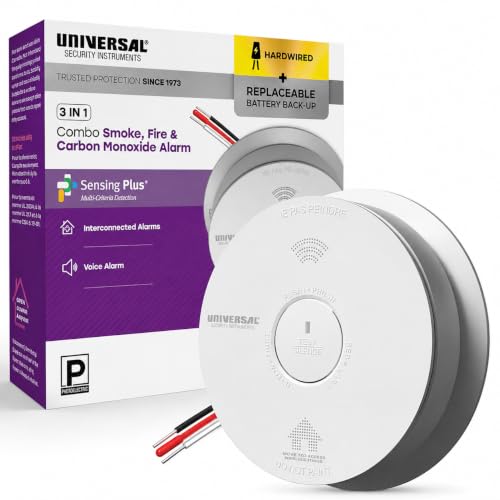
This is why the Consumer Product Safety Commission and fire safety authorities recommend carbon monoxide detectors in any home with a fuel-burning appliance. The good news for electric fireplace owners is that their unit adds zero CO load to the home, which is a major reason electric models are increasingly popular in apartments and bedrooms.
Important: Even if you own only electric fireplaces, you should still have CO detectors if your home has a gas furnace, gas water heater, gas stove, attached garage, or any other fuel-burning appliance. Electric fireplaces are safe, but they are not a substitute for whole-home CO monitoring.
Safety Advantages of Electric Fireplaces Beyond CO
Carbon monoxide is only one part of the safety picture. Electric fireplaces offer several additional safety benefits that make them attractive for families, renters, and anyone in a smaller space.
No Open Flame
Zero risk of accidental burns from a live flame or hot embers escaping the firebox.
No Chimney or Vent
Nothing to leak, clog, or backdraft. This eliminates the leading causes of CO intrusion in fuel-burning systems.
Cool-to-Touch Options
Many models keep the glass and surround cool, making them far safer around children and pets.
Auto Shut-Off Timers
Built-in timers and overheat protection prevent the unit from running unattended for too long.
Safe for Bedrooms
Because there is no CO or open flame, electric fireplaces can be used in bedrooms without the concerns that apply to gas or wood units.
No Fuel Storage
No propane tanks, no wood piles, no ethanol canisters to store or refill.
If you're considering a bedroom installation, our article on whether it is safe to sleep with a fireplace on covers the specifics for electric units in detail.
What to Look For in a Safe Electric Fireplace
While all electric fireplaces are CO-free by nature, quality and safety features vary across the market. When shopping, focus on these attributes rather than brand hype.
- Overheat protection: An automatic cut-off that activates if internal temperatures rise too high. Standard on mid-range and premium models.
- Cool-touch glass: Common on electric fireplace inserts with remote control from mid-tier upward. Safer for homes with young children.
- Adjustable thermostat: Lets the unit cycle on and off instead of running constantly. See our fireplace thermostat guide for how manual and digital thermostats compare.
- Timer function: Automatically shuts the fireplace off after a set period. Useful for nighttime use.
- Certification: Look for UL, ETL, or CSA marks, which confirm the unit has passed independent electrical safety testing.
- Proper wattage for your circuit: Most residential electric fireplaces draw 1,500 watts, which requires a dedicated 15-amp circuit. If your unit is tripping the breaker, this is usually the cause.
For a full breakdown of how much power these units consume and what that means for your electrical system, see our guide on fireplace electricity usage.
Installation and Placement: Keeping Safety Simple
One of the biggest practical advantages of electric fireplaces is that they do not require the clearances, venting, or fuel connections that combustion units do. You can often install one without professional help, and this plug-and-play installation guide walks through the process.
That said, a few placement rules still apply:
- Keep flammable materials such as curtains, blankets, and paper at a safe distance. Our article on how close furniture can be to a fireplace gives exact guidance.
- Avoid running the unit on an extension cord if possible; plug directly into a wall outlet to reduce fire risk.
- If you're mounting a smart Wi-Fi fireplace controller or similar accessory, follow the manufacturer's wiring instructions carefully.
- In apartments, confirm any lease restrictions. Most buildings allow electric fireplaces, and this apartment fireplace installation guide covers the details.
Frequently Asked Questions About Electric Fireplaces and Carbon Monoxide
Do electric fireplaces produce carbon monoxide?
Do I still need a carbon monoxide detector with an electric fireplace?
Is a ventless electric fireplace safe in a bedroom?
Can an electric fireplace cause any air quality problems?
Are ventless gas fireplaces as safe as electric fireplaces regarding CO?
Can I use an electric fireplace in a sealed room with no windows?
Ready to Choose a Safe, CO-Free Fireplace?
Browse our hand-picked selection of electric fireplaces with the safety features that matter most — overheat protection, cool-touch glass, thermostats, and timers.
VIEW RECOMMENDED MODELSRelated Reading on Fireplace Safety and Electric Models
If carbon monoxide safety is part of a broader decision about your home's heating setup, these guides will help you fill in the rest of the picture:
- Signs of Carbon Monoxide from a Fireplace — what to watch for in fuel-burning units.
- Do Electric Fireplaces Really Heat a Room? — realistic expectations for heating performance.
- Best Fireplace for Actual Heating — matching fireplace type to your heating goals.
- Electric Fireplace Maintenance Tips — keeping your unit running safely year after year.
- Fireplace Ventilation Requirements — how venting rules differ by fireplace type.
- Fireplace Energy Saving Tips — getting the most warmth from every kilowatt.
- How to Stop Cold Air from Coming Down Your Chimney — for homes that still have an old chimney.
- Can You Use a Fireplace Every Day? — practical guidance on daily operation.