Fireplace Blower Fan Guide: Maximize Heat & Efficiency
Turn your fireplace into a powerful heating source. Learn how blower fans work, which model fits your setup, step-by-step installation, and expert troubleshooting.
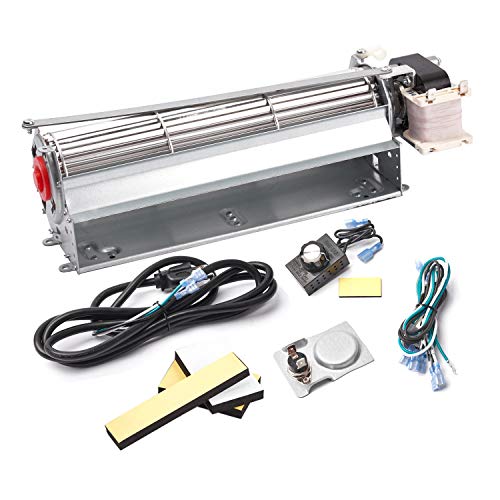
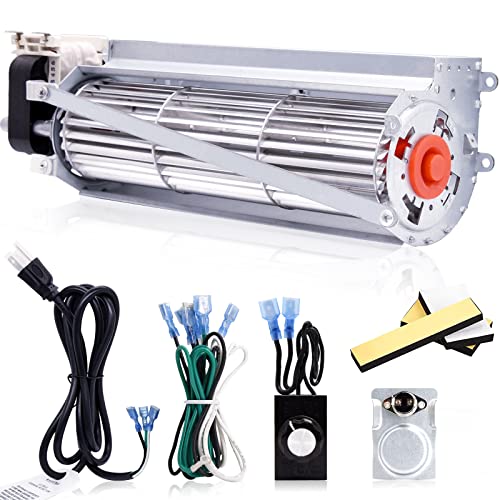
Shop Top Blower Fans →🔥 Why a blower fan? A fireplace blower fan (also called a circulator or heat exchanger fan) pulls cool air from your room, passes it over the hot fireplace chamber or heat exchanger, then pushes warm air back into your living space. This can increase heating efficiency by up to 80% — meaning more comfort and lower energy bills.
How a Fireplace Blower Fan Works & Why You Need One
⚡ Improves Heat Distribution
Without a fan, much of the heat rises and stays near the ceiling or goes up the chimney. A blower fan actively circulates warm air across the room, reducing cold spots and making your gas fireplace or wood-burning fireplace far more effective.
💰 Saves Money on Heating
By extracting more BTUs from each log or gas flame, you can rely less on central heating. Many homeowners see 20–35% reduction in heating costs during winter. Perfect for electric fireplaces too — fan maximizes the heat output.
🔧 Quiet & Automatic Operation
Modern fans use thermally activated switches (snap disc) — they start automatically when the fireplace warms up and shut off after cooling down. Most operate under 35 dB, quieter than a refrigerator.
Types of Fireplace Blower Fans: Which One Fits Your Setup?
| Fireplace Type | Recommended Blower Style | Average CFM Range | Price Range |
|---|---|---|---|
| Gas Fireplace (Direct Vent/B-Vent) | Universal retrofit kit or OEM fan | 100–200 CFM | $120–$350 |
| Wood Burning / Insert | High-temperature blower with heavy-duty motor | 150–250 CFM | $180–$450 |
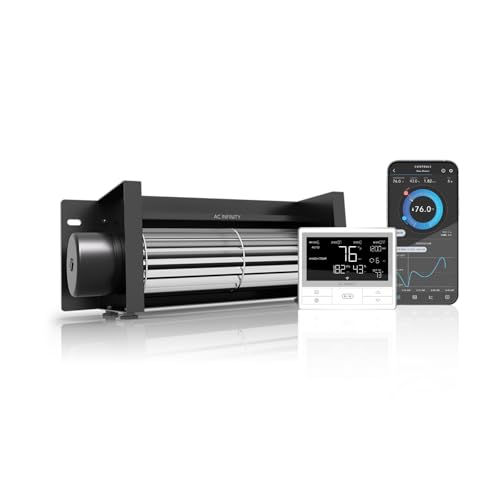
| Electric Fireplace | Built-in fan (most models include) or external quiet fan | 80–150 CFM | $50–$150 (aftermarket) |
| Ventless / Ethanol Fireplace | Low-profile mini fan (optional) | 60–100 CFM | $40–$100 |
Most fireplace inserts already have a blower compartment, but many traditional built-ins require an add-on kit. Before buying, check your fireplace model compatibility or measure the cavity size. Also see our in-depth blower vs fan comparison to understand subtle differences.
BTU Efficiency: How Much Heat Can a Blower Fan Add?
A standard gas fireplace produces around 20,000–40,000 BTUs. Without a fan, radiant heat only warms surfaces within 5–8 feet. Add a blower fan, and convective heat can push warm air 20+ feet, dramatically improving the effective heating capacity. Many users report feeling a temperature rise of 10–15°F across the whole living area.
📐 Quick BTU Sizing Tip: For a typical 400 sq ft living room, a blower fan moving 150 CFM can raise ambient temperature by 8–12°F within 20 minutes. For larger open-concept spaces, consider dual fans or a high-CFM unit (200+ CFM).
Step-by-Step Installation Guide for Fireplace Blower Fans
Installing a fireplace blower fan can be a weekend DIY project, but always follow manufacturer safety instructions. Below are universal steps. For detailed wiring and mounting, check our dedicated complete installation tutorial.
Pro tip: If you are unsure about electrical work, hire a professional. Improper installation may void warranty or create fire hazards. For gas fireplaces, always follow OEM guidelines.
Troubleshooting: Fireplace Blower Fan Not Working?
Encountering problems? Many blower issues are easy to fix. Below are the most frequent symptoms and solutions:
- Fan doesn’t start: Check snap disc placement (must contact hot surface). Also verify power cord and outlet. Replace snap disc if defective – common fix.
- Constant running / won’t shut off: Thermal switch may be stuck closed or sensing residual heat. Ensure adequate cooling period. Clean any dust buildup.
- Loud grinding or rattling: Debris or worn bearings. Clean blades, lubricate motor (if possible) or consider replacement. See detailed blower fan troubleshooting guide.
- Weak airflow: Blocked intake vents, dirty filter, or fan motor degrading. Clean thoroughly with compressed air.
For electric fireplace fans that fail, visit our electric fireplace not heating page for more targeted diagnostics.
Extending the Life of Your Fireplace Blower Fan
Routine maintenance ensures optimal performance and safety:
🧹 Clean Bi-Annually
Vacuum dust from fan blades and motor housing. Use a soft brush attachment. Dust reduces airflow and can cause overheating.
🔄 Check Thermal Switch
Test snap disc operation using a multimeter (continuity when hot). Replace every 3-5 years if erratic.
🔌 Cord Inspection
Ensure the power cord is not pinched or near extreme heat. Replace frayed cords immediately.
Is a Blower Fan Worth the Investment? Real Savings
The average cost of a quality blower fan is $180–$350 for gas/wood units. Installation (DIY) costs zero, or $100–$200 for pro install. Considering increased heating efficiency, most homeowners recoup costs within one winter season. Example: If you currently spend $600/year on supplemental heating, a blower fan can save $150–$200 annually. Moreover, the comfort factor and even heat distribution are priceless. Compare with fireplace vs space heater analysis for broader context.
📚 Expand your fireplace knowledge: Learn about annual maintenance schedule, energy saving tips, or check common fireplace FAQs to become a savvy homeowner.