
Electric Fireplace Maintenance Guide
Keep your electric fireplace running efficiently and looking brand new with this complete care, cleaning, and troubleshooting guide
EXPLORE ELECTRIC FIREPLACESWhy Electric Fireplace Maintenance Matters
An electric fireplace is one of the lowest-maintenance heating options available for homeowners — but "low maintenance" doesn't mean "no maintenance." Without regular care, dust accumulates inside the unit, the glass becomes cloudy, heating elements lose efficiency, and electrical connections can degrade over time. A well-maintained electric fireplace not only performs better but can last 10 to 20 years, saving you significant replacement costs.
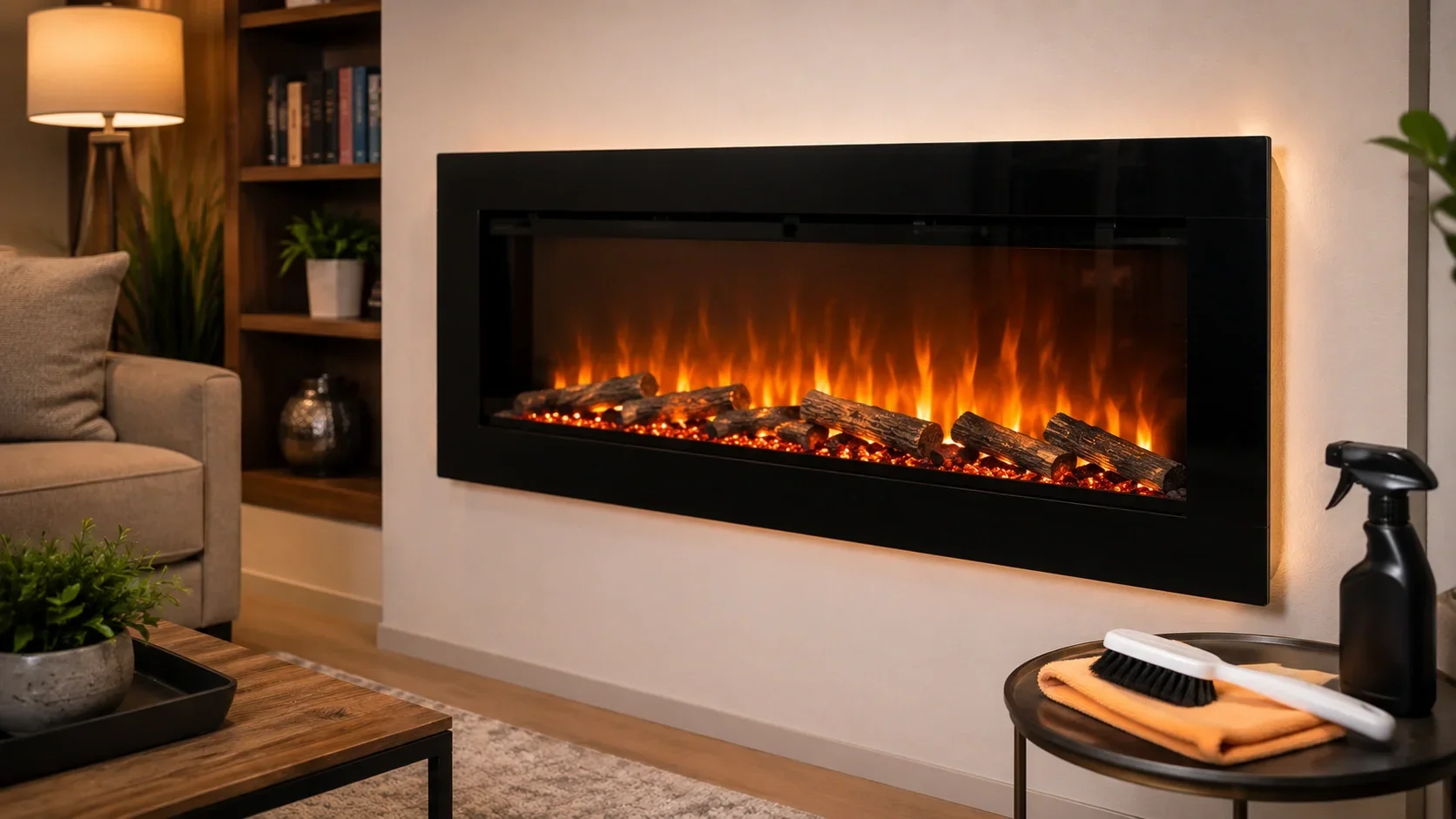
Regular maintenance keeps your electric fireplace running efficiently and safely year after year
Compared to a gas fireplace or wood-burning fireplace, electric models eliminate concerns about chimney sweeping, creosote buildup, and gas leaks. However, they still require consistent attention to dust, electrical components, and the flame display system. If you've ever wondered are electric fireplaces expensive to run, the answer depends largely on how well you maintain the unit — a clean heater draws less power and distributes warmth more effectively.
Key Takeaway: Spending just 15–30 minutes per month on basic maintenance can extend your electric fireplace's lifespan by 5+ years and reduce energy consumption by up to 15%. This guide covers everything from weekly dusting to annual deep inspections.
Essential Maintenance Tasks by Frequency
Different maintenance tasks require different schedules. Below is a breakdown of what you should do and how often, so you can build an effective fireplace maintenance schedule that fits your routine.
Weekly
- Dust the exterior surface
- Check for unusual odors
- Inspect the power cord
- Verify the flame display works
Monthly
- Clean the glass panel
- Vacuum the air intake vents
- Test the thermostat
- Check remote batteries
Quarterly
- Deep clean the interior
- Inspect heating element
- Clean or replace air filter
- Test all safety features
Annually
- Full electrical inspection
- Check wiring connections
- Lubricate fan motor (if applicable)
- Professional inspection
For a broader view of seasonal tasks across all fireplace types, refer to our seasonal fireplace checklist. It covers preparation steps for each season so you never miss a critical maintenance window.
How to Clean Your Electric Fireplace Step by Step
Cleaning is the single most important maintenance task for an electric fireplace. Dust buildup is the leading cause of overheating, reduced heating output, and that unpleasant burning smell when you first turn the unit on after a long break. Here is a complete step-by-step process for cleaning your unit safely and thoroughly.
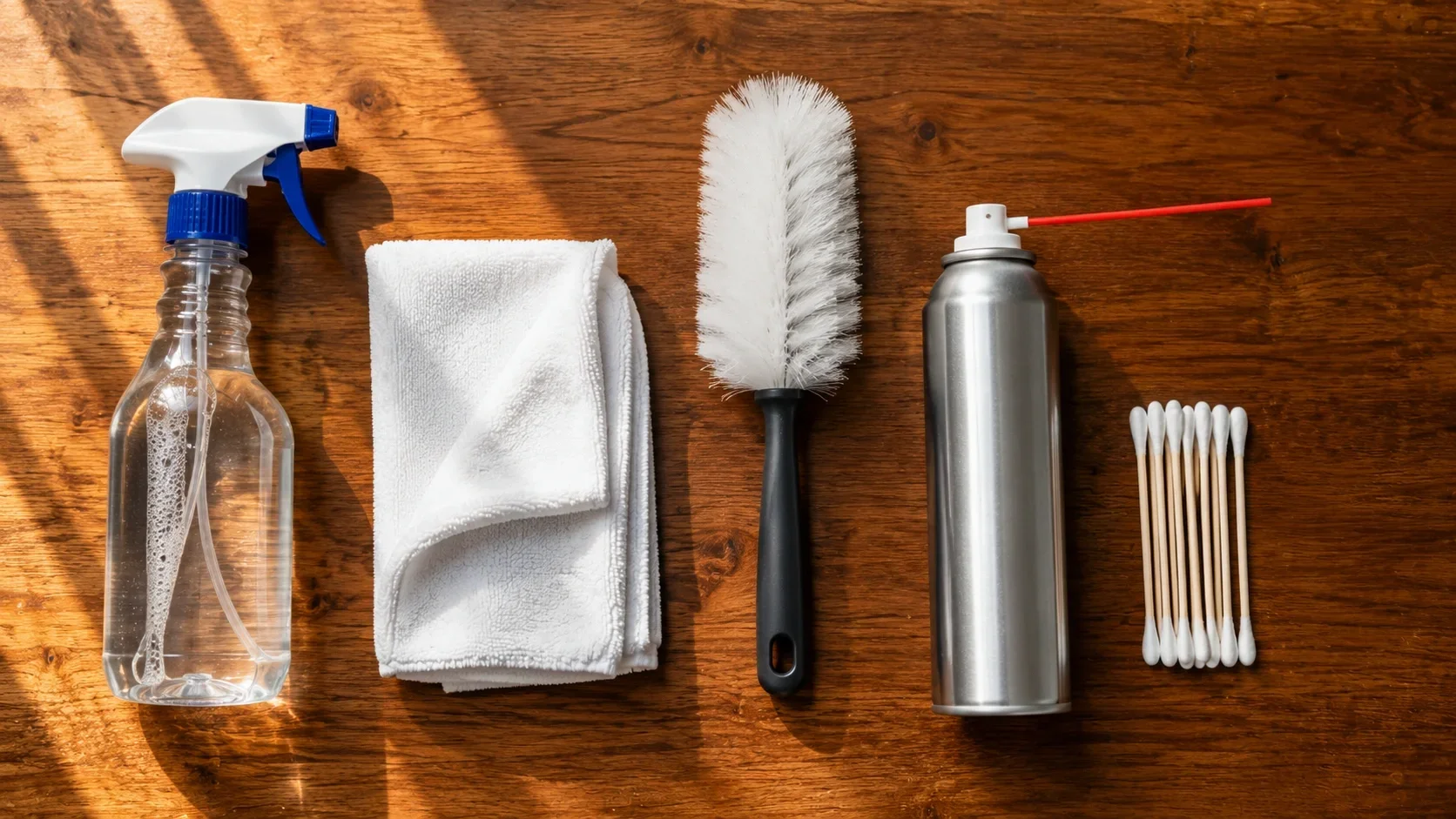
Gather these basic supplies before you start cleaning your electric fireplace
What You Will Need
- Microfiber cloths (at least 2)
- Soft-bristled brush or vacuum with brush attachment
- Glass cleaner (non-abrasive, ammonia-free recommended)
- Compressed air canister
- Mild dish soap and warm water
- Screwdriver (for accessing interior panels)
- Cotton swabs for tight spaces
Turn Off and Unplug the Unit
Before any cleaning, completely power off the fireplace and unplug it from the wall outlet. If you have a hardwired electric fireplace, switch off the circuit breaker. Never clean any part of the unit while it is connected to a power source. Wait at least 30 minutes after use to allow the heating element to cool completely.
Dust the Exterior Surface
Use a dry microfiber cloth to wipe down the exterior housing, mantel, and surrounding areas. Work from top to bottom so dust falls away rather than onto already-cleaned surfaces. For wall-mounted models, pay special attention to the top edge where dust collects most. Avoid using furniture polish or chemical sprays on the housing.
Clean the Glass Panel
Spray glass cleaner onto your microfiber cloth — never directly onto the glass — and wipe in gentle circular motions. For stubborn residue, let the cleaner sit for 30 seconds before wiping. Use a second dry cloth to buff away streaks. If your unit has an inside glass panel, carefully remove the front frame according to the manufacturer's instructions. For detailed glass-cleaning techniques, see our dedicated fireplace glass cleaning guide.
Vacuum the Air Intake and Exhaust Vents
Dust-clogged vents force the unit to work harder, increasing energy consumption and reducing heat output. Use the brush attachment on your vacuum to gently clean all intake and exhaust openings. Compressed air helps dislodge dust from deeper inside the vent channels. This is especially important for TV-integrated fireplace units where restricted airflow can affect both the fireplace and nearby electronics.
Clean the Interior Components
Remove the front access panel using a screwdriver. Use compressed air to blow dust off the heating element, fan blades, and internal surfaces. A soft brush can loosen stuck-on dust. Wipe interior surfaces with a barely damp cloth — never dripping wet. Pay close attention to the fan area, as dust on fan blades causes imbalance and noise. If your unit's fan is making unusual sounds, visit our electric fireplace buzzing noise troubleshooting guide.
Clean or Replace the Air Filter
Not all electric fireplaces have removable air filters, but many mid-range and premium models do. If yours has one, remove it and tap it gently to dislodge loose dust. Wash reusable filters with mild soap and warm water, then let them dry completely before reinstalling. Disposable filters should be replaced when visibly discolored — typically every 3 to 6 months. A clogged filter can reduce heating efficiency by 20% or more.
Reassemble and Test
Reinstall the access panel and any removed components. Plug the unit back in and run it through all functions: flame display, heat settings, thermostat, and remote control. Listen for any unusual sounds and verify that heat flows freely from the vents. If the unit fails to heat properly after cleaning, consult our electric fireplace not heating troubleshooting guide.
⚠ Safety Warning: Never use water, liquid cleaners, or abrasive materials inside the fireplace housing. Liquid contact with electrical components can cause short circuits, fire hazards, or permanent damage. Always ensure the unit is completely dry and reassembled before restoring power.
Electric Fireplace Glass Cleaning in Detail
The glass panel is the visual centerpiece of your electric fireplace. Cloudy, streaked, or dusty glass diminishes the entire aesthetic, no matter how impressive your fireplace surround design may be. Here is what you need to know about keeping the glass crystal clear.

Use a non-abrasive glass cleaner and microfiber cloth to keep the glass panel spotless
Recommended Cleaning Products
Choose a glass cleaner that is ammonia-free and non-abrasive. Ammonia can damage anti-reflective coatings on some fireplace glass panels. Alternatively, a simple solution of equal parts white vinegar and distilled water works effectively and leaves no residue. Specialty fireplace glass cleaners are widely available at hardware stores in the entry-level tier.
What to Avoid
- Abrasive scrubbers — steel wool, scouring pads, or rough sponges will scratch the glass permanently
- Ammonia-based cleaners — can degrade protective coatings over time
- Excessive liquid — overspraying can allow liquid to seep into the frame and damage internal electronics
- Paper towels — they leave lint and can create micro-scratches; microfiber is always the better choice
Dealing with Persistent Cloudiness
If regular cleaning does not restore clarity, the cloudiness may be on the inside surface of the glass. Most electric fireplaces allow you to remove the glass panel by unscrewing the retaining frame. Clean both sides, then reassemble. If cloudiness persists, the glass may have heat damage or mineral deposits etched into the surface — in this case, replacement glass sits in the entry-level to mid-range tier depending on the model.
Heating Element and Internal Component Care
The heating element is the heart of your electric fireplace's warming function. Whether your unit uses infrared quartz or fan-forced heating, keeping this component clean and well-inspected is essential for consistent performance and safety.
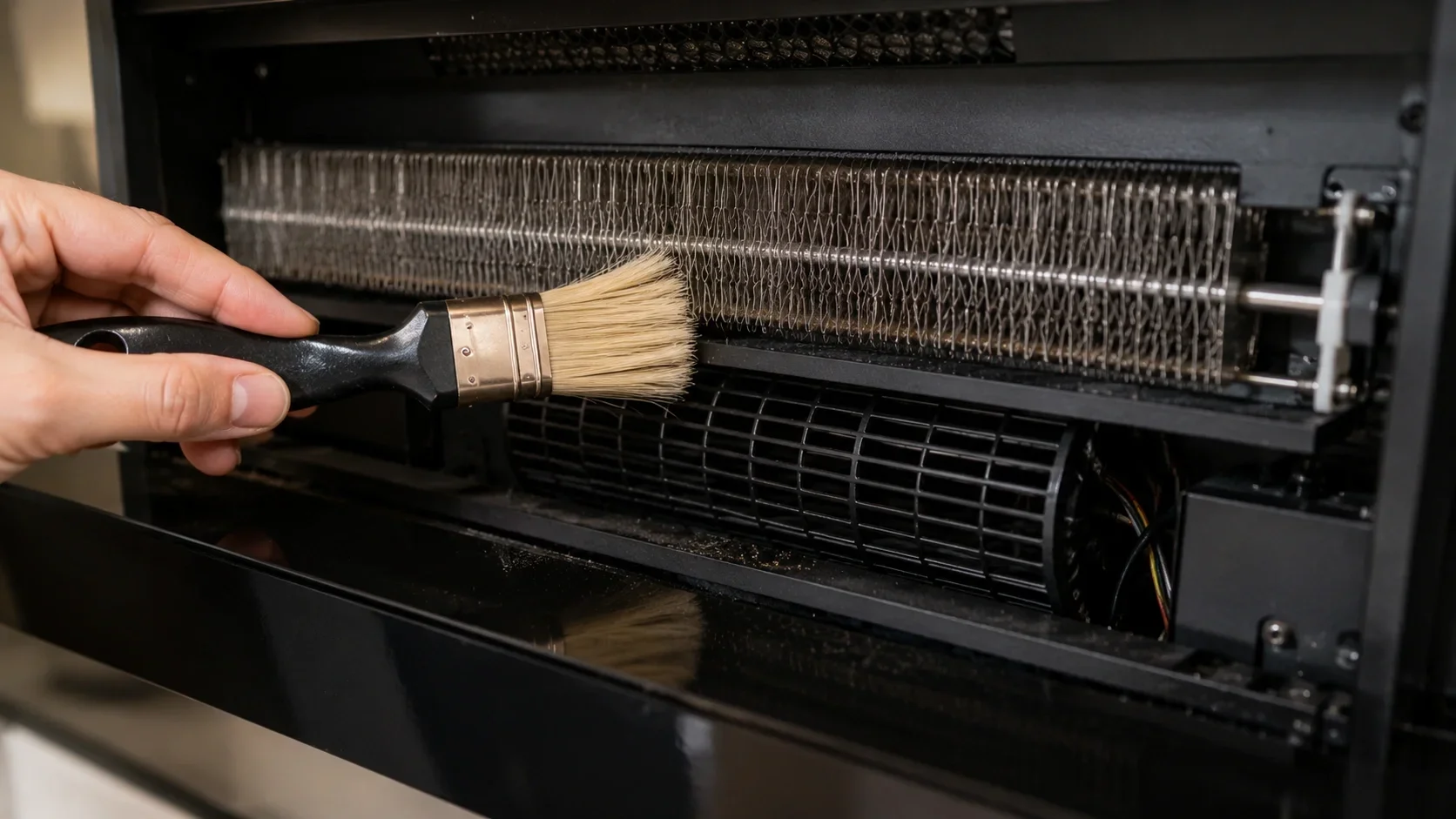
Periodic inspection of the heating element prevents performance decline and safety hazards
Signs the Heating Element Needs Attention
- The fireplace takes longer than usual to warm the room
- Heat output feels weaker despite setting the thermostat higher
- A burning smell occurs during operation (dust burning off the element)
- The unit trips the breaker repeatedly — see our breaker tripping diagnostic guide
- Visible discoloration or warping on the heating element
How to Clean the Heating Element
With the unit unplugged and fully cooled, use compressed air to blow dust off the heating coils or quartz tubes. Hold the canister 4–6 inches away and use short bursts. For stubborn dust, a soft-bristled paintbrush can gently dislodge buildup. Never touch the heating element directly with your fingers — skin oils can create hot spots that shorten the element's life. Replacement heating elements sit in the entry-level to mid-range tier depending on the model and heating technology.
Fan and Blower Maintenance
The fan or blower circulates warm air out of the fireplace and into your room. Dust on fan blades reduces airflow, creates noise, and forces the motor to work harder. Clean fan blades with a dry cloth or compressed air during your quarterly deep clean. If the fan has become noisy or stopped working entirely, refer to our fireplace blower fan troubleshooting guide for step-by-step diagnostics. Motor lubrication (if your model has accessible oil ports) should be done annually with a few drops of lightweight machine oil — an entry-level consumable.
Electrical Inspection and Safety Checks
Electric fireplaces draw significant current — most units require a dedicated 15-amp or 20-amp circuit. Regular electrical inspections help prevent hazards and ensure the unit operates within safe parameters. This is one area where we recommend pairing your own visual checks with a professional electric fireplace inspection every 12 to 18 months.
What to Inspect Yourself
- Power cord: Check for fraying, cracking, or discoloration along the entire length. A damaged cord must be replaced immediately — replacement cords sit in the entry-level tier.
- Plug and outlet: Look for scorch marks, loose connections, or heat damage on the plug and surrounding outlet. If the plug feels warm during operation, the outlet may be overloaded.
- Circuit breaker: If the fireplace trips the breaker frequently, the circuit may be undersized or the unit may have an internal fault. Do not simply reset the breaker — investigate the cause.
- Remote control: Test all remote functions monthly. Replace batteries annually. If the remote becomes unresponsive, our remote control fix guide covers the most common solutions.
- Wall switch and thermostat: Ensure the wall switch responds promptly and the thermostat maintains the set temperature accurately. A malfunctioning thermostat can cause the unit to overheat or underperform.
⚠ Electrical Safety: If you notice any sparking, buzzing sounds from the wall outlet, scorch marks, or a persistent burning plastic smell, immediately unplug the fireplace and contact a qualified electrician. These symptoms indicate a serious electrical hazard that requires professional attention. For more on safety, see our article on electric fireplace carbon monoxide facts and general safety guidelines.
Seasonal Maintenance Guide
Your electric fireplace faces different demands depending on the season. Adapting your maintenance routine to the time of year prevents problems before they start and keeps the unit in peak condition. This approach aligns with our comprehensive fireplace maintenance recommendations for all fuel types.
🍁 Fall Preparation
Before the heating season begins, perform a full deep clean. Test all functions, replace the air filter, and verify the thermostat is accurate. Check the power cord and outlet for any damage that may have occurred during the off-season. This is also the ideal time to inspect the mantel area for dust and decor items that could block airflow. A thorough fall fireplace inspection ensures safe and efficient operation through winter.
❄️ Winter Care
During peak usage, check the glass and vents every two weeks. Dust accumulates faster when the unit runs daily. Listen for any changes in fan sound or heating performance. Keep the area around the fireplace clear — furniture, blankets, and holiday decorations should maintain at least 3 feet of clearance. Following winter fireplace preparation guidelines helps avoid mid-season breakdowns.
🌸 Spring Transition
As you reduce fireplace usage, perform a thorough post-season clean. Dust the heating element, clean the glass inside and out, and vacuum all vents. This prevents dust from settling and hardening over the summer months. Store the remote with batteries removed to prevent corrosion. Consult our spring fireplace maintenance checklist for a complete transition routine.
☀️ Summer Storage
If you will not use the fireplace during summer, unplug it and cover it with a breathable cloth to prevent dust accumulation. Avoid plastic covers, which trap moisture and can cause corrosion. For compact models or tabletop units, consider storing them in a dry, temperature-controlled space. Our summer fireplace care guide covers off-season protection in detail.
Common Electric Fireplace Issues and Quick Fixes
Most electric fireplace problems are caused by dust, loose connections, or simple wear — not major component failure. Before calling a technician, try these quick fixes for the most frequently reported issues.
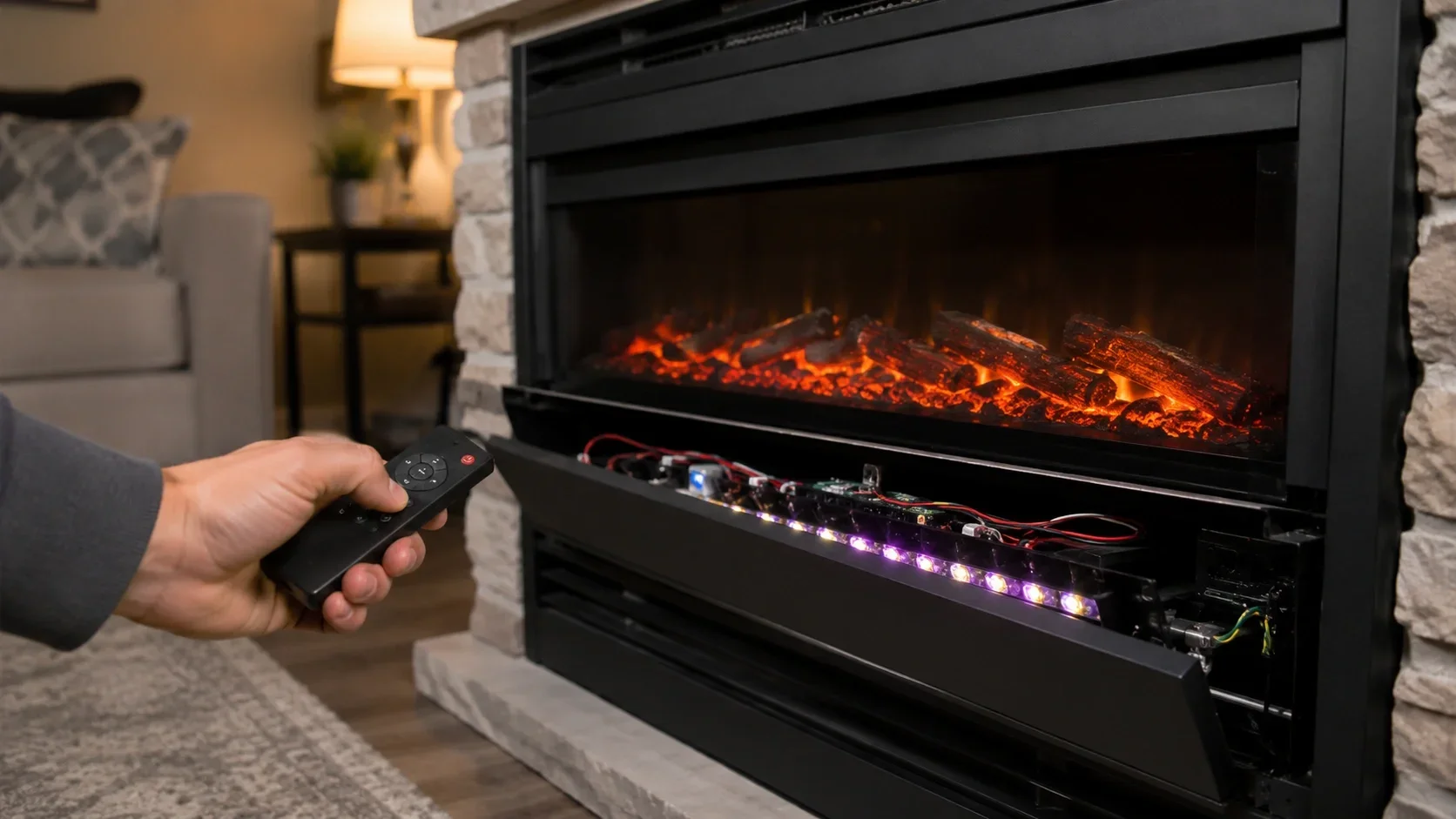
Many common electric fireplace issues can be resolved with basic cleaning and inspection
| Problem | Likely Cause | Quick Fix |
|---|---|---|
| Burning dust smell | Dust on heating element | Clean interior and heating element with compressed air |
| Flame not working | LED bulb failure or loose connection | Check LED module; replace bulb (entry-level part) — see our flame repair guide |
| Not heating | Tripped thermal switch or blown fuse | Reset the unit — follow our reset instructions |
| Remote not working | Dead batteries or signal blockage | Replace batteries; clear line of sight to receiver |
| Buzzing noise | Dust on fan blades or loose mounting | Clean fan blades; tighten mounting screws |
| Breaker tripping | Overloaded circuit or internal short | Try a dedicated circuit; inspect wiring — full diagnostic |
| Flickering display | Loose bulb or failing LED module | Reseat or replace the LED module (entry-level part) |
| Musty smell | Moisture buildup inside unit | Dry the interior thoroughly; check for leaks nearby |
For issues beyond these quick fixes, our full fireplace troubleshooting section covers every common problem across all fireplace types with detailed diagnostic steps.
Electric Fireplace Maintenance Investment Tiers
One of the biggest advantages of electric fireplaces is their low maintenance investment. Unlike gas or wood-burning units that require chimney sweeps, gas line inspections, and creosote removal, electric fireplace upkeep sits in the entry-level tier and is mostly DIY-friendly.
| Maintenance Item | Frequency | DIY Tier | Professional Tier |
|---|---|---|---|
| Glass cleaner and microfiber cloths | Monthly | Entry-Level | — |
| Compressed air canister | Quarterly | Entry-Level | — |
| Air filter replacement | Every 3–6 months | Entry-Level | — |
| LED bulb replacement | Every 2–5 years | Entry-Level | Entry-Level |
| Heating element replacement | Every 5–10 years | Entry-Level to Mid-Range | Mid-Range |
| Remote control replacement | As needed | Entry-Level | — |
| Professional annual inspection | Yearly | — | Entry-Level to Mid-Range |
| Motor lubrication (if applicable) | Yearly | Entry-Level | — |
Annual Maintenance Tier: For a typical electric fireplace, plan for an entry-level DIY maintenance budget with a possible mid-range upgrade if you add a professional inspection. Even with a professional visit, the total remains far below the mid-range to premium annual maintenance cost for gas or wood-burning fireplaces. For a full comparison, see our fireplace maintenance cost analysis.
Tips to Extend Your Electric Fireplace Lifespan
The average fireplace lifespan for electric models ranges from 10 to 20 years. How long yours actually lasts depends heavily on usage habits and maintenance consistency. These proven tips will help you maximize your investment.
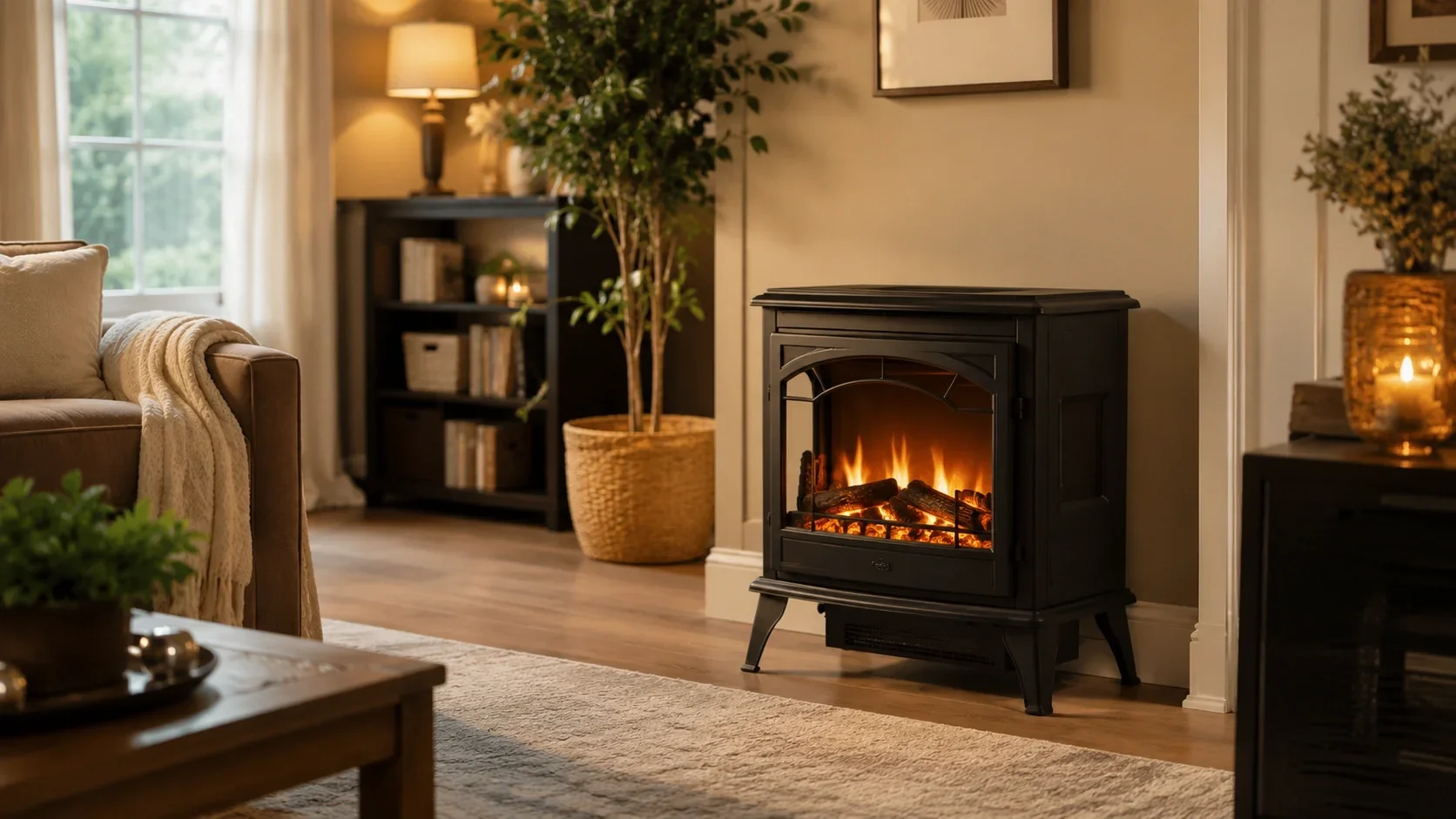
Proper care and smart usage habits can extend your electric fireplace's life well beyond the average
1. Do Not Overwork the Heater
Avoid running the heating function on maximum settings for extended periods. If you need continuous heat for hours, use a medium setting and supplement with your home's central heating. This reduces wear on the heating element and fan motor. Understanding how to properly size a fireplace for your room ensures you are not demanding more heat than the unit was designed to deliver.
2. Keep Airflow Clear
Maintain at least 3 feet of clearance around all air intake and exhaust vents. Blocking vents forces the unit to overheat, which triggers the thermal safety switch and shortens component life. This is especially relevant for corner fireplace installations where surrounding walls can restrict airflow.
3. Use a Surge Protector
Power surges can damage the fireplace's internal circuitry and LED control board. Plug your fireplace into a quality surge protector rated for at least 1,500 joules — a good one sits in the entry-level tier. For hardwired installations, consider a whole-house surge protector.
4. Address Problems Immediately
Small issues escalate quickly. A faint buzzing noise today can become a failed fan motor next month. If something seems off — strange sounds, reduced heat, flickering flames — investigate and fix it right away using our troubleshooting resources.
5. Follow the Manufacturer's Manual
Every electric fireplace model has specific maintenance requirements. Always consult the owner's manual for recommended cleaning products, replacement parts, and service intervals. Using non-approved parts or procedures can void warranties and cause damage.
6. Avoid Frequent On-Off Cycling
Rapidly switching the heater on and off stresses the heating element and relay switches. If you plan to use the fireplace throughout the evening, leave it running at a comfortable setting rather than cycling it every 15 minutes. For more energy-efficient usage strategies, see our tips on fireplace energy saving.
When to Call a Professional
While most electric fireplace maintenance is DIY-friendly, certain situations require professional expertise. Knowing when to call a technician prevents further damage and protects your safety. If you are ever unsure whether a problem is within your skill level, the safer choice is always to consult a professional.
Call a Professional If:
- Electrical burning smell persists after cleaning — this indicates potential wiring damage or component failure
- Sparking or arcing is visible inside the unit or at the power connection
- The circuit breaker trips repeatedly even after the fireplace is on a dedicated circuit
- Heating element replacement is needed and you are not comfortable working with electrical components
- Water damage has occurred — even small amounts of water inside the housing can create hidden corrosion and short circuits
- The unit is still under warranty — DIY repairs may void the manufacturer's warranty; always check first
Professional electric fireplace service calls typically sit in the entry-level to mid-range tier for diagnosis, plus parts and labor for repairs. Compare this to the cost of a new unit, and professional repair is often the more economical choice for quality units. For help deciding, our article on which fireplace saves money long-term provides a detailed cost-benefit framework.
How Electric Fireplace Maintenance Compares to Other Types
Understanding how electric fireplace upkeep compares to other fuel types helps you appreciate the convenience factor — or make an informed decision if you are considering switching. Our detailed gas vs electric fireplace comparison covers performance and cost differences, but here is a quick maintenance-specific overview.
| Maintenance Factor | Electric | Gas | Wood |
|---|---|---|---|
| Annual maintenance tier | Entry-Level (DIY) | Entry-Level to Mid-Range | Mid-Range to Premium |
| Chimney/venting cleaning | Not required | Recommended annually | Required annually |
| Professional inspection | Optional | Recommended annually | Required annually |
| DIY skill level | Beginner-friendly | Intermediate | Intermediate to advanced |
| Time commitment per year | 2–4 hours | 4–8 hours | 8–20 hours |
| Primary maintenance task | Dusting and glass cleaning | Burner and valve inspection | Creosote removal and ash disposal |
Electric fireplaces clearly offer the simplest and most affordable maintenance profile. If you want the ambiance of a fireplace without the ongoing upkeep demands, an electric model is the practical choice. Explore ethanol vs electric fireplace maintenance differences for another low-maintenance alternative, or visit our fireplace pros and cons guide for a comprehensive comparison across all types.
Frequently Asked Questions About Electric Fireplace Maintenance
You should dust the exterior weekly, clean the glass monthly, and perform a deep cleaning of the interior and heating elements every 3 to 6 months depending on usage frequency. Heavy daily use during winter warrants more frequent interior cleaning.
No. Never use water or liquid cleaners inside an electric fireplace. Always unplug the unit first, then use a dry microfiber cloth, soft brush, or compressed air to remove dust from internal components. Liquid contact with electrical parts can cause short circuits or permanent damage.
With regular maintenance, an electric fireplace typically lasts 10 to 20 years. The heating element may need replacement after 5 to 10 years, while LED flame technology can last up to 50,000 hours. Units that are neglected rarely last beyond 7 to 8 years.
A burning dust smell usually occurs when accumulated dust on the heating element burns off during use. This is common after periods of non-use, such as at the start of the heating season. Clean the interior and heating element with compressed air to resolve the issue. If the smell persists after cleaning, unplug the unit and have it professionally inspected.
Unlike gas and wood fireplaces, electric models do not require annual professional servicing. However, a professional inspection every 12 to 18 months is recommended, especially for hardwired units. You should always call a professional for electrical issues, persistent odors, or any signs of sparking or component failure.
In many models, yes. LED flame modules are typically accessible by removing the front panel. Replacement modules sit in the entry-level tier and are available from the manufacturer or online retailers. Always unplug the unit before attempting any component replacement, and consult your owner's manual for model-specific instructions.
Yes, for safety and energy conservation, unplug your electric fireplace when it will not be used for extended periods. Even when turned off, plugged-in appliances draw a small amount of standby power. Unplugging also protects the unit from power surges during storms.
While electric fireplaces are generally safer than combustion-based models, most manufacturers recommend against leaving them unattended while sleeping. If you must run it overnight, use the thermostat to maintain a set temperature and ensure all vents are unobstructed. For complete safety guidance, read our article on leaving a fireplace on overnight.
Key Takeaways for Electric Fireplace Care
Proper maintenance of your electric fireplace is straightforward, affordable, and well worth the effort. By following the schedules and techniques outlined in this guide, you will enjoy reliable heating, a beautiful flame display, and years of trouble-free operation from your investment.
Remember these core principles: Unplug before cleaning — always. Dust is the number one enemy — clean regularly. Glass cleaning is about aesthetics and visibility — do it monthly. Electrical safety is non-negotiable — inspect cords and connections. When in doubt, call a professional — it costs less than a replacement unit. Following these habits consistently is the best way to protect your fireplace investment and enjoy worry-free warmth for years to come.


