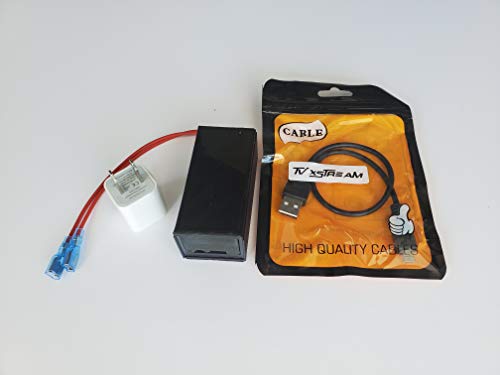
Smart Wi-Fi Fireplace Controller: Complete Guide
Upgrade your fireplace experience with smart control. Schedule heating, monitor temperature remotely, and integrate with Alexa or Google Home — all while saving energy and maximizing comfort.
Why a smart controller? A smart Wi-Fi fireplace controller transforms your existing gas or electric fireplace into a fully automated heating system. Whether you're looking to optimize energy usage or simply enjoy the convenience of pre-warming your living room before arriving home, this guide covers everything you need to make an informed decision.
What Is a Smart Wi-Fi Fireplace Controller?
A smart Wi-Fi fireplace controller is a device that replaces or upgrades your fireplace’s existing wall switch, remote receiver, or thermostat. It connects to your home Wi-Fi network, allowing you to control your fireplace from a smartphone app (iOS/Android), voice assistants (Amazon Alexa, Google Assistant), or even through smart home routines. Most models work with gas fireplaces, electric fireplaces, and some fireplace inserts.
📱 Remote Access
Turn your fireplace on/off from anywhere using your phone. Perfect for coming home to a warm, cozy atmosphere.
⏱️ Scheduling & Timers
Set daily or weekly schedules. Automatically turn off the fireplace after 30 minutes or warm the bedroom every morning at 6:30 AM.
🎤 Voice Control
“Alexa, turn on the fireplace.” Works seamlessly with Google Home, Amazon Echo, and SmartThings.
🌡️ Temperature Monitoring
Some advanced models include a room sensor to automatically adjust flame height or heating based on desired temperature.
Top Benefits of Smart Fireplace Control
Adding a smart controller to your fireplace isn't just about gadget appeal — it delivers real value. First, you can significantly improve energy efficiency by avoiding accidentally leaving the fireplace on. Second, it enhances safety: you can check if the fireplace is off via app and set auto-shutoff timers. Third, it adds convenience when integrating with other smart devices. For example, you can pair it with a smart thermostat or create an "I'm home" scene that turns on the fireplace and living room lights.
If you're still choosing between fireplace types, compare gas vs electric fireplace efficiency and smart compatibility. Most modern gas fireplaces with millivolt systems or intermittent pilot ignition (IPI) are compatible, as are many electric units with a hardwired or plug-in remote control receiver.
Top Smart Wi-Fi Fireplace Controllers Compared
| Model / Brand | Compatibility | Key Features | Approx. Price |
|---|---|---|---|
| Fireplace Genius Wi-Fi Kit | Gas (millivolt, IPI) | Alexa/Google, scheduling, remote app, 2.4GHz Wi-Fi | $89–$110 |
| Mysa Smart Thermostat for Fireplaces | Electric (line voltage) | Energy reports, geofencing, sleek touchscreen, works with high-voltage electric fireplaces | $149–$179 |
| Sinopé GT130 Wi-Fi Controller | Gas fireplace (millivolt) | Compatible with Nest, Ecobee; includes room sensor; auto shut-off after 8 hours | $129–$150 |
| BroadLink RM4 Pro (Universal) | IR/RF remotes (gas, electric, fireplace inserts) | Learns existing remote, cloud scheduling, voice control, low cost | $45–$60 |
| EmberDirect WiFi Smart Module | Most gas fireplaces (3V, 6V systems) | No batteries needed, direct connection to valve, open window detection | $99–$125 |
| Leviton Decora Smart Wi-Fi Switch | Hardwired electric fireplaces (15A/20A) | Z-Wave, MyLeviton app, voice control, schedule sunset/sunrise | $55–$75 |
*Prices are estimates based on current market averages (2026). Actual prices may vary.
Compatibility: Will It Work With Your Fireplace?
Before buying, verify your fireplace type. For gas fireplaces, look for a millivolt valve system (common in standing pilot models) or an IPI (intermittent pilot ignition). Most smart controllers connect to the two wires from the wall switch. For electric fireplaces, you need a controller that handles line voltage (120V) or a smart plug rated for 15A, plus a remote control integration module if you want flame/heat separation.
For those with older wood-burning units, a smart controller won’t directly work, but you can consider a retrofit with a gas or electric insert that supports smart controls. If you enjoy DIY projects, see our guide on DIY fireplace upgrades for installing a smart receiver.
How to Install a Smart Wi-Fi Fireplace Controller
- Step 1 – Turn off power and gas: Disconnect the fireplace from electricity and shut off the gas supply. Safety first.
- Step 2 – Identify the control wires: Remove the front panel or access the control compartment. Locate the two wires going to your wall switch or remote receiver.
- Step 3 – Remove existing switch/receiver: Disconnect the old device and connect the smart controller's wires following the manual (usually red to red, black to black).
- Step 4 – Pair with your network: Use the manufacturer’s app, connect to 2.4GHz Wi-Fi, and test the connection. Some models may require a bridge.
- Step 5 – Install the app & create schedules: After testing, set up geofencing, voice assistant, and auto-off timers.
If you're unfamiliar with electrical components, consult a professional. You can also learn more from our complete fireplace installation guide or read specific troubleshooting tips for smart devices that won't connect.
Voice Control & Smart Home Ecosystem
Almost all modern smart fireplace controllers work with Amazon Alexa, Google Assistant, and Apple HomeKit (select models). You can create routines like: "Good morning" triggers the bedroom electric fireplace to turn on low heat for 15 minutes. If you have other smart devices, integration opens new levels of automation. For example, you can link the controller to a room thermostat to turn off the fireplace when the central heating kicks in, or connect a remote replacement as a backup.
Some homeowners combine a smart controller with a fireplace blower fan to push warm air more efficiently — then schedule the fan to run for 10 extra minutes after the fireplace shuts off.
Energy Savings & Cost Efficiency
Using a smart controller can reduce wasteful heating. According to energy studies, homeowners save between 10% and 25% on fireplace-related energy bills by scheduling automatic shut-offs and avoiding overheating rooms. For example, if you have a 30,000 BTU gas fireplace running 3 extra hours per week unnecessarily, that’s roughly 90,000 BTUs wasted. A $80 smart controller can pay for itself within one heating season. Compare operational costs in our detailed running costs analysis.
Additionally, features like “away mode” ensure your fireplace never stays on when nobody is home, enhancing safety and lowering utility bills. For electric fireplaces, smart controllers help you track real-time wattage and integrate with solar systems.
Frequently Asked Questions
❓ Can I add a smart Wi-Fi controller to an existing gas fireplace?
Yes, as long as your fireplace has a millivolt or IPI system. Most gas fireplaces manufactured after 2000 are compatible.
❓ Does it work with a wall switch instead of remote?
Absolutely. Many smart controllers replace the wall switch directly, or you can wire them in parallel to preserve manual control.
❓ Will it work if I have a propane fireplace?
Yes, propane fireplaces use the same ignition systems as natural gas. See propane fireplace compatibility.
❓ What happens if Wi-Fi goes down?
The unit typically retains last programmed schedule, and you can still use manual buttons or wall switch if available. Some models include a physical override button.
❓ Is professional installation required?
For gas fireplaces, if you are comfortable with basic wiring and following safety protocols, DIY is possible. However, we recommend professional help if you're uncertain.
Ready to upgrade? Choosing the right smart controller depends on your fireplace type, budget, and preferred ecosystem. Look for models with geofencing and scheduling if you value automation. For voice control fans, ensure native compatibility with Alexa/Google. After selecting, follow the installation steps — then enjoy the convenience of a truly smart home fireplace.
If you’re interested in other smart home integrations, explore our guide on fireplace wall switch timers or the benefits of manual vs remote-controlled fireplaces. A smart controller takes convenience one step further, giving you ultimate flexibility.