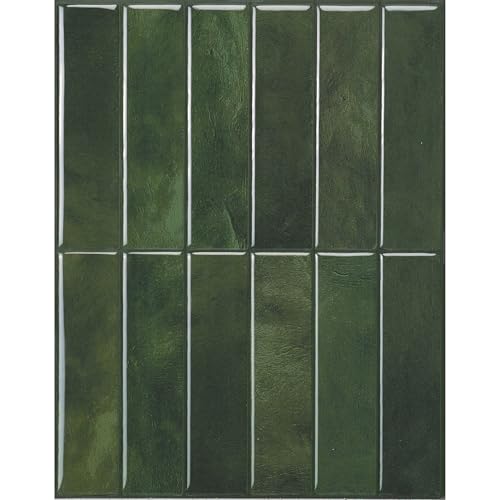
Fireplace Tile Ideas: Transform Your Hearth with Style
Discover stunning tile designs that can completely transform your fireplace. From classic ceramics to modern mosaics, find the perfect tile solution for your home.
EXPLORE TILE OPTIONSTiling a fireplace surround is one of the most effective ways to refresh your living space without the expense of a complete renovation. Whether you're updating an outdated brick fireplace or creating a new focal point, tiles offer endless possibilities for customization. The right tile choice can enhance your home's architectural style, increase property value, and create a warm, inviting atmosphere that becomes the heart of your room.
In this comprehensive guide, we'll explore various fireplace tile ideas, from material selection to pattern designs, color schemes, and practical installation considerations. By understanding your options, you'll be equipped to make informed decisions that result in a beautiful, durable fireplace surround that you'll enjoy for years to come.
Types of Tiles for Fireplaces
Choosing the right tile material is crucial for both aesthetics and functionality. Different materials offer varying levels of heat resistance, durability, and visual appeal. Here are the most popular options for tiled fireplaces:
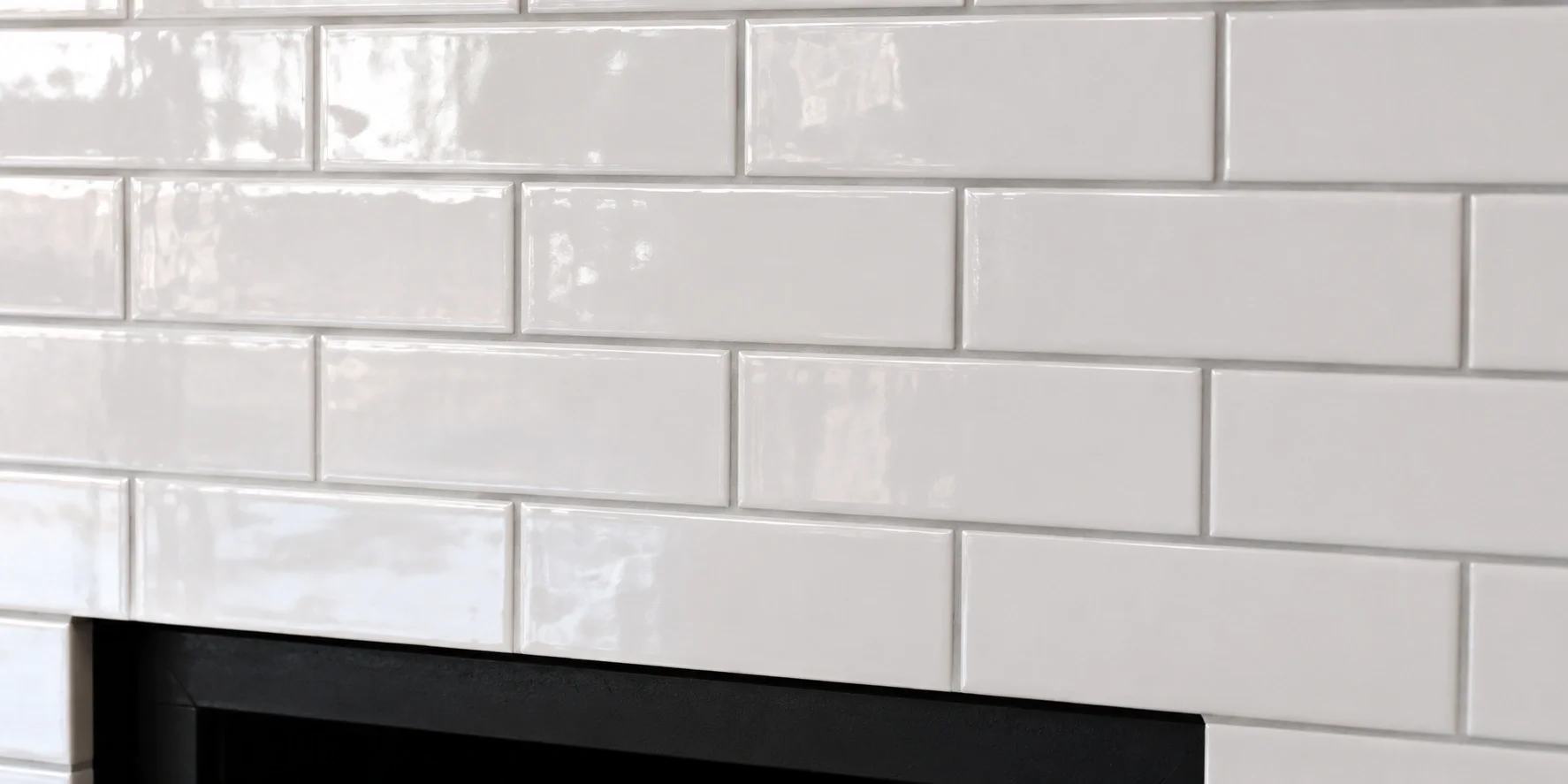
Ceramic Tiles
Ceramic tiles are the most popular choice for fireplaces due to their affordability, versatility, and excellent heat resistance. Available in countless colors, sizes, and finishes, ceramic tiles can complement any design style from traditional to contemporary. They're easy to clean and maintain, making them ideal for busy households.
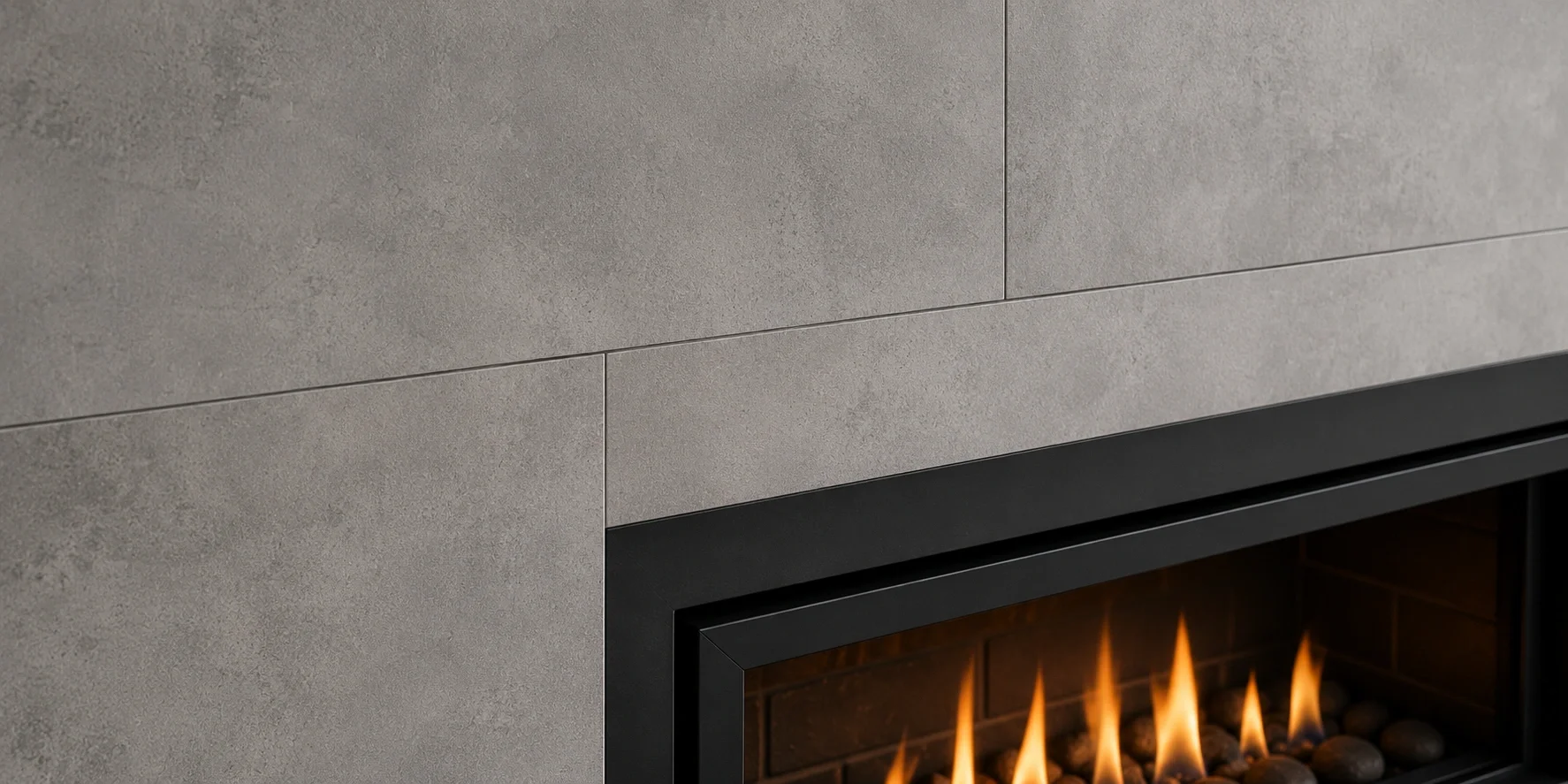
Porcelain Tiles
Porcelain tiles are denser and less porous than ceramic, making them extremely durable and moisture-resistant. They can mimic natural stone, wood, or concrete with remarkable realism. Porcelain is an excellent choice for high-traffic areas and homes with children or pets due to its scratch resistance.
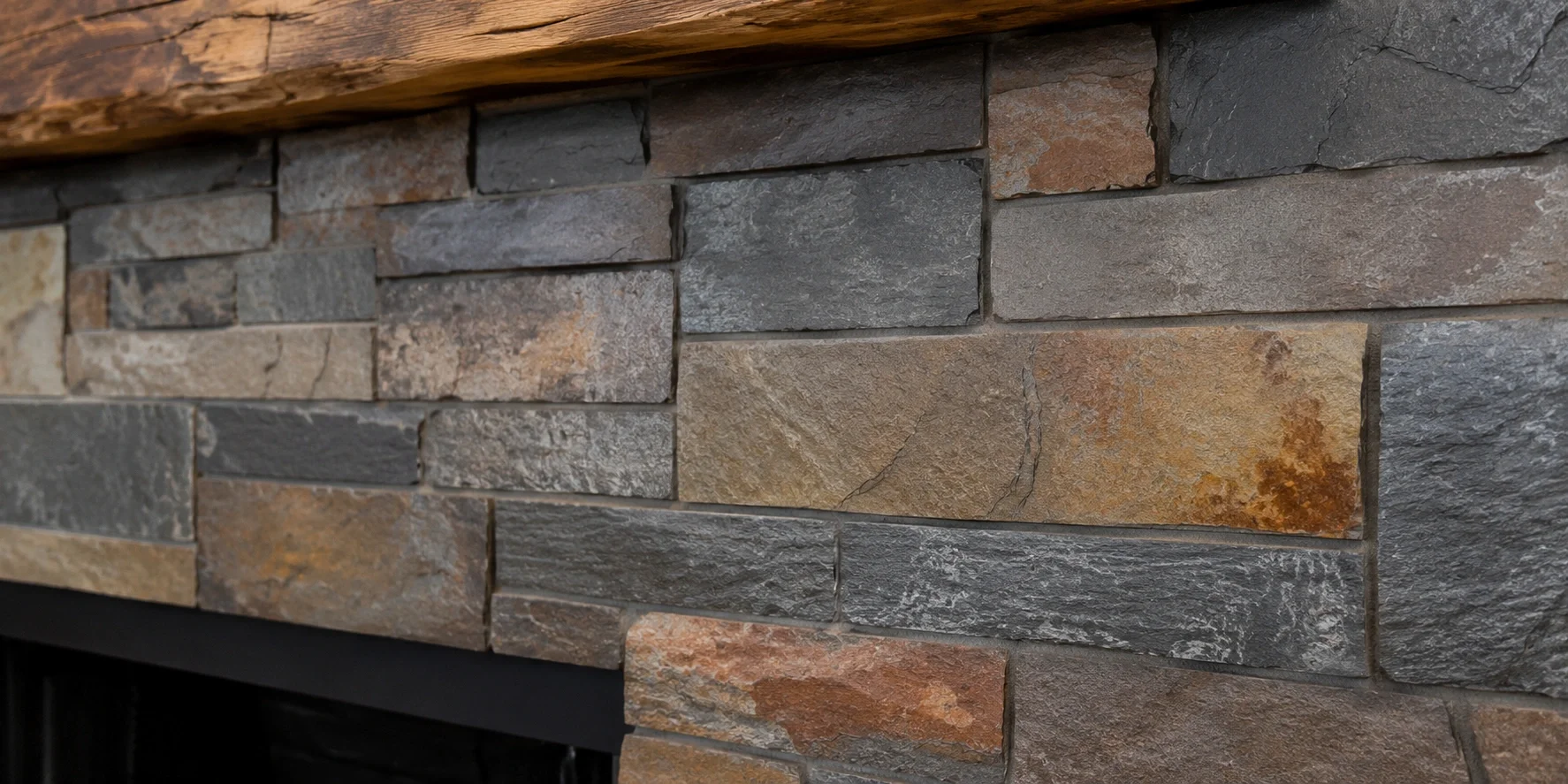
Natural Stone Tiles
Including marble, granite, slate, and travertine, natural stone tiles bring unmatched beauty and authenticity to rustic fireplace designs. Each tile is unique, creating a one-of-a-kind appearance. Stone requires sealing and may be more expensive, but offers exceptional durability and timeless appeal.

Glass Tiles
Glass tiles reflect light beautifully, creating a luminous effect around your fireplace. Available in transparent, translucent, and opaque varieties, glass tiles are perfect for modern fireplace ideas. They're non-porous, easy to clean, and resistant to stains and heat damage.
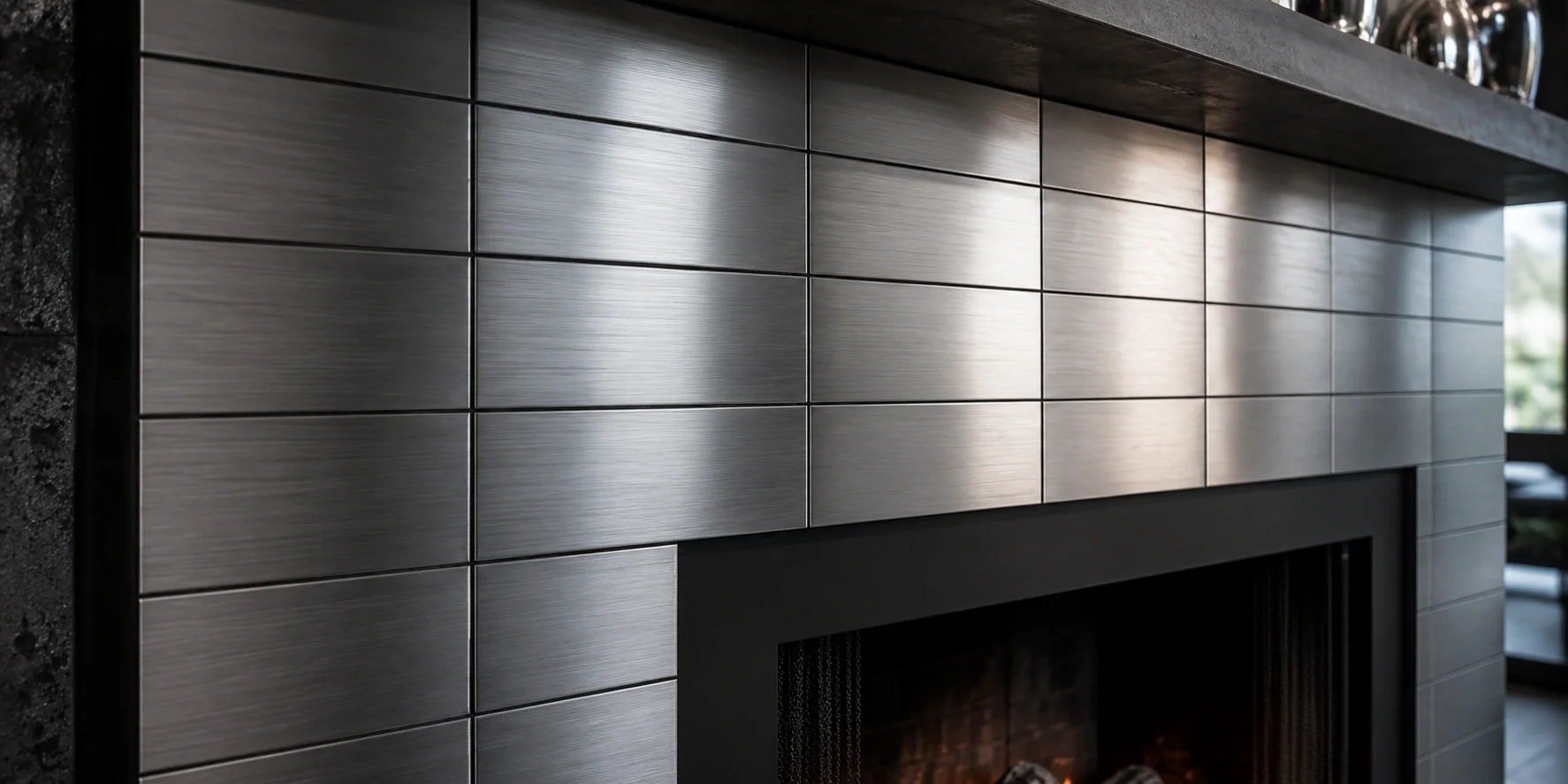
Metal Tiles
Stainless steel, copper, and brushed nickel tiles add an industrial or contemporary edge to fireplace designs. Metal tiles are extremely heat-resistant and create striking visual contrast when combined with other materials. They're particularly popular in minimalist fireplace designs and urban lofts.

Subway Tiles
Subway tiles have made a major comeback in fireplace design, offering a clean, classic look that works in both traditional and modern settings. Their rectangular shape and beveled edges create subtle dimension. Available in various colors beyond the classic white, subway tiles can be arranged in multiple patterns for different effects.
Tile Patterns and Layout Ideas
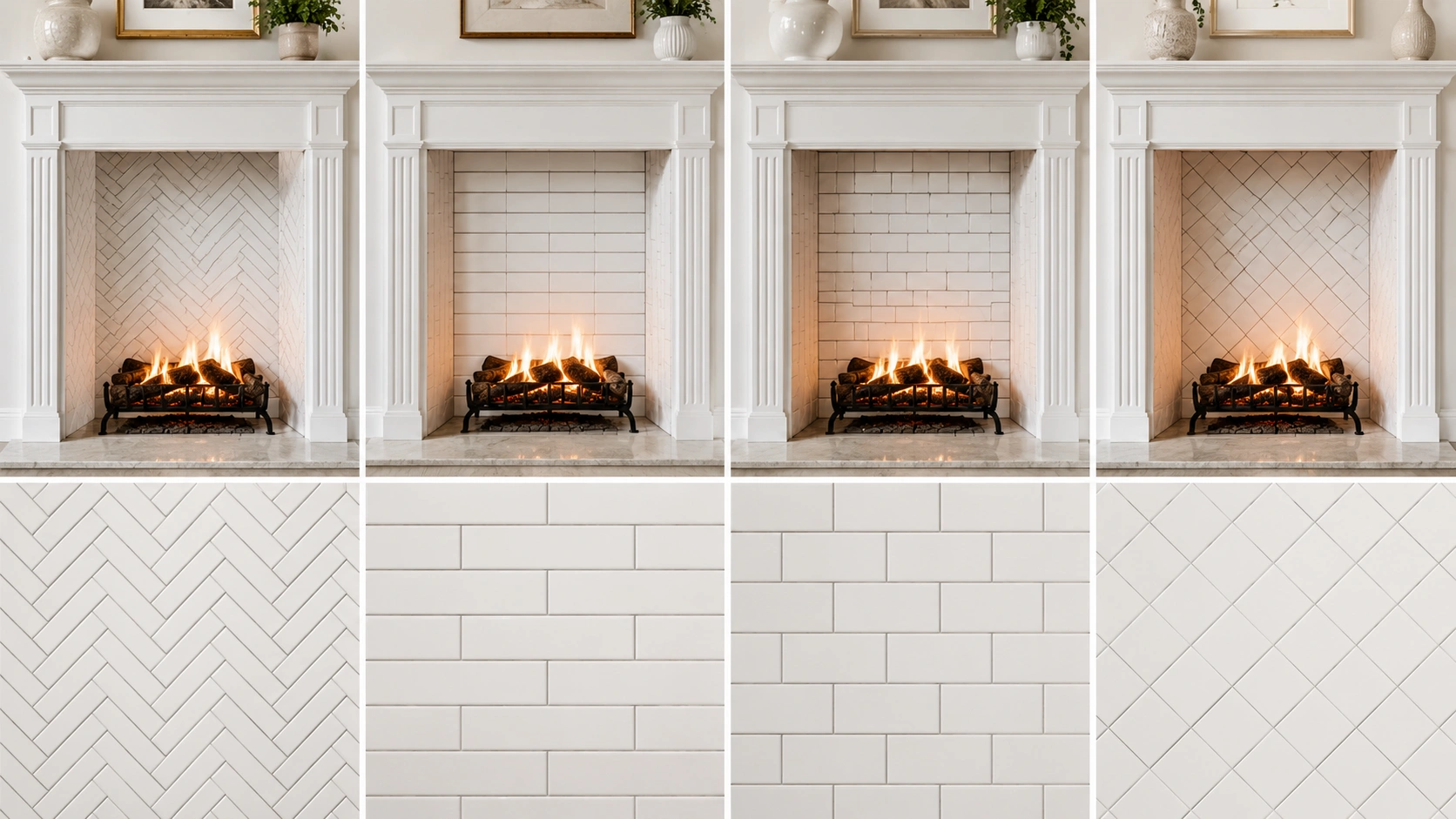
The way you arrange your tiles can dramatically impact the overall look of your fireplace. Different patterns create different visual effects, from classic elegance to contemporary edge. Consider these popular layout options:
Stacked Bond
Tiles aligned in straight rows create clean, modern lines perfect for contemporary designs.
Brick Bond
Offset rows like traditional brickwork add texture and visual interest to any tile style.
Herringbone
V-shaped pattern creates sophisticated movement and works beautifully with rectangular tiles.
Diagonal
Tiles set at 45 degrees make spaces appear larger and add dynamic energy to the design.
Mosaic
Small tiles in intricate patterns create artistic, custom looks perfect for accent areas.
Vertical Stack
Tiles arranged vertically draw the eye upward, making ceilings appear higher and fireplaces more prominent.
Pattern Tip: When selecting a tile pattern, consider the size and shape of your fireplace surround. Horizontal patterns can make wide fireplaces appear even broader, while vertical patterns can help narrow fireplaces feel more substantial. For square fireplaces, diagonal patterns often create the most balanced appearance.
Fireplace Tile Color Schemes
Color choice significantly influences the mood and style of your fireplace. The right color scheme can make your fireplace blend seamlessly with your decor or stand out as a bold statement piece. Consider these approaches:
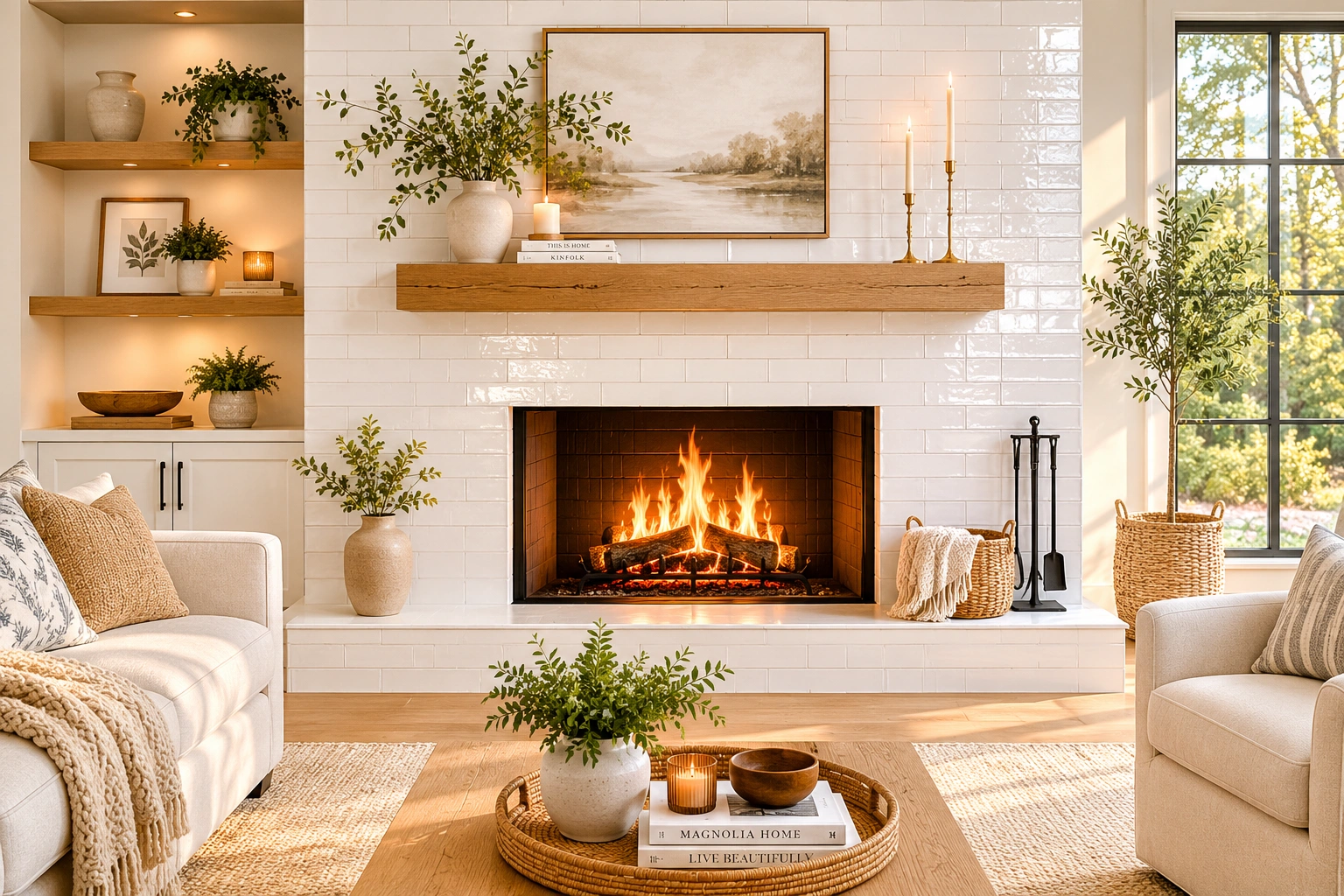
White and Light Neutrals
White tiles create a clean, bright appearance that makes spaces feel larger and more open. Crisp white subway tiles offer a timeless look that works in virtually any setting. Off-white and cream tones provide warmth while maintaining an airy feel. Light neutrals like beige and taupe offer subtle warmth without overwhelming the space. These colors are particularly effective in smaller rooms or spaces with limited natural light.
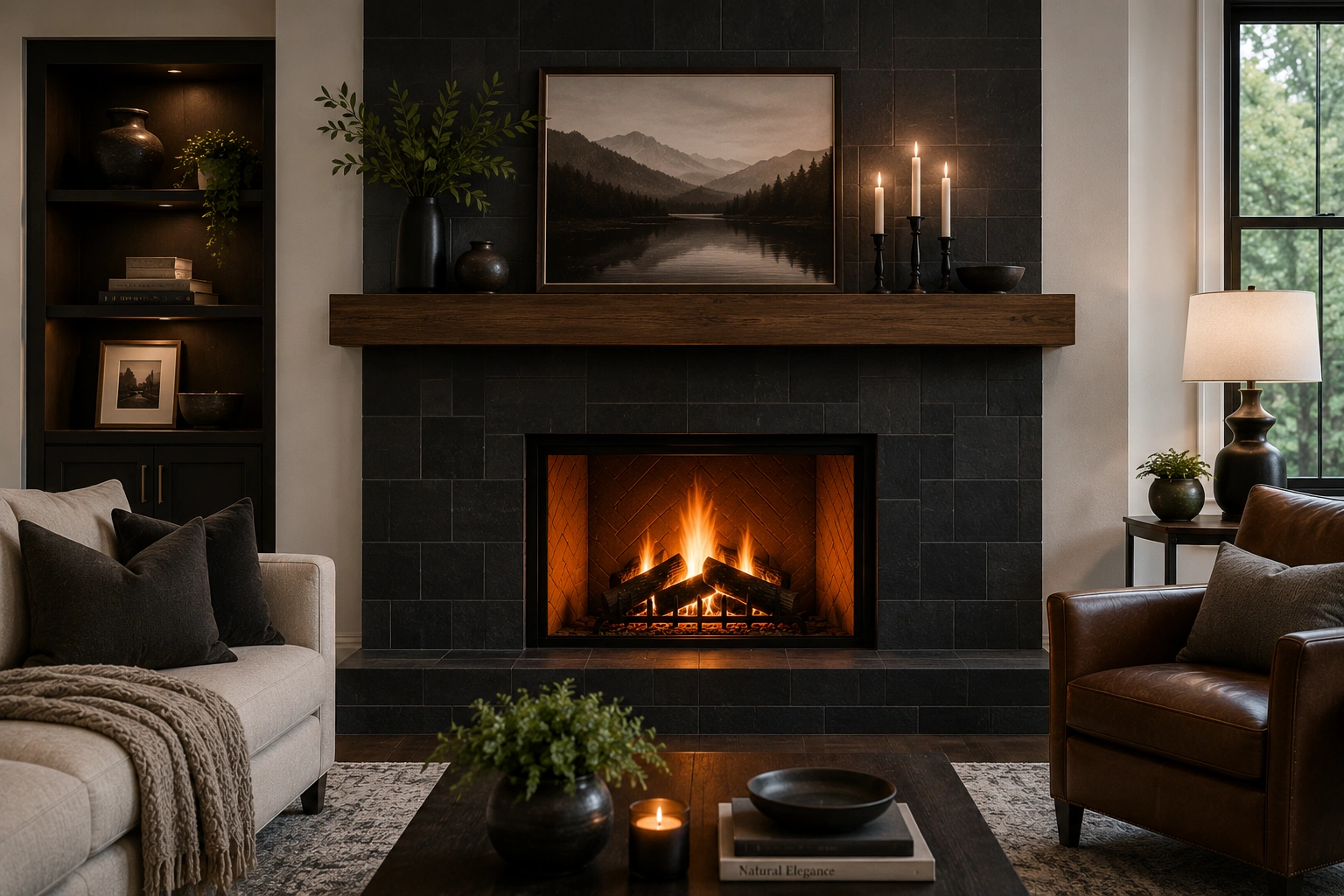
Dark and Dramatic
Dark tiles in charcoal, black, or deep gray create striking contrast, especially against lighter walls. This approach works particularly well in modern fireplace designs and can make the fireplace the undeniable focal point of the room. Dark tiles also hide soot and ash marks better than light options, making them practical for wood-burning units. Consider pairing dark tiles with metallic accents for added sophistication.

Bold and Colorful
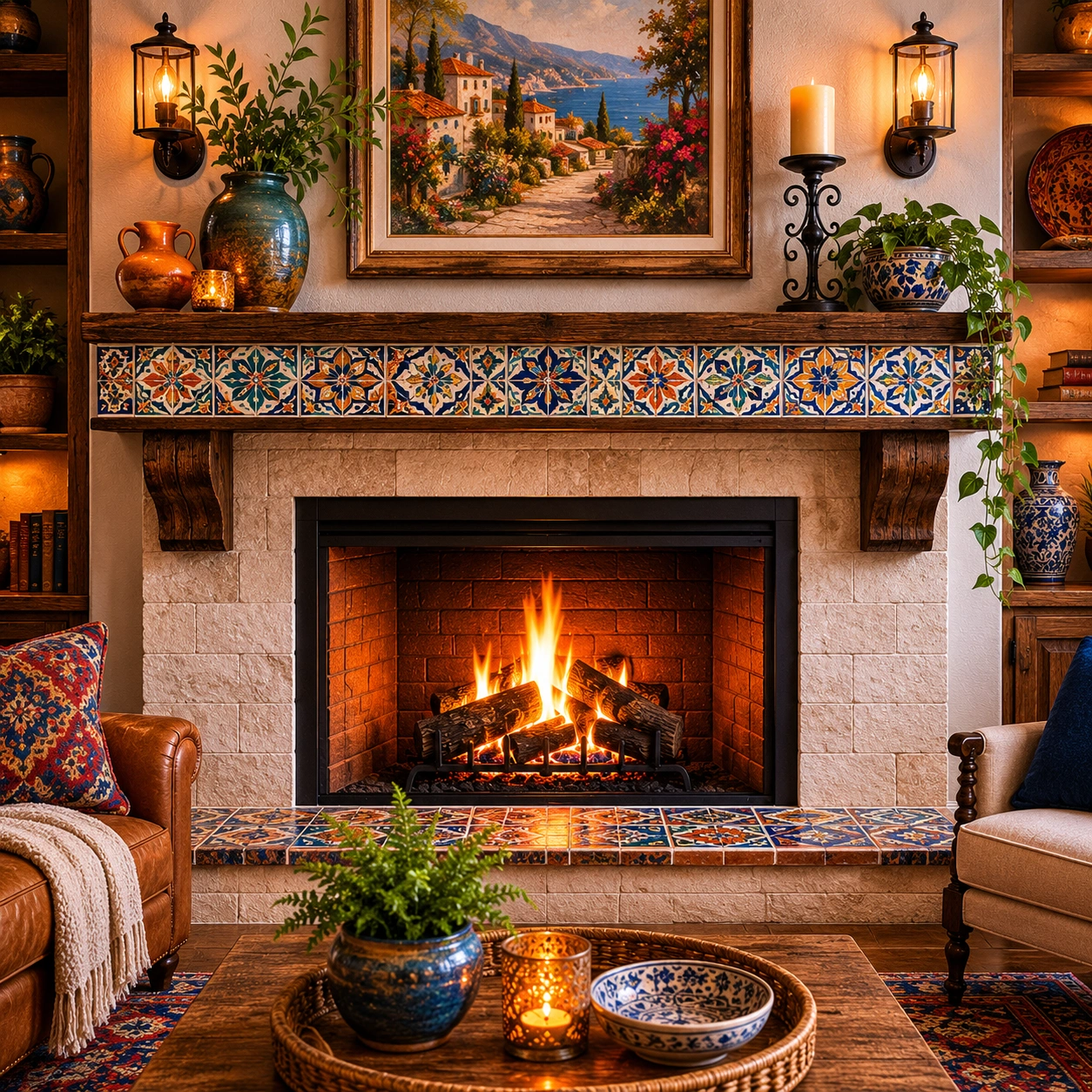
For those wanting to make a statement, colorful tiles can transform a fireplace into a work of art. Deep blues, rich greens, warm terracottas, or even multi-colored patterns can reflect your personality and complement your home's color scheme. When using bold colors, consider limiting them to the fireplace surround and keeping surrounding walls neutral to avoid visual overload. This approach works especially well in eclectic or Mediterranean-style homes.

Earth Tones and Natural Palettes
Warm browns, tans, and sandy colors create a cozy, grounded atmosphere that complements natural materials like wood and stone. These earthy palettes work beautifully in rustic and farmhouse-style homes. Natural stone tiles inherently offer these earthy tones, but ceramic and porcelain options can mimic them effectively at a lower cost. Consider pairing earth-toned tiles with wood mantels for a harmonious, nature-inspired look.
Tile Ideas by Design Style
Different architectural styles call for different tile approaches. Here's how to select tiles that complement your home's overall aesthetic:
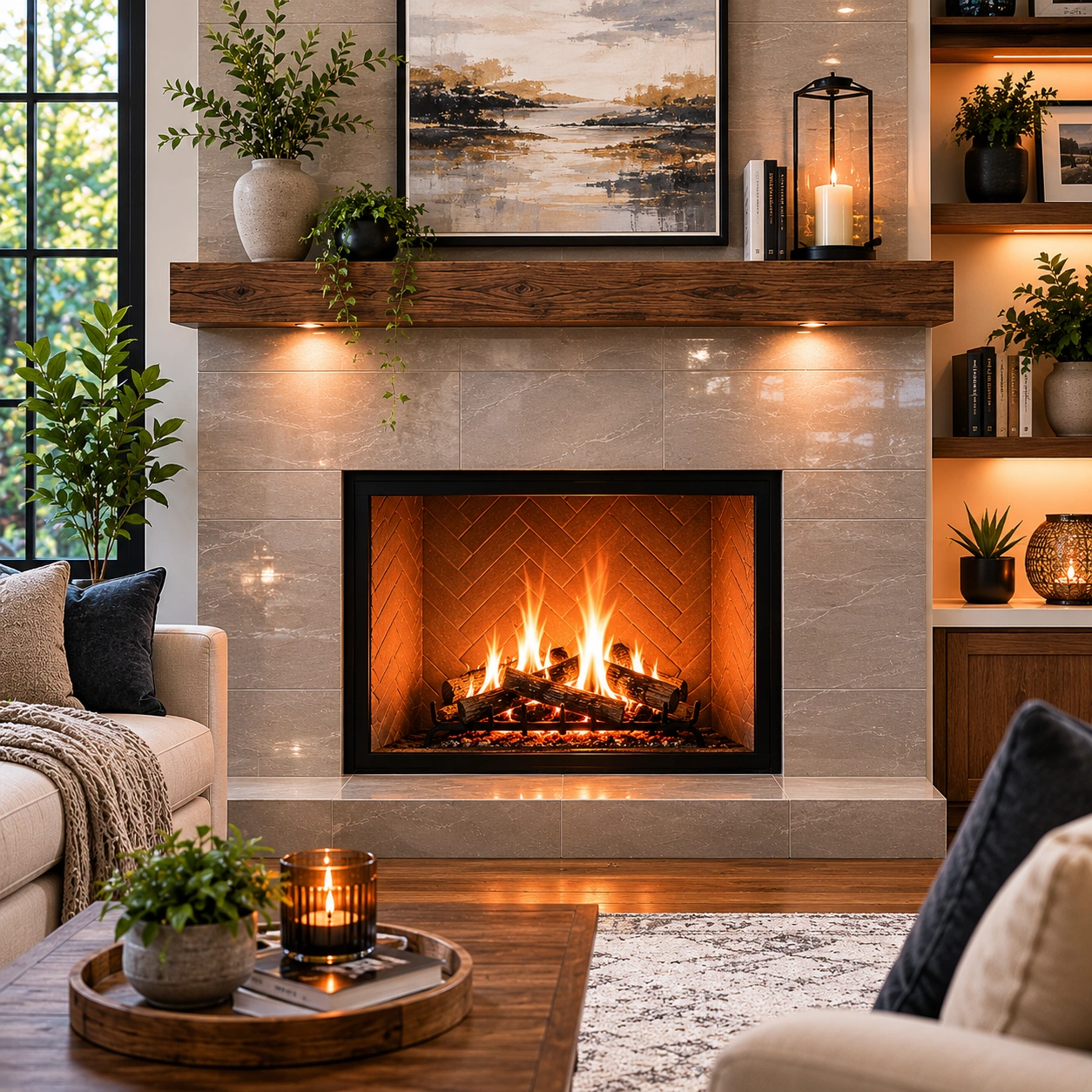
Modern & Contemporary
For modern spaces, opt for large-format porcelain tiles in solid colors or subtle textures. Stacked bond patterns with minimal grout lines create sleek surfaces. Consider high-gloss finishes for reflection or matte finishes for understated elegance. Metal accents and glass tile strips can add contemporary interest without overwhelming the clean aesthetic.
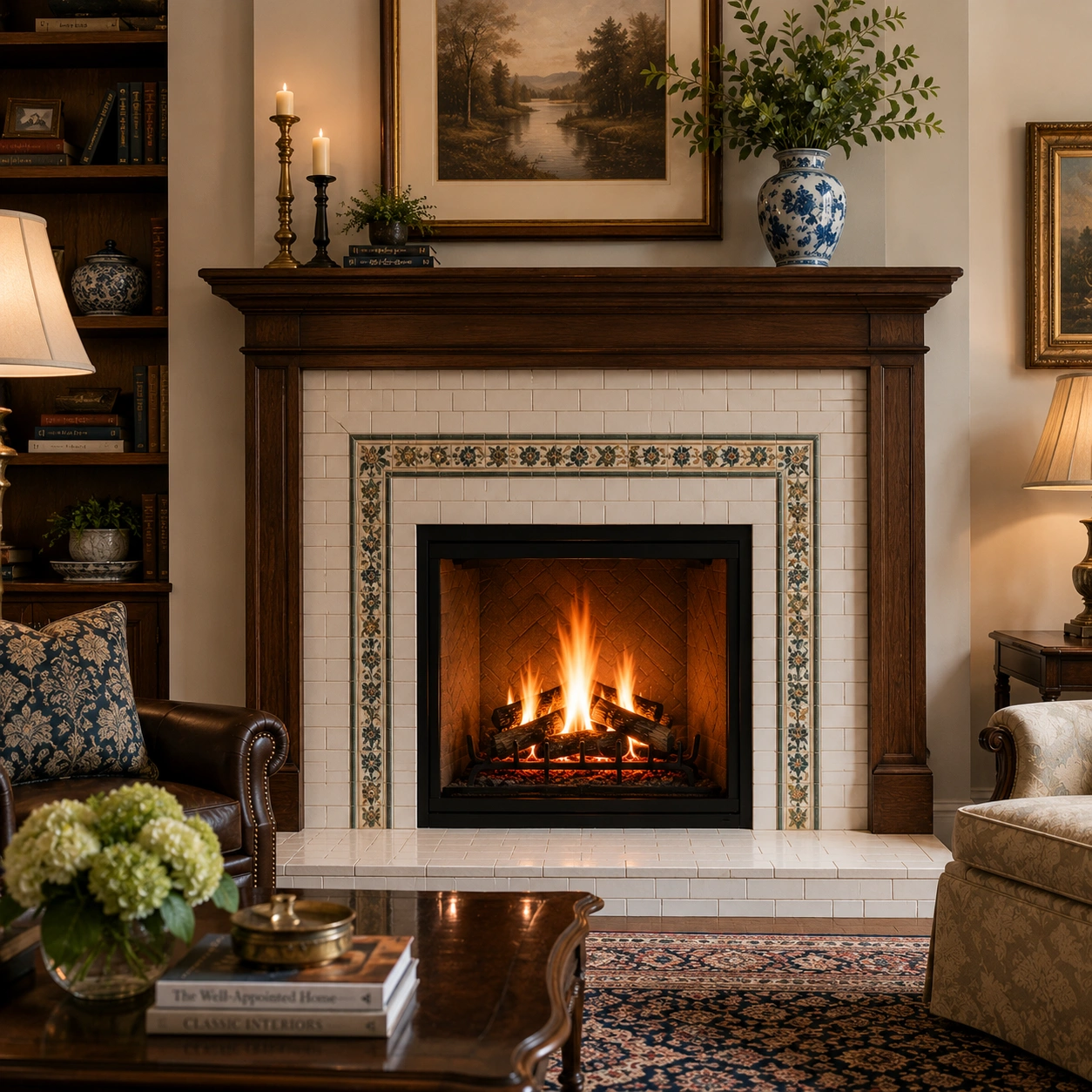
Traditional & Classic
Traditional fireplaces benefit from subway tiles in brick bond patterns, natural stone with varied textures, or ceramic tiles with decorative accents. Consider adding a chair rail or border tile to create visual separation between the surround and the hearth extension. Warm neutrals and muted earth tones work well in traditional settings.
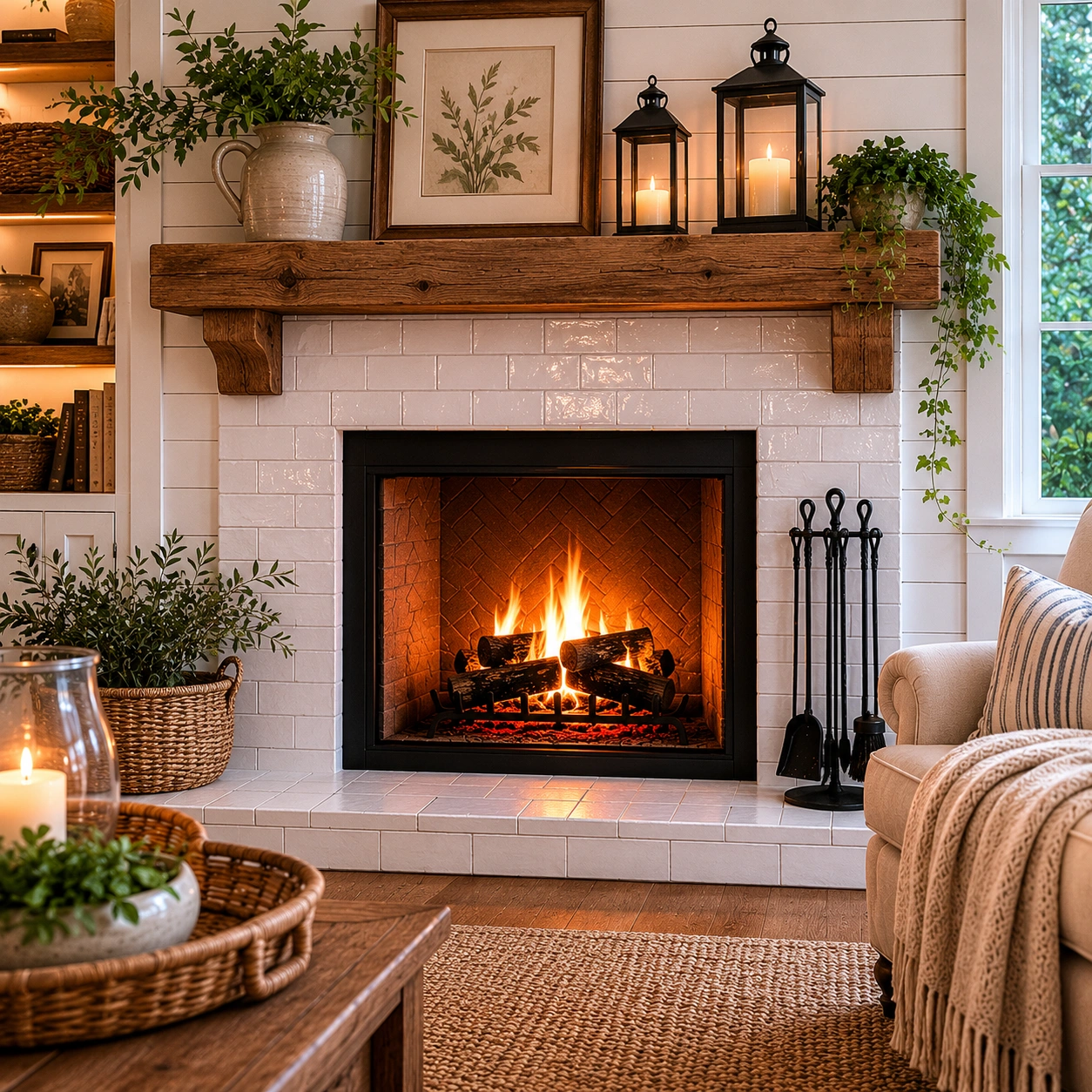
Farmhouse & Rustic
Farmhouse styles embrace imperfect, handmade qualities. Consider Zellige tiles with their slight variations, terra cotta for warmth, or stone-look porcelain for authenticity. Subway tiles in brick bond patterns also work well when paired with wood elements. Matte finishes generally suit farmhouse aesthetics better than glossy ones.

Mediterranean & Spanish
These styles call for vibrant, handcrafted tiles with geometric patterns or decorative motifs. Terracotta, deep blues, and bright whites create authentic Mediterranean character. Consider Talavera-style tiles for colorful accents or hand-painted ceramic tiles that reflect traditional craftsmanship. Arched surrounds with patterned tiles are particularly characteristic of this style.
Tiling Different Fireplace Areas
A complete fireplace tile project may involve several distinct areas, each with different considerations:
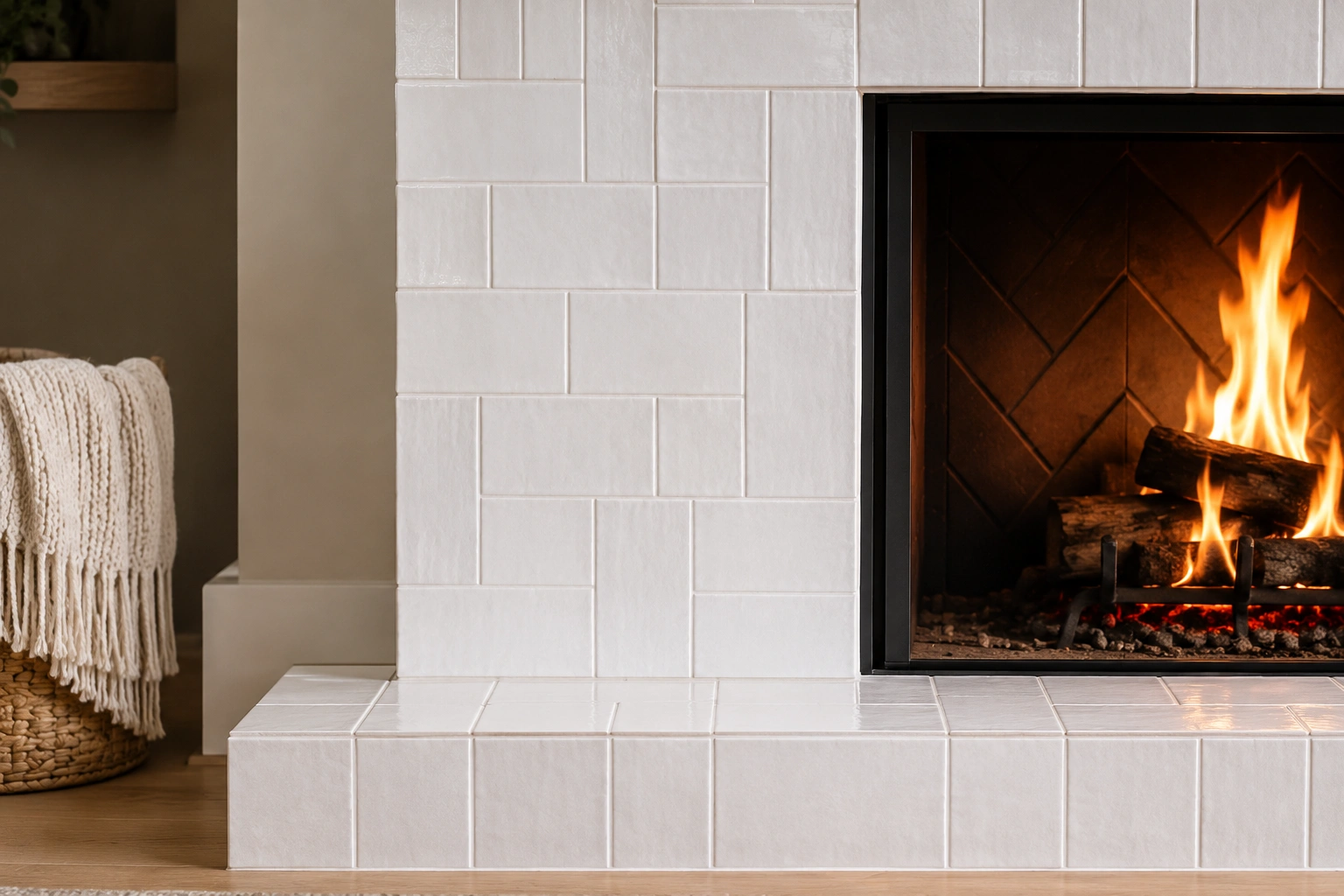
Fireplace Surround
The surround is the main vertical area framing the firebox. This is where you can make the biggest visual impact. For the surround, choose tiles that complement your room's overall style while providing adequate heat resistance. Most ceramic, porcelain, and stone tiles are suitable for surround applications. Consider extending the tile from floor to ceiling for a dramatic effect, or stopping at a defined border for a more traditional look.

Hearth Extension
The hearth is the horizontal area extending in front of the fireplace. This area experiences the most foot traffic and potential abuse from logs, tools, and foot traffic. Choose durable, slip-resistant tiles for this area. Natural stone, textured porcelain, or tiles with matte finishes work well here. Consider using the same tile as the surround for continuity, or a coordinating but different tile to create visual interest.
Mantel and Trim
While mantels are often made of wood or stone, tile can be used for decorative accents or as a shelf surface. Small mosaic tiles or decorative accent tiles can frame a fireplace mantel, creating a custom look. For a cohesive design, consider using a row of accent tiles as a border between the mantel and the surround, creating a defined transition between elements.
Full Wall Treatment
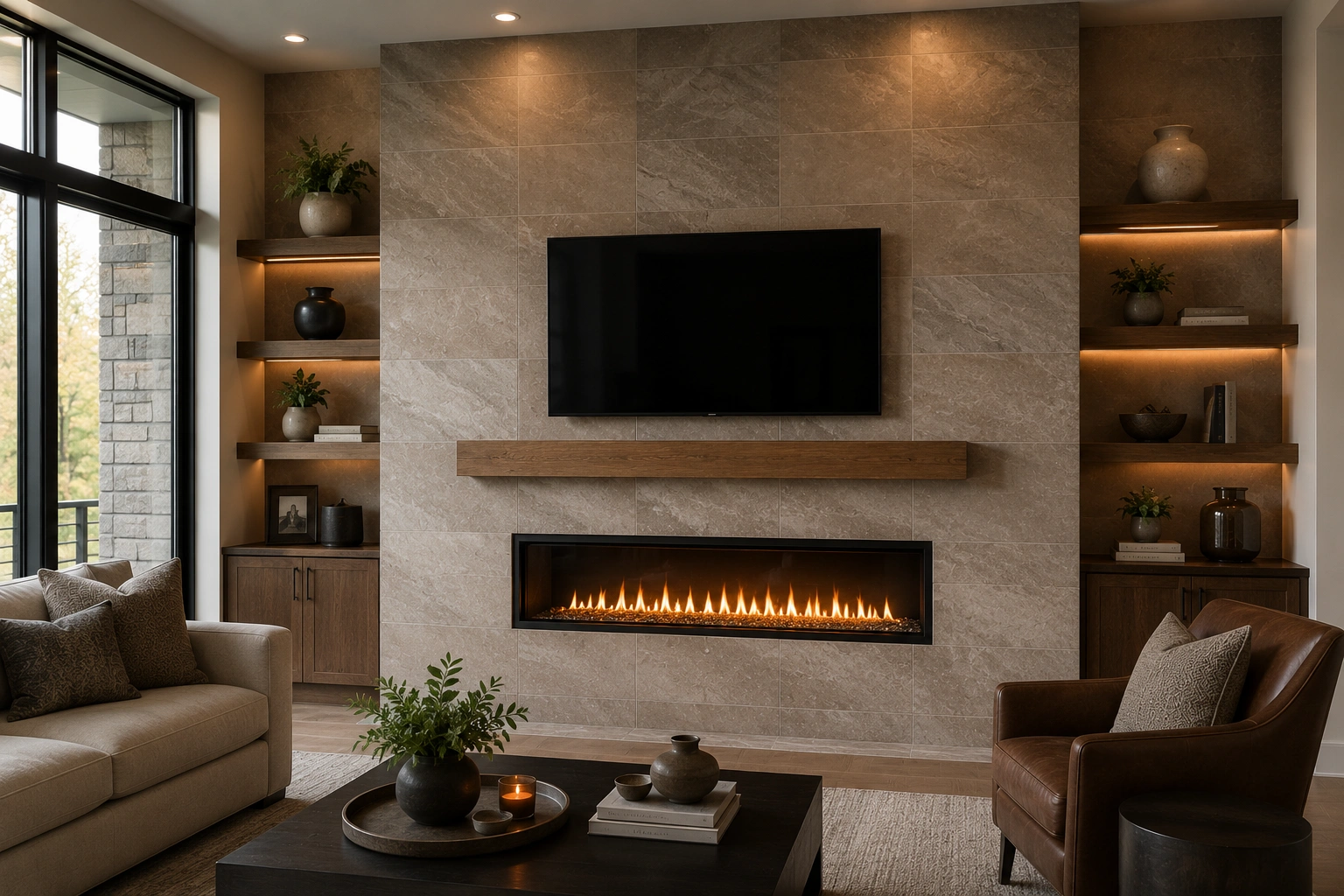
For maximum impact, consider extending tile beyond the immediate fireplace area to create an accent wall. This approach works particularly well with TV and fireplace wall designs, creating a unified backdrop for both elements. When tiling a full wall, consider using larger format tiles to minimize grout lines and create a more streamlined appearance. This approach can also help protect the wall from heat damage.
Fireplace Tile Material Comparison
Understanding the differences between tile materials helps you make the best choice for your specific needs:
| Material | Heat Resistance | Durability | Maintenance | Price per sq ft |
|---|---|---|---|---|
| Ceramic | Excellent | Good | Easy | $2-$8 |
| Porcelain | Excellent | Excellent | Very Easy | $3-$12 |
| Natural Stone | Good to Excellent | Good to Excellent | Moderate (requires sealing) | $8-$25+ |
| Glass | Excellent | Good | Easy | $7-$20 |
| Metal | Excellent | Excellent | Moderate (shows fingerprints) | $10-$30+ |
| Subway Tile | Excellent | Good | Easy | $2-$6 |
Pros and Cons of Tiled Fireplaces
Advantages
- Versatile Design Options: Endless choices in color, pattern, texture, and material allow for complete customization.
- Heat Resistance: Most tile materials withstand high temperatures without damage or discoloration.
- Easy Maintenance: Tiled surfaces are simple to clean with regular household products.
- Durability: Properly installed tile can last decades without needing replacement.
- Increased Home Value: A well-executed tile fireplace can significantly boost property appeal.
- Mold and Moisture Resistance: Particularly with porcelain and glass tiles, moisture issues are minimized.
Disadvantages
- Grout Lines: Grout can discolor over time and requires periodic cleaning and sealing.
- Installation Complexity: Proper installation requires skill, especially around the firebox opening.
- Permanent Decision: Unlike paint, tile is difficult and expensive to change once installed.
- Cold Surface: Tiles can feel cold to the touch, unlike wood surrounds.
- Initial Cost: Quality tile and professional installation represents a significant investment.
- Potential for Cracking: Improper installation or extreme temperature changes can cause tile cracking.
Fireplace Tile Cost Breakdown
The cost of tiling a fireplace varies widely based on material choice, project scope, and labor rates. Here's what to expect:
Budget Option
Basic ceramic tile, standard pattern, surround only
Mid-Range Option
Porcelain or stone-look tile, custom pattern, surround and hearth
Premium Option
Natural stone, glass accents, custom design, full wall treatment
Factors affecting cost include:
- Material Selection: Natural stone and specialty tiles cost significantly more than basic ceramic.
- Project Scope: Tiling just the surround costs less than extending to the hearth or full wall.
- Pattern Complexity: Intricate patterns like herringbone or mosaics require more labor and often more tile due to cuts.
- Surface Preparation: Existing tile removal, wall repair, or waterproofing adds to costs.
- Geographic Location: Labor rates vary significantly by region, with urban areas typically costing more.
- Custom Features: Borders, accent strips, or decorative elements increase both material and labor costs.
Budget Tip: For a high-end look on a budget, consider using less expensive field tiles with a few rows of premium accent tiles as borders or features. This approach gives you the luxurious appearance of expensive materials without the full cost. Also, standard subway tiles in interesting patterns can create sophisticated looks at a fraction of the cost of specialty tiles.
Fireplace Tile Ideas by Room
While most tile fireplace ideas focus on living rooms, tiles can enhance fireplaces in various spaces throughout your home:

Living Room
The living room is the most common location for tiled fireplaces. Here, the tile should complement your furniture and overall decor. Consider the room's color palette when selecting tile colors, and ensure the scale of the tile pattern suits the room size—larger tiles for spacious rooms, smaller tiles for cozier spaces.
Bedroom
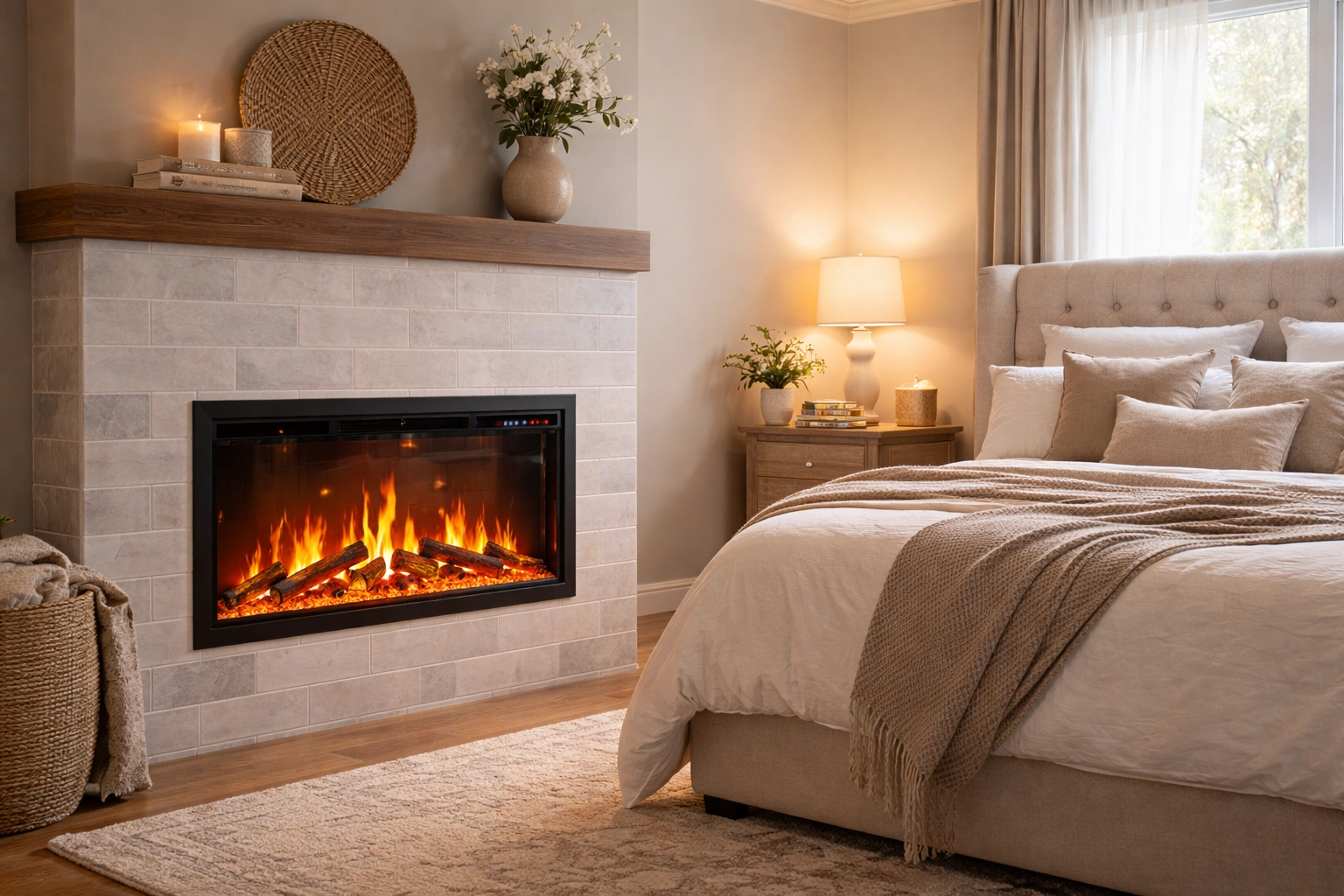
In bedrooms, tiled fireplaces should create a calming, restful atmosphere. Soft colors, subtle patterns, and matte finishes work best. Consider extending the tile to create a headboard wall or using the fireplace tile as inspiration for the room's color scheme. Bedroom fireplaces benefit from coordinated tile and bedding choices.
Kitchen
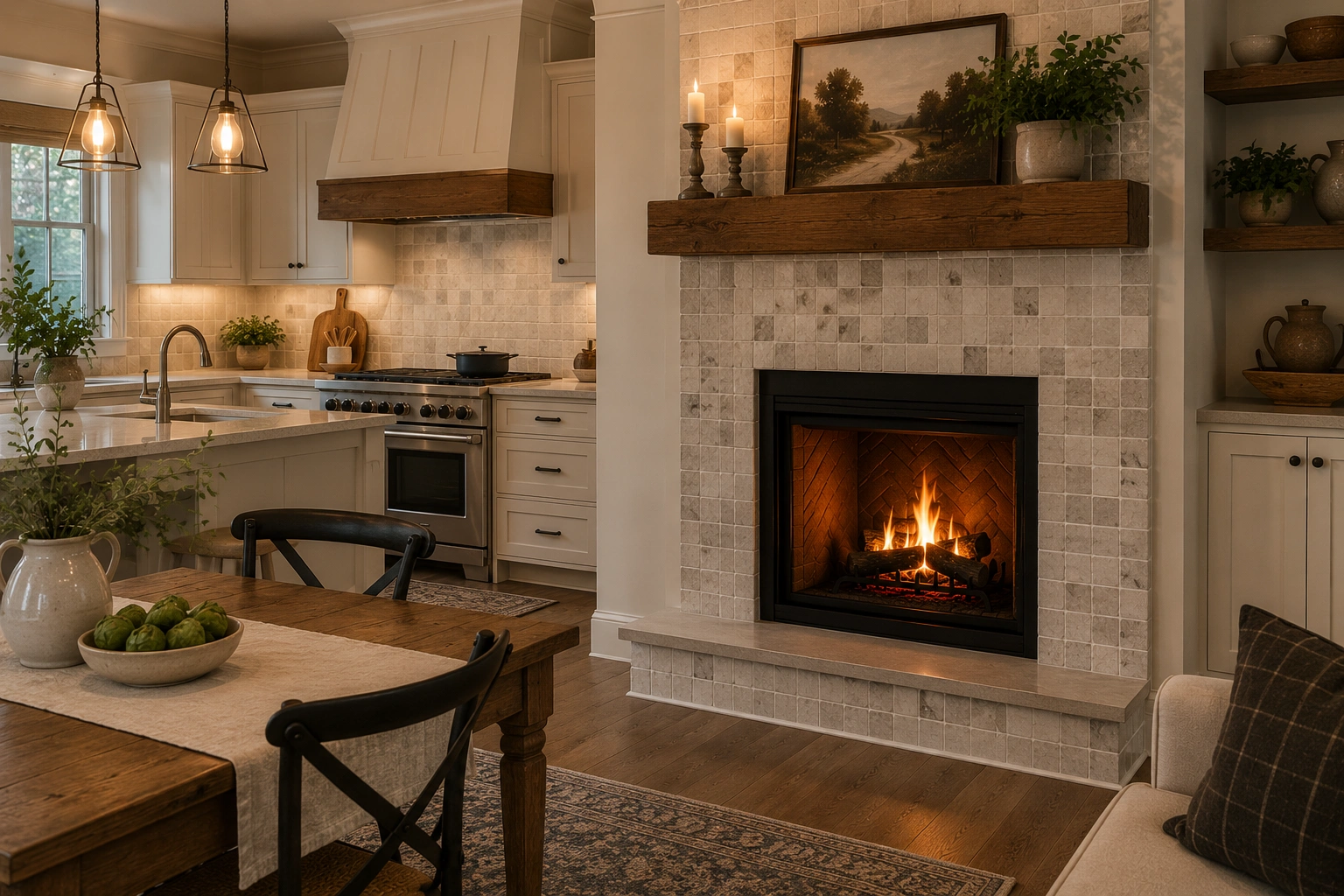
Kitchen fireplaces offer an opportunity to coordinate with backsplash tiles. Consider using the same tile family in different sizes or patterns to create visual connection between the fireplace and cooking areas. Easy-clean tiles are especially valuable in kitchens where grease and splatters are concerns.
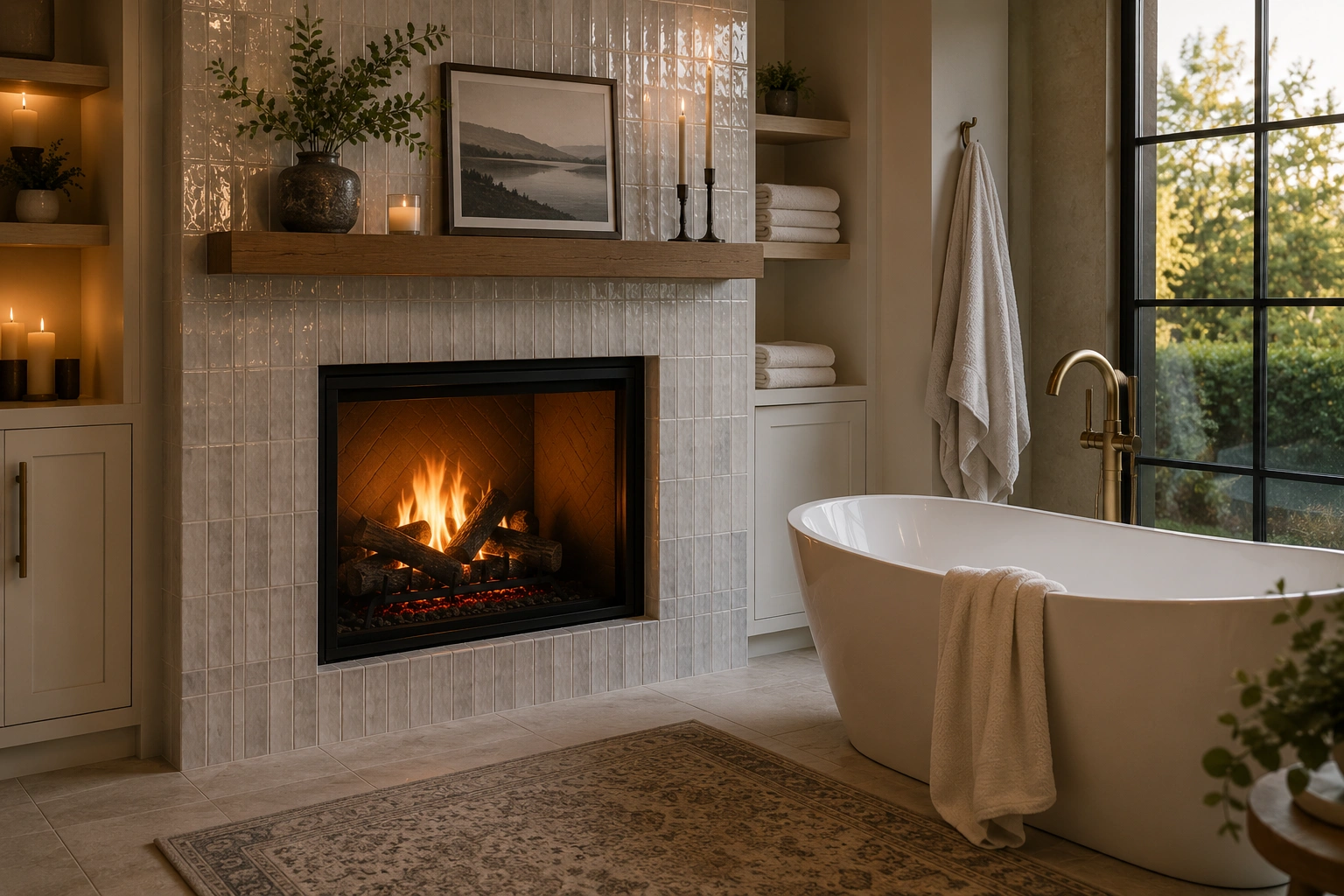
Bathroom
For master bathrooms, tiled fireplaces create a spa-like luxury. Moisture-resistant porcelain or glass tiles are ideal choices. Consider coordinating the fireplace tile with shower or floor tiles for a cohesive design. Waterproofing behind the tile is especially important in bathroom installations due to higher humidity levels.
Tile Compatibility with Fireplace Types
Different fireplace types have specific considerations when it comes to tile selection:
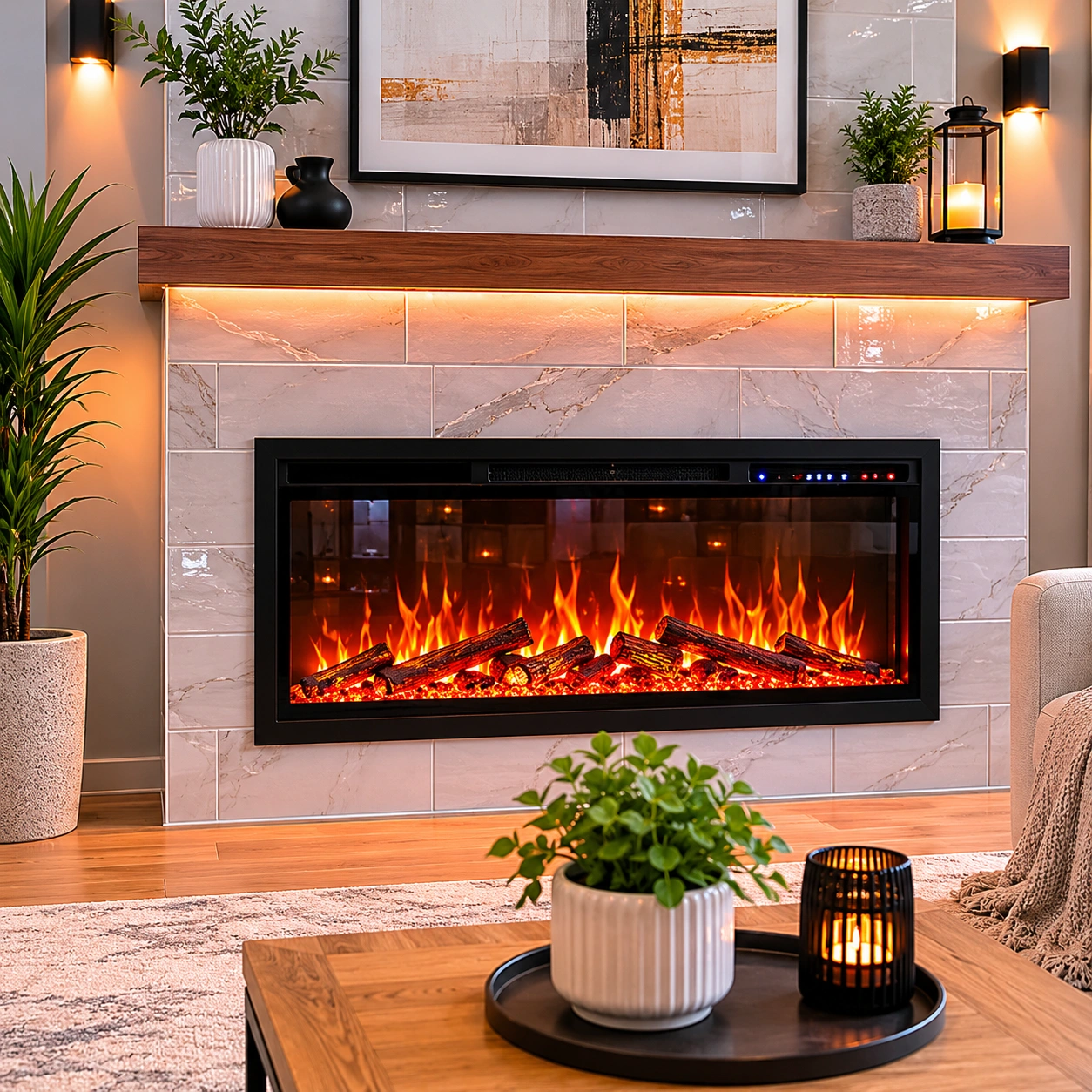
Electric Fireplaces
Electric fireplaces generate minimal heat near the surround, making almost any tile suitable. This gives you maximum design freedom. You can even use materials that might not withstand high temperatures, such as certain decorative tiles or glass mosaics with adhesive backing. The lack of combustion byproducts also means soot staining isn't a concern, allowing you to choose lighter-colored tiles without worry.
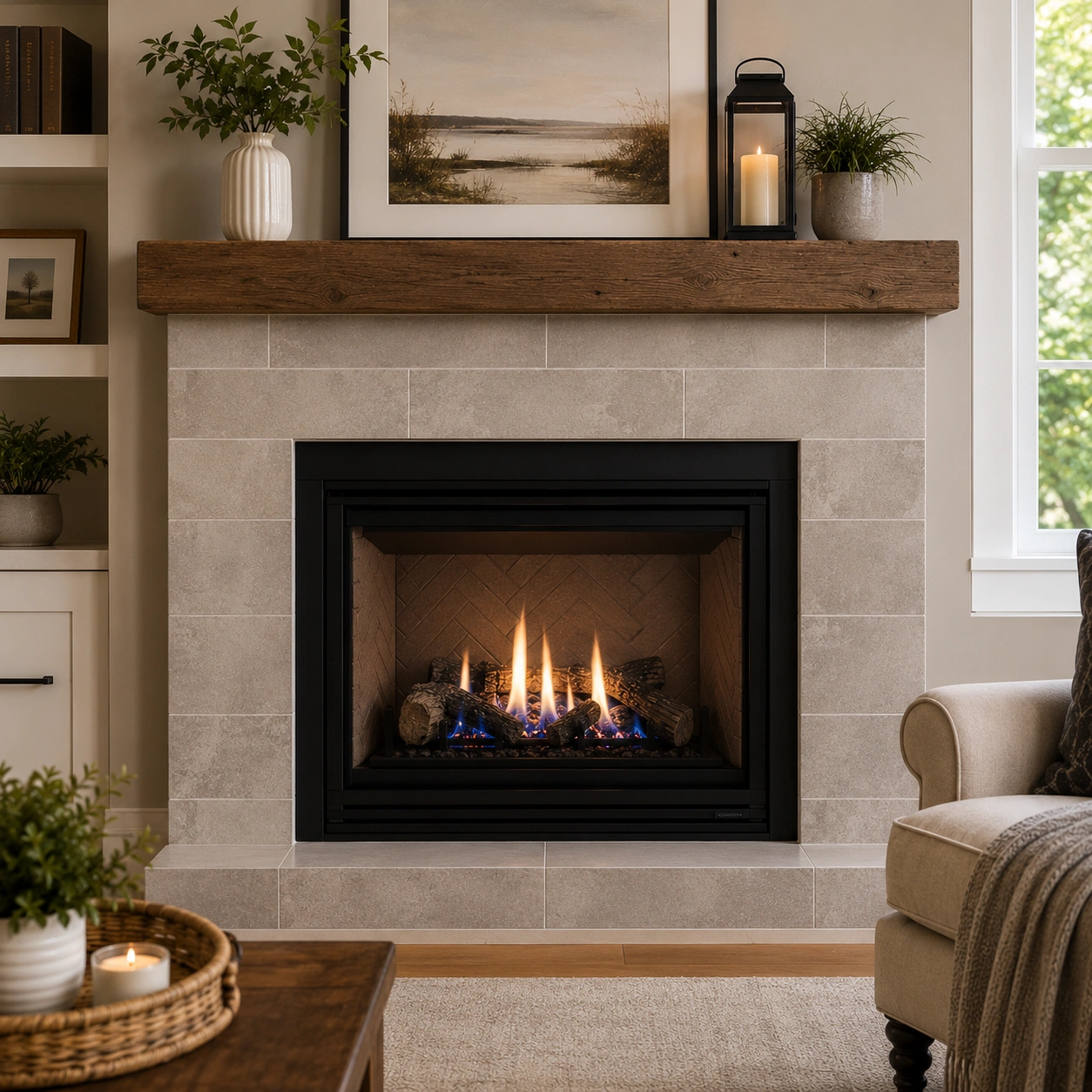
Gas Fireplaces
Gas fireplaces produce moderate heat and some combustion byproducts. Choose tiles rated for high-temperature applications, typically ceramic, porcelain, or natural stone. Maintain proper clearance between the firebox opening and tile as specified by the manufacturer. Light-colored tiles may show slight discoloration over time from gas combustion, though this is usually minimal with proper venting.

Wood-Burning Fireplaces
Wood-burning fireplaces generate the most heat and produce soot, ash, and creosote that can affect tile appearance. Choose dense, heat-resistant tiles with minimal grout lines where soot can accumulate. Darker tiles or those with texture hide soot better than light, smooth options. Ensure proper clearance from the firebox and consider using a fireplace screen to protect the tile from direct ember contact.
Safety Note: Regardless of fireplace type, always follow manufacturer guidelines for clearances and use heat-resistant adhesive and grout specifically formulated for high-temperature applications. Standard bathroom or floor tile installation materials may not be suitable for fireplace surrounds.
Fireplace Tile Installation Tips
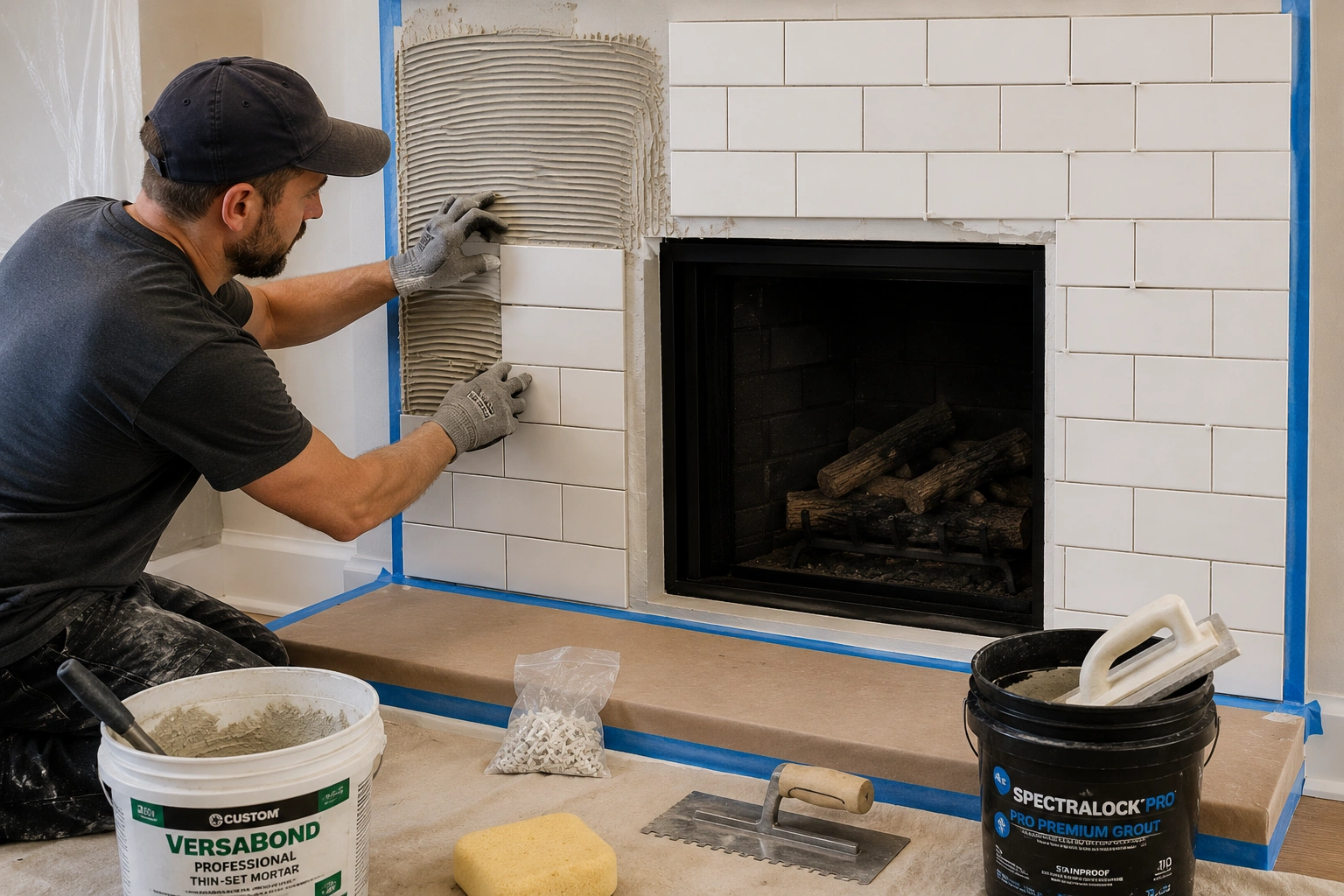
Proper installation is crucial for both appearance and safety. While experienced DIYers may tackle this project, many homeowners opt for professional installation. Consider these key aspects:
- Surface Preparation: The existing surface must be clean, dry, and structurally sound. Remove any loose material, repair damage, and apply appropriate primer or waterproofing membrane.
- Layout Planning: Before applying adhesive, dry-fit your tiles to determine the best starting point and pattern alignment. This is especially important for patterned tiles or when working around the firebox opening.
- Heat-Resistant Materials: Use thinset mortar specifically rated for high-temperature applications, not standard mastic adhesive which can fail under heat stress.
- Proper Clearances: Maintain required distances between the firebox and tile as specified by the fireplace manufacturer and local building codes.
- Expansion Joints: Include movement joints to accommodate thermal expansion, particularly where tile meets different materials like the firebox frame or mantel.
- Grout Selection: Use grout rated for high temperatures, and consider darker grout colors for wood-burning fireplaces where soot may be an issue.
- Curing Time: Allow adequate curing time before using the fireplace—typically 48-72 hours for adhesive and 7-10 days for grout.
For those considering the DIY vs. professional installation question, remember that fireplace tile work requires additional considerations beyond standard tiling. The heat exposure, safety requirements, and precision needed around the firebox opening make this a more demanding project than typical floor or wall tiling. If you're uncertain about any aspect, professional installation is a worthwhile investment.
Fireplace Tile Maintenance Guide
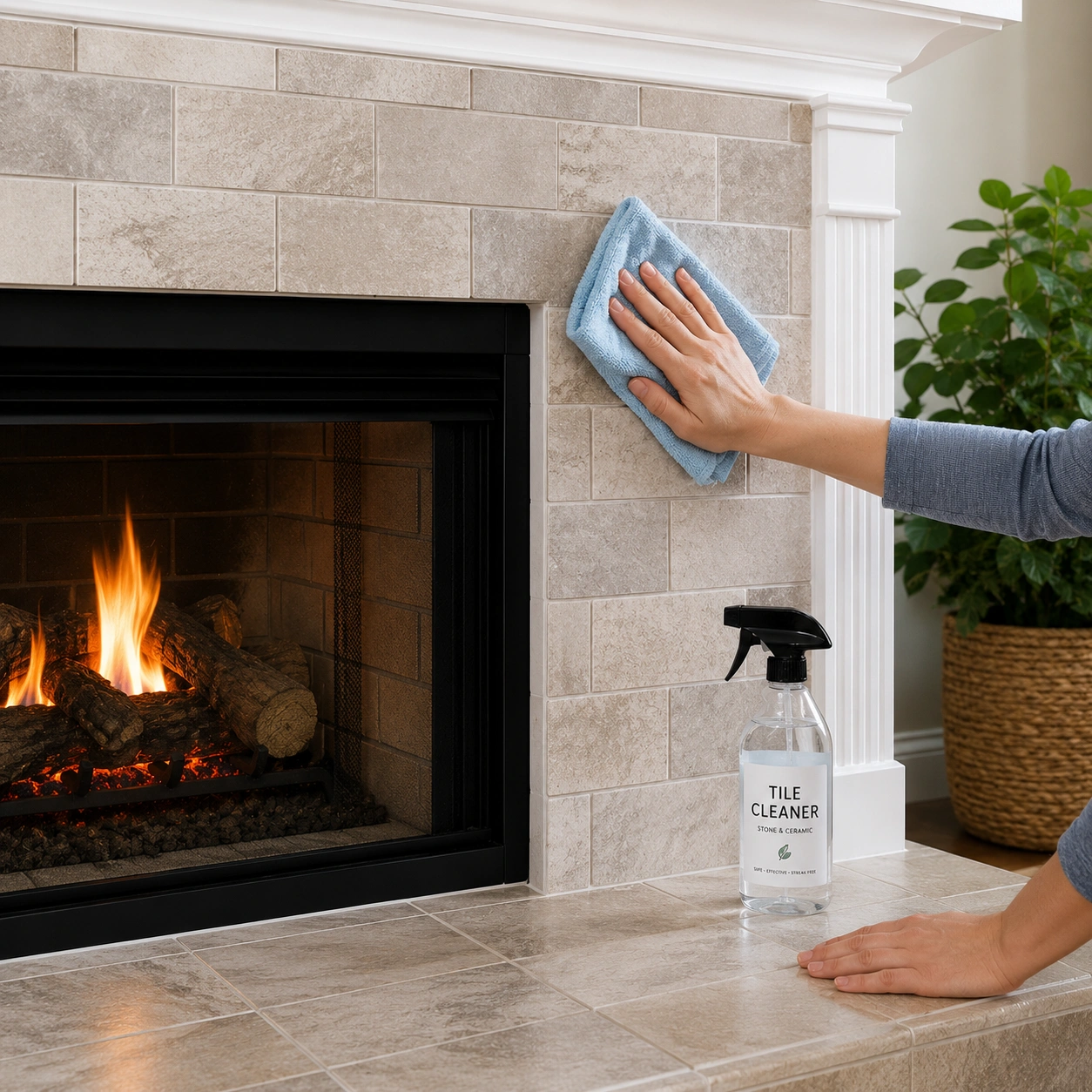
Proper maintenance keeps your tiled fireplace looking beautiful for years. Different tile materials require slightly different care approaches:
Regular Cleaning
- Dust or vacuum tiled surfaces weekly to prevent buildup in textured tiles and grout lines.
- Wipe down tiles with a damp cloth or sponge as needed, using pH-neutral cleaner for most tile types.
- For soot and ash accumulation (common with wood-burning fireplaces), use a specialized fireplace glass and tile cleaner.
- Avoid abrasive cleaners or scouring pads that can scratch tile surfaces, especially on glossy finishes.
- Address spills promptly, particularly acidic substances that can etch natural stone tiles.
Grout Maintenance
- Seal grout lines after installation and reapply sealant annually or as needed.
- Clean grout with a specialized grout cleaner or a solution of baking soda and water for mild cleaning.
- For stubborn grout stains, consider using a steam cleaner designed for tile and grout.
- Inspect grout regularly for cracking or deterioration, which could allow moisture penetration behind tiles.
Material-Specific Care
- Natural Stone: Requires periodic sealing with a stone-specific sealer. Avoid acidic cleaners that can etch the surface. For detailed guidance, see our article on cleaning fireplace brick and stone.
- Glass Tiles: Clean with glass cleaner or vinegar solution. Avoid abrasive materials that can create micro-scratches dulling the surface.
- Metal Tiles: Wipe with a soft cloth and mild cleaner. Use stainless steel polish for stainless tiles to remove fingerprints and maintain luster.
- Ceramic/Porcelain: Most forgiving materials—clean with standard tile cleaners. For porcelain specifically, see our electric fireplace cleaning tips which apply to porcelain surrounds.
Remodeling Existing Fireplaces with Tile

Tiling over an existing fireplace can completely transform its appearance without the cost and disruption of a full replacement. Whether you're covering outdated brick, updating a dated surround, or refreshing worn surfaces, tile offers an effective remodeling solution.
Key considerations for remodeling:
- Surface Assessment: Evaluate the existing surface for stability, damage, and suitability for tiling. Loose or deteriorating material must be addressed before tiling.
- Priming Requirements: Brick and other porous surfaces typically require a primer or modified thinset to ensure proper adhesion.
- Thickness Considerations: Adding tile increases the surround's thickness, which may affect clearances, mantel position, or trim work.
- Complete Removal Option: In some cases, removing the existing surround entirely provides the best foundation for new tile installation.
- Code Compliance: Ensure the remodeled fireplace meets current building codes, particularly regarding clearances and ventilation.
Popular Remodeling Approach: Tiling directly over existing brick is a common and cost-effective approach. This typically requires applying a modified thinset with enhanced bonding properties, followed by the tile installation. While this saves the labor and mess of brick removal, it does increase the surround's projection into the room—typically by 3/4 to 1 inch—which should be factored into your design planning.
Decorating Around Tiled Fireplaces
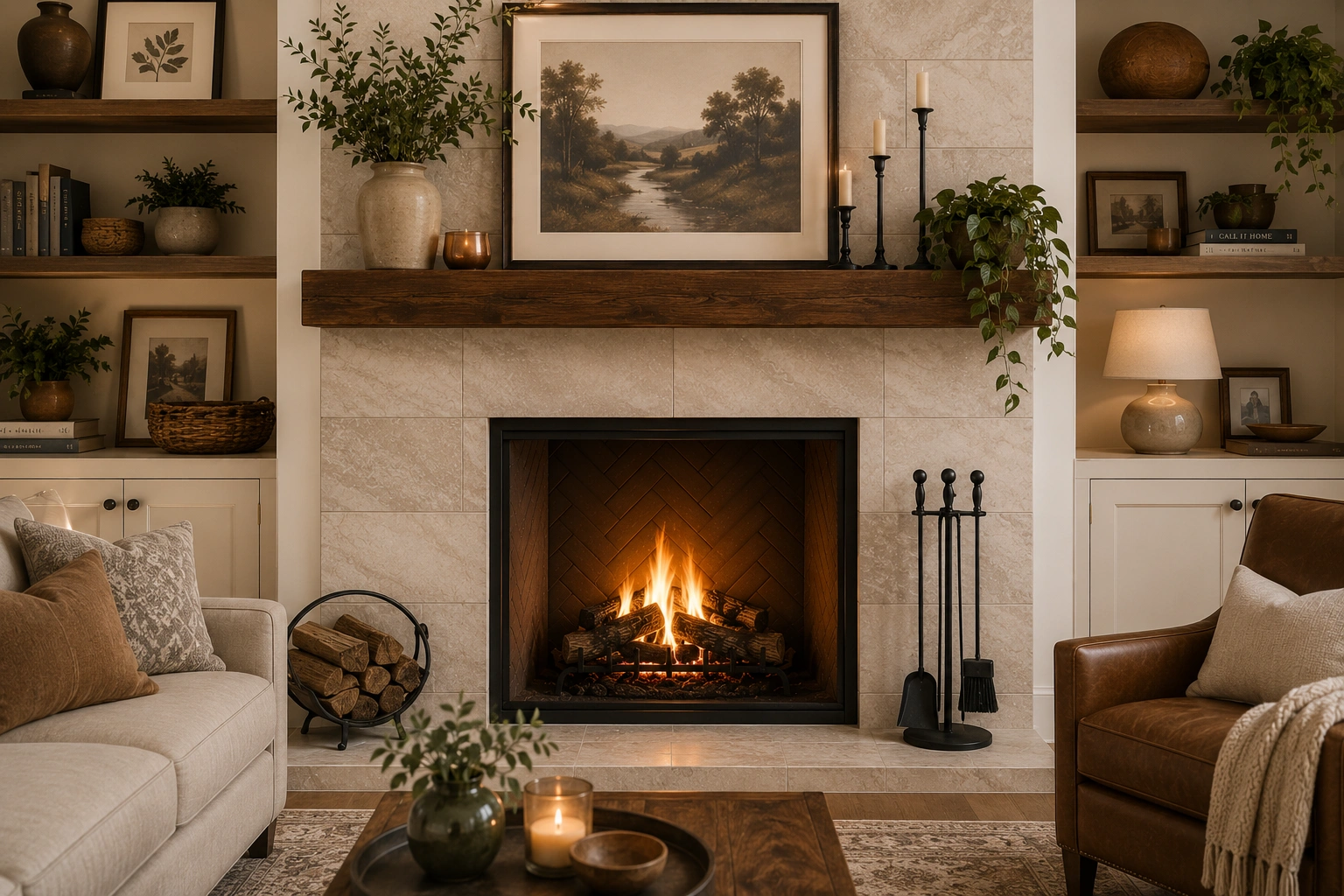
The right fireplace decor can enhance your tiled surround without overwhelming it. Consider these approaches:
- Mantel Styling: If your tiled fireplace includes a mantel, keep decorations proportionate to the tile scale. Large-format tiles call for bolder decor pieces, while intricate mosaic tiles may look best with minimal styling.
- Art Integration: Hang artwork that complements the tile colors or patterns. For patterned tiles, choose simple art frames; for solid tiles, more ornate frames can add interest.
- Accessory Coordination: Select fireplace tools, screens, and log holders that harmonize with tile materials—metal accessories for glass or metal tiles, wood elements for stone tiles.
- Seasonal Decor: Tiled fireplaces provide an excellent backdrop for seasonal decorations that can be changed without damaging the tile surface.
- Lighting: Strategic lighting enhances tile textures and patterns. Consider recessed lighting above the fireplace or adjustable picture lights to highlight the tilework.
Conclusion: Transforming Your Fireplace with Tile
A tiled fireplace surround offers an exceptional combination of beauty, durability, and practicality. With the vast array of materials, colors, patterns, and styles available, you can create a fireplace that perfectly reflects your taste and complements your home's architecture. Whether you prefer the clean lines of modern porcelain, the classic appeal of subway tile, or the natural beauty of stone, the right tile choice can transform your fireplace from a simple heat source into a stunning focal point.
When planning your tile project, take time to consider how the fireplace fits into your overall room design, the specific requirements of your fireplace type, and the long-term maintenance implications of different materials. While the initial investment may be significant, a well-executed tile installation can last for decades and provide lasting enjoyment and value to your home.
By following the guidelines and considerations outlined in this article, you'll be well-equipped to make informed decisions that result in a beautiful, functional tiled fireplace that becomes the heart of your home for years to come.
Ready to Start Your Project? Check out our recommended fireplace tile products below, or explore our other fireplace ideas for more inspiration. If you're considering a DIY approach, our DIY fireplace tile guide provides step-by-step instructions to help you succeed.