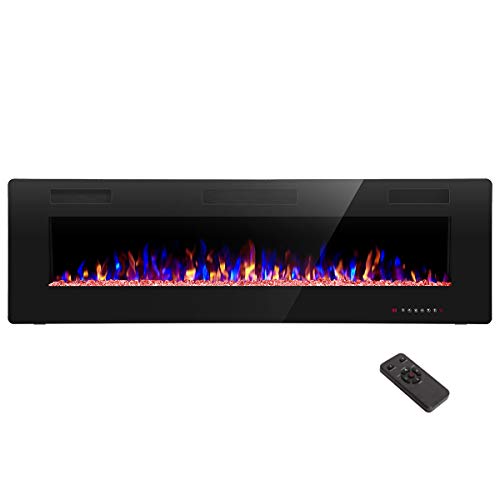
Electric Fireplace Installation: Complete Plug & Play Guide
Everything you need to know about installing a plug-and-play electric fireplace, from tools required to safety considerations and common mistakes to avoid.
JUMP TO INSTALLATION STEPSElectric fireplaces have become increasingly popular due to their ease of installation and realistic flame effects. Unlike gas fireplaces or wood-burning options that require venting, chimneys, or complex gas lines, plug-and-play electric fireplaces can be set up in minutes without professional help. This comprehensive guide will walk you through everything you need to know about installing a plug-and-play electric fireplace in your home.
Benefits of Plug & Play Electric Fireplaces
Plug-and-play electric fireplaces offer numerous advantages over traditional heating options. Here are the key benefits that make them an attractive choice for homeowners:
Zero Installation Complexity
No need for gas lines, venting systems, or chimney construction. Simply plug into a standard electrical outlet and enjoy immediate warmth and ambiance.
Versatile Placement Options
Can be installed in apartments, condos, or any room without structural modifications. Perfect for apartment dwellers who want the cozy feel of a fireplace.
Cost-Effective Solution
With models available from entry-level to mid-range tiers and no installation costs, they're significantly more affordable than traditional fireplace options.
Zone Heating Capability
Heat only the rooms you're using, reducing energy consumption compared to central heating systems. Learn more about fireplace vs central heating.
Design Flexibility
Available in various styles from modern designs to traditional looks, complementing any interior décor.
Portable and Relocatable
Unlike permanent installations, you can move your electric fireplace when redecorating or relocating to a new home.
Types of Plug & Play Electric Fireplaces
Before diving into installation, it's important to understand the different types of plug-and-play electric fireplaces available. Each type has unique installation requirements and considerations.
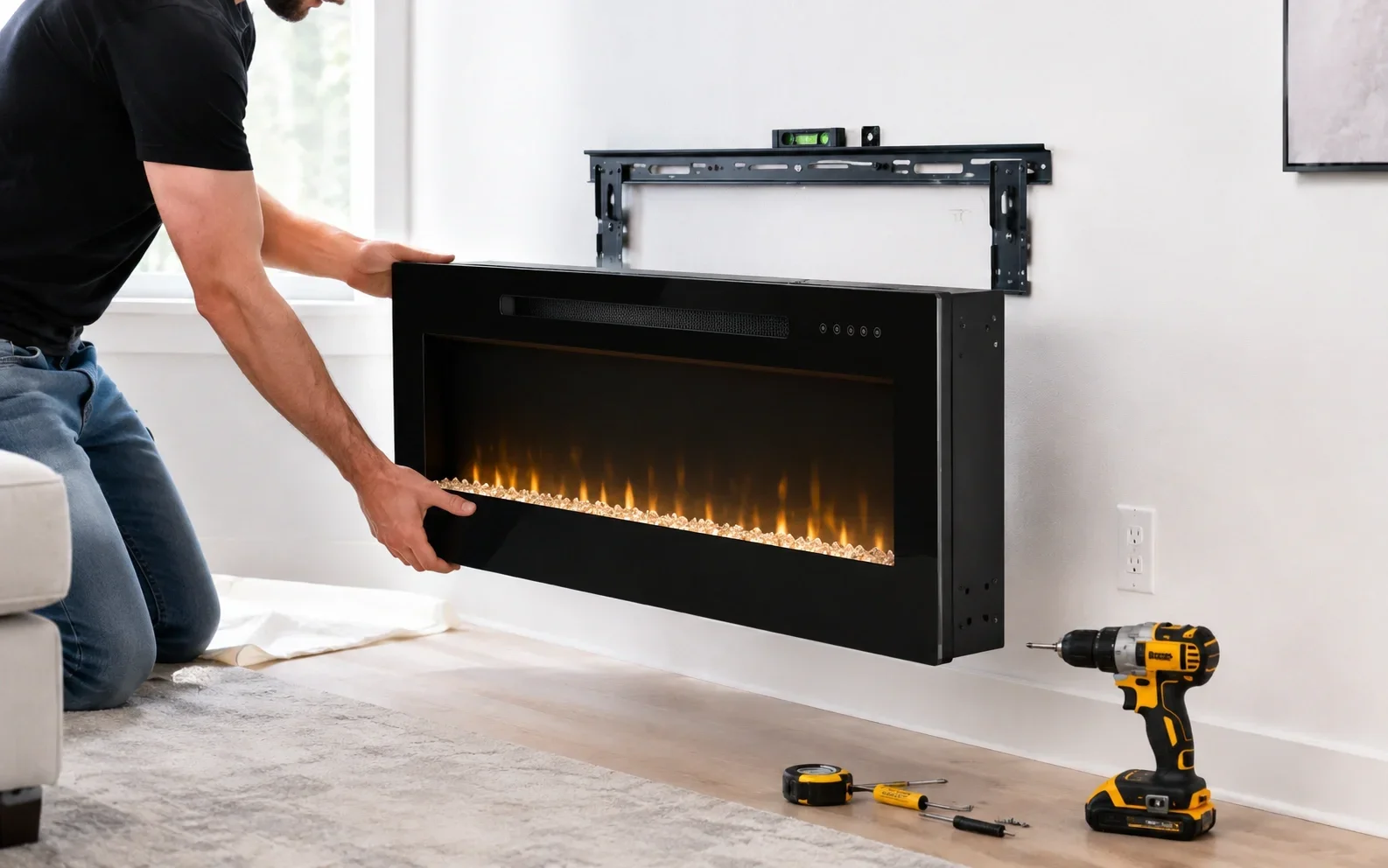
Wall-Mounted Fireplaces
These sleek units mount directly to the wall, creating a clean, modern look. They're perfect for contemporary spaces and can be installed at any height.
- Requires wall mounting hardware (usually included)
- Needs a nearby electrical outlet
- Creates a floating effect that enhances room aesthetics
- Ideal for TV and fireplace wall arrangements
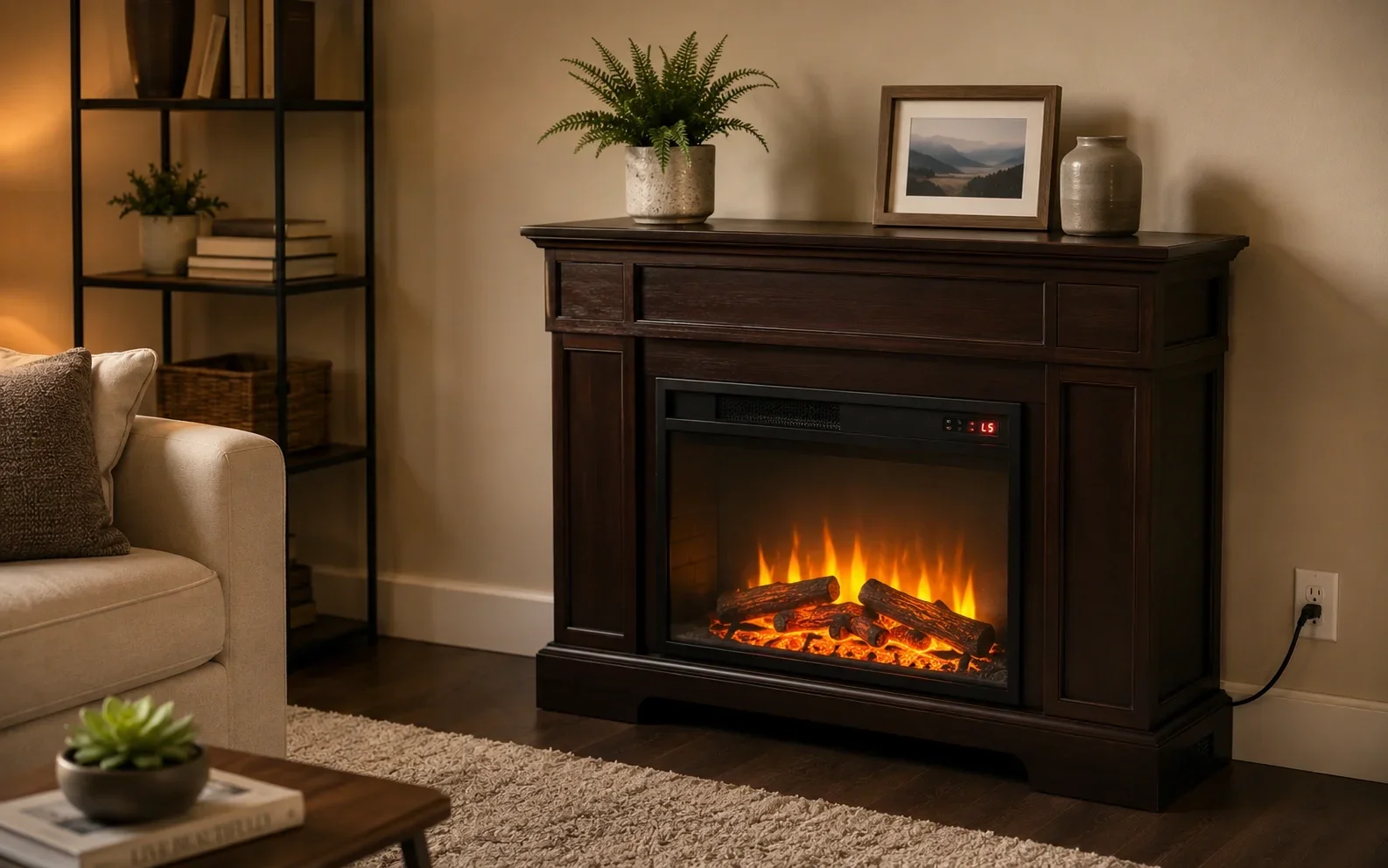
Freestanding Fireplaces
These units resemble traditional fireplace mantels but require no permanent installation. Simply place against a wall and plug in.
- No mounting required - just place and plug in
- Often includes mantel for decorating
- Easy to move between rooms
- Great option for flexible placement needs
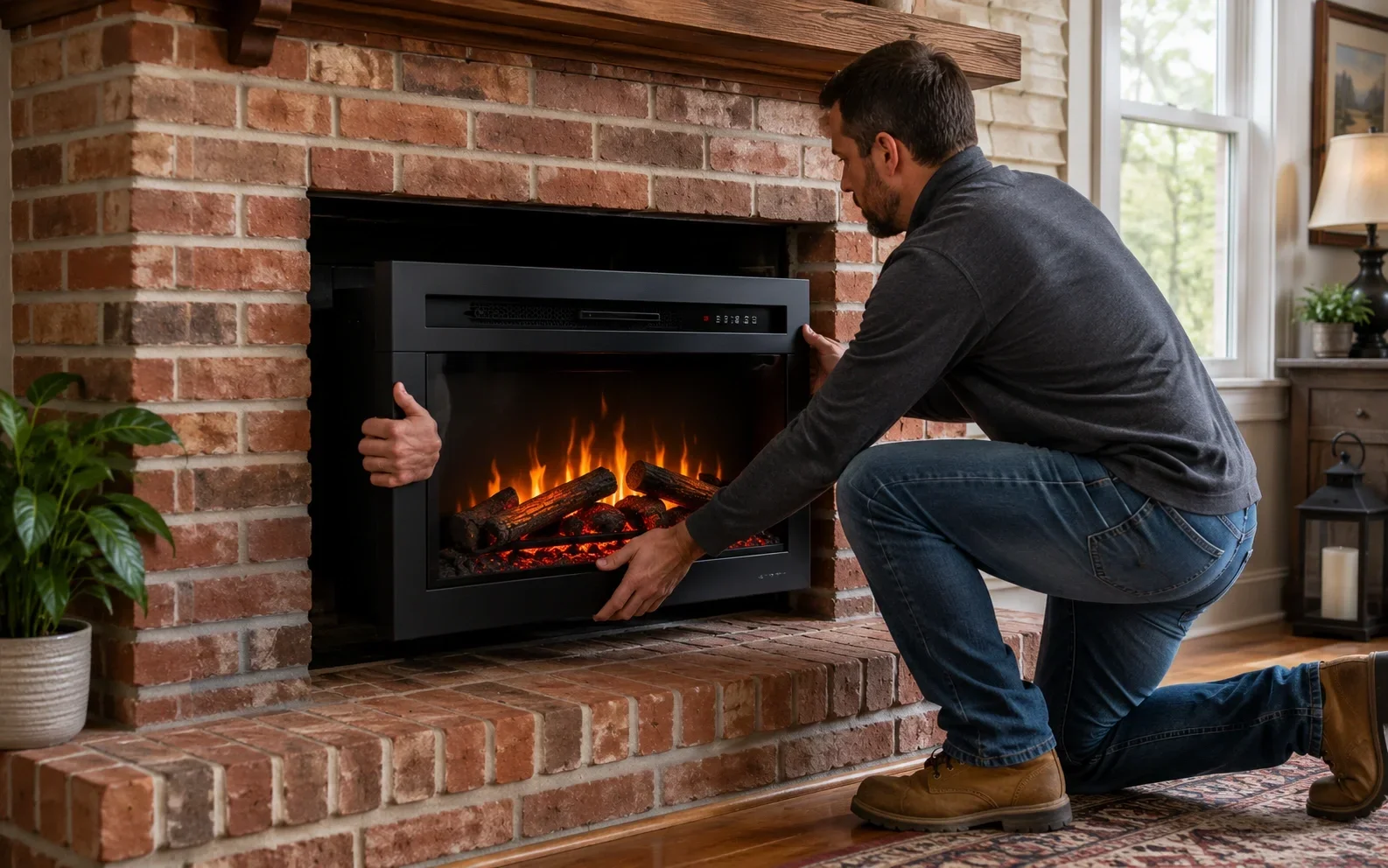
Fireplace Inserts
Designed to fit into existing fireplace openings, these units transform non-functional traditional fireplaces into efficient electric ones.
- Slides into existing fireplace cavity
- May require slight modifications for proper fit
- Transforms unused fireplaces efficiently
- Popular for fireplace conversion projects
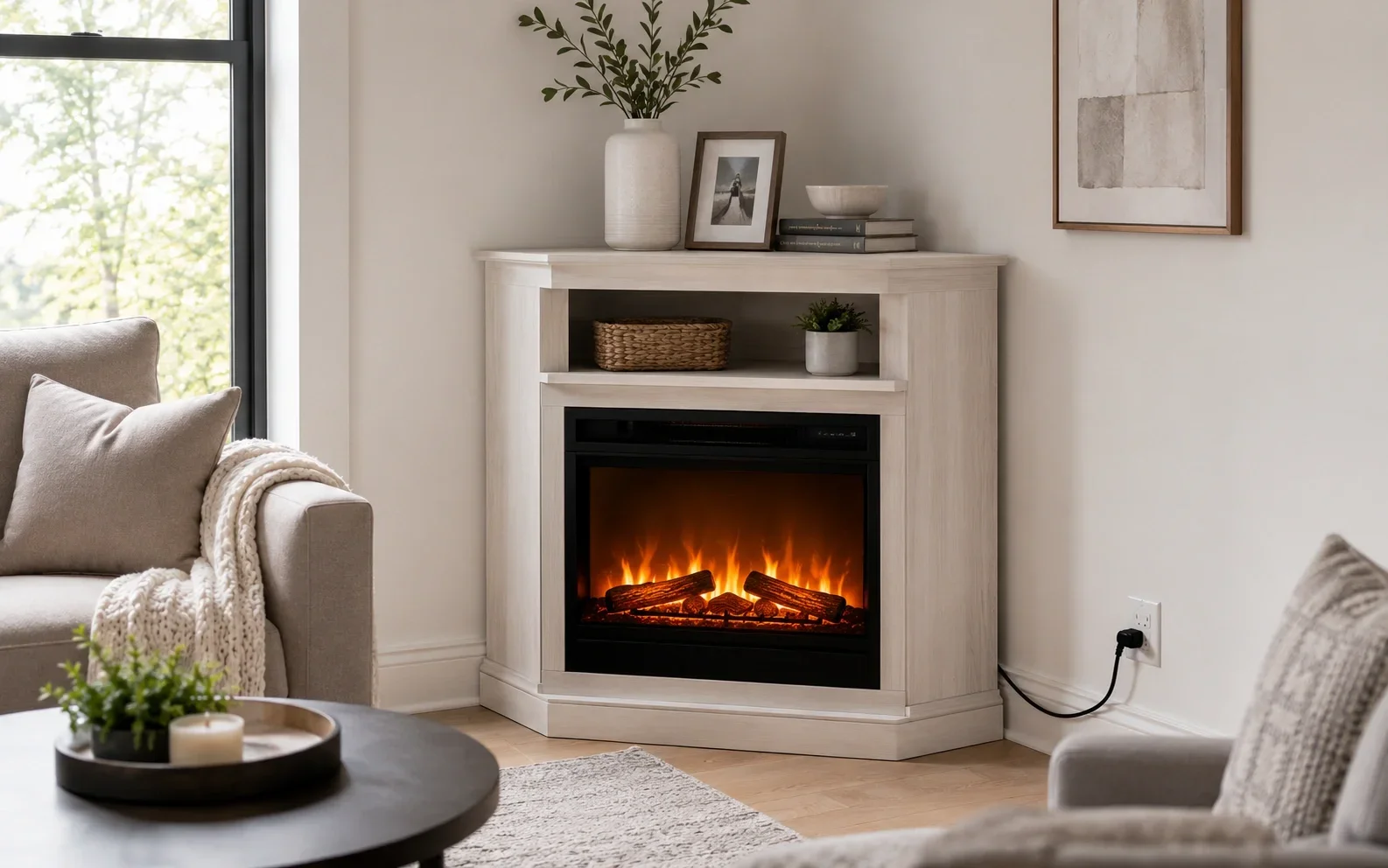
Corner Fireplaces
Specifically designed to fit snugly in room corners, these units maximize space efficiency while providing a focal point.
- Utilizes otherwise wasted corner space
- Available in various styles and finishes
- Perfect for smaller rooms
- Excellent choice for corner fireplace designs
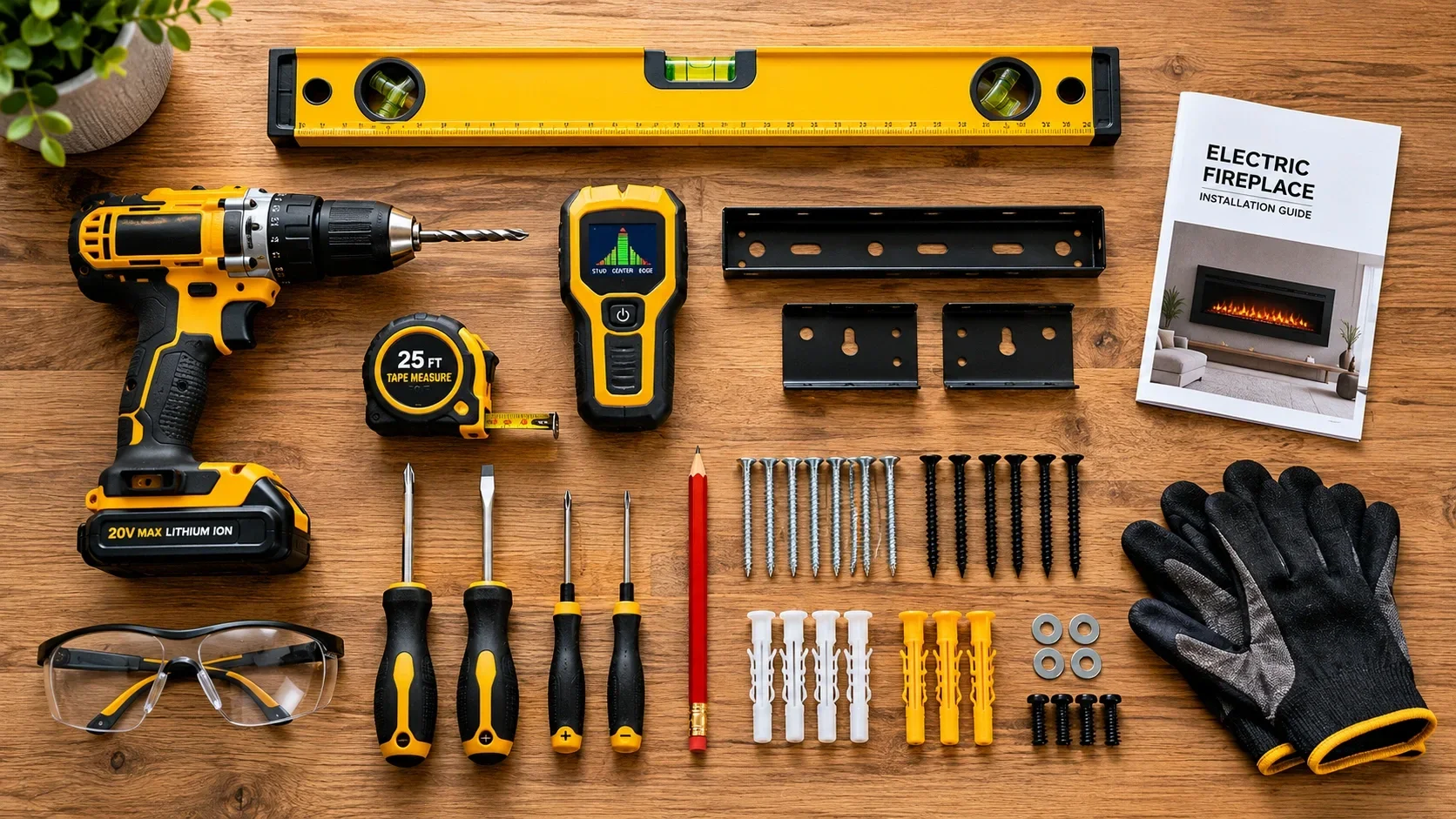
Tools Needed for Installation
While plug-and-play electric fireplaces require minimal tools compared to other fireplace types, having the right equipment on hand will ensure a smooth installation process. Here's what you'll need:
Step-by-Step Installation Guide
Follow these detailed steps to ensure a proper installation of your plug-and-play electric fireplace. While the process is relatively simple, attention to detail will ensure optimal performance and safety.
Choose the Right Location
Select a location with a nearby electrical outlet (within 6 feet for most models). Consider the room's layout, traffic flow, and focal points. For living room installations, position it where it can be appreciated from seating areas. Ensure the chosen location can support the weight of the unit and allows for proper clearances as specified in the manufacturer's instructions.
Prepare the Area
Clear the area where you'll install the fireplace. Remove any artwork, furniture, or decorations that might interfere with the installation process. If mounting on a wall, ensure the wall surface is clean and free from moisture. For fireplace wall designs, consider how the fireplace will integrate with surrounding elements.
Mark Mounting Points (For Wall-Mounted Units)
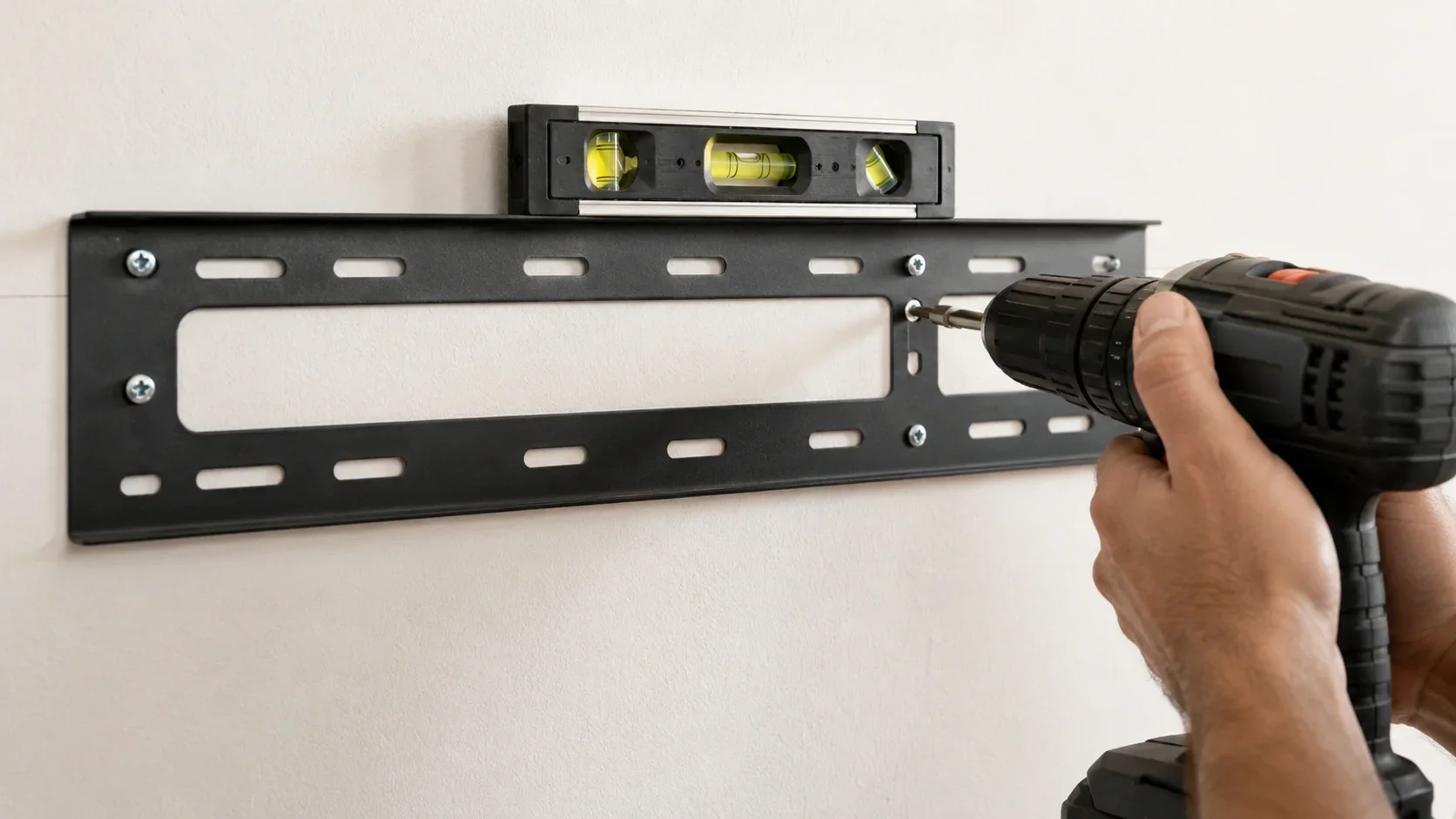
Use a level and pencil to mark where the mounting bracket will go. For larger units, use a stud finder to locate wall studs for secure mounting. Mark the drill points for the bracket screws. Double-check your measurements before proceeding, as proper alignment is crucial for both aesthetics and safety.
Install the Mounting Bracket
Drill pilot holes at your marked points, then secure the mounting bracket using appropriate screws and wall anchors (if not drilling into studs). Ensure the bracket is level and firmly attached. For heavier units, consider using specialized heavy-duty anchors or consulting a professional for mounting on challenging wall surfaces like tile or stone.
Attach the Fireplace to the Bracket
With assistance if needed (especially for larger units), carefully lift the fireplace and align it with the mounting bracket. Secure it according to the manufacturer's instructions, typically by hooking it onto the bracket and then tightening additional security screws. Ensure all connection points are properly engaged before releasing the unit.
Connect to Power
Plug the fireplace into a properly grounded electrical outlet. Avoid using extension cords if possible, as they can create fire hazards and may not provide adequate power. If an extension cord is absolutely necessary, use a heavy-duty cord rated for the fireplace's power requirements. For plug-in vs hardwired options, plug-and-play models offer the simplest connection.
Test All Functions
Before finalizing the installation, test all functions of the fireplace: flame effects, heat settings, timer functions, and remote control operation (if applicable). Ensure the flame effect looks realistic and the heating element functions properly. This is the time to identify any issues before completing the installation.
Add Finishing Touches
Complete the installation by adding any decorative elements like mantel decorations or surrounding trim. Conceal any visible cords using cord covers or by routing them behind furniture. For a polished look, consider adding a surround or integrating the fireplace into your room's design scheme with complementary decorative elements.
Safety Considerations
While plug-and-play electric fireplaces are generally safer than other fireplace types, proper safety precautions are still essential. Following these guidelines will ensure safe operation and prevent potential hazards.
Essential Safety Guidelines
- Electrical Requirements: Ensure the outlet you're using can handle the fireplace's power requirements. Most plug-and-play models operate on standard 120V circuits, but check the specifications. Avoid overloading circuits by not plugging other high-wattage appliances into the same circuit.
- Clearance Requirements: Maintain proper clearances from combustible materials as specified in the manufacturer's instructions. Even though electric fireplaces don't produce actual flames, the heating element can still pose a risk to nearby flammable items.
- Cord Management: Never run cords under rugs or furniture where they can overheat. Use proper cord covers to protect cables and prevent tripping hazards. For more information on electric fireplace safety, follow manufacturer guidelines.
- Placement Considerations: Avoid placing the fireplace in bathrooms or other high-moisture areas unless specifically rated for such environments. Keep away from water sources and ensure the unit remains dry at all times.
- Supervision: While electric fireplaces are safer than other types, never leave them unattended for extended periods. Always turn off when leaving home or going to sleep. For more on fireplace overnight operation, follow safety recommendations.
- Children and Pets: Install safety screens or gates if you have small children or pets. The glass front can become hot during operation, posing a burn risk. Consider fireplace gates for additional protection.
- Maintenance: Regularly inspect the cord and plug for damage. Keep the unit clean and free from dust accumulation, which can affect performance and create fire hazards. For maintenance tips, see our electric fireplace maintenance guide.

Common Installation Mistakes to Avoid
Even with the simplicity of plug-and-play installation, certain mistakes can compromise safety, performance, or aesthetics. Being aware of these common pitfalls will help ensure a successful installation.
Improper Wall Mounting
Failing to locate wall studs or using inadequate anchors can result in the unit falling, causing damage or injury. Always use appropriate hardware for your wall type and the weight of your fireplace.
Ignoring Clearance Requirements
Placing furniture or decorations too close to the unit can create fire hazards and reduce heating efficiency. Always follow manufacturer-specified clearances.
Using Inappropriate Extension Cords
Lightweight extension cords can overheat, melt, or cause fires. If an extension cord is necessary, use a heavy-duty cord with the appropriate gauge for the fireplace's power requirements.
Incorrect Height Placement
Installing wall-mounted units too high or too low can affect both aesthetics and heating efficiency. For optimal viewing and heating, follow manufacturer recommendations for height placement.
Overloading Electrical Circuits
Plugging the fireplace into a circuit already heavily loaded with other appliances can cause breakers to trip or create fire hazards. Use a dedicated circuit when possible.
Skipping the Level Check
An unlevel installation looks unprofessional and can affect the operation of certain models. Always use a level during installation to ensure perfect alignment.
Maintenance Tips for Long-Term Performance
Proper maintenance will extend the life of your plug-and-play electric fireplace and ensure it continues to operate safely and efficiently. Follow these maintenance guidelines to keep your unit in optimal condition.
Regular Cleaning
Dust the exterior regularly with a soft cloth to prevent buildup that can affect performance and appearance. For cleaning electric fireplaces, use a slightly damp cloth for more thorough cleaning, but ensure the unit is completely dry before plugging it back in. Avoid using abrasive cleaners or excessive water that could damage electrical components.
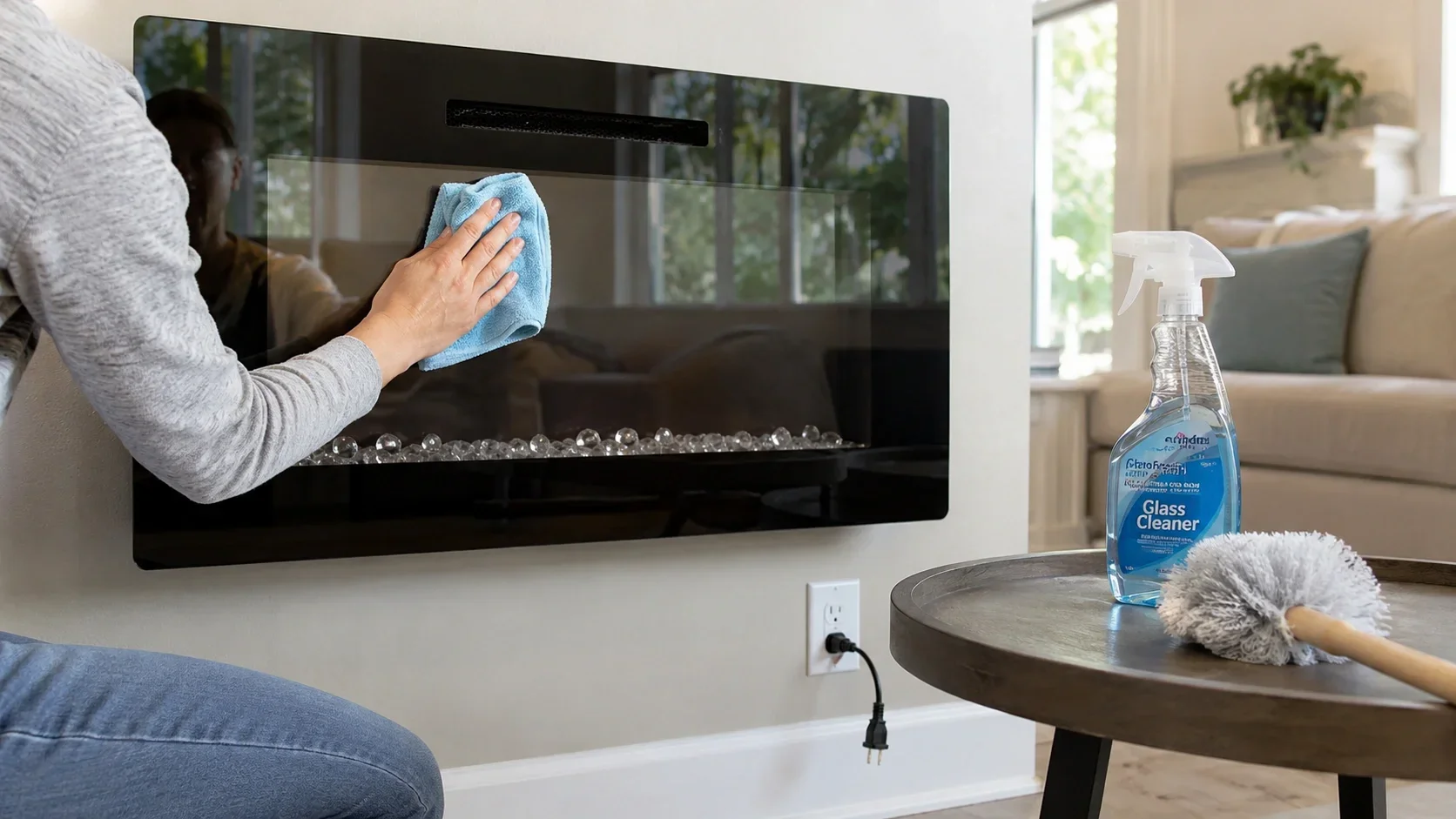
Glass Care
Clean the glass front with a glass cleaner and soft cloth when the unit is completely cool and unplugged. For stubborn residues, refer to how to clean fireplace glass for specific techniques. Avoid spraying cleaner directly onto the unit; instead, apply it to the cloth first.
Internal Component Maintenance
Periodically check for dust accumulation around the heating element and fan (if applicable). Use a vacuum with a brush attachment to gently remove dust from these components. If you notice unusual noises or reduced performance, consult the manufacturer's troubleshooting guide or our electric fireplace not heating resource.
Cord and Plug Inspection
Regularly inspect the power cord and plug for any signs of damage, fraying, or wear. If you notice any issues, discontinue use immediately and contact the manufacturer or a qualified electrician for repair or replacement.
Frequently Asked Questions
Yes, plug-and-play electric fireplaces can effectively heat small to medium-sized rooms (typically 400-1,000 square feet depending on the model). They work best as supplemental zone heaters rather than primary heat sources for entire homes. For more information on heating capabilities, see our article on whether electric fireplaces really heat a room.
Generally, it's not recommended to install standard electric fireplaces in bathrooms due to moisture concerns. However, some manufacturers offer models specifically rated for bathroom use with appropriate moisture protection. Always check the manufacturer's specifications and local building codes before installing in moisture-prone areas.
The operating tier depends on your electricity rate and how often you use the fireplace. On average, running a 1,500-watt electric fireplace for 8 hours falls within an entry-level to mid-range tier compared to other heating options. For detailed analysis, see our guide on electric vs gas fireplace running comparison.
While not ideal, you can use an extension cord if absolutely necessary. If you must use one, select a heavy-duty cord with the appropriate gauge (typically 14-gauge or thicker) and ensure it's rated for at least the same amperage as the fireplace requires. Never use lightweight household extension cords, which can overheat and create fire hazards.
Most plug-and-play electric fireplaces are designed to work with standard 120V household outlets. However, it's recommended to use a dedicated circuit if possible, especially for higher-wattage models. Avoid using outlets controlled by light switches, as accidentally turning off the switch will power down your fireplace.
Installation time varies by type: freestanding units can be set up in just 5-10 minutes, while wall-mounted models typically take 30-60 minutes depending on complexity. Fireplace inserts may take 1-2 hours if modifications to the existing fireplace are needed. For more details, see our guide on how long fireplace installation takes.
Ready to Install Your Electric Fireplace?
Now that you understand the installation process, explore our recommended plug-and-play electric fireplaces that combine easy installation with beautiful design and efficient heating.
VIEW RECOMMENDED FIREPLACES