
Gas Fireplace Inspection: Complete Safety Guide
Learn exactly what a professional gas fireplace inspection covers, how to perform basic safety checks yourself, inspection costs, and warning signs that demand immediate attention.
MAINTENANCE GUIDE →Why This Matters: A gas fireplace that isn't properly inspected can silently leak carbon monoxide, develop gas line faults, or experience venting failures that put your entire household at risk. Annual professional inspection isn't just a recommendation — it's a critical safety requirement that protects your family and preserves your fireplace's efficiency. This guide walks you through everything you need to know about gas fireplace inspection, from what professionals check to what you can safely inspect on your own.
Why Gas Fireplace Inspection Is Critical
A gas fireplace provides warmth and ambiance, but it also introduces combustion byproducts, pressurized gas lines, and high-temperature components into your living space. Without regular inspection, small issues — a cracked seal, a misaligned burner, or a partially blocked vent — can escalate into serious hazards.
According to the Consumer Product Safety Commission, gas appliances contribute to thousands of carbon monoxide poisoning incidents annually in the United States. Many of these cases stem from poorly maintained or uninspected equipment. A thorough annual fireplace inspection catches these problems before they become dangerous.
Beyond safety, regular inspection keeps your fireplace running efficiently. A gas fireplace with a dirty burner or blocked vent works harder, consumes more fuel, and delivers less heat — increasing your running costs while reducing comfort. Inspections also protect your warranty, as most manufacturers require documented annual service to keep coverage valid.
What a Professional Gas Fireplace Inspection Covers
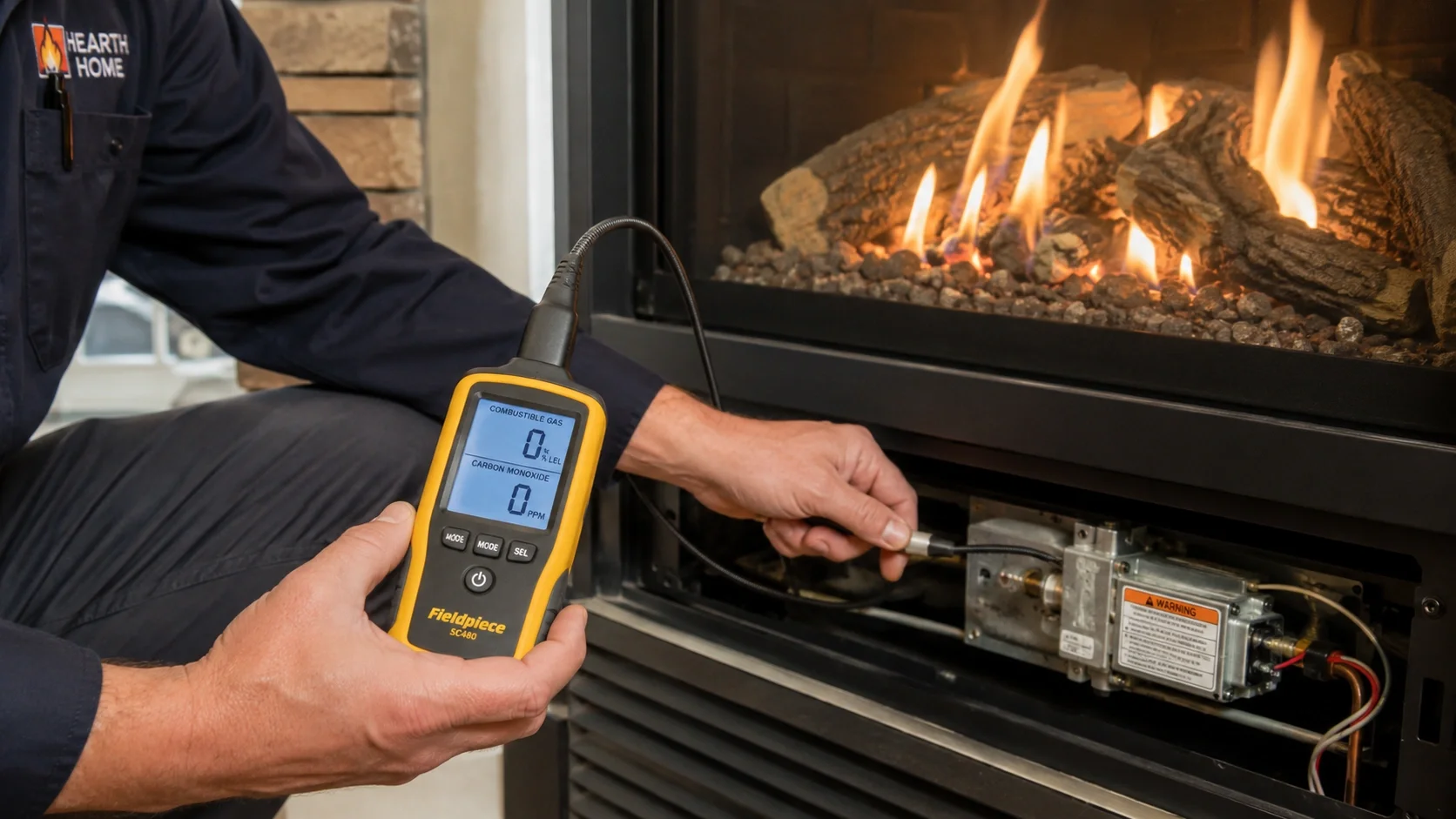
A certified gas fireplace technician follows a systematic checklist that covers every component affecting safety and performance. Understanding what they inspect helps you know what you're paying for and what questions to ask. Here's a detailed breakdown:
🔥 Gas Line & Connections
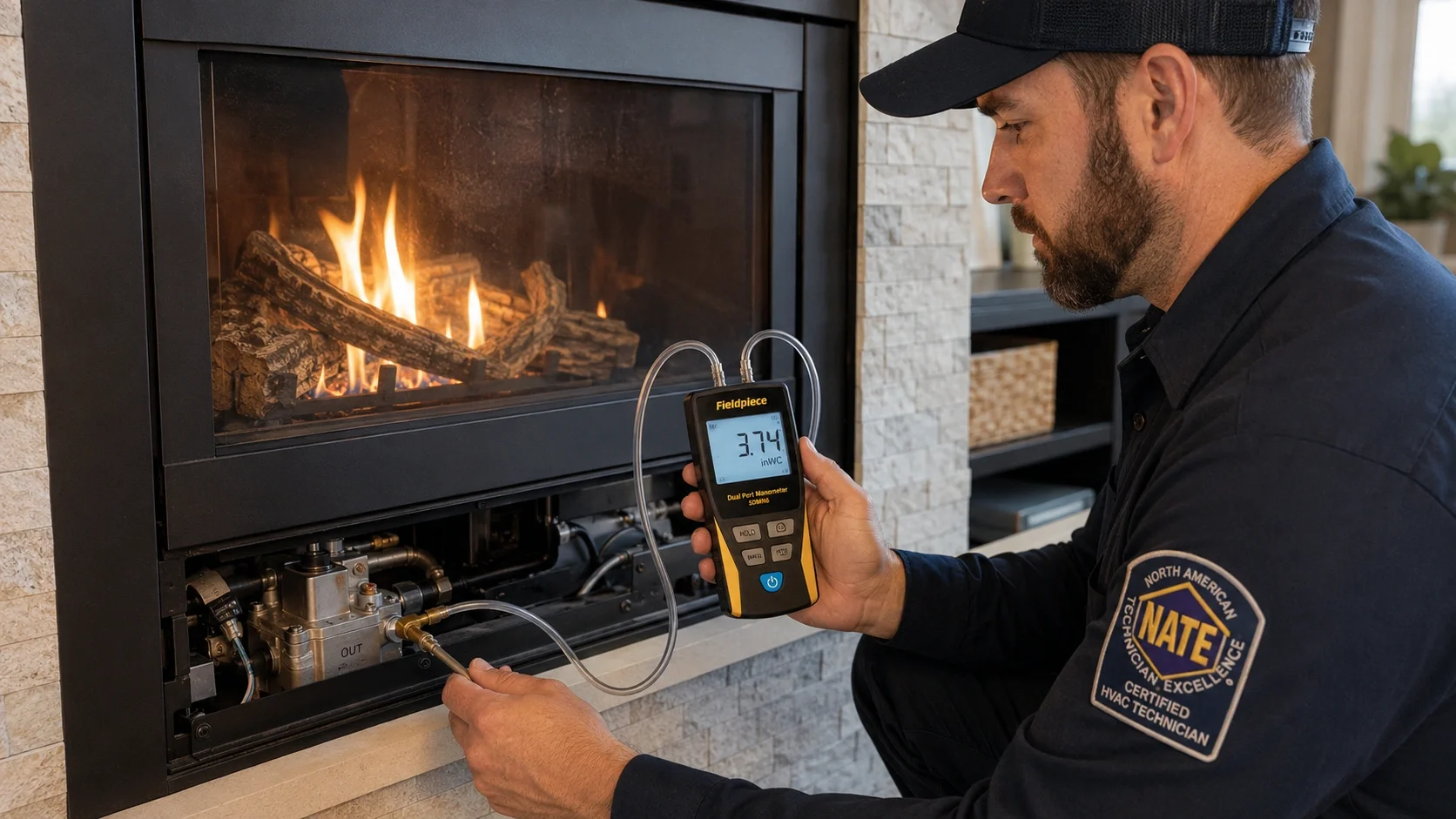
- Gas supply line pressure test
- Shut-off valve operation and accessibility
- Flexible connector condition and kinks
- Leak detection at all fittings using gas detector solution
- Gas line material compliance with local codes
🔥 Burner & Ignition System
- Burner alignment and flame pattern
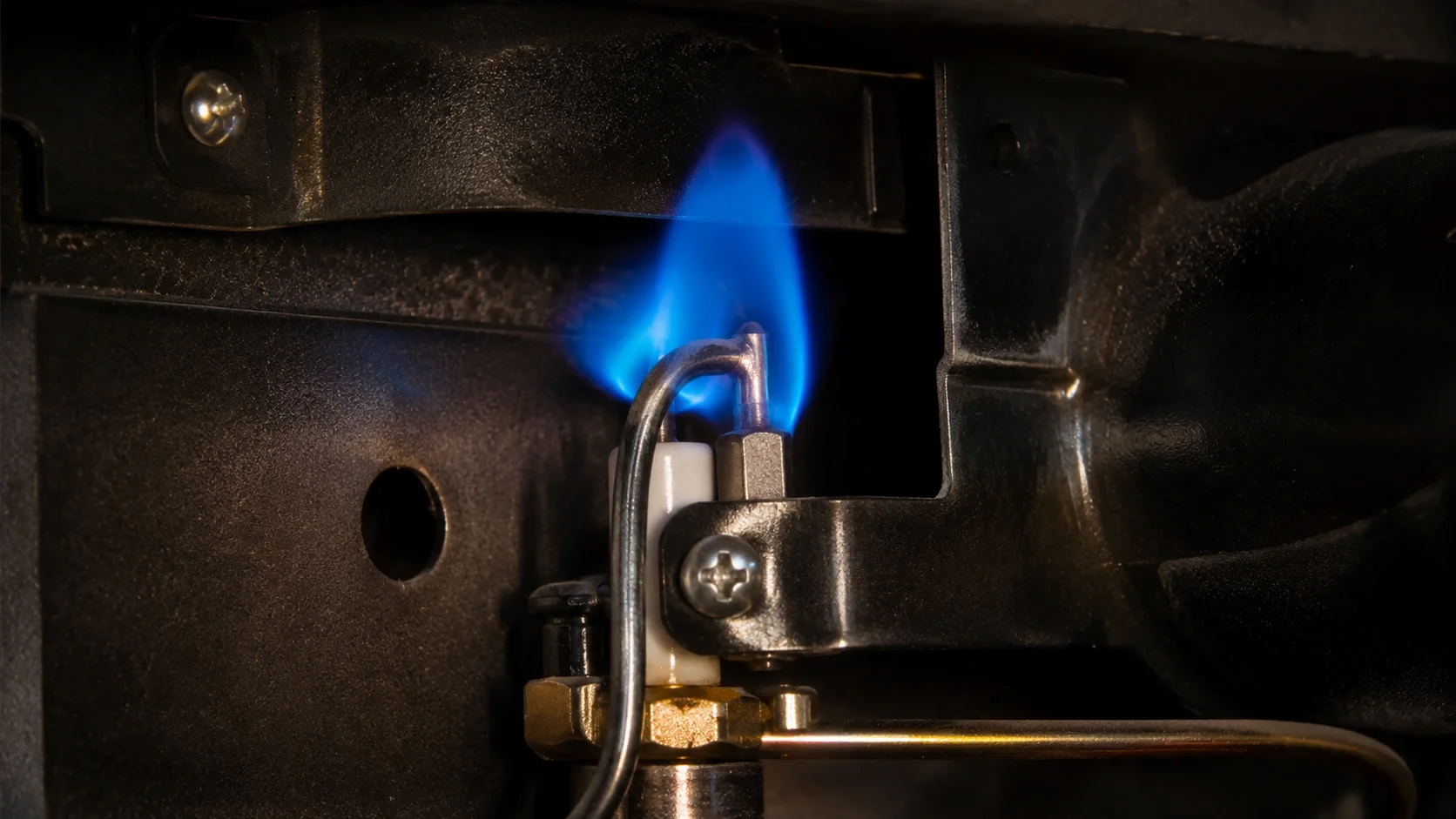
- Pilot light flame size and color (should be blue)
- Thermocouple/thermopile voltage output
- Ignition spark strength and reliability
- Ember bed and log placement correctness
🔥 Venting System
- Flue and vent pipe integrity
- Clearance to combustible materials
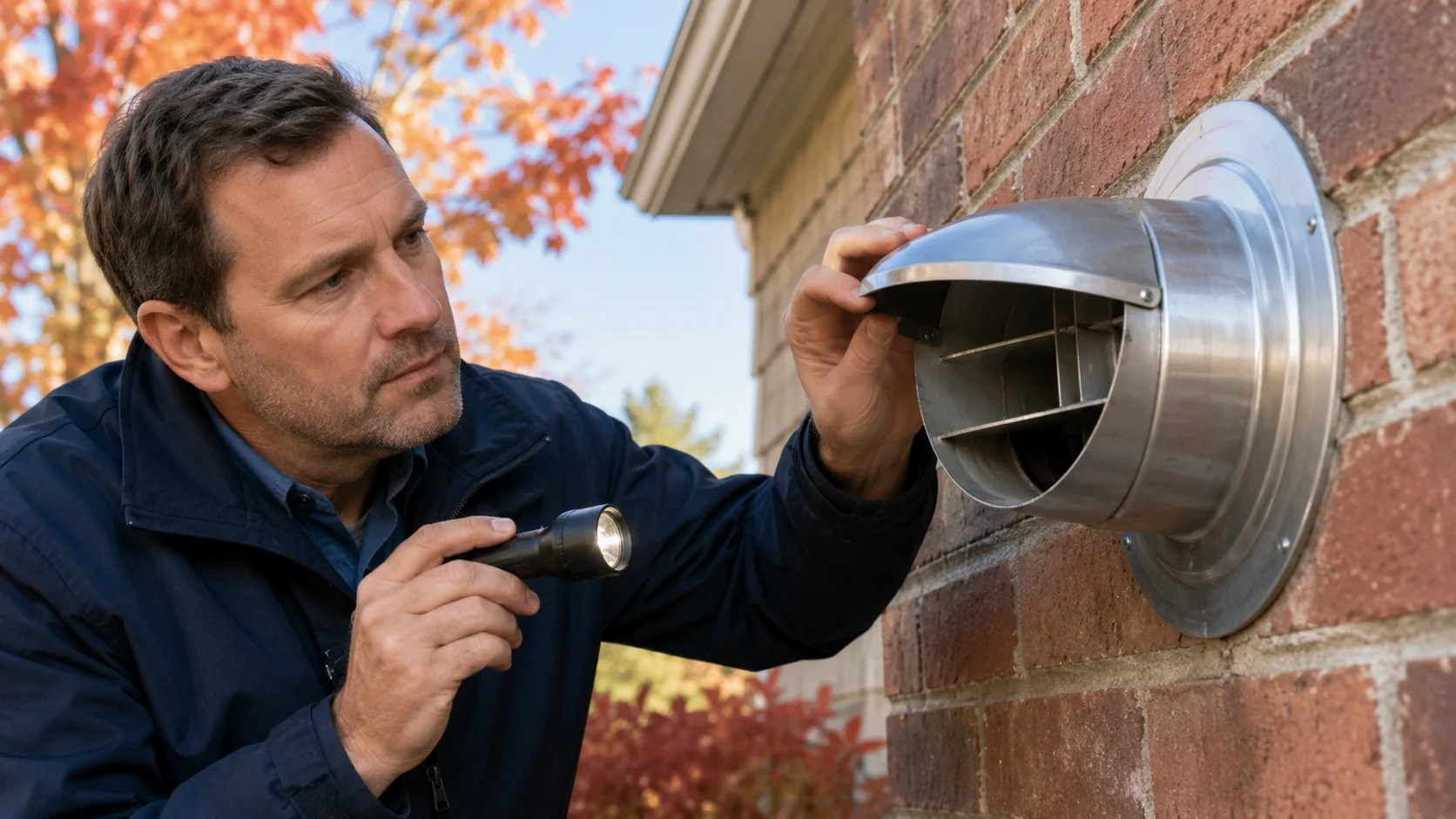
- Vent termination cap condition
- Proper draft and exhaust flow
- Blockages from debris, nests, or snow
🔥 Safety Controls & Components
- Carbon monoxide detector functionality
- Spill switch / flame rollout sensor
- High-limit switch operation
- Thermostat and remote control response
- Glass door seal and gasket integrity
💡 Pro Tip: Venting Matters Most
Whether your gas fireplace uses a direct vent, B-vent, or vent-free system, the venting inspection is arguably the most critical part of the process. Blocked or damaged vents can force carbon monoxide back into your home. Learn the differences in our vented vs ventless gas fireplace comparison to understand how inspection needs differ by vent type.
DIY Gas Fireplace Inspection Checklist
While a professional inspection is essential annually, you should also perform basic visual and operational checks throughout the heating season. These DIY checks don't replace professional service, but they help you catch problems early between scheduled visits.
⚠️ Safety Warning
Never attempt to disassemble gas valves, modify gas lines, or adjust internal burner components yourself. These tasks require specialized tools and certification. If you smell gas at any point, leave your home immediately and call your gas company or 911. Learn more about carbon monoxide warning signs from fireplaces.
Visual Check of the Glass Door & Seal
Examine the glass door for cracks, chips, or cloudiness that won't clean off. Check the gasket seal around the glass — if you see gaps, fraying, or areas where the seal has compressed flat, it needs replacement. A compromised seal allows combustion byproducts to leak into the room. If you notice condensation between glass panels, the seal has failed. See our guide on condensation inside fireplace glass for more details.
Inspect the Pilot Light & Flame Pattern
Turn on your fireplace and observe the flame. A healthy gas flame should be primarily blue with small yellow tips. If the flame is entirely yellow, orange, or flickering erratically, this indicates incomplete combustion — a potential carbon monoxide risk. The pilot light should also be a steady blue flame. If your pilot light keeps going out, the thermocouple may need replacement.
Check for Unusual Odors & Sounds
During operation, pay attention to any unusual smells. A faint gas odor when the unit is off signals a potential leak. A burning or metallic smell during operation could indicate overheating components. Clicking sounds that persist beyond ignition, whistling, or rumbling noises warrant professional investigation. Our gas fireplace noise troubleshooting guide covers common causes and solutions.
Test the Carbon Monoxide Detector
Every home with a gas fireplace should have a carbon monoxide detector installed within 10 feet of the fireplace, in addition to one on each floor and near bedrooms. Press the test button to confirm it's functioning, and replace batteries annually. If your detector is more than 5–7 years old, replace the entire unit. Learn about the warning signs in our carbon monoxide safety guide.
Examine the Exterior & Surround
Check the area around your fireplace for signs of heat damage — discolored walls, peeling paint, or warped materials near the unit indicate excessive heat transfer. Inspect your fireplace surround and mantel for gaps or deterioration. Ensure furniture and combustible items maintain proper distance per our furniture clearance guide.
Verify Thermostat & Remote Operation
Test your wall thermostat and remote control to ensure the fireplace responds correctly to on/off commands and temperature adjustments. If the fireplace shuts off unexpectedly or the thermostat doesn't seem accurate, the issue could be with the thermopile, thermostat wiring, or control module. See our thermostat troubleshooting guide for diagnostic steps.
Clean the Glass & Inspect the Burner Area
When the fireplace is completely cool and turned off, clean the interior glass using a non-abrasive fireplace glass cleaner. While the glass is removed, visually inspect the burner area for soot buildup, debris, or damaged ceramic logs. Excessive soot indicates incomplete combustion. For detailed cleaning instructions, visit our guide on how to clean fireplace glass and how to clean a gas fireplace burner.
Professional vs DIY Gas Fireplace Inspection
Understanding the boundary between what you can safely check yourself and what requires a certified technician is essential. While DIY visual inspections are valuable for catching obvious problems between professional visits, they cannot replace the comprehensive testing that a trained professional performs with specialized equipment.
| Inspection Area | DIY Check | Professional Inspection |
|---|---|---|
| Glass Door & Seal | Visual inspection for cracks and seal integrity | Pressure test seal, gasket replacement if needed |
| Flame Pattern | Observe color and behavior during operation | Gas pressure analysis, air shutter adjustment |
| Gas Lines | Smell test only (if you smell gas, call 911) | Manometer pressure testing, leak detection solution at all fittings |
| Venting System | Check exterior vent cap for visible blockages | Draft test, full flue inspection, code compliance verification |
| Thermocouple | Observe if pilot stays lit | Millivolt output reading with multimeter |
| Safety Switches | Test basic on/off function | Verify each switch trips at correct threshold |
| CO Detector | Press test button | Verify placement, sensitivity, and compliance with codes |
| Burner Assembly | Visual check through glass for soot or debris | Disassemble, clean, realign, test gas orifice flow rate |
💡 When to Choose Professional Over DIY
- Your fireplace is under warranty that requires professional service documentation
- You notice gas odors, yellow flames, or soot production
- The fireplace is more than 10 years old and hasn't been inspected recently
- You're preparing to sell your home and need a certified inspection report
- Your direct vent or B-vent system shows signs of backdrafting
Gas Fireplace Inspection Cost Guide
The cost of a gas fireplace inspection varies based on your location, fireplace type, and whether additional repairs or cleaning are needed. Below are the typical price ranges you can expect:
Additional costs may apply if your technician discovers issues during the inspection. Common add-on costs include thermocouple replacement ($50–$150), gas valve replacement ($150–$350), vent pipe repair ($200–$600), and glass door gasket replacement ($40–$100). For a broader perspective on what you might spend maintaining your fireplace, see our fireplace maintenance cost guide.
If you're comparing long-term ownership expenses between different fuel types, our gas vs electric fireplace comparison and propane vs natural gas fireplace guide provide detailed cost breakdowns that include inspection and maintenance.
How Often Should You Inspect Your Gas Fireplace
The National Fire Protection Association (NFPA) and most fireplace manufacturers recommend a professional inspection at least once per year. However, the ideal frequency depends on how heavily you use your fireplace and other factors:
Annual inspection is the minimum standard for all gas fireplaces, regardless of usage level. Schedule this before the heating season begins — typically early fall — so any issues are resolved before you rely on the fireplace for warmth. Our fall fireplace inspection checklist helps you prepare for this visit.
Bi-annual inspection is recommended if your gas fireplace serves as a primary heat source during winter months, your unit is more than 15 years old, or you have a ventless gas fireplace that requires closer monitoring of combustion quality.
Immediate inspection is necessary if you notice any warning signs (detailed in the next section) or after significant events like a chimney fire, earthquake, major storm damage, or home renovation near the fireplace. For the complete timeline of maintenance tasks throughout the year, refer to our monthly and yearly maintenance schedule.
Between professional inspections, perform your own visual checks monthly during the heating season. A quick 5-minute check of the flame, glass, and area around the fireplace can catch developing problems early. Use our DIY fireplace inspection checklist as a reference.
Warning Signs You Need an Immediate Inspection
Certain symptoms indicate potentially dangerous conditions that require immediate professional attention — don't wait for your next scheduled inspection if you observe any of these:
Gas Smell
Even a faint gas odor near your fireplace warrants immediate action. Leave the house and call your gas company. See what to do if your fireplace smells like gas.
Yellow or Flickering Pilot Light
A pilot light that burns yellow instead of blue indicates incomplete combustion and possible CO production. Our gas fireplace won't light guide covers related issues.
Soot Buildup
Black soot on the glass, logs, or around the fireplace indicates incomplete combustion. This is a serious safety concern that requires immediate attention.
Weak or Uneven Flames
Flames that are shorter on one side, flickering excessively, or noticeably weaker than usual may signal a burner issue. Learn more in our weak flame troubleshooting guide.
Unusual Noises
Rumbling, whistling, or persistent clicking sounds beyond normal ignition cycles can indicate gas flow problems or failing components. Visit our fireplace noise guide.
Unexpected Shutdown
If your fireplace turns itself off during normal operation, a safety switch may be triggering due to overheating or a sensor malfunction. Also see if your fireplace won't turn off.
⚠️ Carbon Monoxide Emergency
If your CO detector alarms, anyone experiences headaches, dizziness, nausea, or confusion while the fireplace is operating, turn off the fireplace immediately, open windows, evacuate the home, and call 911. Carbon monoxide is odorless, colorless, and can be lethal within minutes at high concentrations. Read our comprehensive guide on carbon monoxide signs from fireplaces to protect your family.
How to Prepare for a Gas Fireplace Inspection
Preparing for your inspection appointment ensures the technician can work efficiently and thoroughly. Follow these steps before they arrive:
- Turn off the fireplace at least 2 hours before the appointment so all components are cool to the touch
- Clear the area around the fireplace — remove décor, furniture, and rugs within 3 feet of the unit
- Ensure the technician has clear access to the gas shut-off valve and electrical outlet
- Make a list of any issues you've noticed: unusual sounds, odors, flame behavior, or error codes
- Locate and provide your fireplace's make, model, and serial number (usually on a plate inside the control compartment)
- If your fireplace vents through a chimney, clear any obstructions from the chimney cap area
- Have your previous inspection report available if this isn't your first service with the company
- Plan to be present during the inspection so the technician can explain findings and demonstrate any issues
If your fireplace hasn't been inspected in over a year, you may want to combine the gas fireplace inspection with a chimney inspection and potentially a chimney cleaning if the flue has accumulated debris. Many companies offer package deals that reduce the combined cost compared to booking each service separately.

Finding a Qualified Gas Fireplace Inspector
Not all fireplace service providers have the same qualifications. When choosing an inspector, look for specific certifications and experience to ensure your gas fireplace receives a proper evaluation:
Certifications to look for: The National Fireplace Institute (NFI) certification is the gold standard for gas fireplace technicians in the United States. NFI-certified specialists have passed rigorous testing on gas appliance installation, venting, and safety. Other recognized credentials include Chimney Safety Institute of America (CSIA) certification for chimney-related components and state-licensed gas fitter qualifications.
Questions to ask before hiring: Are you NFI certified for gas appliances? Do you carry liability insurance? What does your standard inspection include? Will you provide a written report? Do you service my fireplace brand? What is the total cost, and does it include minor cleaning? A reputable technician will answer these questions confidently and provide references if asked.
Red flags to avoid: Technicians who quote prices without seeing your fireplace, those who pressure you into immediate expensive repairs, or anyone unwilling to provide a written inspection report. Also be cautious of companies that only perform chimney sweeps — they may not have the specialized gas appliance training your gas fireplace requires. For related services, our guide on when to call a chimney sweep helps clarify which professional to contact for specific issues.
What Happens After the Inspection
A thorough gas fireplace inspection should conclude with a detailed written report covering three areas: what was checked, what passed, and what needs attention. Here's how to handle the results:
If everything passes: File the inspection report with your fireplace documentation. This serves as proof of maintenance for warranty claims and home resale disclosures. Schedule next year's inspection before the technician leaves — many companies offer a discount for advance booking. Follow the seasonal maintenance checklist to keep your fireplace in top condition between inspections.
If minor issues are found: Items like a worn gasket, minor soot accumulation, or a pilot light adjustment are typically resolved during the inspection visit. Ask the technician to show you the problem and explain the fix. Get a cost estimate for any repairs that can't be completed on the spot.
If major issues are found: Gas leaks, cracked heat exchangers, failed safety switches, or venting problems that allow combustion byproducts into the home are serious. The technician may red-tag your fireplace, meaning it must not be operated until repairs are made. Don't take this lightly — a red-tagged gas appliance is a genuine safety hazard. For a broader look at long-term costs you might face, visit our hidden costs of owning a fireplace guide.
After any repairs are completed, ask the technician to re-inspect the repaired components to confirm the issue is fully resolved. Document everything — photos of problems, repair invoices, and the final clearance report — for your records and future reference.
Frequently Asked Questions
A professional gas fireplace inspection typically costs between $100 and $300, depending on your location, fireplace type, and whether repairs are needed. Annual service contracts that include inspection and cleaning range from $200 to $450. Additional repair costs vary — a thermocouple replacement adds $50–$150, while a gas valve replacement can cost $150–$350.
Gas fireplaces should be professionally inspected at least once per year, ideally before the heating season begins. If you use your fireplace as a primary heat source or notice any warning signs like unusual odors or weak flames, schedule an inspection immediately. Ventless gas fireplaces may benefit from twice-yearly inspections due to their indoor air quality considerations.
You can perform basic visual checks like inspecting the glass door, observing the flame color, testing your CO detector, and checking for visible damage or odors. However, internal components like gas valves, burner assemblies, and venting systems require a certified professional with specialized tools such as manometers and gas leak detectors. DIY checks supplement — but never replace — professional inspections.
Warning signs include a yellow or flickering pilot light, unusual odors like gas or burning smells, soot buildup on glass or logs, weak or uneven flames, strange noises during operation, the fireplace shutting off unexpectedly, or condensation inside the glass. If you notice any of these symptoms, stop using the fireplace and schedule a professional inspection right away.
No. A gas fireplace inspection focuses on gas lines, valves, burners, ignition systems, and venting connections. A chimney inspection examines the flue liner, masonry, and structural integrity of the chimney itself. If your gas fireplace vents through a chimney, both inspections are recommended since they address different safety concerns. Many companies offer combined inspection packages.
A standard gas fireplace inspection takes approximately 45 to 90 minutes, depending on the complexity of your unit and whether any issues are discovered. If the technician needs to perform cleaning or minor repairs during the visit, expect the appointment to take 1.5 to 2.5 hours.
Most homeowners insurance policies do not cover routine inspections or maintenance. However, if an inspection reveals damage caused by a covered peril (like a storm damaging the vent), subsequent repairs may be covered. Regular documented inspections can actually help your insurance claim if a fireplace-related incident occurs, as they demonstrate responsible maintenance.


