
Electric Fireplace Buzzing Noise: Why It Happens & How to Fix It
A quiet, cozy ambiance is the whole point of an electric fireplace. When an annoying buzz, hum, or rattle intrudes, we'll help you silence it for good with this expert troubleshooting guide.
START DIAGNOSING NOWPeace and Quiet Restored: A buzzing electric fireplace is almost never a safety hazard, but it ruins the calming effect you paid for. The fix is often simpler than you think, and we’ll walk you through every possible cause step-by-step. If your unit is beyond repair, we also have recommendations for premium, virtually silent modern electric fireplaces.
What Causes an Electric Fireplace to Buzz or Hum?
An electric fireplace creates heat and flame effects using a combination of a heating element, a quiet blower, and a flame motor with spinning LED lights. A healthy unit should produce little more than a soft, warm airflow whisper. When a noticeable buzzing, humming, or vibrating noise emerges, it points to a specific mechanical issue. This is distinct from problems like an electric fireplace not heating, where the heat function fails entirely, or a flame effect malfunction. Here, the unit works but makes an unpleasant sound.
The most common culprits are a vibrating access panel, a failing flame motor, or debris in the blower fan. Loose internal hardware can also create a symphony of rattles. Before you consider a replacement, a systematic check can often restore the silent operation you expect from a modern unit. Understanding the difference between a motor hum and a loose-panel vibration is key to a quick fix.
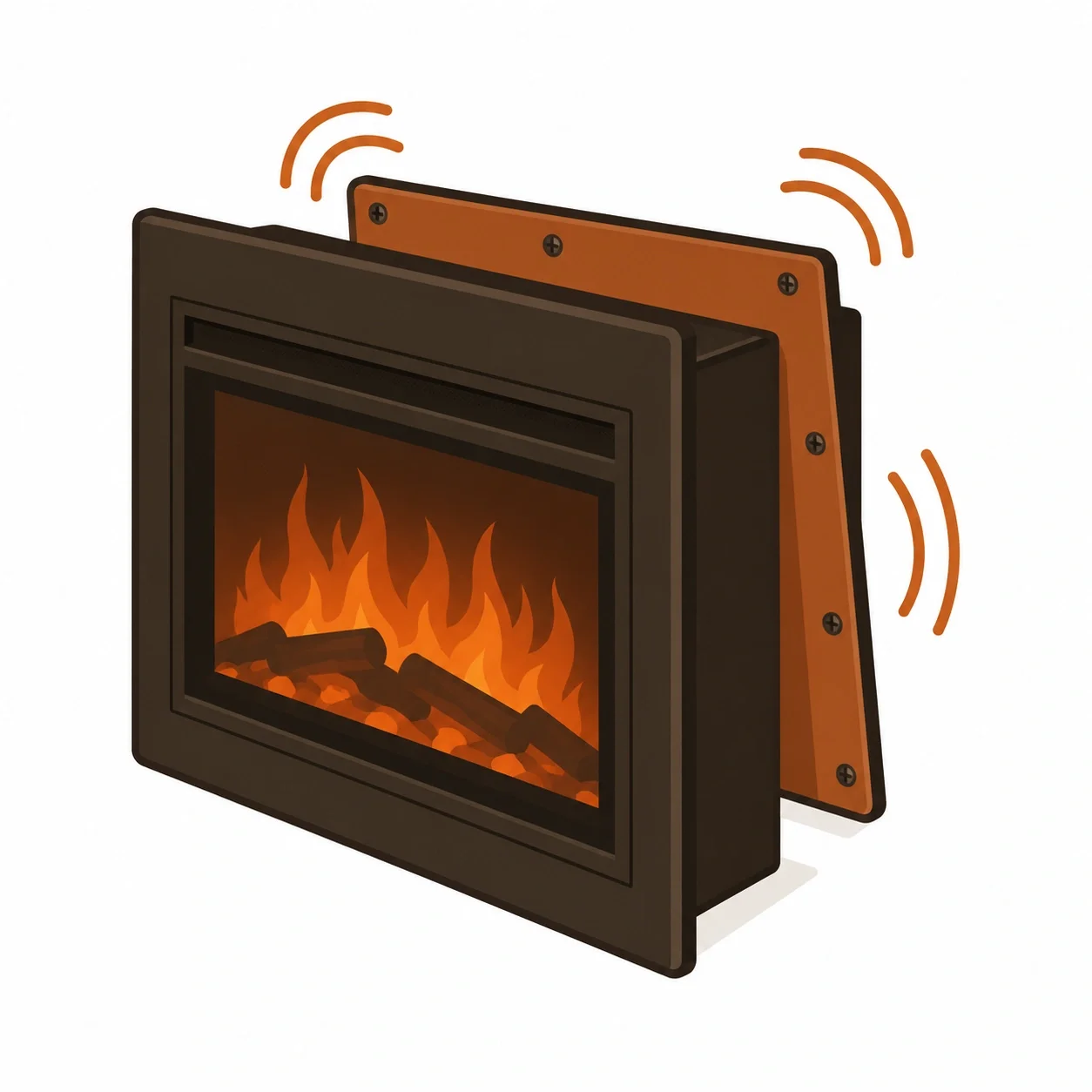
1. Vibrating Access Panels
The most frequent and easiest fix. A loose rear metal panel vibrates against the frame, creating a loud, low-frequency hum that can fill a room.
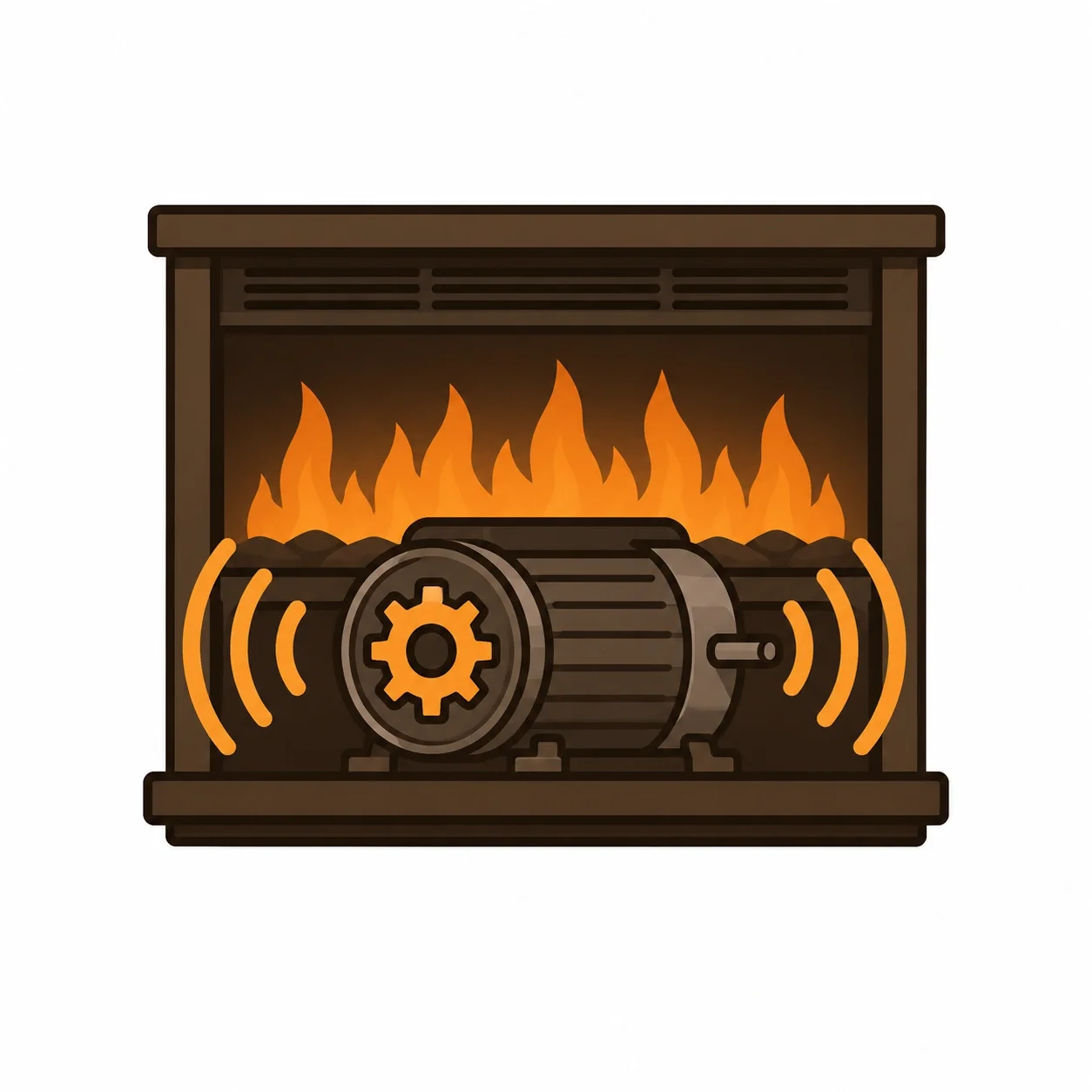
2. Failing Flame Motor
A distinct clicking or higher-pitched buzz synchronized with the flickering flame often means the small motor is worn out or its mounting is loose.
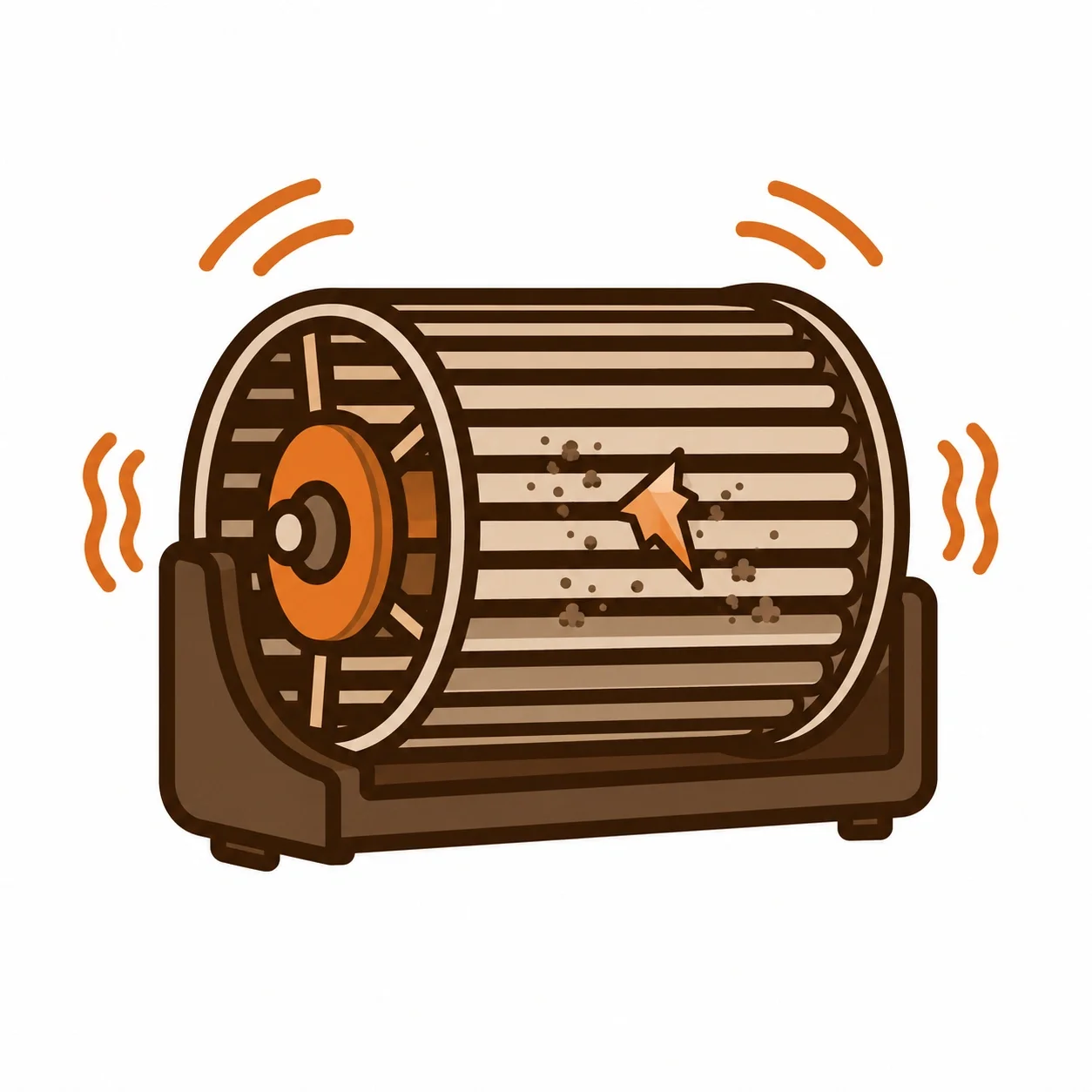
3. Dirty or Obstructed Blower
Dust, pet hair, or a foreign object on the blower wheel can unbalance it, causing a rhythmic hum that changes with the heat setting.
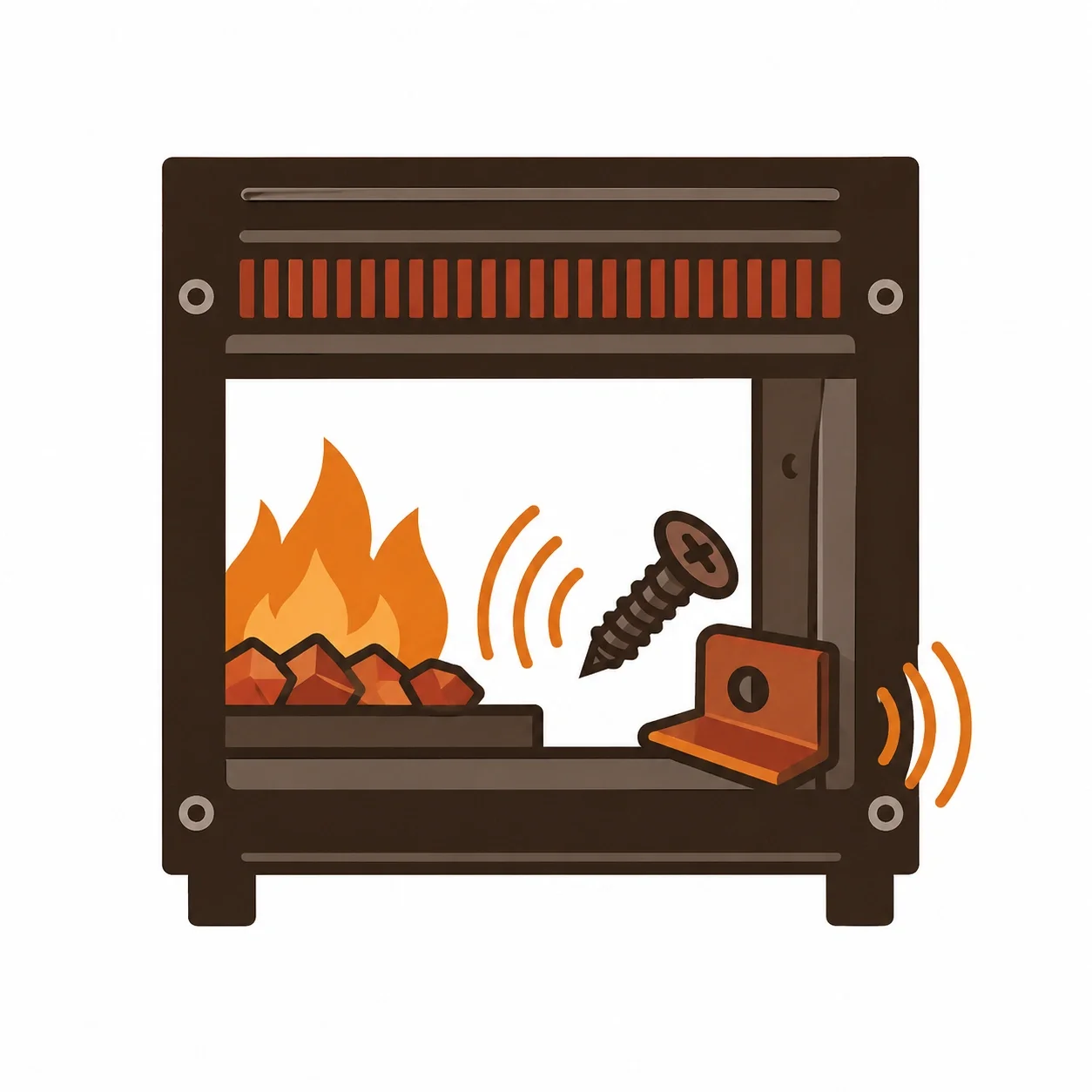
4. Loose Internal Hardware
Screws, brackets, or even the heating element itself can loosen over time. The vibration from normal operation then causes a metallic rattle.
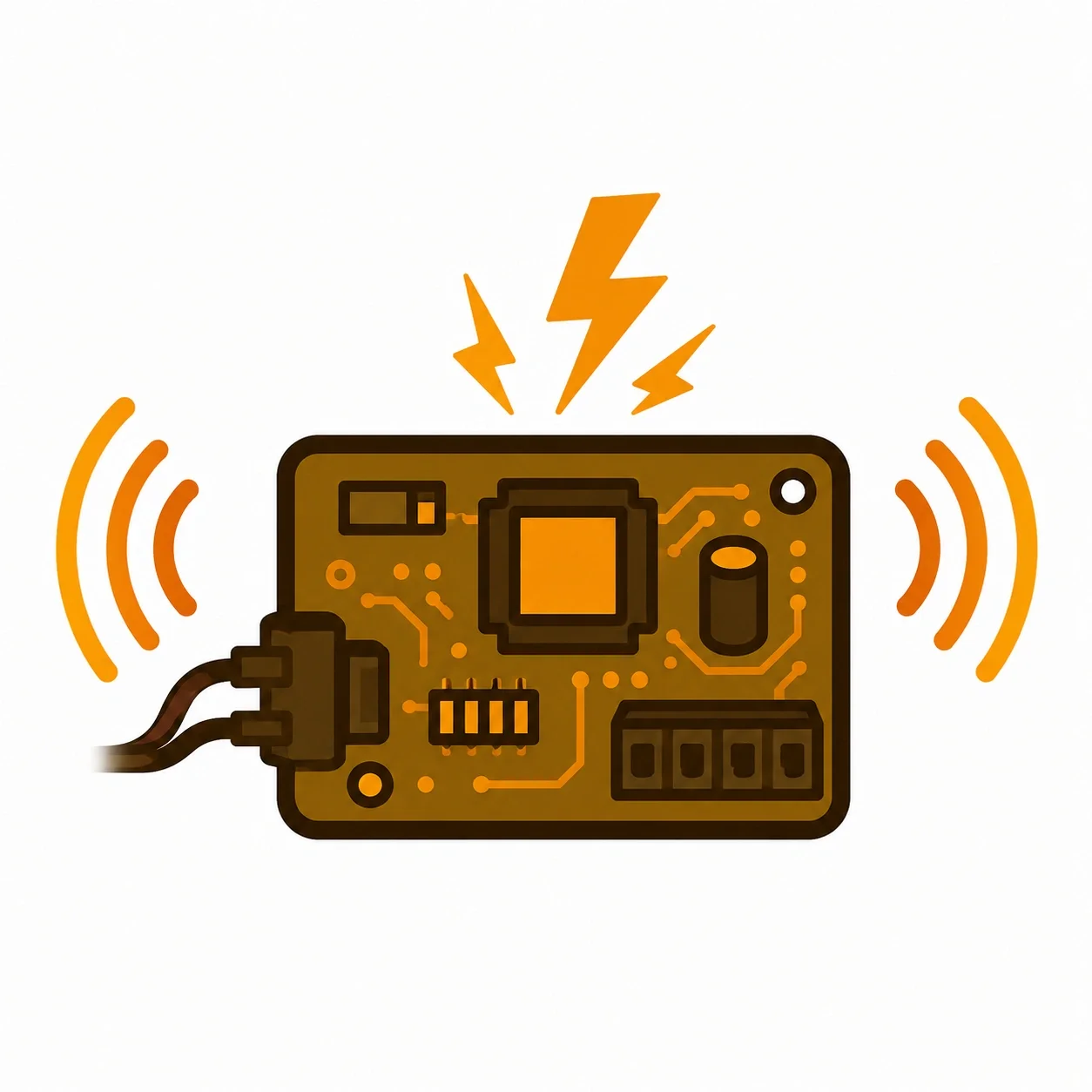
5. Electrical Hum or Ballast
A steady 60Hz mains hum, unaffected by fan or flame speed, can come from the main control board or a failing capacitor.
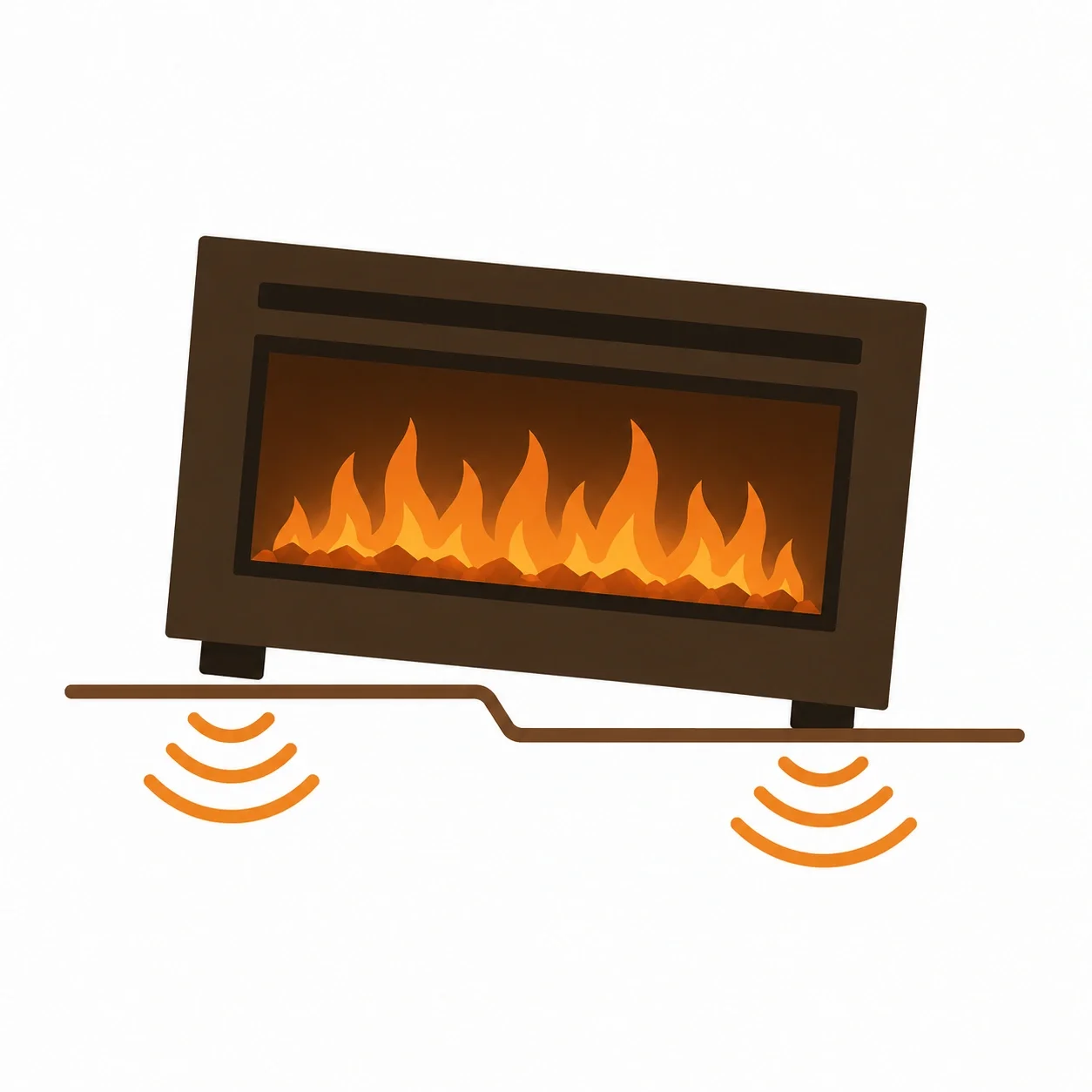
6. Unlevel Mounting Surface
If the unit isn't perfectly level, even minor vibrations from the motor can resonate through the floor, wall, or fireplace mantel.
Top Quiet Electric Fireplaces to Solve Buzzing for Good
⚠️ AFFILIATE DISCLOSURE: This website contains affiliate links. As an Amazon Associate, we earn from qualifying purchases. If you make a purchase through these links, we may receive a small commission at no additional cost to you. Read our full affiliate policy.

Tehanld 60" Ultra-Thin Electric Fireplace Heater, Recessed Wall Mounted
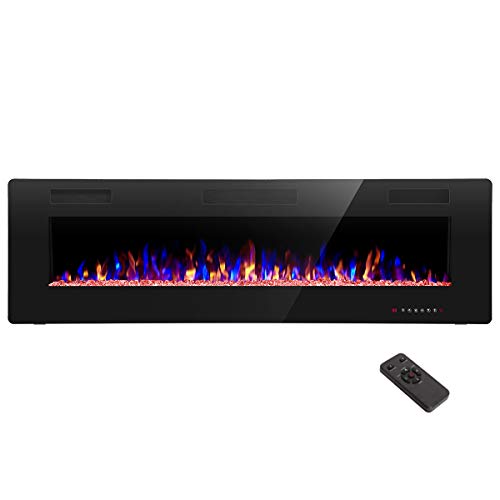
R.W.FLAME 60" Recessed and Wall Mounted Electric Fireplace, Low Noise, Fit for 2 x 6 Stud, Remote Control with Timer, Touch Screen, Adjustable Flame Color and Speed, 750-1500W

Electric Fireplace Stove with 3D Flame Effect, 1000/1500W & Flame-Only Mode

Silonn Electric Fireplace Heater, Quick Heating Portable Fireplace with App & Remote,24″ Electric Corner Fireplace Low Noise with 5 Brightness Levels,Temp Control & Timer for Living Room,Bedroom,Black

Sweetcrispy Freestanding Electric Fireplace Heater, 26” Indoor Fireplace with 3D Flame Effect, Overheating Safe Design, Energy Saving Space Heater with 12H Timer&Remote for Living Room, Bedroom, Black
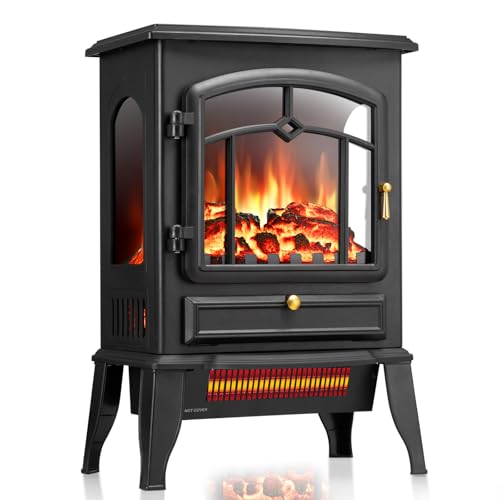
Electric Fireplace Stove with 3D Flame Effect, 1000/1500W & Flame-Only Mode

duraflame Freestanding Electric Fireplace Stove Heater with 3D Flame Effect for 1,000 Sq. Ft. Room, Black
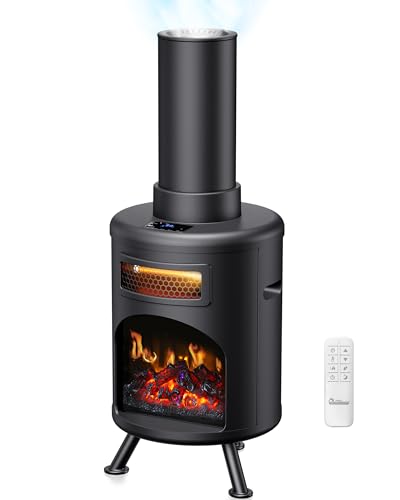
DR. INFRARED HEATER DR-991 Portable Electric Fireplace Space Heater w/Humidifier & Remote, Infrared Heat, 3D Flame Effect, Timer, Quiet, 1500W, ETL Listed, Freestanding, LED Display
Step-by-Step Guide to Fix the Buzzing Noise
Before you begin any disassembly, unplug the fireplace from the wall outlet or turn off the dedicated circuit breaker. Safety is paramount, and these steps are for diagnosing and fixing a noisy but otherwise functional unit. If your unit is also tripping the breaker, read our guide on an electric fireplace tripping the breaker as that indicates a more serious electrical fault. If you need a new remote after troubleshooting, you can find a fireplace remote control replacement here.
-
1
Isolate the Noise Source
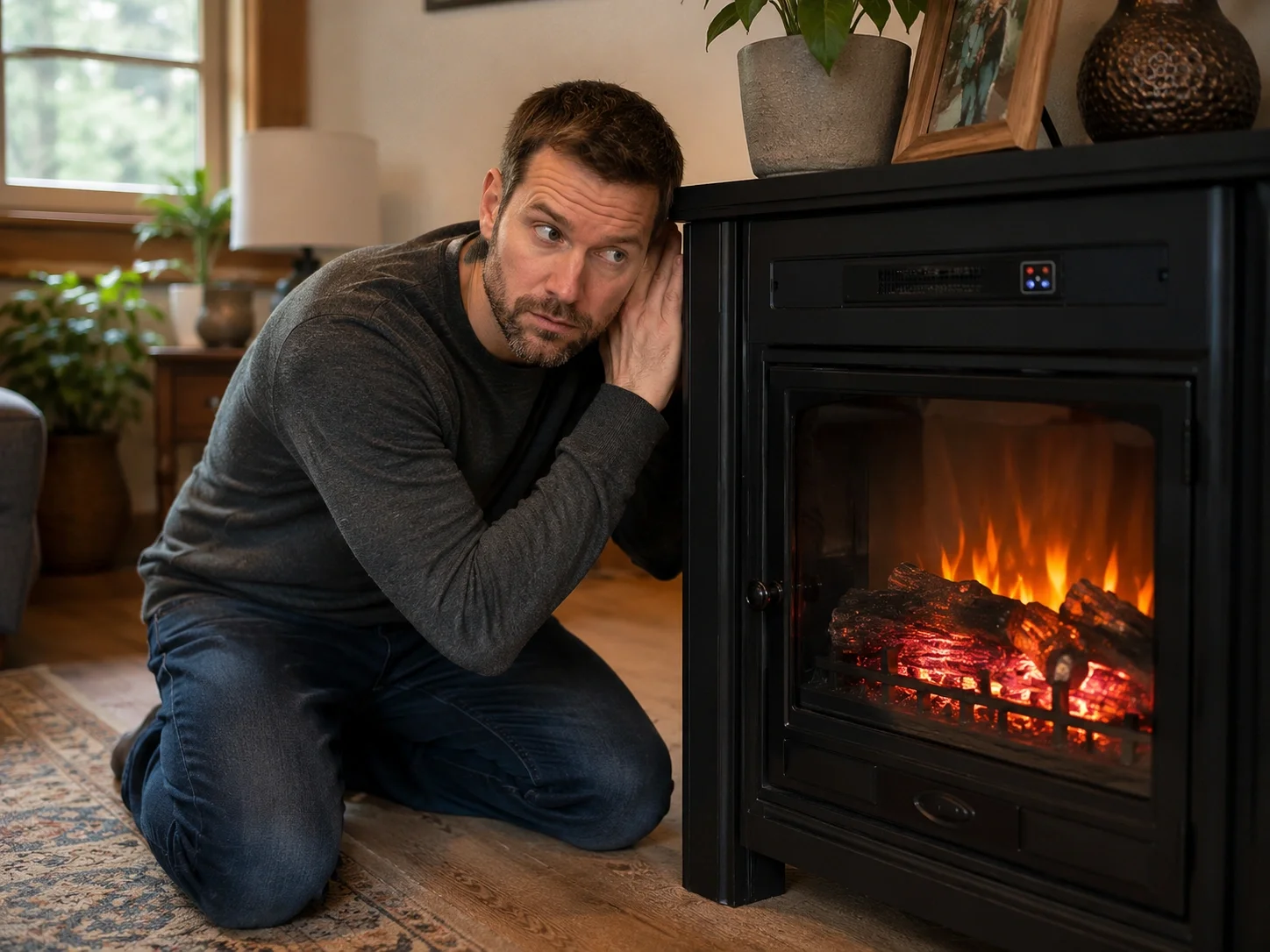
First, identify when the buzz occurs. Run the flame effect without the heater. If the noise persists, the flame motor or a bulb is the source. Turn on the heater without the flame. A noise only present with heat points directly to the blower fan. A constant noise regardless of settings suggests a panel vibration or a mains hum.
-
2
Tighten and Dampen Access Panels
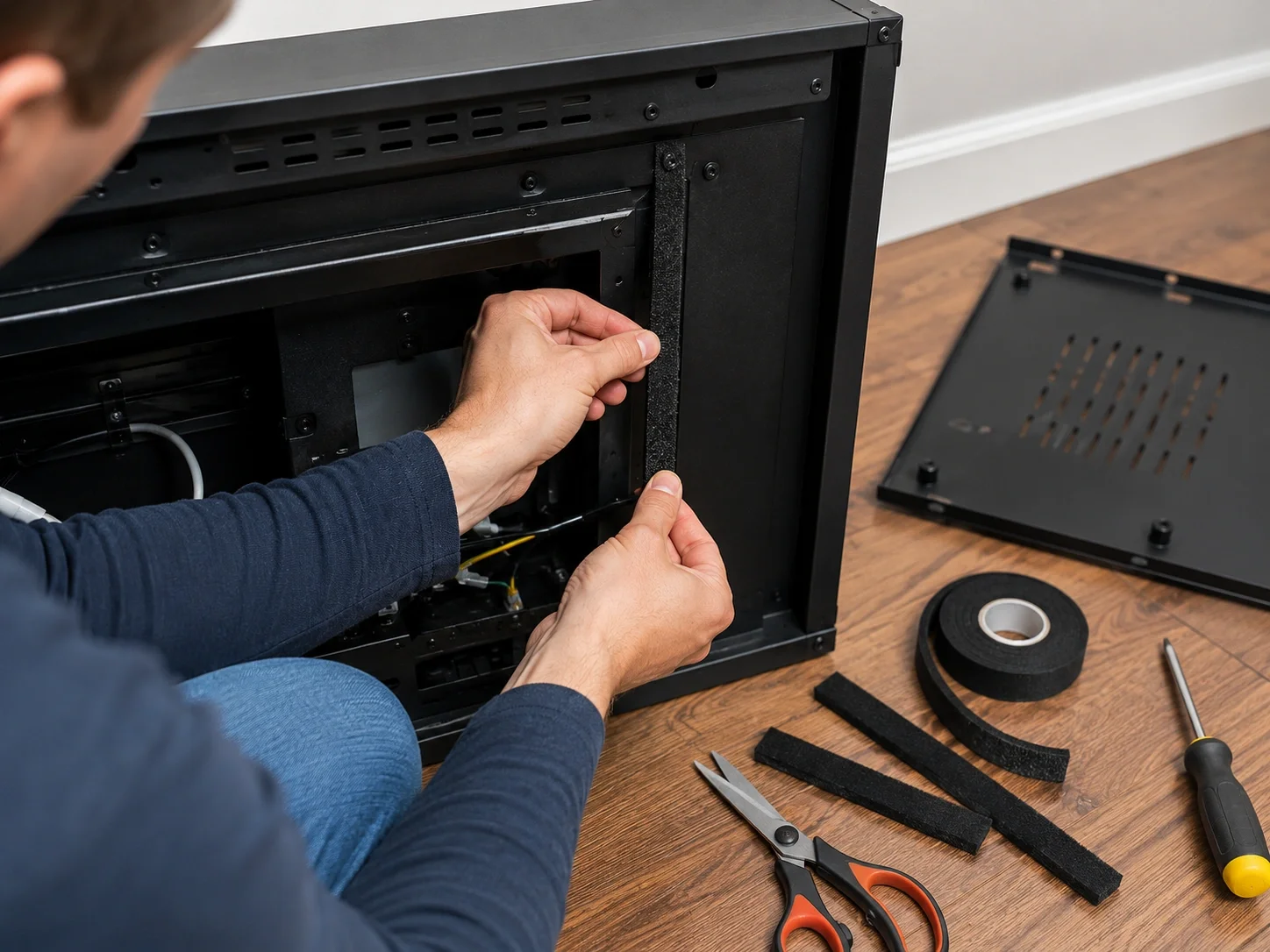
Remove the rear access panel. Inspect the thin metal lip; this is often the culprit. Apply adhesive felt pads or foam weather-stripping tape along the frame where the panel makes contact. Tighten any securing screws. When you reattach the panel, this added dampening prevents metal-on-metal vibration. This single step solves over half of all humming complaints.
-
3
Inspect and Clean the Blower Motor
With the rear panel off, locate the cylindrical blower motor/fan assembly. This is part of the heating component, often near the bottom. Use a vacuum cleaner with a brush attachment and a can of compressed air to carefully remove all dust and hair from the blower wheel fins. Built-up debris unbalances the fan, which is a primary cause of humming during heat mode. Check if the mounting bolts for the blower are tight.
-
4
Examine the Flame Motor and Rod
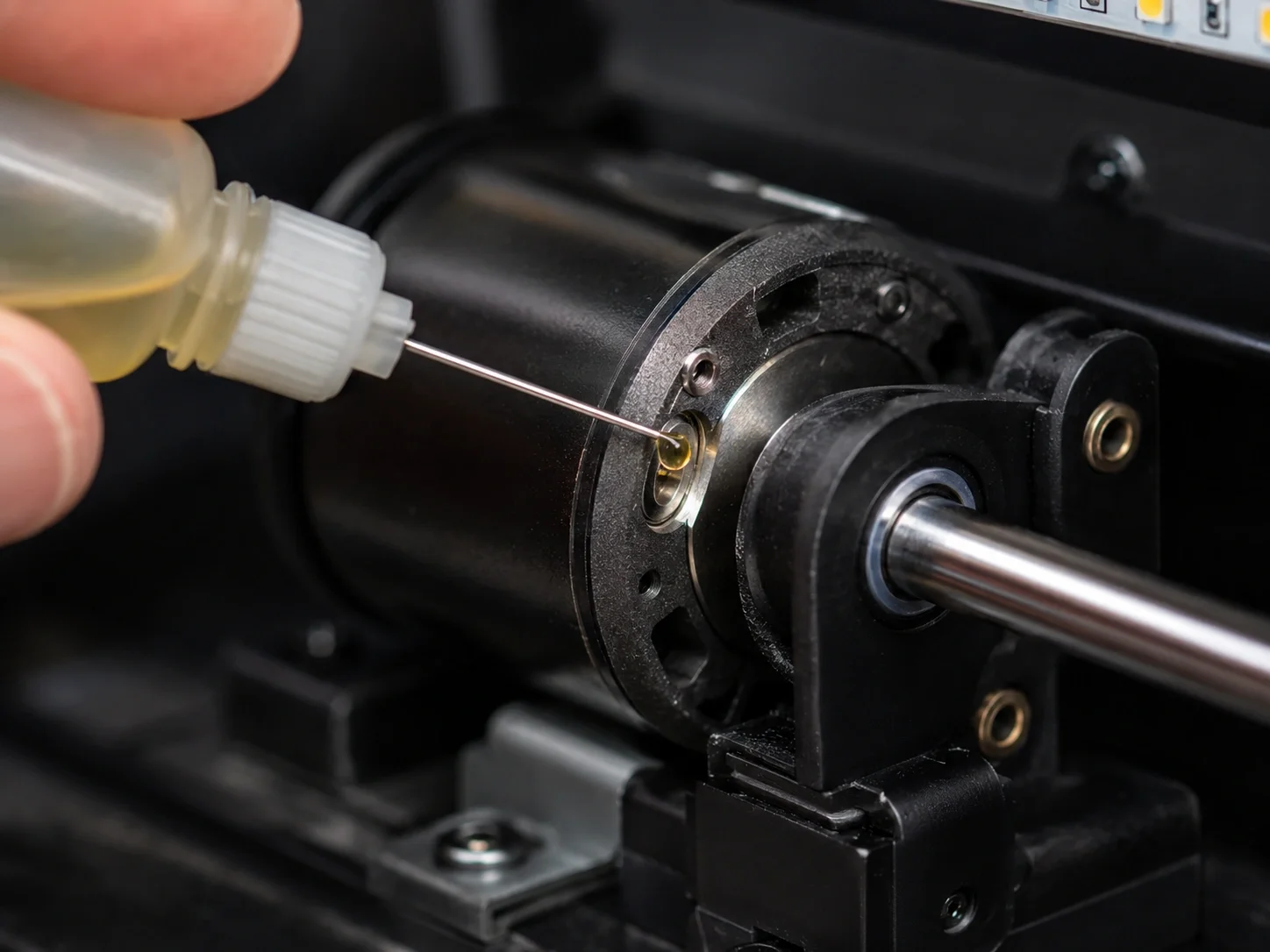
Behind the log set or glass front, a small synchronous motor spins a reflective rod or disc to create the flickering effect. If this motor buzzes, first ensure its rubber mounting grommets aren't cracked or missing. If the mounting is secure, the motor itself may be failing. Replacing it is a cost-effective repair ($15–$30) compared to replacing the whole unit. The rod itself may also just need a tiny drop of plastic-safe lubricant at its bearing points.
-
5
Secure All Internal Components
Gently but methodically, press on internal metal brackets, the heating element housing, and wiring harnesses. If pressing on a spot makes the noise disappear, you've found it. Tighten the nearest screw or use a high-temperature zip tie to secure loose wiring. A loose screw can be secured with a drop of threadlocker. A complete check prevents a recurring fireplace making noise issue down the line.
-
6
Check the Unit's Level
Place a spirit level on top of the fireplace. If it's not perfectly flat, tiny imbalances in the fan or motor become amplified. For freestanding units, adjust the feet. For a wall-mounted fireplace, you may need to loosen the mounting bracket slightly and insert shims. The difference in noise level can be dramatic after leveling.
Repair Cost vs. Buying a New Quiet Fireplace
If you've performed these steps and a loud mechanical buzz persists from the main blower motor, you're at a decision point. A replacement motor assembly can cost $80–$180 plus labor. For an entry-level unit, this might not make economic sense. Modern mid-range to premium units, especially those with advanced infrared heating technology, are often significantly quieter than older fan-forced models.
| Solution | Typical Cost | Best For |
|---|---|---|
| DIY Panel Dampening | $5–$15 | Humming or low-frequency vibration from the casing. |
| Flame Motor Replacement | $15–$30 | Unit in good condition but with a flickering, buzzing flame effect. |
| Blower Fan Deep Clean | $0 (DIY) | Noise that gets louder over time or only occurs with heat. |
| Professional Motor Repair | $120–$250 | High-end, expensive built-in units where repair is cheaper than replacement. |
| Replace with a Modern Quiet Unit | $350–$2,500 | Older units, or when the fan motor fails. New models have near-silent DC motors. |
For older units, an upgrade can provide not just silence but also energy savings. You can learn more about the long-term value in our electric vs. gas fireplace running costs comparison. To keep a new unit running silently for years, always follow the recommended electric fireplace maintenance schedule.
Need to Reset Your Unit After Repair? Sometimes after working on the internals, the electronics need a hard reset. Learn exactly how in our guide on how to reset an electric fireplace safely.
Still unsure if the noise is normal? A very slight electrical hum from the control board is inherent to all electronics. The problem sound is a new, distracting, or progressively worsening noise. If you've already checked for loose panels and given it a thorough clean, a professional inspection for your specific model is the next step. For those ready to enjoy a silent, cozy atmosphere without the hassle, the models below represent the quietest and most reliable units on the market today.