DIY Fireplace Blower Installation: Complete Guide
Transform your fireplace's heating efficiency with a DIY blower installation. Our comprehensive guide covers everything from selection to installation and maintenance.
GET STARTEDUnderstanding Fireplace Blowers
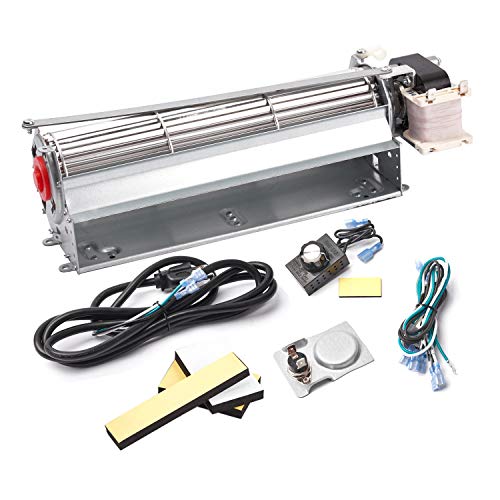
A fireplace blower is a fan system designed to circulate warm air from your fireplace into the room, significantly improving heating efficiency. Without a blower, much of the heat generated by your wood burning fireplace or gas fireplace is lost up the chimney. A properly installed blower can increase the heating capacity of your fireplace by up to 50%, making it a cost-effective upgrade for any home.

Unlike electric fireplaces that typically include built-in fans, traditional masonry and many prefabricated fireplaces require aftermarket blower installations. This DIY project is well within the capabilities of most homeowners with basic tools and mechanical aptitude, offering substantial savings over professional installation costs.
Benefits of Installing a Fireplace Blower
Improved Heating Efficiency
Circulate warm air throughout your room instead of losing it up the chimney, potentially reducing heating bills by 20-30%.
Faster Room Heating
Distribute heat quickly across larger spaces, reducing the time needed to warm up cold rooms significantly.
Reduced Energy Costs
Maximize the heat output from your existing fireplace, potentially allowing you to lower your thermostat and save on central heating costs.
Better Temperature Distribution
Eliminate hot spots near the fireplace and cold spots in corners by creating consistent air circulation throughout the room.
Increased Fireplace Value
Enhance the functionality and value of your existing fireplace without the cost of a complete replacement or renovation.
Quick DIY Project
Most installations can be completed in 2-4 hours with basic tools, providing immediate benefits with minimal time investment.
Types of Fireplace Blowers
Understanding the different types of fireplace blowers available will help you choose the right system for your specific fireplace and heating needs.
Tubular Blower Kits
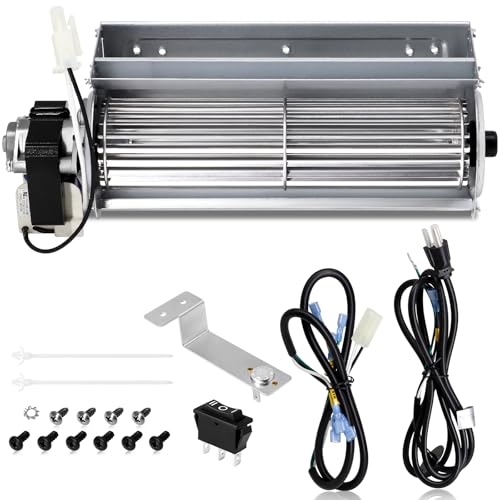
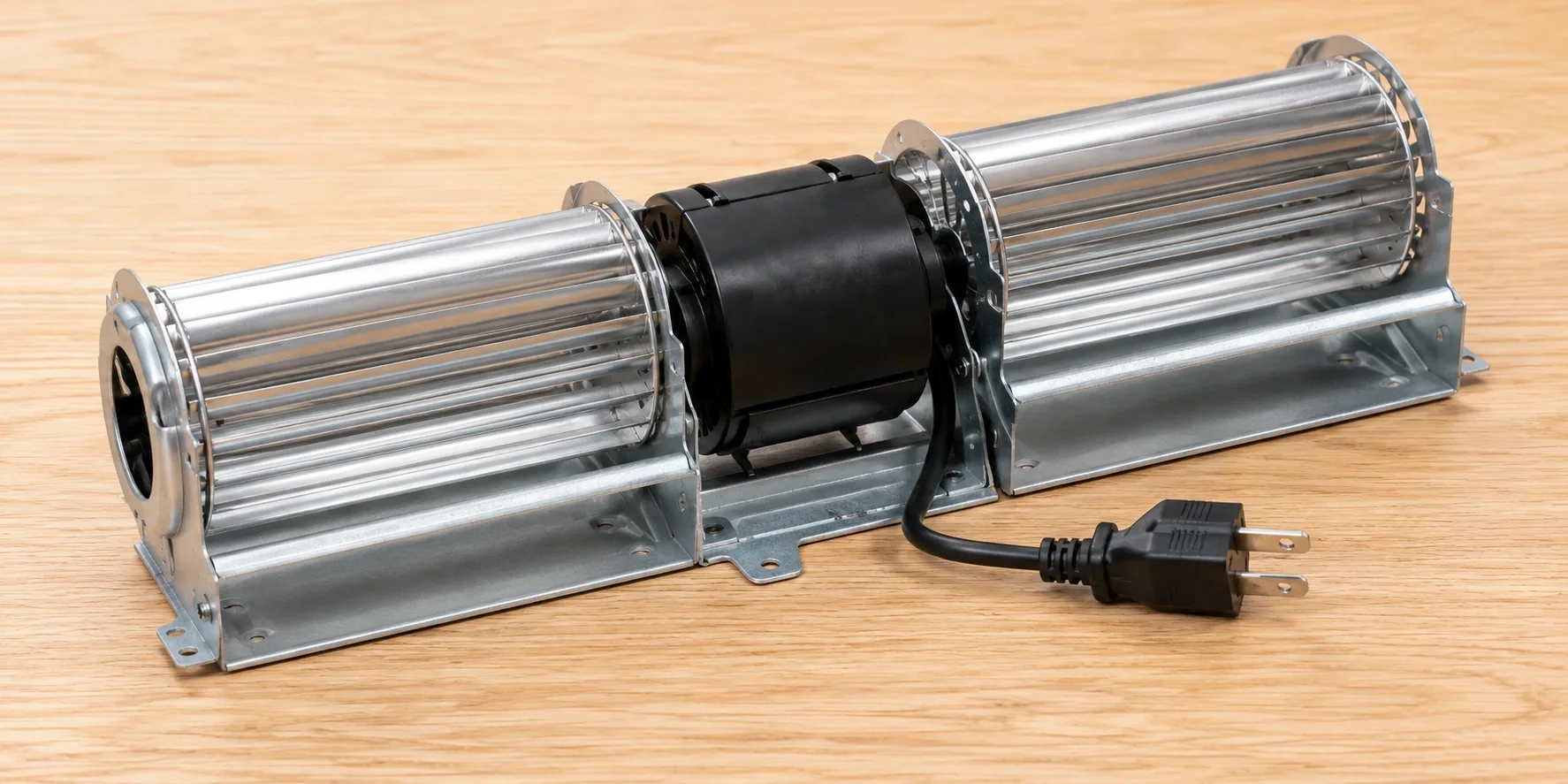
The most common type for fireplace inserts and prefabricated fireplaces. These consist of a fan motor attached to tubes that slip into existing channels in the fireplace. Price range: $50-$150.
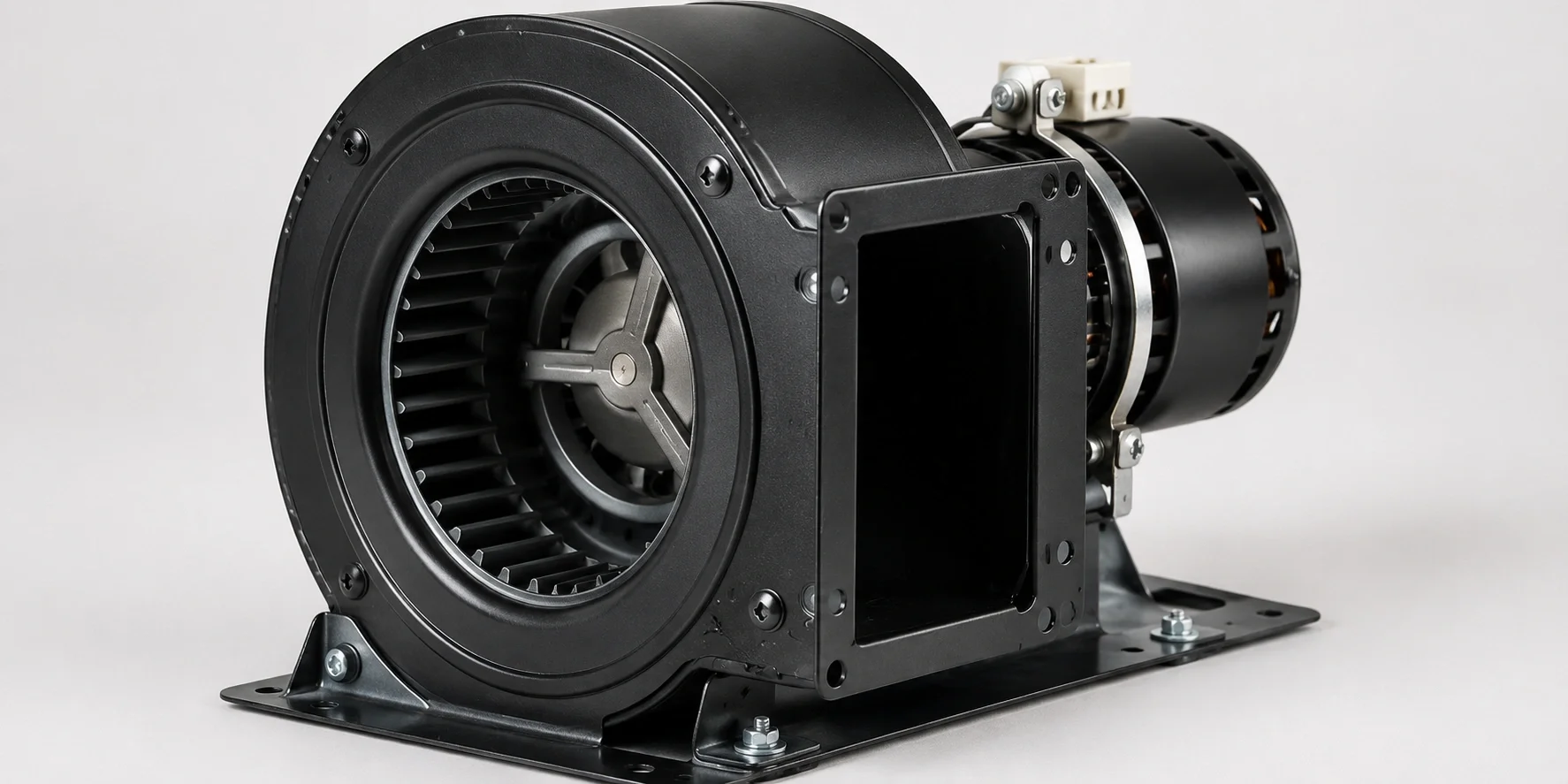
Centrifugal Blowers
More powerful than tubular types, these use a wheel-style fan to move larger volumes of air. Ideal for larger fireplaces and rooms. Price range: $100-$250.
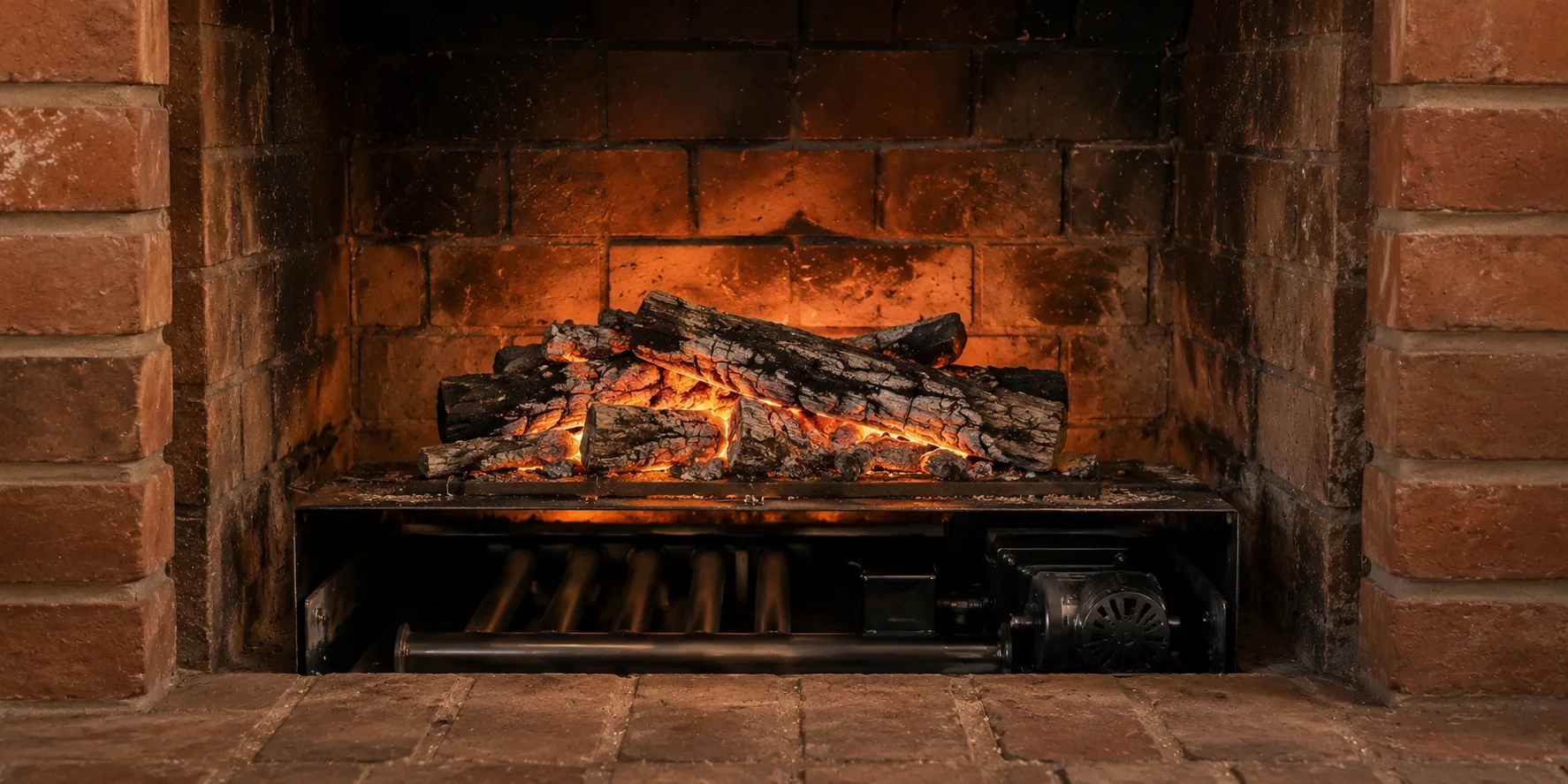
Masonry Fireplace Blowers
Designed for traditional brick or stone fireplaces, these often include a heat exchanger that mounts inside the firebox. Price range: $200-$500.
| Feature | Tubular | Centrifugal | Masonry |
|---|---|---|---|
| Airflow (CFM) | 75-150 | 150-300 | 200-400 |
| Noise Level | Low | Medium | Medium-High |
| Installation Difficulty | Easy | Moderate | Advanced |
| Best For | Prefab fireplaces | Large inserts | Traditional masonry |
| Typical Cost | $50-$150 | $100-$250 | $200-$500 |
Tools and Materials Needed
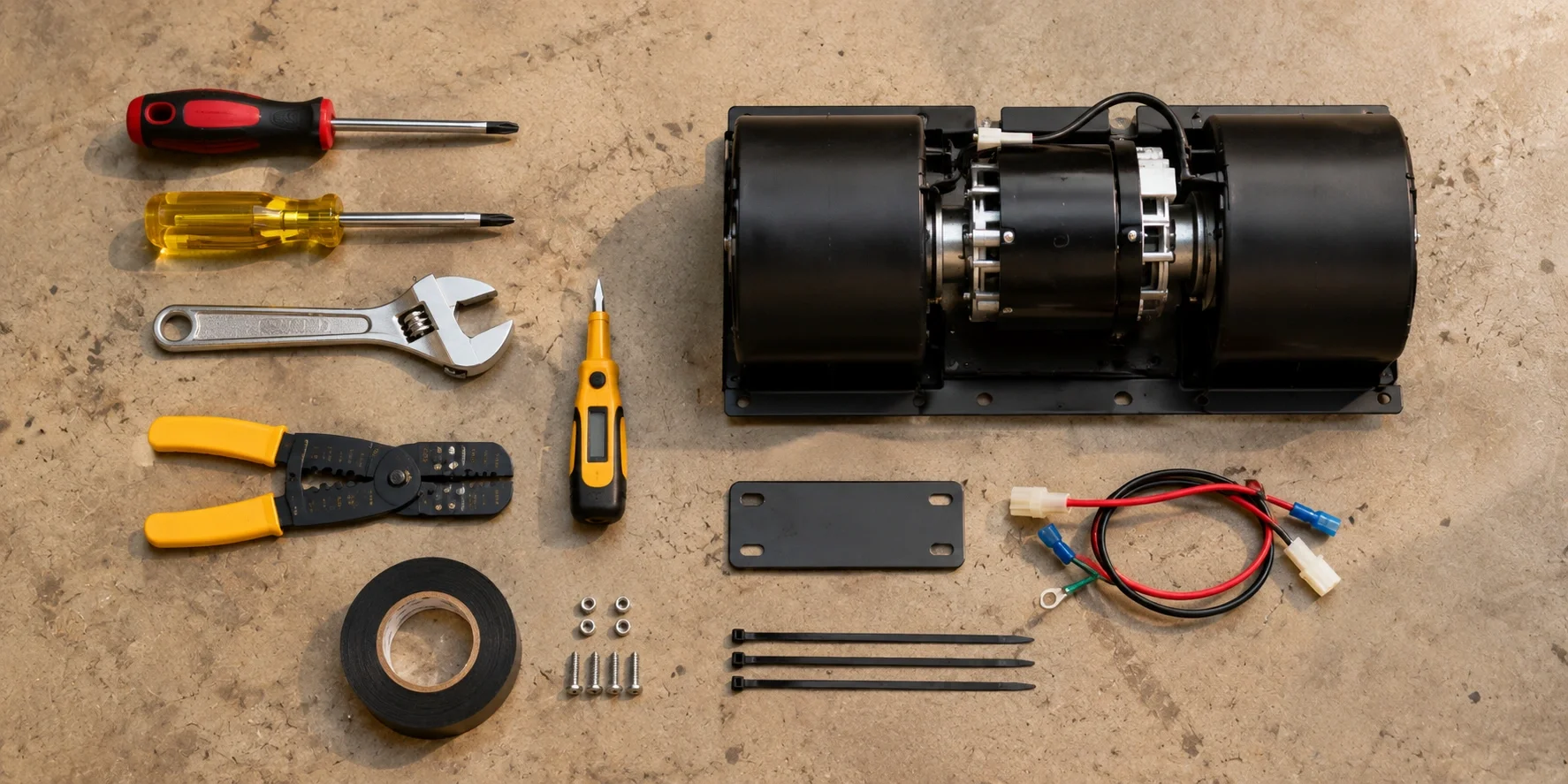
Before beginning your DIY fireplace blower installation, gather all necessary tools and materials. Having everything ready will streamline the process and prevent interruptions.
Essential Tools
- Screwdriver set (Phillips and flathead)
- Adjustable wrench or pliers
- Wire strippers and connectors
- Drill with appropriate bits
- Measuring tape
- Level
- Flashlight or work light
- Voltage tester
- Heat-resistant tape
- Safety glasses and work gloves
Materials and Components
- Fireplace blower kit (appropriate for your fireplace type)
- Thermostat control (if not included with kit)
- Electrical wire (14-gauge or as specified)
- Wire nuts and connectors
- Mounting hardware (screws, brackets)
- Heat-resistant caulk or high-temperature sealant
- Aluminum foil tape (for sealing gaps)
- Electrical conduit or wire loom
Step-by-Step Installation Process
Follow these detailed steps to install your fireplace blower safely and effectively. The process may vary slightly depending on your specific fireplace type and blower model, so always refer to the manufacturer's instructions.
Prepare the Fireplace
Ensure the fireplace is completely cool before beginning. Remove any screens, doors, or accessories that might obstruct access. Clean out any ash or debris from the firebox and the area where the blower will be installed. This is also a good time to inspect your fireplace for any damage or needed repairs.
Locate the Blower Mounting Area
For prefab fireplaces and inserts, look for the pre-designed blower outlet at the bottom rear of the unit. This will typically have louvers or a removable panel. For masonry fireplaces, you'll need to identify where to install the heat exchanger tubes—usually at the sides or back of the firebox. Measure the available space to ensure your blower kit will fit properly.
Install the Blower Unit
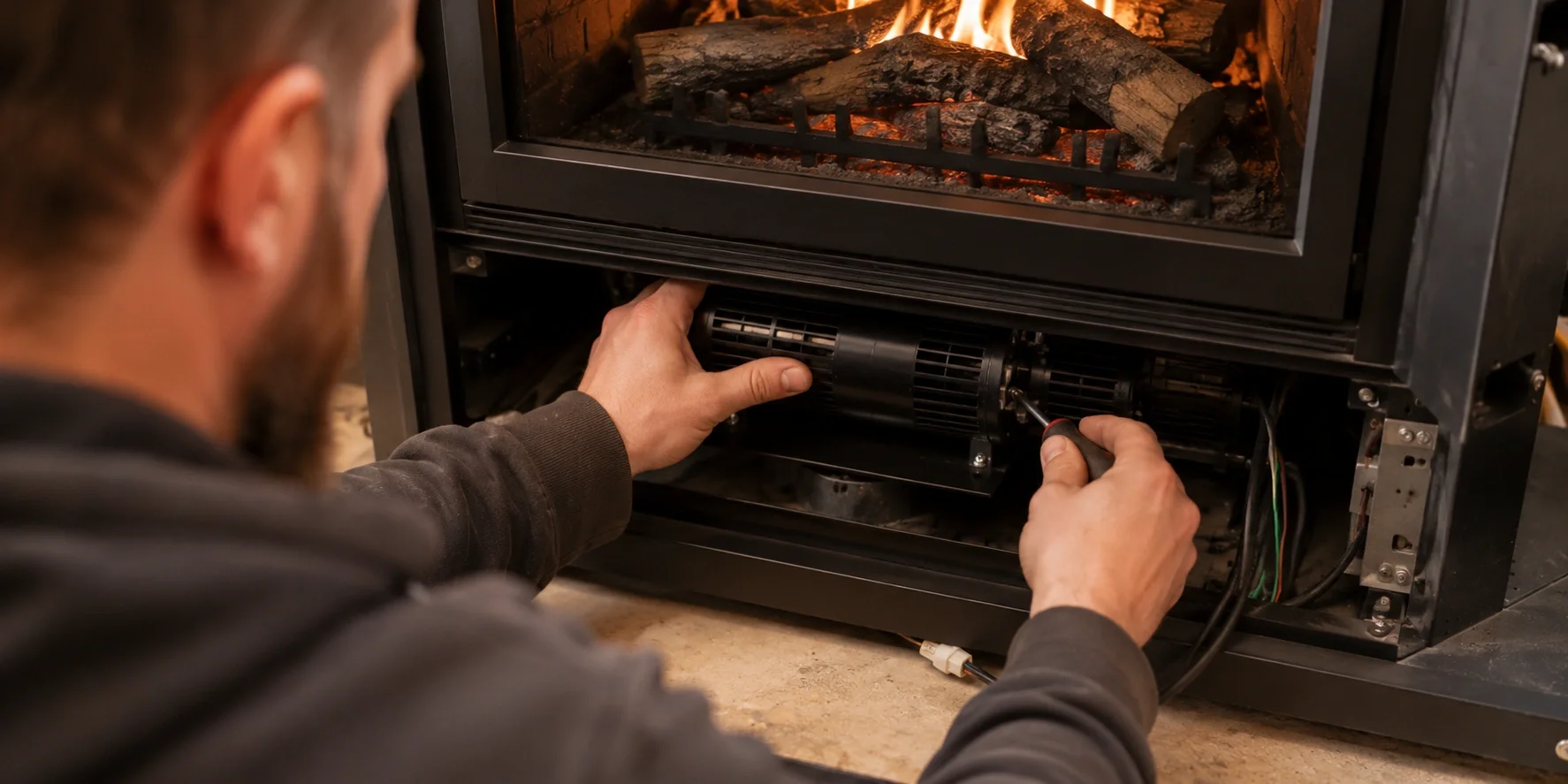
For tubular blowers, slide the tubes into the designated channels in the fireplace. For centrifugal blowers, position the unit in the mounting area and secure it using the provided brackets and screws. Ensure the blower is level and that the fan has adequate clearance to spin freely without contacting any surfaces. Use a level to verify proper positioning.
Run the Electrical Wiring
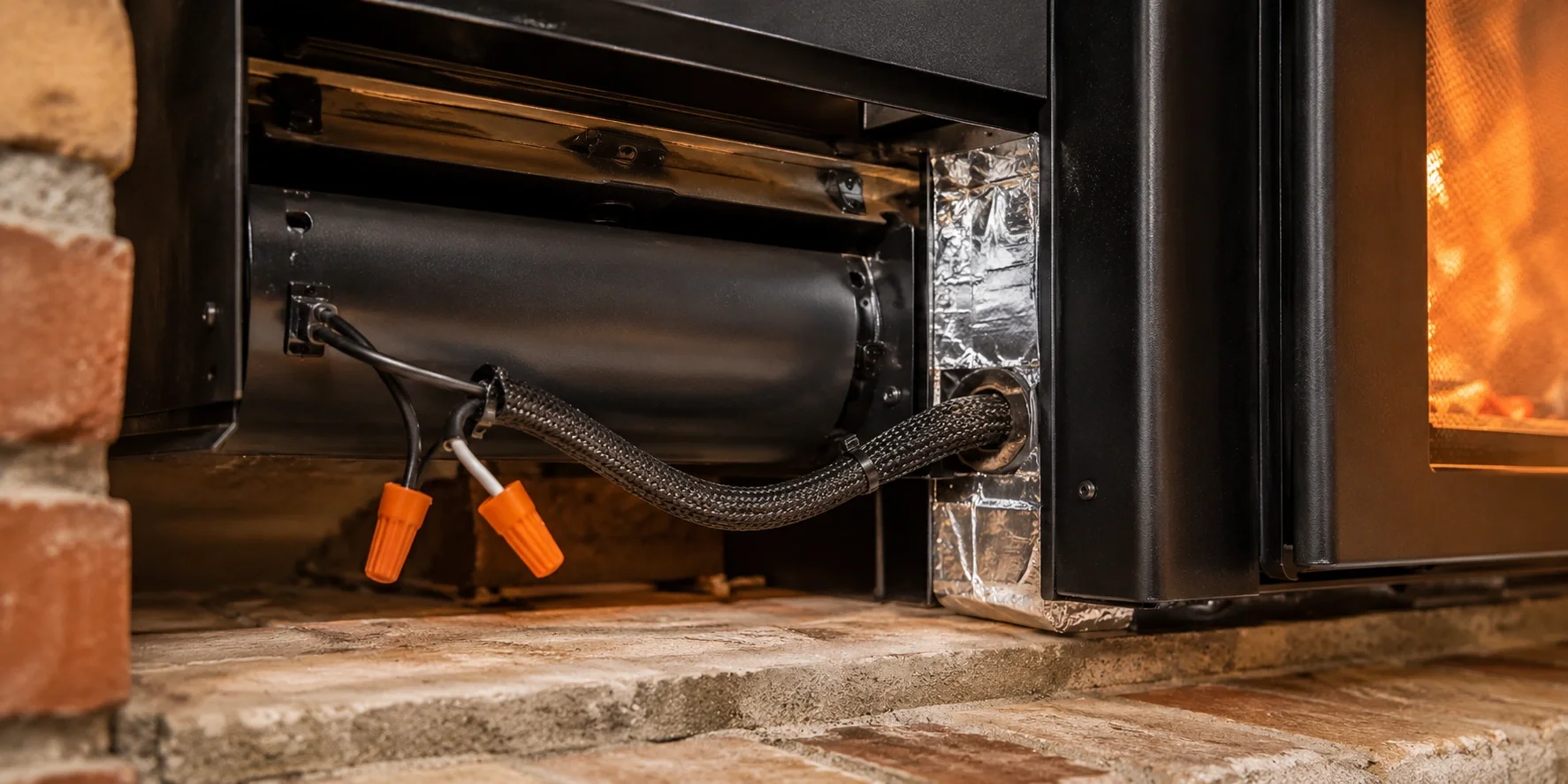
Plan the electrical route from the blower motor to your power source. For safety, use heat-resistant wire and secure it with wire loom or conduit to protect it from heat and damage. Route the wire away from direct contact with the firebox and any hot surfaces. If connecting to a switched outlet, identify which circuit you'll be using and turn off the power before making connections.
Install the Thermostat Control
Mount the thermostat control in a convenient location, typically on the fireplace surround or nearby wall. The sensor probe should be positioned to detect the fireplace temperature accurately—usually attached to the firebox or blower housing. Follow the manufacturer's instructions for wiring the thermostat to the blower motor, ensuring proper connections for power, ground, and control wires.
Connect to Power Source
Connect the blower to your power source, which can be a dedicated outlet, a switched circuit, or in some cases, hardwired directly. If you're not comfortable with electrical work, this is the one step where you might consider hiring a professional electrician. Ensure all connections are secure and properly insulated with wire nuts and electrical tape.
Seal and Insulate
Use high-temperature caulk or aluminum foil tape to seal any gaps around the blower installation. This prevents heated air from escaping and cold air from being drawn in. Proper sealing is crucial for maintaining efficiency and preventing backdrafts that could pull smoke into your home instead of up the chimney.
Test the System
Before replacing any covers or finishing touches, test the blower system. Turn on the power and verify that the fan operates smoothly without unusual noises or vibrations. Check that the thermostat activates the blower at the appropriate temperature. If everything functions correctly, proceed with reassembling any removed components and completing the installation.
DIY Fireplace Blower Cost Breakdown
Installing a fireplace blower yourself offers significant savings compared to professional installation. The following table provides a realistic cost breakdown for a typical DIY blower installation project.
| Component | DIY Cost | Professional Cost | Notes |
|---|---|---|---|
| Blower Kit | $50-$250 | $50-$250 | Same cost either way |
| Thermostat Control | $20-$50 | $20-$50 | If not included with kit |
| Electrical Components | $15-$30 | $15-$30 | Wire, connectors, etc. |
| Sealing Materials | $10-$20 | $10-$20 | High-temp caulk, tape |
| Tools (if needed) | $0-$50 | N/A | Only if purchasing new |
| Labor | $0 | $150-$400 | 2-4 hours of professional work |
| Total Estimated Cost | $95-$400 | $245-$750 | Savings of $150-$350 |
For more detailed cost analysis, see our fireplace cost breakdown guide and hidden costs of owning a fireplace article.
Safety Considerations
Safety is paramount when working with any fireplace modification. Unlike simple decorative projects like adding mantel decorations, blower installation involves electrical components and modifications to your heating system.
Electrical Safety
- Always turn off power at the circuit breaker before working on electrical connections
- Use a voltage tester to confirm power is off before touching wires
- Use only heat-resistant wire rated for high-temperature environments
- Ensure all connections are properly insulated and secured
- Consider having a licensed electrician handle the electrical connections if you're not experienced
- Install a dedicated circuit for the blower if possible to prevent overloading
Fire Safety
- Never install flammable materials near the firebox or blower housing
- Maintain proper clearances between the blower and combustible materials
- Ensure the blower doesn't restrict airflow to the fireplace, which could cause incomplete combustion
- Install a thermostat with a high-temperature limit switch to prevent the blower from running when the fireplace is too hot
- Regularly inspect the installation for signs of heat damage or deterioration
- Keep the blower and surrounding area clean and free from dust and debris
For comprehensive safety information, visit our carbon monoxide signs and ember safety guides.
Maintenance Tips for Your Fireplace Blower
Proper maintenance ensures your blower operates efficiently and extends its lifespan. While blowers require less maintenance than the fireplace itself, regular attention will prevent common issues and maintain optimal performance.
Regular Maintenance Tasks
- Clean the blower fan and housing at least once a month during the heating season to remove dust buildup
- Check for unusual noises during operation, which may indicate bearing wear or debris contact
- Inspect electrical connections for looseness or corrosion at the start of each heating season
- Lubricate motor bearings annually if your blower model has accessible lubrication points
- Verify that the thermostat is functioning properly by testing its activation temperature
- Check that all seals remain intact and replace any damaged high-temperature caulk or tape
Seasonal Maintenance
- End of Season: Clean the blower thoroughly and inspect for any damage before storing or leaving idle
- Start of Season: Test the system before your first fire to ensure it's ready for use
- Mid-Season: Perform a quick check for unusual sounds or reduced airflow
- Annual: Consider professional inspection if you notice any performance issues
For more maintenance information, refer to our fireplace maintenance guide and seasonal checklist.
Troubleshooting Common Issues
Even with proper installation and maintenance, you may encounter occasional issues with your fireplace blower. Here are solutions to the most common problems.
Blower Fan Not Working
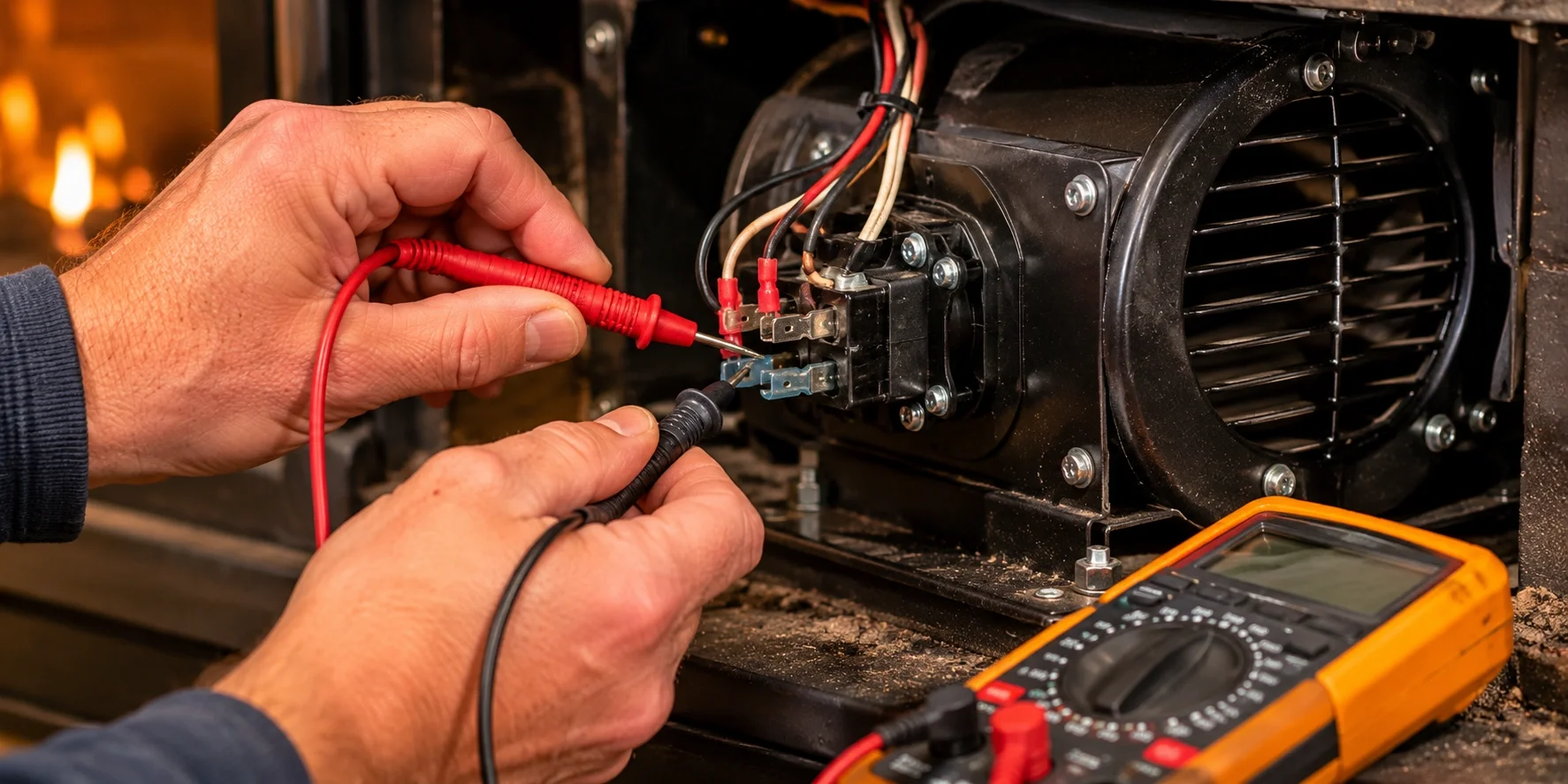
If your fireplace blower fan isn't working, first check that the thermostat is set correctly and that the fireplace is hot enough to trigger the blower (most thermostats activate at 110-120°F). Verify that the power supply is connected and that the circuit breaker hasn't tripped. If these basic checks don't resolve the issue, test the motor with a multimeter to determine if it's receiving power.
Excessive Noise
Noisy operation often indicates debris contact, loose components, or bearing wear. First, ensure the fan isn't touching any surrounding surfaces. Tighten all mounting screws and check that the blower housing is secure. If the noise persists, the motor bearings may be wearing out and the motor might need replacement.
Reduced Airflow
Decreased airflow can result from dust buildup on the fan blades, blocked vents, or a failing motor. Clean the fan blades and check that nothing is obstructing the air intake or output. If cleaning doesn't improve airflow, the motor may be losing power and needs replacement.
For more troubleshooting help, visit our fireplace troubleshooting guide and fireplace making noise article.
Alternatives to Consider
While a blower is an excellent way to improve fireplace efficiency, it's not the only option. Consider these alternatives based on your specific needs and constraints.
Fireplace Inserts
If your existing fireplace is particularly inefficient, a fireplace insert might be a better long-term solution. Inserts are self-contained units that fit into your existing fireplace opening and typically include built-in blowers. They offer significantly higher efficiency than adding a blower to an older fireplace, though at a higher initial cost ($1,000-$3,000).
Heat-Powered Fans
For a completely non-electric option, consider a heat-powered fan that sits on top of your fireplace or stove. These fans use the temperature differential between the hot surface and the cooler room air to generate electricity that powers the fan. They're silent, require no installation, and cost $50-$150, but move less air than electric blowers.
Room Fans
Strategically placed room fans can help distribute heat from your fireplace without any installation. While less efficient than a dedicated blower, this zero-installation option can improve comfort for under $50. For more information, see our fireplace vs space heater comparison.
Complete Fireplace Upgrade
If your fireplace is very old or inefficient, a complete upgrade to a modern gas fireplace or high-efficiency wood burning fireplace might provide better long-term value. These options typically include advanced heat distribution systems and can achieve 70-80% efficiency compared to 10-20% for older traditional fireplaces.
Conclusion
Installing a DIY fireplace blower is a practical project that can significantly enhance your fireplace's heating efficiency and comfort. With proper planning, the right tools, and attention to safety, most homeowners can complete this installation in just a few hours, enjoying immediate benefits in warmth and energy savings.
Remember that while this is a manageable DIY project, the electrical components require careful attention. When in doubt, consult with a professional electrician for the wiring portion of the installation. The small additional cost is worth the peace of mind knowing your system is safely installed.
With your new blower system in place, you'll enjoy more consistent heating, reduced energy costs, and a more comfortable living space throughout the heating season. For more information on related projects, explore our guides on DIY fireplace inserts, DIY fireplace mantels, and DIY fireplace surrounds.