
Fireplace Musty Smell?
Complete Diagnostic & Repair Guide
Uncover the root causes — from moisture and creosote to animal nests — and follow our step‑by‑step fixes. Restore freshness and safety to your home.
Get Solutions →🔥 Don't ignore that musty odor. A damp, earthy, or mold-like smell from your fireplace isn't just unpleasant — it often signals excess moisture, blocked airflow, or organic debris. Left untreated, it can worsen indoor air quality and cause structural damage. This guide helps you pinpoint the exact issue and take action with confidence.
Top Causes of Musty Fireplace Smell
1. Moisture & Leaks
Rain or snow entering through a damaged chimney cap, cracked crown, or porous masonry leads to damp soot and mold growth. This is the #1 cause of that stale, basement‑like odor. Learn more about chimney maintenance to keep water out.
2. Creosote & Soot Build‑up
In woodburning fireplaces, creosote (a tar-like residue) absorbs humidity and produces a pungent, musty smell during warm, damp weather. If you haven't scheduled a professional sweep recently, this could be the culprit.
3. Animal Nests & Debris
Birds, squirrels, or raccoons often build nests inside chimneys. Their droppings, feathers, or nesting materials decay over time, creating a heavy musty odor. A chimney inspection can reveal blockages.
4. Closed Damper / Poor Ventilation
A closed damper traps humid air and organic particles inside the firebox. Combined with outdoor temperature changes, this stagnant air smells musty. Learn proper fireplace ventilation requirements.
5. Old Ash & Soot Residue
Ash left sitting for months attracts moisture and emits an earthy, musty aroma. Regular ash removal is part of essential fireplace maintenance habits.
6. Gas Fireplace Issues
In gas fireplace units, a musty smell can arise from dust burning off or from condensation inside the firebox after summer months. It can also indicate a small gas leak (though that smells like rotten eggs, not earthy). Always rule out gas leaks first.
Top Products to Eliminate Musty Fireplace Odor & Improve Air Quality
⚠️ AFFILIATE DISCLOSURE: This website contains affiliate links. As an Amazon Associate, we earn from qualifying purchases. If you make a purchase through these links, we may receive a small commission at no additional cost to you. Read our full affiliate policy.

Big D 344 Odor Control Fogger, Mountain Air Fragrance-Kills odors from fire, flood, decomposition, skunk, cigarettes, musty smells-Ideal for use in cars, property management, hotels ,5 oz (Pack of 12)
Check price on Amazon
Big D 345 Odor Control Fogger, Sunburst Fragrance, 5 oz (Pack of 12) - Kills odors from fire, flood, decomposition, skunk, cigarettes, musty smells - Ideal for use in cars, property management, hotels
Check price on Amazon
Big D 342 Odor Control Fogger, Cinnamon Fragrance, 5 oz (Pack of 12) - Kills odors from fire, flood, decomposition, skunk, cigarettes, musty smells - Ideal for use in cars, property management, hotels
Check price on Amazon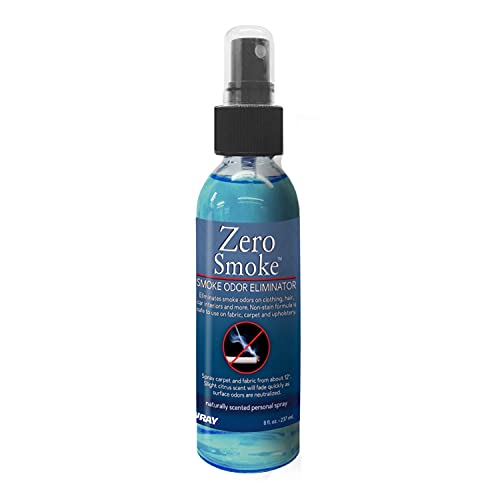
Jenray Zero Smoke Odor Eliminator Spray, 8 oz - Eliminates cigars, cigarettes, smoke odors as well as mold, food smells and musty rooms.
Check price on AmazonHow to Fix a Musty Smelling Fireplace (Step‑by‑Step)
Depending on the root cause, solutions range from simple cleaning to professional chimney work. Use our decision flow below.
- Step 1 – Visual Inspection: Shine a flashlight up the chimney (if visible) and check the firebox for debris, water stains, or nests. Ensure the damper opens/closes fully.
- Step 2 – Clean the Firebox Thoroughly: Remove old ashes, soot, and debris. For electric fireplaces wipe interior with mild soap and water; for wood units use a shop vac with HEPA filter. Let it air dry completely.
- Step 3 – Check & Repair Moisture Entry: Inspect chimney cap, crown, and flashing. Seal small cracks with silicone masonry sealant. If extensive damage exists, hire a professional.
- Step 4 – Deep Clean Creosote: Use a chimney sweep brush or hire a certified sweep. For gas fireplace maintenance, clean burner tubes and logs to remove dust.
- Step 5 – Animal Removal: If you suspect a nest, never light a fire. Call a wildlife removal expert or a chimney sweep to safely extract nesting material and sanitize the area.
- Step 6 – Improve Airflow: Open the damper for a few hours on dry days. Install a chimney balloon or draft stopper if cold air infiltrates, which can reduce musty smell from backdraft.
🛡️ Prevention: Keep Your Fireplace Smelling Fresh Year‑Round
Once you fix the smell, these proactive measures will prevent it from returning:
- Schedule annual annual fireplace inspection + chimney sweep.
- Install a chimney cap with spark arrestor to block rain and animals.
- Use a dehumidifier in the basement or room near the fireplace during humid months.
- Burn only seasoned hardwoods in wood fireplace maintenance to minimize creosote.
- After summer, run your gas or electric fireplace for 20–30 min to burn off dust (ventilate the room).
DIY vs Professional Repair: Complexity & Approach
| Issue Type | DIY Approach | Professional Approach | When to Call Pro |
|---|---|---|---|
| Excess ash / debris | Entry-level DIY (shop vac + basic cleaning) | Entry-level professional cleaning service | If heavy soot or you lack equipment |
| Water penetration (small cracks) | Entry-level DIY (masonry sealant) | Mid-range professional crown/flashing repair | Visible leaks, spalling bricks |
| Creosote build-up | Entry-level DIY (chimney sweeping rods) | Mid-range certified sweep service | Creosote >⅛ inch thick |
| Animal nests | Do NOT attempt if animal present | Mid-range professional removal + sanitation | Always (safety & legal reasons) |
| Gas fireplace musty smell | Entry-level DIY (clean logs & burner, check for condensation) | Entry-level to mid-range professional service call | If smell persists or you detect gas odor |
Frequently Asked Questions About Fireplace Musty Odor
❓ Why does my gas fireplace smell musty in summer but not winter?
During humid months, condensation can form inside the gas fireplace firebox and mix with dust or residue, creating a damp odor. Running the fireplace for 20 minutes (with windows open) can help dry it out. Also check condensation on fireplace glass for similar issues.
❓ Can a musty fireplace be dangerous to my health?
Yes. Musty smells often indicate mold spores, which can trigger allergies, asthma, and respiratory issues. Additionally, if moisture leads to structural decay, it could compromise the chimney liner. For safety, consider a chimney inspection if the odor persists.
❓ I have an electric fireplace — why does it smell musty?
Electric units accumulate dust on heating elements and internal fans. Over time, dust plus humidity can produce a musty or burnt‑dust smell. Clean the interior (unplugged) with a soft brush or compressed air. See more electric fireplace maintenance tips.
📖 Related troubleshooting guides: If you also experience fireplace smoke entering your room, unusual noises, or a gas smell, explore our dedicated troubleshooting sections. Comprehensive fireplace troubleshooting hub covers every common issue.
Repair or Replace? Smart Decision Guide
In some cases, persistent musty smells mean your fireplace has chronic water damage or rusted components. If the firebox is rusted through, or the chimney liner has cracked, replacement might be more cost-effective. For modern options, see gas vs electric fireplace comparison to decide.
Moisture-related repairs typically fall in the mid-range to premium tier, while a new wall fireplace or insert may fall in the mid-range to premium tier depending on features and size. Evaluate the age and condition of your current unit to determine whether repair or replacement offers better long-term value.