Best Fireplace for Heating: Expert Answers & Buyer Guide
Compare real heating performance, BTU output, running costs, and efficiency for gas, electric, wood & propane fireplaces. Make an informed choice today.
🔥 Struggling to choose a fireplace that actually heats your space? Whether you need whole-home warmth or supplemental zone heating, not all fireplaces deliver the same heat. This comprehensive FAQ guide covers BTU requirements, operating costs, efficiency ratings, and which fuel type works best for heating. By the end, you’ll know exactly which fireplace to buy for maximum comfort and savings.
Which Fireplace Type Puts Out the Most Heat?
🔥 Highest BTU
Wood Burning & Inserts
BTU range: 30,000 – 80,000+
Heating area: 1,000–2,500+ sq ft
Efficiency: 60–85% (modern inserts)
Best for off-grid, large homes, and low fuel cost if you have firewood.
Compare wood models →
💨 Consistent Power
Gas Fireplace (Direct Vent)
BTU range: 20,000 – 60,000
Heating area: 800–2,000 sq ft
Efficiency: 75–98%
Convenient, thermostat-controlled, reliable heat for cold climates.
Gas fireplace options →
⚡ 100% Efficient
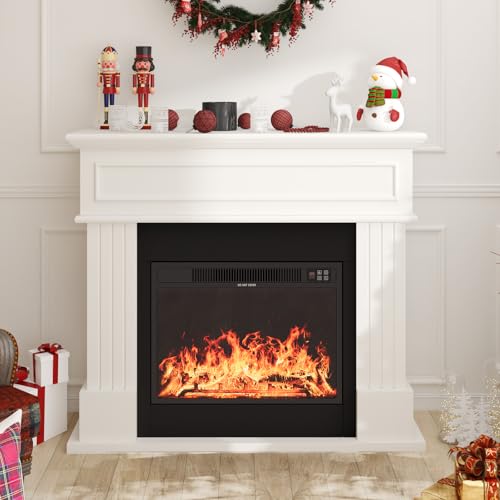
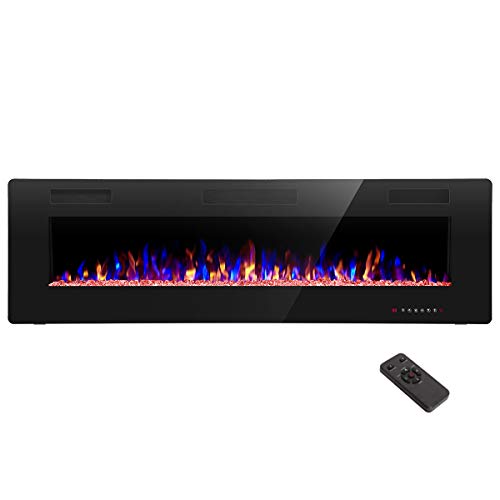
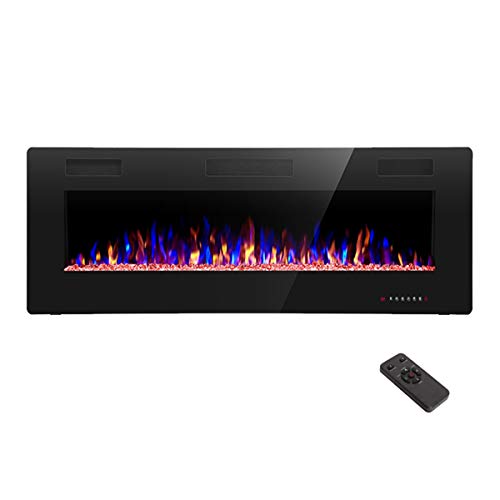
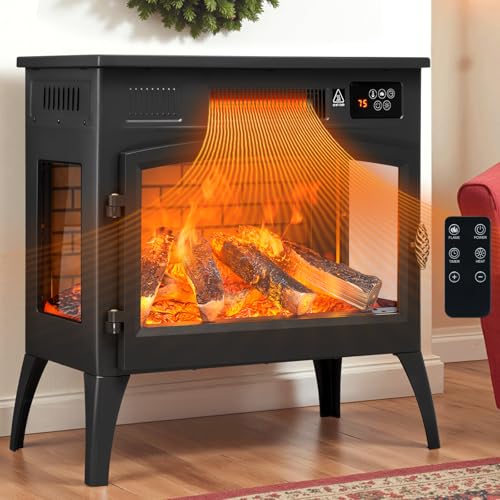
Electric Fireplace
BTU range: 4,500 – 10,000 (1,300–1,500 watts)
Heating area: 400–500 sq ft
Efficiency: 100% (no vent loss)
Ideal for zone heating, apartments, and supplemental warmth.
Electric models →
🪔 Portable & Clean
Propane Fireplace
BTU range: 25,000 – 55,000
Heating area: 1,000–1,800 sq ft
Efficiency: 70–90%
Great for homes without natural gas; high heat output.
Propane options →
Top 12 Heating-Focused Fireplace FAQs
1. What is the single best fireplace for heating a large living room?
For large spaces (over 1,000 sq ft),
high-efficiency gas fireplaces or wood-burning inserts are your best bet. They typically produce 40,000–60,000 BTUs, enough to heat an open-concept area. A
direct-vent gas fireplace retains indoor air quality and delivers steady warmth. If you prefer a traditional feel, modern wood inserts with 75%+ efficiency drastically reduce wood consumption while cranking out heat.
2. Is an electric fireplace effective for heating in winter?
Yes – electric fireplaces are
very effective for zone heating (one room at a time). They convert all electricity into heat (100% efficiency), though max BTU is ~5,000 for standard 120V units (up to 10,000 BTUs for 240V). Perfect for bedrooms, home offices, or supplemental heat. See our
electric fireplace maintenance guide to keep them running efficiently. They’re also the safest for overnight heating.
3. How many BTUs do I need to heat my room? (Calculator inside)
General rule: multiply your room’s square footage by 20–25 BTUs for moderate climates, or 30–40 BTUs for harsh winters. Example: 500 sq ft x 25 = 12,500 BTUs (electric or low-output gas). For whole-house heating, use 50+ BTUs per square foot. We have a complete
BTU guide and sizing worksheet to match fireplace output exactly to your home layout.
4. Which is cheaper to run for heat: gas, electric, or wood?
Short answer:
Wood (if you source cheap/free firewood) offers lowest cost per BTU. Next, natural gas is generally cheaper than electric resistance in most US regions (per BTU). However, electric fireplaces have low upfront costs and no maintenance. Check our detailed
running cost comparison: gas vs electric. Propane tends to be the most expensive but still powerful.
5. Can a fireplace heat an entire house by itself?
Yes, but only certain types:
high-BTU wood furnaces or large gas fireplaces with blowers can heat up to 2,000 sq ft if the home is open and well-insulated. However, most fireplaces are designed for zone heating. For whole-home use, consider a fireplace insert with a built-in fan and ducting kit. Read more in
Can a Fireplace Heat an Entire House? to see real-world examples.
6. Are ventless gas fireplaces safe and good for heating?
Ventless (vent-free) gas fireplaces are highly efficient (99%) because no heat escapes through a chimney. However, they add moisture and release small combustion byproducts.
For primary heating, many building codes restrict them in bedrooms or tight spaces. They’re acceptable for supplemental heat in well-ventilated rooms. Compare
vented vs ventless gas fireplace to decide based on your heating goals and safety needs.
7. Do electric fireplaces increase electricity bill a lot?
Running a standard 1,500W electric fireplace costs about $0.18–$0.30 per hour depending on your rate. If used 6 hours daily, that’s ~$35–$55 monthly. They are
much cheaper than central heating for a single room because you only heat occupied spaces. Use the
energy-saving tips to maximize warmth while keeping costs low.
8. Which fireplace heats best without electricity (power outage)?
A traditional
wood-burning fireplace or a vented gas fireplace with a millivolt system (doesn’t require grid power) will keep you warm during outages. Some gas logs with standing pilot also work without electricity. Check
wood fireplace maintenance to keep your unit ready for emergencies.
9. What’s the most energy-efficient fireplace type overall?
Electric fireplaces have 100% efficiency at point of use. Among combustion units,
direct-vent gas inserts and EPA-certified wood inserts achieve 75–85% efficiency, far above old open hearths (10–20%). For the greenest heat, pair an electric fireplace with solar panels. Check our guide on
most energy-efficient fireplace types.
10. Do I need a fireplace with a blower/fan for better heating?
Absolutely – a blower fan helps circulate warm air into the room instead of letting heat rise to the ceiling. Many gas and wood fireplaces can be equipped with
fireplace blower fan kits. For electric units, built-in fans come standard. For heating large rooms, always choose a model with adjustable fan speed.
11. What size electric fireplace do I need to heat my basement?
For a 500–700 sq ft basement, pick an electric fireplace with at least 5,000 BTUs (≈1,500 watts). Infrared quartz models are excellent for concrete basements because they warm objects and people directly. See
best fireplace for small spaces & basements for top-rated picks.
12. Are ethanol fireplaces good for heating?
Ethanol fireplaces are primarily
decorative and ambiance-focused. They produce 8,000–12,000 BTUs at most, which can slightly warm a small room but not replace a heater. If your goal is serious heat, choose electric, gas, or wood. Read
ethanol fireplace pros and cons to set proper expectations.
Heating Performance & Cost at a Glance
| Fireplace Type | Typical BTU | Efficiency | Avg. Operating Cost (6h/day) |
|---|
| Wood Burning (Modern Insert) | 50,000–75,000 | 70–85% | $2–$5 (firewood dependent) |
| Direct-Vent Gas | 30,000–55,000 | 75–94% | $3–$6 (nat gas) |
| Electric (1,500W) | 5,100 BTU | 100% | $0.18–$0.30/hour ($1.08–$1.80 per 6h) |
| Propane Fireplace | 25,000–50,000 | 80–90% | $4–$8 per day (depending on tank cost) |
| Ethanol (Decorative) | 8,000–12,000 | ~95% | $1.50–$2.50 per hour (fuel expensive) |
💡 Pro Tip: For the best balance of heating power, convenience, and operating cost, most homeowners choose a direct-vent gas fireplace or a high-efficiency wood insert. For apartments and small rooms, an electric fireplace with infrared technology wins.
Ready to Choose the Best Heater? Here’s Your Next Step
After reviewing heating performance, also consider installation complexity: Do you need a chimney or vent? If you want flexibility, wall-mounted vs built-in styles affect heat distribution. For existing masonry, upgrading to a fireplace insert can triple heat output. Meanwhile, don’t forget maintenance: clean units produce better heat. See our gas fireplace maintenance checklist or cleaning electric fireplace guide.
If you’re comparing heating efficiency across multiple fuels, our side-by-side comparison of gas vs electric fireplace explains real-world heat delivery, and electric vs wood breaks down costs. For zero-emission warmth, ethanol vs electric clarifies which actually heats.
Still unsure about sizing? Use the how to size a fireplace tool, and also check pros and cons by type to align with your heating habits. Many readers also explore fireplace vs space heater efficiency for small zones.
Disclaimer
Some content on this site is created with the help of AI. All information is provided for educational purposes only, not as professional advice. We are not responsible for any losses that may arise from the use of this information. By accessing this site, you agree to waive your right to bring legal claims against us related to the use of the information provided. If you do not agree, please leave this site.
Read more.