Fireplace Inspection: The Complete Guide to Annual Safety Checks
Ensure your fireplace operates safely and efficiently. Learn what a professional chimney sweep looks for, how to perform a DIY inspection, and when to call an expert.
Get the Inspection ChecklistYour fireplace is more than a source of warmth and ambiance—it's a complex system that requires regular attention to operate safely. Whether you have a traditional wood-burning fireplace, a gas fireplace, or a modern electric model, an annual fireplace inspection is the single most important maintenance task you can perform. It prevents chimney fires, carbon monoxide leaks, and costly structural damage.
This guide walks you through every aspect of fireplace inspection, from understanding what a professional looks for to performing your own basic checks between professional visits. By the end, you'll know exactly how to keep your fireplace safe, efficient, and ready for the heating season.
Why Annual Fireplace Inspections Are Non-Negotiable
According to fire safety organizations, chimneys and fireplaces are involved in a significant number of home heating fires each year. Most of these incidents are preventable through routine inspection and maintenance. Here's why an annual check is critical:
- Prevents Chimney Fires: Creosote—a highly flammable byproduct of burning wood—accumulates inside the flue. A professional inspection removes this hazard before it ignites. Learn more in our creosote buildup prevention guide.
- Detects Carbon Monoxide Risks: Cracks in the firebox or flue can allow deadly CO gas to enter your home. A proper inspection identifies these dangers. Always pair your inspection with a carbon monoxide detector.
- Maintains Efficiency: A dirty or damaged fireplace burns fuel inefficiently, wasting energy and increasing utility bills. A clean system transfers heat more effectively.
- Extends Lifespan: Catching small issues early—like a cracked brick or worn gasket—prevents them from becoming major repair projects. Regular care is the key to maximizing your fireplace's lifespan.
- Protects Home Value: A well-maintained fireplace is an asset. A neglected one can be a liability during a home sale. See how a fireplace adds value to your home.
Did You Know? The National Fire Protection Association (NFPA) recommends that chimneys, fireplaces, and vents be inspected at least once a year, regardless of how often you use them. Even unused fireplaces can harbor pests, moisture damage, or blockages.
What a Professional Fireplace Inspection Covers
When you hire a certified chimney sweep or fireplace technician, they perform a comprehensive evaluation. Here's what a thorough chimney inspection typically includes:
1. Exterior Chimney Inspection
- Checking for cracks, spalling, or missing mortar in the chimney crown and bricks
- Inspecting the chimney cap and spark arrestor for damage or blockages
- Looking for signs of water damage, rust, or leaning
- Verifying flashing seals around the chimney where it meets the roof
2. Interior Firebox and Flue Inspection
- Examining firebox walls for cracks, gaps, or deteriorated mortar joints
- Checking the damper for smooth operation and proper seal. A stuck damper is a common issue—see our damper repair guide.
- Scanning the flue for creosote buildup, blockages (like bird nests), or cracks
- Inspecting the smoke shelf and smoke chamber for debris
3. Fireplace Components and Accessories
- Testing the fireplace grate and doors for proper fit and function
- Checking the screen or glass doors for cracks
- Inspecting the hearth for cracks or loose tiles
- Verifying that accessories like tools and gloves are in good condition
4. Venting and Draft Assessment
- Testing the draft to ensure smoke exits properly. Poor draft can lead to smoke problems.
- Checking for obstructions in the venting system
- Ensuring the fireplace meets venting requirements
5. Gas and Electric Fireplace Specifics
If you have a gas fireplace, the technician will also:
- Inspect the gas line, connections, and pilot light assembly
- Test the thermostat and remote control
- Check the burner and logs for soot or damage. See our gas fireplace inspection guide.
- Verify proper venting (for vented models)
For electric fireplaces, the inspection focuses on:
- Checking the power cord and plug for damage
- Testing the heating element and blower fan
- Cleaning dust from vents and internal components. Learn more in our electric fireplace inspection guide.
DIY Fireplace Inspection Checklist
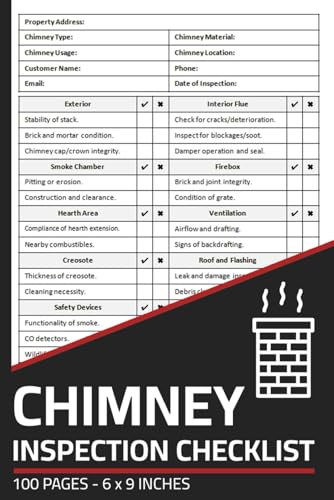
Between professional visits, you can perform simple checks to catch issues early. This DIY fireplace inspection checklist covers the basics. Always prioritize safety—if you're unsure about anything, call a professional.
| Inspection Task | What to Look For | Frequency |
|---|---|---|
| Check for creosote buildup | Black, tarry, or shiny deposits inside the flue | Monthly during use |
| Inspect firebox walls | Cracks, missing mortar, or loose bricks | Monthly during use |
| Test the damper | Opens and closes smoothly; seals tightly when closed | Before each use |
| Check chimney cap | No damage, no blockages, securely attached | Seasonally |
| Inspect hearth | Cracks, loose tiles, or combustible materials nearby | Monthly |
| Test smoke and CO detectors | Functioning properly with fresh batteries | Monthly |
| Check for smoke backdraft | Smoke entering the room instead of going up the flue | Before each use |
| Inspect glass doors/screen | Cracks, gaps, or difficult operation | Before each use |
For a more detailed, printable checklist, visit our fireplace inspection checklist page.
When to Call a Professional Chimney Sweep
While DIY checks are valuable, certain situations require a certified professional. Call a chimney sweep immediately if you notice:
- Heavy creosote buildup: If you see more than 1/8 inch of creosote, it's time for a professional cleaning. Learn about when to call a chimney sweep.
- Smoke entering your home: This indicates a draft problem or blockage. See our guide to fireplace draft problems.
- Signs of a chimney fire: Puffy creosote, cracked flue tiles, or a roaring sound from the chimney.
- Carbon monoxide detector alarms: Evacuate and call emergency services, then a professional. Read about carbon monoxide signs from fireplaces.
- Structural damage: Cracked bricks, a leaning chimney, or damaged flashing.
- Gas smell: If you smell gas, leave the house and call your gas provider. See what to do if your fireplace smells like gas.
If it's been more than a year since your last inspection, or if you've recently purchased a home with a fireplace, schedule a professional visit. Our guide to annual fireplace inspection explains what to expect.
Fireplace Inspection by Type: What's Different?
While the general principles of inspection apply to all fireplaces, each type has unique components and safety considerations.
Wood-Burning Fireplace Inspection
Wood fireplaces require the most rigorous inspection due to creosote and ash. Key focus areas include the flue, firebox, damper, and chimney exterior. Regular wood fireplace maintenance is essential. Also, ensure you have a proper firewood storage setup to keep fuel dry and reduce creosote.
Gas Fireplace Inspection
Gas fireplaces need annual inspection of the gas lines, pilot light, burner, and venting. A common issue is a pilot light that keeps going out. For ventless models, ensure the oxygen depletion sensor is functioning. See our dedicated gas fireplace inspection guide.
Electric Fireplace Inspection
Electric fireplaces are generally lower maintenance, but they still need periodic checks. Look for frayed cords, dust buildup in vents, and proper function of the heater and flame effects. If you experience issues like not heating or flame not working, troubleshooting may be needed. Our electric fireplace inspection guide covers all the details.
Ethanol Fireplace Inspection
Ethanol fireplaces burn cleanly but require inspection of the burner, fuel container, and ventilation. Always follow the manufacturer's guidelines for ethanol fireplace maintenance.
Fireplace Safety Tips for Every Home
Inspection is just one part of a safe fireplace experience. Complement your inspection routine with these safety practices:
- Keep a fire extinguisher near your fireplace.
- Maintain a safe distance between furniture and the fireplace—see how close furniture can be.
- Use a heat shield if you have a mantel that gets too hot.
- Install a fireplace gate if you have young children or pets.
- Never leave a fire unattended. Read about leaving a fireplace on overnight.
- Keep the area around the fireplace clear of debris and flammable materials.
- Ensure proper ventilation requirements are met.
- Follow ember safety practices to prevent sparks from escaping.
For a complete overview, visit our fireplace safety guide.
Best Time to Schedule a Fireplace Inspection
The ideal time for an annual inspection is late summer or early fall, before the heating season begins. This ensures your fireplace is ready when you need it most. However, any time of year works—the key is consistency.
Use these seasonal guides to stay on track:
- Fall fireplace inspection: Prepare for winter.
- Winter fireplace preparation: Mid-season checks.
- Spring fireplace maintenance: Post-season care.
- Summer fireplace care: Off-season tips.
- Seasonal maintenance checklist: Your year-round reference.
Following a fireplace maintenance schedule ensures you never miss a critical task.
Frequently Asked Questions About Fireplace Inspection
How often should a fireplace be inspected?
The NFPA recommends an annual inspection for all fireplaces, regardless of type or usage. If you burn wood frequently, you may need more frequent cleanings. See how often to service a fireplace.
How long does a fireplace inspection take?
A basic inspection typically takes 30–60 minutes. If cleaning or repairs are needed, it can take longer. For more details, see how long fireplace services take.
Can I inspect my own fireplace?
You can perform basic visual checks, but a certified professional should do a thorough inspection. DIY checks are a supplement, not a replacement. Use our DIY inspection checklist.
What are the signs that my fireplace needs immediate attention?
Smoke in the room, a strong gas smell, CO detector alarms, or visible cracks in the firebox are all signs to call a professional immediately. See fireplace troubleshooting for more.
Do electric fireplaces need inspection?
Yes, though less frequently. Check the cord, plug, and vents annually. See our electric fireplace inspection guide.
How much does a chimney sweep cost?
Costs vary by region and service. For a general idea, see our guide on the average cost of chimney sweep and inspection.
Final Thoughts: Prioritize Safety with Regular Inspections
A fireplace inspection is not just a routine chore—it's a critical safety measure that protects your home, your family, and your investment. Whether you choose a professional service or perform DIY checks, consistency is key. Use the resources in this guide to build a maintenance routine that works for you.
Remember, if you ever have doubts about your fireplace's safety, consult a certified professional. It's always better to be safe than sorry.