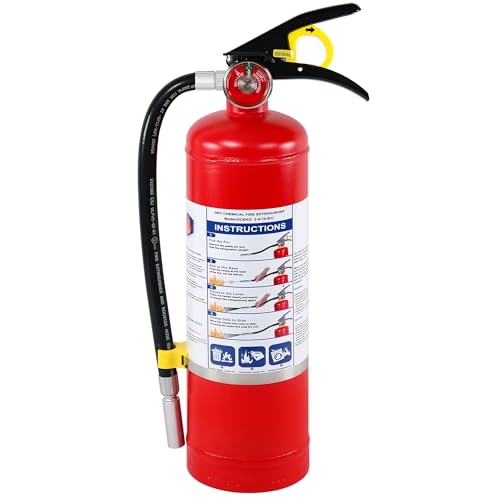
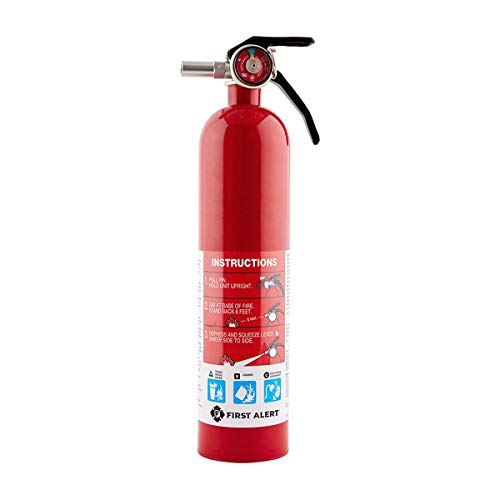
Fire Extinguisher Near Fireplace: Your Essential Safety Guide
Owning a fireplace brings warmth and ambiance, but it also introduces a significant fire risk. Having the correct fire extinguisher nearby—and knowing how to use it—can mean the difference between a minor scare and a major disaster.
Get the Quick Answer✅ Correct Type
Multipurpose ABC extinguisher handles wood, liquid, and electrical fires.
📍 Best Placement
10–15 feet away, easily reachable, away from heat and flames.
🔄 Maintenance
Check pressure monthly; service or replace according to manufacturer guidelines.
⚠️ Critical Rule
Never place an extinguisher so close that fire blocks your access to it.
What You Will Learn
Why You Need a Fire Extinguisher Near Your Fireplace
A fireplace is a controlled fire, but control can be lost in seconds. A spark can jump onto a rug, a log can roll out, or a gust of wind can push flames beyond the hearth. According to fire safety organizations, residential fires involving heating equipment—including fireplaces—remain a leading cause of home fire deaths.
The brief window between ignition and a full-blown fire is your best chance to act. A fire extinguisher placed near your fireplace gives you the immediate means to suppress a small fire before it spreads. Without one, you are forced to rely on water, a fire blanket, or calling emergency services—all of which may be too slow or unsuitable for the type of fire.
Beyond the practical benefit, having an extinguisher is a core component of a responsible fireplace safety strategy. It complements other measures such as a carbon monoxide detector and a fireplace screen with glass doors, which help contain sparks and embers. For a broader overview of protective practices, see our fireplace safety guide.
Choosing the Right Fire Extinguisher Type
Not all fire extinguishers are created equal. Using the wrong type on a fireplace-related fire can make matters worse. Fire extinguishers are classified by the types of fire they can handle:
- Class A: Ordinary combustibles such as wood, paper, cloth, and trash. This is the most common fire type associated with fireplaces.
- Class B: Flammable liquids such as gasoline, grease, and oil. A fireplace area might have these if you use lighter fluid or store flammable liquids nearby.
- Class C: Electrical fires involving energized electrical equipment. Fireplaces with electric inserts, blowers, or nearby electronics can present this risk.
- Class D: Combustible metals (uncommon in home settings).
- Class K: Cooking oils and fats (relevant if your fireplace is near a kitchen).
Recommended: A multipurpose ABC fire extinguisher is the best all-around choice for a fireplace area. It covers Class A (wood), Class B (flammable liquids), and Class C (electrical) fires, which are the most likely scenarios in a living room with a fireplace.
For specific fireplace types, consider these nuances:
- Wood-burning fireplaces: An ABC extinguisher is ideal. You may also want a fireplace tools set nearby for managing logs safely.
- Gas fireplaces: While the fuel is gas, the fire often ignites surrounding materials. An ABC extinguisher works. Ensure you know how to shut off the gas supply as well. See our gas fireplace troubleshooting guide for related safety tips.
- Electric fireplaces: Class C capability is crucial. An ABC extinguisher covers this. For more on electrical safety, review electric fireplace safety tips.
Extinguisher Size and Rating
Portable extinguishers are rated by size (weight) and effectiveness (numerical rating). For home use near a fireplace, a 2.5 to 5-pound ABC extinguisher is typically sufficient for small, incipient fires. Larger extinguishers (10 pounds) offer more discharge time but are heavier and harder to handle quickly.
The numerical rating (e.g., 2A:10B:C) indicates the extinguisher's capacity. Higher numbers mean greater fire-fighting capability. A minimum rating of 2A:10B:C is a common recommendation for household fire extinguishers.
Where to Place It: Distance and Accessibility
Placement is everything. An extinguisher that is too far away is useless; one that is too close can be unreachable if the fire grows quickly.
The 10-to-15-Foot Rule
Fire safety experts generally recommend placing a fire extinguisher 10 to 15 feet (3 to 4.5 meters) away from the fireplace. This distance allows you to grab it quickly without being exposed to intense heat or flames. It also ensures you are not standing directly in the path of a sudden flare-up.
Accessibility Guidelines
- Clear path: The extinguisher must be reachable without moving furniture, opening cabinets, or navigating around obstacles.
- Visible location: Keep it in plain sight or in a clearly marked cabinet. In an emergency, you won't have time to search.
- Mounting: Mount it on a wall bracket or place it on a stable shelf at a convenient height (not too high or too low).
- Away from heat: Do not place it directly beside the fireplace where radiant heat could affect the extinguisher's components or make it too hot to handle.
- Multiple levels: If your fireplace is on a different floor from the kitchen, ensure you have an extinguisher on each level. Consider one near the fireplace and one in the kitchen.
Pro Tip: Consider placing the extinguisher on the side of the room opposite the fireplace's opening. This way, if a fire occurs, you are not approaching the flames directly to reach the extinguisher.
What About Fireplace Tools and Accessories?
Your extinguisher should be part of a broader safety setup. Keep a fireplace screen in place to contain sparks. A fireplace gate adds another layer of protection, especially if you have children or pets. For managing the fire itself, a fireplace tools set—including pokers, tongs, and shovels—is essential. See our guide to fireplace accessories for a complete list.
How to Use a Fire Extinguisher Correctly
Having an extinguisher is only half the battle. You must know how to use it. The acronym P.A.S.S. is the standard technique:
- P – Pull the pin: This unlocks the operating lever.
- A – Aim low: Point the nozzle at the base of the fire, not at the flames.
- S – Squeeze the lever: Release the extinguishing agent in a controlled manner.
- S – Sweep side to side: Move the nozzle back and forth until the fire is out.
Important Safety Considerations
- Only fight small fires: If the fire is larger than a small wastebasket or spreading rapidly, evacuate immediately and call emergency services.
- Always have an exit: Position yourself between the fire and an exit so you can retreat if needed.
- Check the pressure gauge: Before using, ensure the needle is in the green zone. If not, the extinguisher may not work.
- Use the right extinguisher: As discussed, an ABC extinguisher is suitable for most fireplace-related fires.
- After use: Even if the fire appears out, call the fire department. Fire can reignite. Also, recharge or replace the extinguisher immediately.
For wood-burning fireplaces, additional safety practices apply. Learn how to prevent creosote buildup, which is a leading cause of chimney fires. If you experience smoke problems or a draft problem, address them promptly, as they can increase fire risk. Our fireplace maintenance section provides detailed guidance.
Maintenance and Replacement Schedule
A fire extinguisher is a life-saving device, but only if it is in working order. Follow this maintenance routine:
| Task | Frequency | Action |
|---|---|---|
| Visual Inspection | Monthly | Check pressure gauge, look for damage, corrosion, or leaks. |
| Shake or Invert | Monthly | Prevent powder from settling and compacting (for dry chemical models). |
| Professional Inspection | Annually | Have a certified technician inspect and service it. |
| Recharge or Replace | After any use or every 6–12 years | Follow manufacturer guidelines. Replace if the unit is damaged or expired. |
Keep a record of your extinguisher's maintenance. Many models have a tag or label where you can note inspection dates. If you have multiple extinguishers, maintain a simple log.
Other Essential Fireplace Safety Measures
A fire extinguisher is a critical component of fireplace safety, but it should not be your only defense. Consider these additional measures:
1. Smoke and Carbon Monoxide Detectors
Install smoke alarms on every level of your home and inside or near bedrooms. Carbon monoxide detectors are equally important, especially for gas and wood-burning fireplaces. Learn more in our guide to fireplace carbon monoxide detectors.
2. Safe Clearance
Keep flammable materials—furniture, curtains, rugs, and decor—at least three feet away from the fireplace. Refer to our guide on furniture distance from fireplace for specific recommendations. A fireplace heat shield can help protect nearby surfaces.
3. Proper Ventilation
Ensure your fireplace is properly vented. Blocked or inadequate ventilation can lead to smoke inhalation and carbon monoxide buildup. See our fireplace venting requirements for details. For general safety, review fireplace ventilation requirements.
4. Regular Inspections and Cleaning
Schedule annual inspections with a certified chimney sweep. Clean your chimney regularly to prevent creosote buildup. Our chimney cleaning guide and annual fireplace inspection resources provide step-by-step advice. For seasonal preparation, see our fall fireplace inspection checklist.
5. Safe Burning Practices
Burn only seasoned hardwood. Avoid burning trash, cardboard, or treated wood, which can release toxic fumes and increase creosote. Never leave a fire unattended, and always extinguish it before going to bed or leaving the house. Review our tips on leaving a fireplace on overnight and sleeping with a fireplace on.
6. Educate Your Household
Ensure everyone in your home knows the location of the fire extinguisher, how to use it, and the location of the nearest exit. Practice fire drills. For more tips, explore our fireplace safety tips.
7. Consider a Fireplace Screen or Doors
A fireplace screen or fireplace doors can prevent sparks and embers from escaping. This is especially important for wood-burning fireplaces. Our guide to fireplace ember safety offers practical advice.
Ready to Equip Your Fireplace Area?
Browse our curated selection of fire extinguishers and safety accessories to protect your home.
View Recommended ProductsFrequently Asked Questions
For more fireplace-related questions, visit our fireplace FAQ section.