The Complete Fireplace Inspection Checklist
Ensure your home's safety and heating efficiency. Follow this step-by-step annual inspection guide for all fireplace types.
Why an Annual Fireplace Inspection is Non-Negotiable
Your fireplace is more than a source of comfort; it's a complex system involving combustion, venting, and structural components. Over time, creosote can accumulate, gaskets can wear out, and hidden damage can occur. An annual fireplace inspection checklist is your best defense against chimney fires, carbon monoxide poisoning, and costly repairs. Whether you have a traditional wood-burning fireplace, a convenient gas model, or a modern electric unit, a yearly check-up is crucial. This guide will walk you through a comprehensive inspection that you can perform yourself, while also highlighting when to call a professional.
Part 1: The Universal Fireplace Inspection Checklist
These steps apply to all fireplace types and should be performed before the start of each heating season. Always ensure the fireplace is completely cool and the gas or power is turned off before beginning.
Exterior & Chimney Check
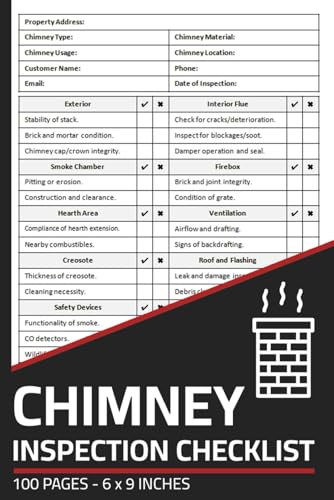
- Chimney Cap & Spark Arrestor: From the ground or a ladder, check that the chimney cap is secure and free of debris. Ensure the mesh is intact and not clogged with soot or nests. A missing cap allows water and animals to enter.
- Chimney Crown: Inspect the concrete crown at the top of the chimney for cracks. Small cracks can let water in, leading to freeze-thaw damage.
- Flashing: Look at the metal flashing where the chimney meets the roof. Check for loose, rusted, or missing sections that could cause roof leaks.
- Brick & Mortar: Look for spalling (crumbling) brick or missing mortar joints on the exterior chimney. This indicates water penetration and structural weakness.
- Vent Termination: For direct-vent or ventless units, ensure the exterior vent cap is clear of obstructions like snow, leaves, or bird nests.
Interior Firebox & Hearth Check
- Firebox Walls & Floor: Inspect the firebrick or refractory panels for large cracks, crumbling, or missing pieces. Small hairline cracks are normal, but gaps wider than a nickel require professional repair. This is a key part of any fireplace safety guide.
- Damper: Open and close the damper. It should move smoothly and seal tightly when closed. A stuck or poorly sealing damper is a common fireplace troubleshooting issue.
- Hearth & Surround: Check the hearth and surround for any cracks, loose tiles, or gaps. Ensure the hearth is clear of combustible materials like rugs, magazines, or kindling.
- Grate & Logs: Inspect the fireplace grate for warping or damage. If you have a gas fireplace, check the gas fireplace logs for soot buildup or damage.
- Doors & Screens: If you have fireplace doors or a fireplace screen, ensure they are securely attached and function properly. Replace worn gaskets on glass doors.
Part 2: Fuel-Specific Inspection Checklists
Beyond the general checks, each fuel type requires specific attention to ensure safety and efficiency.
For Wood-Burning Fireplaces
These units require the most vigilant inspection due to creosote, a highly flammable byproduct of burning wood. This is a critical part of wood fireplace maintenance.
- Creosote Buildup: This is the single most important check. Look up into the flue from the firebox with a flashlight and mirror. Creosote can be sooty, flaky, or shiny and hard. If it's more than 1/8-inch thick, it needs to be removed by a professional. Learn more about creosote buildup prevention.
- Flue Liner: The liner protects your home from the intense heat of the fire. Check for cracks, gaps, or deterioration. Any damage requires immediate professional attention.
- Smoke Chamber & Shelf: Check the area just above the damper for crumbling mortar or gaps that could allow smoke to escape into the walls.
For Gas Fireplaces
Gas fireplaces are convenient, but they have their own set of safety checks. This is essential for proper gas fireplace maintenance.
- Burner & Flame Pattern: Turn on the fireplace and observe the flame. It should be mostly blue with some yellow tips. A lazy, yellow, or sooty flame indicates a problem with the air-to-fuel mixture. See our guide on a gas fireplace weak flame for more details.
- Vent System: For vented models, ensure the vent pipe is securely connected and shows no signs of corrosion or leaks. For ventless models, ensure the oxygen depletion sensor (ODS) is clean and functional.
- Glass Front: Clean the glass with a fireplace glass cleaner. Check the gasket around the glass for wear and replace if necessary to maintain a proper seal.
- Gas Connections: Do not use a flame to check for leaks! Look for signs of corrosion or soot around the gas line connections. If you smell gas, evacuate immediately and call your gas provider. A professional gas fireplace inspection is recommended.
For Electric Fireplaces
While they don't produce real flames or emissions, electric fireplaces still need attention. This is part of routine electric fireplace maintenance.
- Power Cord & Plug: Inspect the power cord for any fraying or damage. Ensure the plug fits snugly in the outlet and the outlet is not hot to the touch.
- Heater Blower: Remove the front cover (if accessible) and vacuum out any dust or debris from the heater and blower area. A dusty blower can cause overheating. See our guide on cleaning electric fireplace units.
- Flame Effect: Check that the flame effect and lighting are working correctly. If not, refer to our electric fireplace troubleshooting guide.
- Remote Control: Test the electric fireplace remote to ensure it's functioning. Replace batteries as needed.
DIY vs. Professional: When to Call a Chimney Sweep
Your annual DIY check is a great way to stay on top of basic maintenance, but it's not a substitute for a professional evaluation. A certified chimney sweep has specialized tools like chimney cameras and knows exactly what to look for. You should call a professional if you notice any of the following:
- Creosote buildup thicker than 1/8 inch.
- Any damage to the flue liner.
- Cracked or crumbling firebrick in the firebox.
- A strong, persistent smoky odor in the room when the fireplace is not in use.
- Smoke entering the room when you have a fire burning, a sign of a wood fireplace draft problem.
- Any signs of water leaking into the firebox.
To ensure your system is truly safe, it's wise to schedule a professional inspection. For a more detailed breakdown, see our guide on the annual fireplace inspection and learn when to call a chimney sweep. This is also a good time to have your chimney cleaned. Our chimney cleaning guide explains the process. Remember, a clean and well-maintained fireplace is an efficient one. For tips on maximizing efficiency, read our fireplace energy saving tips.
Frequently Asked Questions About Fireplace Inspections
How often should a fireplace be inspected?
The National Fire Protection Association (NFPA) recommends that chimneys, fireplaces, and vents be inspected at least once a year, regardless of how often they are used. This annual inspection helps identify creosote buildup, blockages, and structural damage before they become serious hazards.
What is the most critical part of a fireplace inspection?
While every part is important, the chimney flue is often the most critical. It must be free of creosote, blockages (like bird nests), and cracks. A compromised flue can lead to chimney fires or carbon monoxide entering the home.
Can I do a fireplace inspection myself?
You can and should perform a basic visual inspection, often called a DIY fireplace inspection. However, a professional inspection by a certified chimney sweep is recommended annually as they have the tools and expertise to detect hidden issues that a visual check might miss.