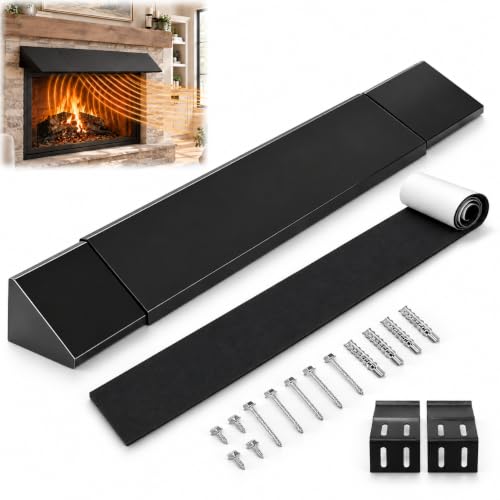
Fireplace Heat Shield Guide
Protect your home and improve fireplace efficiency with the right heat shield. Learn about types, installation, and safety standards.
Explore Heat Shield TypesWhy a Heat Shield Matters: A properly installed heat shield reduces fire risks, protects combustible materials, and can improve your fireplace's heating efficiency by directing warmth into the room.
What Is a Fireplace Heat Shield?
A fireplace heat shield is a protective barrier designed to deflect radiant heat away from combustible surfaces such as walls, mantels, and floors. It is essential for maintaining safe clearances and preventing structural damage or house fires. Heat shields are commonly used with wood-burning, gas, and electric fireplaces to ensure compliance with building codes and enhance safety.
Beyond safety, heat shields also play a role in improving heating efficiency. By reflecting heat back into the room rather than allowing it to be absorbed by surrounding walls, they help maximize the warmth generated by your fireplace. This is particularly important for homes with electric fireplace heating capacity or gas fireplaces where heat output needs to be optimized.
🔥 Fire Safety
Prevents combustible materials from reaching ignition temperature, significantly reducing the risk of house fires.
📈 Efficiency Boost
Reflects heat back into the room, increasing the heating efficiency of your fireplace by up to 20% in some cases.
🏠 Code Compliance
Helps meet local building codes and NFPA standards for minimum clearances around fireplaces.
🛡️ Wall Protection
Protects drywall, wood framing, and insulation from heat damage and discoloration over time.
Types of Fireplace Heat Shields
Choosing the right heat shield depends on your fireplace type, the surfaces you need to protect, and your budget. Below are the most common types available.
Wall Heat Shields
Mounted directly on walls behind or beside the fireplace. Often made of stainless steel or galvanized steel with a heat-reflective finish. Essential when clearance to combustibles is insufficient.
Value Tier: Mid-rangeMantel Heat Shields
Specifically designed to protect the mantel shelf from rising heat. Typically made of tempered glass, steel, or ceramic. Keeps mantel surface temperatures within safe limits.
Value Tier: Entry-level to mid-rangeFloor & Hearth Shields
Protect flooring in front of the fireplace from embers and radiant heat. Often made of tempered glass, stone, or metal with insulating backing.
Value Tier: Entry-levelHeat Deflectors
Attached to the top or front of the fireplace to redirect heat upward or outward. Helps protect walls and improves heat distribution.
Value Tier: Entry-levelInsulating Heat Shields
Feature ceramic fiber or mineral wool insulation between metal layers for superior protection. Ideal for zero-clearance installations.
Value Tier: PremiumCustom Fabricated Shields
Designed for unique fireplace setups or non-standard clearances. Available in various materials and finishes to match your decor.
Value Tier: Premium to luxuryHeat Shield Comparison: Which Is Right for You?
| Type | Best For | Material | Value Tier | Installation Difficulty |
|---|---|---|---|---|
| Wall Shield | Close clearance walls | Stainless steel | Mid-range | Moderate |
| Mantel Shield | Mantel protection | Tempered glass / steel | Entry-level to mid-range | Easy |
| Floor Shield | Floor/rug protection | Glass / stone / metal | Entry-level | Easy |
| Deflector | Heat redirection | Steel / aluminum | Entry-level | Easy |
| Insulating Shield | Zero-clearance needs | Ceramic + metal | Premium | Difficult |
* Value tiers are estimates and may vary by manufacturer and retailer. Always consult local building codes before installation.
How to Install a Fireplace Heat Shield
Proper installation ensures your heat shield functions effectively and meets safety standards. Follow these steps for a successful installation.
- Step 1: Measure Clearances – Measure the distance from your fireplace to any combustible material (wall, mantel, floor). Refer to your fireplace manual for minimum clearance requirements.
- Step 2: Select the Right Shield – Based on your measurements and fireplace type, choose a heat shield that meets the required clearances. Consider fireplace mantel heat shield options for mantel protection.
- Step 3: Prepare the Surface – Clean the wall or floor surface and ensure it is dry. For wall shields, locate studs or use appropriate wall anchors for secure mounting.
- Step 4: Install Mounting Brackets – Attach mounting brackets or standoffs according to the manufacturer's instructions. Standoffs create an air gap behind the shield, improving its effectiveness.
- Step 5: Secure the Shield – Mount the heat shield onto the brackets. Ensure it is level and firmly attached. For mantel shields, follow specific mounting instructions provided with the product.
- Step 6: Test and Inspect – After installation, run your fireplace at a low setting and check the shield's temperature and stability. Ensure no gaps or loose fittings exist.
Pro Tip: For maximum safety, maintain a minimum 1-inch air gap between the heat shield and the wall. This allows airflow to dissipate heat and improves the shield's performance.
Safety Standards and Building Codes
Fireplace heat shields must meet specific safety standards to be effective and legal. The NFPA 211 standard outlines the minimum clearances for solid-fuel-burning appliances, while local building codes may have additional requirements.
Key safety guidelines include:
- Maintain at least 36 inches of clearance between the fireplace and combustible materials unless a heat shield reduces the required distance.
- Use heat shields approved by recognized testing laboratories such as UL or CSA.
- Ensure proper ventilation behind wall shields to prevent heat buildup.
- Regularly inspect heat shields for damage, warping, or corrosion.
For homes with older fireplaces or unusual configurations, a custom heat shield may be necessary. Consult a professional installer to ensure compliance with all applicable codes.
Maintaining Your Fireplace Heat Shield
Regular maintenance extends the life of your heat shield and ensures continued protection. Follow these simple maintenance tips:
- Clean regularly: Dust and soot can accumulate on the shield surface. Wipe with a soft cloth or use a mild cleaner suitable for the material.
- Check for damage: Inspect for cracks, dents, or discoloration. Replace the shield if it shows signs of wear or warping.
- Inspect mounting hardware: Ensure brackets and screws remain secure. Tighten any loose connections.
- Monitor clearance: Over time, settling or renovations can affect clearances. Periodically re-measure to ensure compliance.
If you notice unusual heat buildup or discoloration on surrounding materials despite having a heat shield, it may be time to upgrade or add additional protection. Always prioritize safety over aesthetics.
Frequently Asked Questions
If your fireplace is installed within the minimum clearance distance to combustible materials, a heat shield may not be required. However, many homes have fireplaces installed with insufficient clearance, making a heat shield essential for safety. Always check your local building codes and your fireplace manufacturer's recommendations.
Yes, many heat shields are designed for DIY installation. However, if you are unsure about measurements or mounting techniques, it's best to consult a professional. Improper installation can compromise safety and reduce the shield's effectiveness.
Stainless steel is a popular choice due to its durability and heat-reflective properties. For mantel shields, tempered glass offers a sleek appearance while providing excellent protection. Insulating shields with ceramic fiber cores offer superior performance for zero-clearance situations.
Yes, electric fireplaces can benefit from heat shields, especially if the surrounding materials are heat-sensitive. While electric fireplaces generate less heat than wood or gas models, a heat shield can still protect walls and mantels from heat buildup and extend the life of your finishes.
Heat shields span a range of value tiers, from entry-level for basic heat deflectors to premium for custom insulating shields. Most standard wall or mantel shields fall between entry-level and mid-range tiers. Factors affecting tier include material, size, and brand.
Ready to Protect Your Home?
Browse our selection of top-rated fireplace heat shields. Find the perfect protection for your fireplace and enjoy peace of mind.
Shop Heat Shields Now →