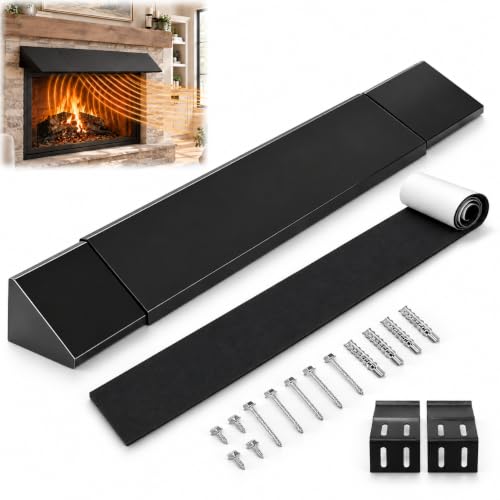
Fireplace Mantel Heat Shield: The Complete Guide to Safe Mantel Protection
Protect your mantel from heat damage, reduce fire risk, and extend the life of your fireplace surround with the right heat shield solution.
START LEARNINGWhy This Matters: A fireplace mantel heat shield is one of the most overlooked safety accessories for any home with a wood-burning, gas, or electric fireplace. Without proper protection, sustained heat exposure can warp wood, crack stone, discolor finishes, and in extreme cases, create a fire hazard.
What Is a Fireplace Mantel Heat Shield?
A fireplace mantel heat shield is a protective barrier installed between the heat source of your fireplace and the underside or front face of your mantel. Its primary purpose is to deflect radiant heat away from combustible materials, preventing them from reaching dangerous temperatures. According to general fireplace safety guidelines, combustible materials such as wood mantels must maintain a minimum clearance from the firebox opening—often 6 to 12 inches or more, depending on the fireplace type.
However, many homeowners want the aesthetic warmth of a wooden or painted mantel closer to the firebox than code allows. A heat shield bridges this gap by creating a physical barrier that reduces surface temperature on the mantel. This allows you to maintain a beautiful fireplace design without compromising safety. Heat shields are especially important for decorated mantels that hold seasonal items, garlands, or electronics that could be damaged by heat.
Key Takeaway: A heat shield does not replace proper clearance requirements entirely—it supplements them. Always verify that your installation meets local building codes and the fireplace manufacturer's specifications.
Why Your Fireplace Needs a Mantel Heat Shield
There are several compelling reasons to consider installing a heat shield above your fireplace:
- Prevent Heat Damage: Wood mantels can crack, warp, or become discolored when exposed to prolonged heat. Even painted or stained finishes can bubble and peel. A heat deflector keeps the mantel surface at a safe temperature.
- Reduce Fire Risk: Combustible materials near a heat source are a leading cause of house fires. A properly installed shield dramatically lowers the risk of ignition, particularly if you have a wood-burning fireplace or a high-output gas fireplace.
- Protect Decorations: Many homeowners decorate their mantels with greenery, candles, stockings, or electronics. A heat shield protects these items from heat exposure. This is particularly relevant during the holidays when DIY fireplace Christmas decorations are common.
- Comply with Insurance and Code: Some insurance providers may require proof of safe clearance. A heat shield can help you meet those requirements.
- Extend Mantel Lifespan: Even if your mantel isn't in immediate danger, heat exposure accelerates wear. A shield preserves the finish and structural integrity of your mantel for years.
Types of Fireplace Mantel Heat Shields
Heat shields come in several forms, each suited to different fireplace setups and aesthetic preferences. Understanding the differences will help you choose the right one for your home.
1. Under-Mantel Heat Shields
These are installed directly underneath the mantel shelf, creating an air gap between the shield and the wood. The air gap acts as insulation, allowing heat to dissipate before reaching the mantel. Under-mantel shields are often made of metal (stainless steel or aluminum) and are designed to be unobtrusive. This type is common for gas fireplace inserts and electric fireplace inserts where the mantel is relatively close to the heat source.
2. Front-Mounted Heat Deflectors
These shields attach to the front edge of the mantel or the wall above the firebox, angling downward to deflect radiant heat away from the mantel face. They are often used when the mantel is mounted higher and the primary concern is heat radiating upward and outward. Front-mounted deflectors are popular for fireplace inserts that produce significant radiant heat.
3. Decorative Heat Shields
Some heat shields are designed to be visually appealing, featuring decorative patterns, finishes, or materials that complement the fireplace's design. These are ideal for homeowners who want safety without sacrificing aesthetics. If you're planning a fireplace makeover, a decorative heat shield can be integrated into the overall design.
4. Custom-Fabricated Shields
For unusual mantel shapes or specific clearance requirements, custom heat shields can be fabricated from sheet metal or other heat-resistant materials. These are often necessary for fireplace surround replacements or when working with fireplace remodels that involve non-standard dimensions.
Under-Mantel Shield
Installed beneath the mantel shelf. Creates an air gap for insulation. Best for standard mantel clearances.
Front-Mounted Deflector
Attaches to the front edge or wall. Angles heat away from the mantel face. Ideal for high-radiant heat setups.
Decorative Shield
Combines function with style. Available in various finishes. Perfect for visible installations.
Custom Shield
Fabricated for unique dimensions. Ensures precise fit and compliance. Best for complex remodels.
Materials Used in Mantel Heat Shields
The material of your heat shield determines its durability, heat resistance, and appearance. Here are the most common options:
| Material | Heat Resistance | Appearance | Best For |
|---|---|---|---|
| Stainless Steel | Excellent | Modern, industrial | High-heat gas and wood fireplaces |
| Aluminum | Very Good | Lightweight, sleek | Electric and low-output gas fireplaces |
| Copper | Very Good | Warm, rustic | Traditional and farmhouse styles |
| Galvanized Steel | Good | Utility, paintable | Budget-friendly installations |
| Ceramic/Refractory | Excellent | Customizable | High-end custom builds |
The choice of material often depends on the fireplace type. For example, a gas fireplace insert with blower may produce concentrated heat that requires stainless steel, while an electric fireplace with mantel may only need a lightweight aluminum deflector.
How to Install a Fireplace Mantel Heat Shield
Installation complexity varies depending on the type of shield and your fireplace. Here is a general overview:
Step 1: Measure Clearance
Measure the distance from the top of the firebox opening to the bottom of the mantel. Also measure the depth of the mantel and the width. This determines the size of the shield you need. Consult your fireplace manual for required clearances. If you're unsure, a professional fireplace inspection can provide guidance.
Step 2: Choose Mounting Method
Under-mantel shields typically attach with screws or adhesive strips rated for high temperatures. Front-mounted deflectors may use brackets or magnets. Ensure all hardware is heat-resistant.
Step 3: Maintain Air Gap
If using an under-mantel shield, ensure there is at least a 1-inch air gap between the shield and the mantel. This gap is critical for insulation. Do not mount the shield directly against the wood.
Step 4: Secure and Test
After installation, run your fireplace for a short period and use a thermometer to check the mantel surface temperature. It should remain well below the ignition point of wood (typically around 200°F to 250°F for sustained exposure). If temperatures are still high, consider adding a second shield or increasing clearance.
Pro Tip: Always turn off and cool your fireplace completely before installing any heat shield. If you're not comfortable working with tools or heights, hire a professional. For complex installations, consider a DIY vs professional installation assessment.
Safety Guidelines and Clearance Requirements
Heat shields are effective, but they must be used correctly. Here are essential safety guidelines:
- Never Rely Solely on a Heat Shield: A heat shield reduces heat, but it does not eliminate it. Always maintain the minimum clearances specified by your fireplace manufacturer.
- Check Local Codes: Building codes vary by region. Some areas require specific clearances regardless of heat shield use. Consult your local building department.
- Use Non-Combustible Materials: The shield itself should be made of non-combustible material. Do not use wood, plastic, or fabric as a heat shield.
- Inspect Regularly: Over time, heat shields can warp, corrode, or become loose. Include them in your fireplace maintenance schedule and check them during annual fireplace inspections.
- Keep Decorations Clear: Even with a heat shield, keep combustible decorations away from the immediate firebox area. Refer to furniture distance from fireplace guidelines for safe placement.
- Install Carbon Monoxide Detectors: Regardless of heat shield use, ensure you have working carbon monoxide detectors near your fireplace.
Common Mistakes to Avoid
Many homeowners make preventable errors when installing or using mantel heat shields. Avoid these common pitfalls:
- Incorrect Sizing: A shield that is too small won't deflect enough heat. Measure carefully and choose a shield that covers the entire underside of the mantel.
- No Air Gap: Mounting a shield directly against the mantel defeats the purpose. The air gap is essential for insulation.
- Using Flammable Fasteners: Standard adhesives or plastic brackets can melt or ignite. Use only high-temperature materials.
- Ignoring Manufacturer Instructions: Your fireplace manual may have specific requirements for heat shields. Always follow them.
- Neglecting Maintenance: A dirty or damaged shield is less effective. Clean it regularly and replace it if it shows signs of wear. This is especially important for wood fireplace maintenance where soot and creosote can accumulate.
Ready to Protect Your Mantel?
Explore our recommended heat shields and fireplace accessories to find the right solution for your home. Safety and style can go hand in hand.
VIEW RECOMMENDATIONSFrequently Asked Questions
Do I really need a heat shield for my mantel?
If your mantel is installed closer to the firebox than the manufacturer's recommended clearance, or if you have a high-output fireplace, a heat shield is highly recommended. It prevents heat damage and reduces fire risk. Even if your clearance is adequate, a heat shield can add an extra layer of safety and protect decorations.
Can I make my own heat shield?
Yes, some homeowners fabricate custom heat shields from sheet metal. However, you must use non-combustible materials and ensure proper installation with an air gap. If you're not experienced with metalwork or fireplace safety, it's best to purchase a commercially made shield or consult a professional.
How much clearance do I need between my mantel and fireplace?
Clearance requirements vary by fireplace type and manufacturer. Wood-burning fireplaces typically require 12 inches or more of clearance to combustible materials. Gas and electric fireplaces may have lower requirements. Always check your fireplace manual and local building codes. For more details, see our guide on fireplace venting requirements and fireplace safety tips.
Will a heat shield affect the look of my fireplace?
Modern heat shields are designed to be unobtrusive or even decorative. Under-mantel shields are often hidden from view, while front-mounted deflectors can be finished to match your fireplace. If aesthetics are a concern, look for decorative heat shields that complement your fireplace design style.
How do I know if my mantel is getting too hot?
You can use a infrared thermometer to measure the surface temperature of your mantel while the fireplace is running. If the temperature exceeds safe limits (typically above 200°F for wood), you need a heat shield or increased clearance. Other signs of heat damage include discoloration, cracking, or a burning smell.
Are heat shields required by code?
Building codes generally specify clearance requirements rather than mandating heat shields. However, a heat shield can be used to reduce required clearances in some cases, provided it meets specific standards. Always consult your local building department and follow the fireplace manufacturer's instructions.