Fireplace Grates: The Complete Guide to Choosing the Right One
Discover how the right fireplace grate improves airflow, boosts efficiency, and extends the life of your wood-burning fireplace. Learn about materials, sizing, and maintenance.
VIEW RECOMMENDED GRATESWhy a Fireplace Grate Matters: A quality grate is not just an accessory—it is a functional tool that elevates logs for proper airflow, contains embers, and protects your firebox floor from damage. Choosing the right one can transform your fireplace's performance.
What Is a Fireplace Grate and Why Do You Need One?
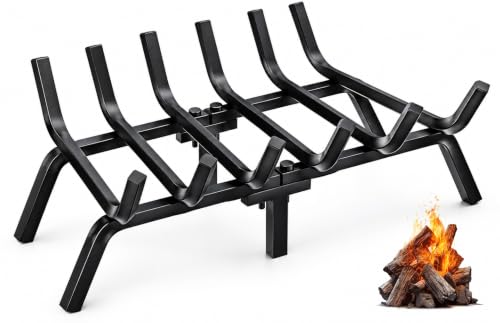
A fireplace grate is a metal frame designed to hold burning logs off the floor of your firebox. By elevating the wood, it allows air to circulate underneath the fire, which improves combustion and reduces smoke. Without a grate, logs sit directly on the hearth, leading to poor airflow, incomplete burning, and a higher risk of damaging the firebox floor. Whether you have a traditional wood-burning fireplace or a more modern setup, a grate is an essential component for efficient and safe operation.
Beyond airflow, a grate also helps contain embers and ash, making cleanup easier and reducing the chance of stray sparks. It can also extend the lifespan of your fireplace by protecting the firebrick or metal base from intense, localized heat. For homeowners looking to maximize the performance of their fireplace accessories, the grate is one of the most impactful upgrades you can make.
Types of Fireplace Grates: Which One Is Right for You?
Not all grates are created equal. The right choice depends on your fuel type, fireplace size, and heating goals. Here are the most common types:
1. Cast Iron Grates
Cast iron is the traditional standard for wood-burning fireplaces. It is durable, heat-resistant, and holds up well under high temperatures. Cast iron grates are often available in entry-level to premium tiers, with mid-range models offering thicker bars and better welds for longer life. They are heavy, so they stay in place, but they can rust if left in a damp fireplace during the off-season.
2. Steel Grates
Steel grates are lighter and often more affordable than cast iron. They come in both solid steel and tubular designs. Tubular steel grates are popular because they allow better airflow and are less likely to warp. However, steel can corrode over time, especially if exposed to moisture. For a budget-friendly option that still performs well, a steel grate is a solid choice.
3. Grates for Gas Fireplaces
Gas fireplaces typically use a different type of grate, often called a gas log set grate. These are designed to hold ceramic logs and are usually part of the burner assembly. They are not interchangeable with wood-burning grates. If you have a gas fireplace, you should consult your owner's manual or a professional before replacing any components.
4. Pellet Stove Grates
Pellet stoves use a specialized grate or burn pot, which is typically part of the stove's combustion system. These are not standard fireplace grates and should only be replaced with manufacturer-approved parts.
Material Comparison at a Glance
| Material | Durability | Heat Resistance | Maintenance | Best For |
|---|---|---|---|---|
| Cast Iron | Excellent | Excellent | Moderate (rust prevention) | Heavy-duty wood burning |
| Steel | Good | Good | Low (occasional inspection) | Budget-friendly setups |
| Stainless Steel | Very Good | Very Good | Low (corrosion-resistant) | High-humidity or coastal areas |
How to Size a Fireplace Grate Correctly
Getting the size right is critical. A grate that is too large can damage the firebox walls, while one that is too small may not support your logs properly. Here is a simple guide:
- Measure your firebox: Measure the width and depth of the inside of your fireplace at the floor level.
- Allow clearance: The grate should be at least 2–3 inches smaller than the firebox width and depth to allow for airflow and expansion.
- Consider log length: The grate should be long enough to support the logs you typically burn. Standard grates range from 18 to 30 inches.
- Height matters: A grate that is too tall can make it difficult to load logs; too short and airflow suffers. A height of 4–6 inches is typical for most fireplaces.
For a more detailed breakdown of heating capacity and room sizing, see our guide on fireplace heating capacity. If you are unsure about your fireplace's dimensions, it is always best to consult a professional.
Maintenance and Safety Tips for Fireplace Grates
A well-maintained grate lasts longer and performs better. Here are key practices:
- Clean regularly: Remove ash and debris after each use to prevent corrosion and ensure proper airflow.
- Inspect for damage: Check for cracks, warping, or broken bars before each heating season. A damaged grate can collapse and send logs rolling.
- Prevent rust: If your grate is cast iron or steel, keep it dry. During the off-season, remove it from the fireplace, clean it, and store it in a dry place. A light coat of oil can help prevent rust.
- Use the right fuel: Burn only seasoned hardwood to reduce creosote buildup, which can also affect grate longevity.
- Safety first: Always use a fireplace screen to contain sparks, and keep a fire extinguisher nearby. Ensure your carbon monoxide detector is working.
For a comprehensive maintenance routine, refer to our fireplace maintenance schedule and chimney cleaning guide.
How to Choose the Best Fireplace Grate for Your Home
When shopping for a grate, consider these factors:
- Material: Cast iron for durability, steel for affordability, stainless steel for corrosion resistance.
- Size: Match the grate to your firebox dimensions with proper clearance.
- Design: Consider bar spacing, shape (flat, curved, or basket), and leg height.
- Compatibility: Ensure it is designed for your fuel type (wood, gas, or pellet).
- Quality tier: Entry-level grates are functional; mid-range offers better materials and welds; premium and luxury grates provide superior durability and design.
If you are also upgrading other parts of your fireplace, you may want to explore fireplace grates alongside fireplace tool sets, fireplace doors, and mantels. For those considering a larger renovation, our fireplace remodel ideas can provide inspiration.
Frequently Asked Questions About Fireplace Grates
Final Thoughts
Investing in the right fireplace grate is a small step that yields big returns: better heat, less smoke, and a safer fire. By understanding the types, materials, and sizing, you can make an informed decision that enhances your fireplace experience for years to come. Whether you are upgrading an old grate or outfitting a new fireplace, choose a quality piece that matches your needs and enjoy the warmth and ambiance of a well-tended fire.
For more ways to improve your fireplace, explore our guides on energy-efficient fireplace types, fireplace safety tips, and fireplace buying guide.