Firewood Storage Ideas: A Complete Guide for Your Home
Keep your firewood dry, seasoned, and ready to burn. Explore the best indoor and outdoor storage solutions for a cleaner, more efficient fireplace experience.
VIEW RECOMMENDED PRODUCTSThe Importance of Proper Firewood Storage: How you store your firewood directly impacts how well it burns. Proper storage protects wood from moisture, pests, and rot, ensuring a hotter, cleaner fire with less smoke and creosote buildup. This guide will walk you through the best storage ideas for every space and need.
Why Proper Firewood Storage Matters
Storing firewood correctly is not just about tidiness; it is a critical part of fireplace maintenance and safety. Wet or unseasoned wood can lead to a host of problems, including:
- Poor Combustion: Wet wood burns inefficiently, producing more smoke and less heat.
- Creosote Buildup: Incomplete combustion creates creosote, a highly flammable substance that can accumulate in your chimney. This is a leading cause of chimney fires. For more information, see our guide on creosote buildup prevention.
- Pest Infestation: Damp wood attracts termites, carpenter ants, and other insects that can find their way into your home.
- Mold and Mildew: Moisture encourages fungal growth, which can release spores into your home's air, affecting indoor air quality.
By investing in a proper storage solution, you protect your home, improve your fireplace's efficiency, and ensure every fire is a safe and enjoyable one. This is a key part of overall fireplace safety.
Key Principles of Firewood Storage
Regardless of the specific storage idea you choose, there are a few universal principles to follow:
- Keep It Off the Ground: Ground moisture will wick up into your wood, causing rot. Always use a rack or pallet to elevate the wood.
- Ensure Air Circulation: Air needs to flow around the wood to dry it and prevent mold. Avoid stacking wood tightly against walls.
- Protect from Rain and Snow: While a little rain won't ruin wood, constant moisture is the enemy. A roof or cover is essential for long-term storage.
- Allow for Sunlight: Sunlight helps with the drying (seasoning) process.
- Location is Key: Store firewood close to your home for convenience, but not directly against it, to avoid pest issues.
Indoor Firewood Storage Ideas
Having a small supply of firewood indoors is convenient and adds a rustic touch to your decor. However, it's important to only bring in enough wood for a few days, as storing large quantities indoors can attract pests.
1. Firewood Racks and Holders
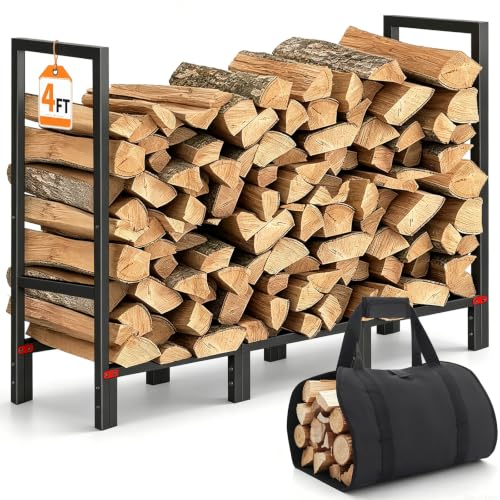
A dedicated firewood holder is the most common and practical indoor solution. These come in various styles, from simple metal frames to elegant wrought-iron designs that complement your fireplace accessories. Look for a rack with a raised base to keep wood off the floor and a compact design to fit in tight spaces.
2. Stylish Log Baskets
Woven baskets, canvas carriers, or metal buckets can serve as charming and portable storage. They are perfect for holding a day's worth of wood and can be easily carried from your main storage area to the fireplace. This is a great way to keep your main stack outside and only bring in what you need.
3. Built-in Nooks and Shelves
If you're remodeling or have a custom fireplace, consider incorporating a built-in cubby or shelves into the design. This creates a seamless and dedicated space for your firewood. A fireplace wall with integrated storage is both functional and aesthetically pleasing. For ideas, explore our fireplace remodel ideas.
Outdoor Firewood Storage Ideas
For most homeowners, the majority of firewood will be stored outdoors. This allows for proper seasoning and keeps pests out of the house. Here are the most effective outdoor storage solutions:
1. Classic Firewood Racks
Free-standing outdoor firewood racks are a popular choice. They are designed to be placed against a wall or fence and typically feature a slanted roof to shed water. They are available in various materials like steel and wood, offering different levels of durability and aesthetic appeal. Look for "mid-range" to "premium" models with a powder-coated finish for better weather resistance.
2. Dedicated Firewood Sheds
A firewood shed is the ultimate solution for serious wood burners. These structures are designed to protect wood from the elements while allowing for maximum airflow. They can be simple lean-tos or more elaborate structures that double as a garden feature. A good shed will have a raised floor, open sides, and a waterproof roof. This is an investment that pays off in the form of perfectly seasoned wood. For those considering a DIY project, building a shed is similar to other DIY outdoor fireplace structures.
3. Simple Pallet and Post Solutions
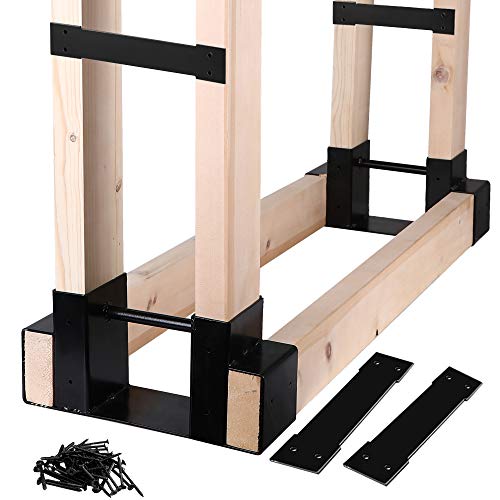
For a budget-friendly option, you can create a simple rack using a wooden pallet (or two) as a base to keep wood off the ground, and a couple of sturdy metal posts driven into the ground at each end to hold the stack in place. This provides excellent airflow and is easy to set up. You can top it with a tarp or a piece of corrugated metal for rain cover.
4. Under-Deck or Overhang Storage
If you have a deck, porch, or roof overhang, you have a perfect natural shelter for firewood. Storing wood here protects it from rain and snow while still allowing for airflow. Just ensure it's not blocking any vents or access points.
Indoor vs. Outdoor Storage: A Quick Comparison
To help you decide on the best setup for your home, here is a comparison of the two primary storage types.
| Feature | Indoor Storage | Outdoor Storage |
|---|---|---|
| Convenience | High (immediate access) | Low to Medium (requires going outside) |
| Pest Risk | High (can attract insects into the home) | Low (keeps pests away from the main living area) |
| Capacity | Low (a few days' worth of wood) | High (entire season's supply) |
| Aesthetic Impact | High (can be a decor feature) | Low to Medium (can be a garden feature) |
| Best For | Daily convenience and ambiance | Seasoning and long-term storage |
The ideal approach is often a combination of both: a large outdoor shed or rack for seasoning and bulk storage, and a smaller, stylish indoor holder for daily use.
Common Firewood Storage Mistakes to Avoid
To get the most out of your firewood, steer clear of these common pitfalls:
- Storing Wood Against Your House: This creates a perfect bridge for termites and other pests to enter your home. Keep a gap of at least a few inches, preferably more.
- Using a Tarp to Tightly Cover Wood: This traps moisture inside, leading to rot and mold. If you use a tarp, only cover the top, leaving the sides open for airflow.
- Stacking Wood Directly on the Ground: This is the fastest way to ruin your firewood. Always use a rack or pallet.
- Burning Unseasoned Wood: This is inefficient, creates excess smoke, and contributes to creosote buildup. Learn about proper wood fireplace maintenance to get the most from your fires.
- Ignoring Pests: If you see signs of pests in your outdoor stack, don't bring that wood inside. Treat the problem outside first.
Maximizing Your Fireplace Experience
Proper firewood storage is just one piece of the puzzle. To ensure your fireplace is always ready for a cozy evening, consider these related topics:
- Learn the Basics: If you're new to wood burning, our beginner's guide to fireplaces is a great place to start.
- Choose the Right Tools: A good set of fireplace tools makes managing your fire safer and easier.
- Keep It Clean: Regular cleaning, such as knowing how to clean fireplace glass, keeps your fireplace looking its best.
- Prepare for Winter: Follow our winter fireplace preparation guide to make sure you're ready for the cold season.