Average Cost of Chimney Sweep and Inspection
Everything you need to know about chimney sweep pricing, inspection levels, and how to budget for proper fireplace maintenance.
Why This Matters: A clean and well-inspected chimney is essential for home safety and fireplace efficiency. Understanding the cost structure helps you plan ahead and avoid unexpected expenses.
If you own a home with a wood-burning fireplace, gas fireplace, or pellet stove, regular chimney maintenance is not optional—it is a necessity. The average cost of a chimney sweep and inspection varies based on several factors, including your location, the type of chimney, and the level of service you need. This guide breaks down everything you need to know to budget effectively and choose the right professional for the job.
Understanding the costs involved allows you to make informed decisions and ensures your fireplace remains safe and efficient. Whether you are a first-time homeowner or a seasoned property investor, knowing what to expect can save you from costly surprises down the road. For a broader overview of maintaining your fireplace, explore our fireplace maintenance guide.
What Determines the Average Cost of a Chimney Sweep and Inspection?
Several key factors influence the total price you will pay for chimney services. Understanding these variables helps you anticipate costs and compare quotes accurately.
Key Cost Factors
- Type of Chimney and Fuel: Wood-burning chimneys typically require more labor than gas or electric alternatives because of creosote and soot buildup. Gas and oil chimneys may produce different types of residue that require specialized cleaning methods. If you are considering a change, our guide on types of fireplaces can help you understand the differences.
- Level of Inspection: The National Fire Protection Association (NFPA) defines three levels of chimney inspection. A Level 1 inspection is basic and included with most sweeps. Level 2 and Level 3 inspections are more comprehensive and cost more.
- Chimney Condition and Accessibility: A chimney with heavy creosote buildup, blockages, or difficult roof access will take longer to clean. If your chimney has a stuck damper or other mechanical issues, expect additional charges.
- Geographic Location: Labor rates vary significantly by region. Urban areas and regions with higher living costs typically have higher service rates than rural areas.
- Additional Services: Services like cap installation, masonry repair, or chimney liner installation will increase your total bill.
Types of Chimney Services and Their Cost Ranges
Chimney professionals offer a range of services. Understanding what each entails helps you determine what you actually need.
Standard Chimney Sweep (Level 1 Inspection Included)
This is the most common service. A standard sweep involves removing creosote, soot, and debris from the flue, firebox, and smoke chamber. Most companies include a Level 1 inspection with this service. According to industry data, this service typically falls into the entry-level to mid-range tier for basic maintenance. For a deeper dive into the cleaning process, see our chimney cleaning guide.
Level 2 Inspection
A Level 2 inspection is required when you are buying or selling a home, after a chimney fire, or after any change in the chimney system (like a new liner or appliance). It includes a video scan of the flue interior to detect cracks, gaps, or blockages. This service is more comprehensive and typically falls into the mid-range to premium tier compared to a basic sweep. This is a crucial step when replacing a wood-burning fireplace with a gas insert or making other major changes.
Level 3 Inspection
Level 3 inspections are rare and are only performed when a serious hazard is suspected. They may require dismantling parts of the chimney or building structure to access concealed areas. This is a premium to luxury tier service due to the extensive labor and potential for reconstruction. This level of inspection is often necessary when dealing with issues like severe creosote buildup or structural damage.
Additional Services
- Chimney Cap Installation: Protects the flue from rain, animals, and debris. This is a budget-friendly add-on.
- Masonry Repairs: Fixing cracks in the crown, brickwork, or mortar. Costs vary widely based on the extent of damage. This is a mid-range to premium service.
- Chimney Relining: Installing a new liner is a significant investment, often in the premium to luxury tier. This is common when replacing a wood-burning fireplace with an electric model or upgrading to a high-efficiency appliance.
What Is Typically Included in a Chimney Sweep and Inspection?
When you hire a certified chimney sweep, the service usually includes the following:
- Removal of creosote, soot, and debris from the firebox, damper, smoke chamber, and flue.
- A visual inspection of accessible parts of the chimney, including the firebox, damper, and visible sections of the flue.
- Checking for blockages, such as bird nests or leaves.
- An assessment of the chimney's overall condition, noting any cracks, deterioration, or signs of water damage.
- A written report or verbal summary of findings, with recommendations for any necessary repairs.
Some companies also include a basic check of the chimney cap and crown. It is always a good idea to ask what is included before booking, especially if you have specific concerns like a fireplace smoke problem or a draft issue.
How Often Should You Schedule a Chimney Sweep and Inspection?
The frequency depends on how often you use your fireplace and the type of fuel you burn.
- Wood-Burning Fireplaces: The NFPA and CSIA recommend an annual inspection, with sweeping as needed. If you burn wood frequently, you may need a sweep every year. If you only burn occasionally, you might be able to go longer between sweeps, but annual inspections are still advised.
- Gas Fireplaces: These produce less creosote but can still have issues with debris, nesting animals, or condensation. An annual inspection is recommended to ensure safe operation. For maintenance tips, see our gas fireplace maintenance guide.
- Pellet Stoves: These require more frequent cleaning—often after every few weeks of use—because of ash and fly ash accumulation. Professional servicing is recommended annually. Our pellet stove maintenance guide covers this in detail.
- Oil Furnaces: These should be inspected and cleaned annually to prevent soot and sulfur buildup.
Regular maintenance is part of a comprehensive fireplace maintenance schedule. It also extends the lifespan of your fireplace.
How to Choose a Qualified Chimney Sweep
Hiring the right professional is just as important as understanding the cost. Here are key tips:
- Look for Certifications: The Chimney Safety Institute of America (CSIA) certifies chimney sweeps. A CSIA-certified technician has passed rigorous exams and adheres to a code of ethics.
- Ask for Proof of Insurance: A reputable company will carry liability insurance and workers' compensation. This protects you if an accident occurs on your property.
- Get Multiple Quotes: Prices can vary. Getting at least three quotes helps you understand the local market rate and ensures you are not overpaying.
- Read Reviews: Check online reviews and ask for references. A company with a strong reputation for quality and customer service is worth the investment.
- Beware of Scams: Be cautious of companies that use high-pressure sales tactics or offer unusually low prices. They may not be qualified or may use the opportunity to upsell unnecessary services.
If you are handy, you might consider a DIY fireplace inspection checklist for basic checks, but professional sweeping and Level 2 inspections should always be done by a certified expert. For complex installations or repairs, always hire a professional, as discussed in our guide on DIY vs professional installation.
Is the Cost Worth It? The Value of Professional Chimney Care
While the average cost of a chimney sweep and inspection is a planned expense, it is a small price to pay for peace of mind and safety. Here is why it is worth it:
- Prevents Chimney Fires: Creosote is highly flammable. Regular sweeping removes this hazard.
- Protects Against Carbon Monoxide: A blocked or damaged flue can cause carbon monoxide to enter your home. An inspection can detect these issues. Learn about the signs of carbon monoxide from a fireplace.
- Improves Efficiency: A clean chimney drafts better, which means your fireplace burns more efficiently and produces more heat.
- Extends Appliance Life: Regular maintenance can prevent major damage and extend the life of your fireplace or stove.
- Identifies Small Problems Early: A professional can spot minor issues (like a cracked crown or a damaged liner) before they become major, expensive repairs.
- Adds Value to Your Home: A well-maintained chimney is a selling point. A fireplace can add value to your home, and a clean inspection report supports that value.
Considering the alternative—a chimney fire or a carbon monoxide incident—the cost is a wise investment. It is also a key part of hidden costs of owning a fireplace that homeowners should budget for.
Ready to Find the Best Fireplace for Your Home?
Now that you understand the maintenance costs, explore our recommended fireplaces and find the perfect fit for your space and lifestyle.
View Recommended FireplacesFrequently Asked Questions
Does a chimney sweep include an inspection?
Most professional chimney sweeps include a Level 1 inspection with a standard cleaning. This is a visual check of accessible parts of the chimney. If you need a more detailed inspection (Level 2 or 3), it is usually an additional service.
How long does a chimney sweep and inspection take?
A standard sweep and Level 1 inspection typically take 45 minutes to 1 hour. A Level 2 inspection can take 1 to 2 hours, depending on the complexity of the chimney. A Level 3 inspection can take much longer and may require a return visit.
Can I clean my own chimney?
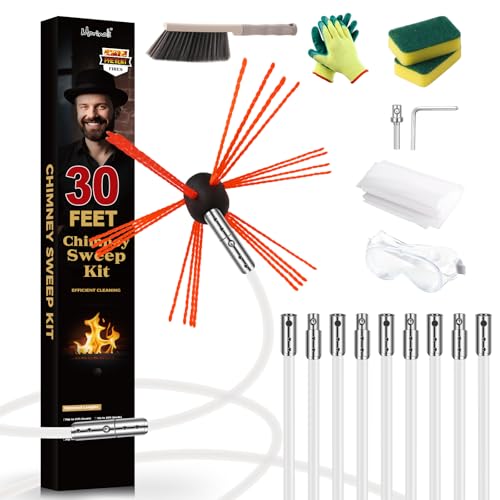
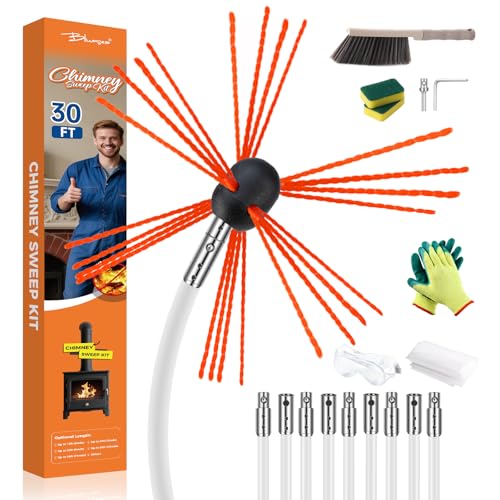
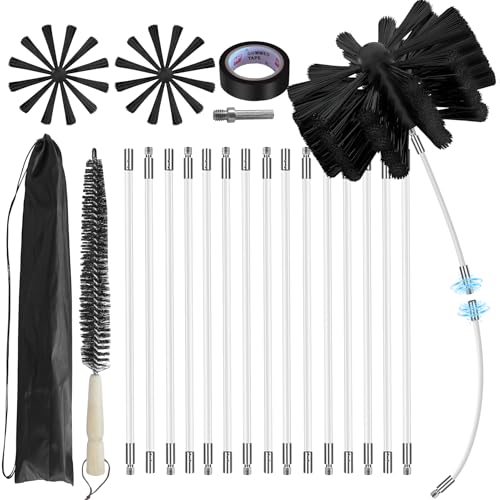
While it is possible to clean your own chimney with the right tools and safety equipment, it is not recommended for most homeowners. Professional sweeps have the training, experience, and equipment to do a thorough and safe job. They can also spot potential hazards that you might miss. For basic maintenance, you can follow a DIY inspection checklist, but leave the heavy cleaning to the pros.
What is creosote, and why is it dangerous?
Creosote is a tar-like substance that forms when wood burns. It is highly flammable and can accumulate inside the flue. If it ignites, it can cause a dangerous chimney fire. Regular sweeping removes creosote and is the primary defense against chimney fires. Learn more about creosote buildup prevention.
Do gas fireplaces need to be swept?
Yes, though less frequently than wood-burning fireplaces. Gas fireplaces can accumulate debris, and their flues can be affected by condensation and corrosion. An annual inspection is still recommended. Regular gas fireplace maintenance is important for safety and efficiency.