
Stand Alone Ventless Propane Fireplace: The Complete Guide
Discover the freedom and flexibility of a freestanding ventless propane fireplace. Learn how these innovative heating solutions can transform your space without the need for a chimney or extensive renovations.
Explore Top PicksA stand alone ventless propane fireplace represents the perfect fusion of portability, efficiency, and classic design. Unlike traditional built-in units that require extensive construction, these freestanding units offer a flexible solution for homeowners and renters alike. Whether you're looking to add warmth to a living room, a cozy cabin, or a sunroom, a freestanding ventless propane fireplace provides the ambiance of a real fire with the convenience of modern technology.
This comprehensive guide will walk you through everything you need to know about stand alone ventless propane fireplaces, from how they work and where to place them, to efficiency ratings, safety considerations, and maintenance requirements. By the end, you'll have the knowledge to make a confident purchase decision that aligns with your heating needs and aesthetic preferences.
What Is a Stand Alone Ventless Propane Fireplace?
A stand alone ventless propane fireplace, also known as a freestanding ventless gas stove or heater, is a self-contained unit that burns propane to produce a real flame without requiring a chimney, flue, or external venting system. The term "ventless" (or "vent-free") means that the combustion byproducts are designed to be released directly into the room at safe, minimal levels.
These units are typically portable or semi-portable, meaning they can be moved from room to room if desired, and they require only a propane tank or a propane line connection to operate. Many models are designed to resemble traditional wood stoves or classic fireplaces, offering a nostalgic aesthetic with modern performance. For those who want the look and feel of a fireplace without the structural commitment, this is an excellent choice. If you are still weighing your options, our guide on which fireplace is right for your home can help you compare different types.
How Does a Ventless Propane Fireplace Work?
Understanding the mechanics of a ventless propane fireplace is key to appreciating its advantages. Here's a simplified breakdown:
1. Propane Combustion
The fireplace is connected to a propane source, either a small refillable tank or a larger household propane line. The propane is fed to a burner where it is ignited, creating a real flame.
2. Heat Generation
The burning propane generates heat, which is dispersed into the room via convection (natural air circulation) or a blower fan. Many models include ceramic logs or embers that glow to enhance realism.
3. Ventless Operation
Unlike vented fireplaces, the combustion gases (primarily carbon dioxide and water vapor) are released directly into the room. Modern ventless fireplaces are engineered to burn propane with high efficiency, producing minimal emissions that are safe for indoor use.
4. Safety Features
Most units come with an Oxygen Depletion Sensor (ODS) that automatically shuts off the fireplace if oxygen levels drop below a safe threshold, ensuring peace of mind.
Types of Stand Alone Ventless Propane Fireplaces
While all stand alone ventless propane fireplaces share the core principle of vent-free operation, they come in several distinct styles to suit different tastes and spaces:
- Freestanding Stoves: These resemble traditional wood-burning stoves and are often made of cast iron or steel. They have a classic, rustic appeal and can be placed almost anywhere with adequate clearance. Some models, like a freestanding ventless gas fireplace with blower, offer enhanced heat distribution.
- Fireplace Inserts: While technically not "stand alone," a ventless propane fireplace insert can be placed into an existing fireplace opening. However, for a truly freestanding option, look for units that are designed to be placed against a wall or in a corner.
- Corner Units: Designed specifically for corner placement, these space-saving models can efficiently heat a room without dominating the floor plan. You might also consider a free standing propane fireplace indoor model that is designed for corner or flat-wall placement.
- Modern Linear Units: For a contemporary aesthetic, some ventless propane fireplaces feature linear burners with glass surrounds and minimalistic designs.
- Tabletop and Portable Units: Small, portable propane fireplaces are available for camping or patio use, but these are typically not rated for indoor heating. For outdoor use, consider portable propane fire pits for camping.
Pros and Cons of Stand Alone Ventless Propane Fireplaces
✅ Advantages
- No Venting Required: The biggest advantage is that you don't need a chimney or flue, making installation simple and cost-effective. This is a major plus if you live in an apartment or a home without existing fireplace infrastructure.
- High Efficiency: Because no heat escapes through a chimney, nearly 100% of the heat is delivered into the room. This makes them highly efficient compared to vented models.
- Portability: Many stand alone units are portable, allowing you to move them from room to room as needed.
- Installation Flexibility: You can place them almost anywhere with proper clearance, including basements, garages, and sunrooms. For more details, see our guide on adding a fireplace to an existing home.
- Real Flame: Unlike electric fireplaces, ventless propane units produce a real, dancing flame, providing authentic ambiance.
- Zone Heating: They are excellent for heating a specific area, allowing you to lower your central thermostat and save on energy bills. Learn more in our article on fireplace energy saving tips.
⚠️ Disadvantages
- Indoor Air Quality: While safe, ventless fireplaces do release some moisture and carbon dioxide into the air. They should not be used in small, tightly sealed rooms without proper air circulation.
- Oxygen Depletion: All ventless units come with an ODS, but they still consume oxygen. It's important to follow the manufacturer's guidelines for room size and ventilation.
- Propane Storage: If you use a portable tank, you'll need to store it safely and refill it periodically. This can be inconvenient for some users.
- Not for Bedrooms or Small Rooms: Due to oxygen consumption and emissions, many manufacturers advise against using ventless propane fireplaces in bedrooms or very small enclosed spaces.
- Moisture: Propane combustion produces water vapor, which can increase indoor humidity. If your home is already humid, this could be a concern. For more information on maintaining a healthy indoor environment, see our guide on why a fireplace might make a room colder.
Efficiency and Heating Capacity
Stand alone ventless propane fireplaces are renowned for their high efficiency. Because they do not lose heat through a chimney, they can achieve efficiency ratings of up to 99%. This means almost all the heat generated is used to warm your room.
Heating capacity is typically measured in British Thermal Units (BTUs). Most freestanding ventless propane fireplaces have adjustable heat settings, usually ranging from 20,000 to 30,000 BTUs. This is sufficient to heat an area of roughly 500 to 1,000 square feet, depending on insulation, ceiling height, and climate.
To determine the right size for your space, it's important to calculate your BTU needs. Our guide on heating capacity explained (BTU guide) provides a simple formula. Additionally, check out our article on how to size a fireplace to ensure you choose a unit that will effectively warm your room without overheating it.
| Feature | Stand Alone Ventless Propane Fireplace | Vented Gas Fireplace |
|---|---|---|
| Efficiency | Up to 99% | 60%–80% |
| Venting Required | No | Yes (Chimney or Direct Vent) |
| Installation | Easy, flexible placement | Complex, requires professional installation |
| Indoor Air Quality | Releases minimal emissions; requires ventilation | Emissions are vented outside |
| Heating Capacity | Zone heating (500–1,000 sq. ft.) | Can heat larger areas; may be used as primary heat |
Safety and Ventilation Requirements
Safety is paramount when using any ventless appliance. While modern stand alone ventless propane fireplaces are designed with safety features like Oxygen Depletion Sensors (ODS) and automatic shut-off valves, it's crucial to follow the manufacturer's guidelines for safe operation.
Key Safety Tips:
- Ventilation: Always ensure the room has adequate ventilation. If the manufacturer specifies a minimum room size (e.g., 500 square feet), do not install the unit in a smaller space.
- Clearances: Maintain the required clearances from walls, furniture, and flammable materials. This is critical for preventing fire hazards. Our guide on furniture distance from fireplace provides general guidelines.
- ODS: Never disable or tamper with the Oxygen Depletion Sensor. It is a vital safety feature that shuts off the fireplace if oxygen levels drop.
- Regular Inspection: Inspect your propane connections and hoses for leaks regularly. A simple soapy water test can reveal leaks. For a comprehensive checklist, see our DIY fireplace inspection checklist.
- Carbon Monoxide: Although ventless fireplaces produce very low levels of carbon monoxide, it is still a good practice to install a carbon monoxide detector in the same room. Learn more about the signs of carbon monoxide from a fireplace in our article on carbon monoxide signs from fireplace.
- Never Leave Unattended: Always turn off the fireplace when leaving the house or going to sleep. Avoid leaving a fireplace on overnight.
Adhering to these safety practices ensures that your stand alone ventless propane fireplace remains a safe and enjoyable addition to your home. For a deeper dive into safety, consult our fireplace FAQ section.
Installation and Placement Guide
One of the most appealing aspects of a stand alone ventless propane fireplace is the ease of installation. Unlike built-in units, these freestanding models do not require a chimney or complex venting. Here’s a general overview of the process:
For those who are handy, DIY ventless fireplace installation is often feasible, but for gas connections, professional assistance is always the safest route. You can learn more about the pros and cons of DIY in our article on DIY vs professional fireplace installation.
Maintenance and Care
To ensure your stand alone ventless propane fireplace operates safely and efficiently for years, regular maintenance is essential. The good news is that these units require less maintenance than wood-burning stoves or vented fireplaces.
- Cleaning: Dust the exterior regularly with a soft cloth. Clean the glass front (if applicable) with a non-ammonia glass cleaner. For more tips, see our guide on how to clean fireplace glass.
- Burner Inspection: Periodically inspect the burner for dust or debris. A soft brush can be used to clean it gently. Our article on how to clean a gas fireplace burner provides step-by-step instructions.
- Propane Connections: Check hoses and connections for cracks or leaks every few months. Replace any worn parts immediately.
- Annual Service: It's a good idea to have a qualified technician inspect the unit annually, especially if it's used frequently. They can check the ODS, clean internal components, and ensure everything is in proper working order. Refer to our gas fireplace maintenance guide for more details.
- Seasonal Care: If you won't be using the fireplace for an extended period, disconnect the propane tank and store it safely outdoors. Cover the unit to protect it from dust. Our summer fireplace care article offers tips for off-season maintenance.
Troubleshooting Common Issues
Even the most reliable appliances can encounter issues. Here are a few common problems and their solutions:
- Fireplace Won't Light: Check if the propane tank is empty, the pilot light is out, or the batteries in the ignition system need replacing. For a more detailed guide, see gas fireplace won't light.
- Pilot Light Keeps Going Out: This could be due to a dirty pilot tube, a faulty thermocouple, or a draft. Our article on pilot light keeps going out offers solutions.
- Weak Flame: A weak flame can indicate low propane pressure or a clogged burner. Check the propane level and clean the burner. Learn more at gas fireplace weak flame.
- Smells Like Gas: If you smell gas, turn off the unit immediately, ventilate the area, and check for leaks. If the smell persists, contact a professional. See our safety guide on fireplace smells like gas.
- Noise: Some noise is normal, but excessive noise could indicate a problem with the blower or fan. Our article on fireplace making noise can help diagnose the issue.
For more troubleshooting tips, visit our comprehensive fireplace troubleshooting section.
How to Choose the Best Stand Alone Ventless Propane Fireplace
With so many options on the market, selecting the right unit can feel overwhelming. Here are the key factors to consider:
By carefully evaluating these factors, you can find a stand alone ventless propane fireplace that perfectly suits your heating needs and enhances your home's ambiance.
Related Guides and Ideas
Expand your knowledge with these related articles:
- Types of Fireplaces Explained: Electric, Gas, Wood & Ethanol
- Electric vs Gas vs Wood: Which Is Best?
- Pros & Cons of Each Fireplace Type
- Fireplace for Small Spaces & Apartments
- Can a Fireplace Heat an Entire House?
- Do You Need a Chimney or Vent?
- Gas Fireplace Installation Requirements
- Most Energy-Efficient Fireplace Types
- How Much Does a Fireplace Cost?
- Hidden Costs of Owning a Fireplace
- Monthly & Yearly Maintenance Schedule
- Annual Fireplace Inspection Guide
- Gas Fireplace Inspection: Key Points
- How Much to Run a Fireplace Daily?
- What Is the Lifespan of a Fireplace?
- Best Fireplace for Actual Heating?
Recommended Stand Alone Ventless Propane Fireplaces
⚠️ AFFILIATE DISCLOSURE: This website contains affiliate links. As an Amazon Associate, we earn from qualifying purchases. If you make a purchase through these links, we may receive a small commission at no additional cost to you. Read our full affiliate policy.

Duluth Forge Dual Fuel Ventless Gas Fireplace Insert - 32,000 BTU, Remote Control - Model# FDF400RT-ZC
Check price on Amazon
Duluth Forge Ventless Liquid Propane Gas Log Set - 24 in. Split Oak, 33,000 BTU, Remote Control - Model# DLS-L24R-1
Check price on Amazon
Comfort Glow Dual Fuel Ashen Grey Vent Free Gas Fireplace, 26K BTU GFD3840T | Natual Gas or Liquid Propane Fireplace, Adjustable Thermostat, Heats up to 900 sq ft Area, Electronic Spark Ignition, ODS
Check price on Amazon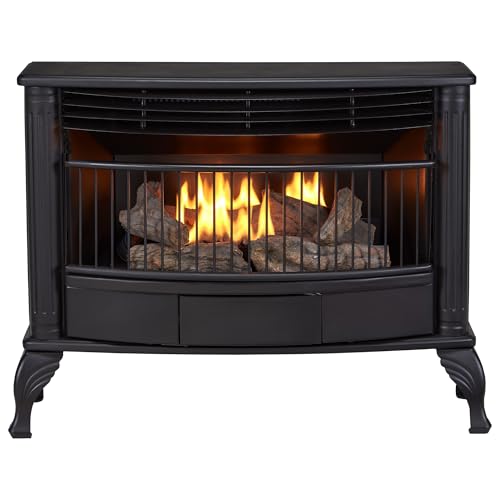
Duluth Forge Ventless Liquid Propane Gas Stove - 25,000 BTU, T-Stat Control, Black Finish - Model# QSL250T
Check price on Amazon
Duluth Forge Ventless Liquid Propane Gas Log Set - 24 in. Split Red Oak, 33,000 BTU, T-Stat Control - Model# DLS-L24T-1
Check price on Amazon
ProCom Dual Fuel Ventless Gas Fireplace System - 10,000 BTU, T-Stat Control, Apple Spice Finish - Model# FS100T-3AS
Check price on Amazon
Duluth Forge Ventless Liquid Propane Gas Log Set - 24 in. Stacked Oak, 33,000 BTU, Remote Control - Model# DLS-L24R-2
Check price on Amazon
Duluth Forge Dual Fuel Ventless Gas Fireplace Insert - 32,000 BTU, Remote Control - Model# FDI32R
Check price on AmazonDisclaimer
Some content on this site is created with the help of AI. All information is provided for educational purposes only, not as professional advice. We are not responsible for any losses that may arise from the use of this information. By accessing this site, you agree to waive your right to bring legal claims against us related to the use of the information provided. If you do not agree, please leave this site. Read more.