Adding a Fireplace to an Existing Home
A complete guide to retrofitting a fireplace into your current living space. Learn about the best options, installation requirements, and how to choose the right type for your home.
Start Your ProjectRetrofit Made Simple: Adding a fireplace to an existing home is more achievable than ever. Modern ventless and electric options eliminate the need for a traditional chimney, making it possible to install a beautiful fireplace in almost any room.
Why Add a Fireplace to Your Existing Home?
Adding a fireplace is one of the most impactful home improvements you can make. It creates a natural focal point, adds warmth and ambiance, and can increase your home's appeal. For many homeowners, the desire to add a fireplace stems from a wish to create a cozy gathering space or to add a touch of luxury to a living room or bedroom.
Before you begin, it's helpful to understand the fireplace buying guide and the types of fireplaces available. The right choice for a new construction home is often different from the best option for a retrofit. In an existing home, you'll need to consider factors like available space, venting options, and whether you have access to a gas line.
Best Fireplace Types for a Retrofit
When you are adding a fireplace to an existing home, not all types are created equal. Some require major construction, while others are designed specifically for easy installation. Here are the most practical options:
Electric Fireplaces
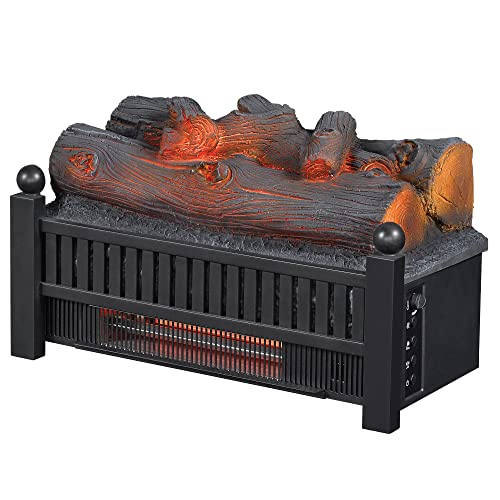
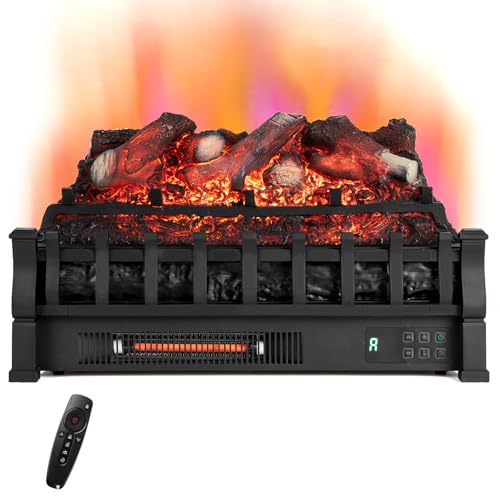
The most flexible option for a retrofit. They require no venting, no gas line, and often no major structural changes. You can plug them in and enjoy them immediately. Many models, like a fireplace insert, are designed to fit into an existing firebox.
- Installation: Simple, often DIY-friendly
- Venting: None required
- Best for: Apartments, bedrooms, and rooms without a chimney
Ventless Gas Fireplaces
These models burn gas and vent directly into the room, eliminating the need for a chimney or flue. They are highly efficient and provide real flames. However, they require a gas line and proper ventilation. A ventless natural gas heater is a great example of this technology.
- Installation: Requires a gas line, no chimney
- Venting: Ventless (direct vent into room)
- Best for: Homes with gas access but no existing chimney
Direct Vent Gas Fireplaces
A direct vent model uses a sealed combustion chamber and a horizontal vent kit that goes directly through an exterior wall. This makes it a great choice for homes without a chimney. Installing a direct vent gas fireplace is a common retrofit project.
- Installation: Requires a gas line and wall venting
- Venting: Direct vent through wall
- Best for: Homes where a wall vent is possible
Wood Burning Inserts
If you already have an old, inefficient masonry fireplace, a wood burning fireplace insert can transform it into a powerful heater. This is a great way to upgrade an existing feature without a full rebuild.
- Installation: Requires a professional and a chimney liner
- Venting: Uses existing chimney (with new liner)
- Best for: Upgrading an existing masonry fireplace
Comparing Retrofit Options at a Glance
| Fireplace Type | Venting Requirement | Installation Complexity | Best For |
|---|---|---|---|
| Electric | None | Low (DIY-friendly) | Any room, apartments, quick upgrades |
| Ventless Gas | None (vents into room) | Moderate (requires gas line) | Rooms with gas access, no chimney |
| Direct Vent Gas | Horizontal wall vent | Moderate to High | Homes where exterior wall venting is possible |
| Wood Insert | Chimney liner required | High (professional install) | Upgrading an existing masonry fireplace |
Key Considerations Before You Install
Before you commit to a project, it's important to plan carefully. Here are the most critical factors to evaluate:
Venting & Chimney
Do you have an existing chimney? If not, you'll need to choose a ventless or direct vent model. Understanding if you need a chimney or vent is the first step. A DIY ventless fireplace is a popular choice for this reason.
Gas Line Access
If you want a gas fireplace, you'll need a gas line. If you don't have one, you'll need to hire a professional to install it. This is a significant factor in the overall fireplace cost breakdown.
Electrical Requirements
Electric fireplaces need a power source. Some models can be plugged into a standard outlet, while higher-output models may require a dedicated circuit. Always check the installation requirements.
Space and Sizing
Measure your space carefully. You'll want to choose a fireplace that is proportional to the room. Use a fireplace sizing guide to determine the right BTU output for your square footage.
The Installation Process: What to Expect
The installation process varies greatly depending on the type of fireplace you choose. For an electric model, you might be able to complete the project in a single afternoon. For a gas or wood-burning unit, you will almost certainly need to hire a professional.
If you're considering a DIY approach, read our guide on DIY vs professional fireplace installation. For gas and wood installations, it's crucial to work with a certified technician to ensure safety and compliance with local codes. You will also likely need a fireplace permit.
For a more detailed overview, see our fireplace installation guide. If you are installing an electric unit into an existing firebox, you might find our guide on installing an electric fireplace into an existing fireplace helpful. For gas, see installing a gas fireplace insert in an existing fireplace.
Cost and Home Value Considerations
The cost of adding a fireplace to an existing home can vary widely based on the type, complexity, and your location. While we don't list specific prices here, you can find a general cost breakdown on our site. It's also wise to consider the hidden costs of owning a fireplace, such as maintenance and fuel.
From a value perspective, a fireplace is often a desirable feature. Many buyers view it as a plus, and it can contribute to your home's overall appeal. To learn more, read about whether a fireplace adds value to your home.
For specific cost guides, you can explore topics like the cost of installing a gas fireplace in an existing home or the cost of converting a wood-burning fireplace to gas.
Maintenance and Efficiency
Once installed, your new fireplace will require some care. Electric models are the lowest maintenance, often only needing occasional dusting. Gas and wood fireplaces require more regular service. You can learn more in our fireplace maintenance section.
For efficiency, modern electric and gas models are excellent choices. If you're curious about running costs, you can compare electric vs gas running costs. You might also want to know if electric fireplaces are expensive to run. For the most efficient options, see our guide on most energy-efficient fireplace types.
Frequently Asked Questions
Ready to Transform Your Home?
Now that you understand the options, you can confidently choose the perfect fireplace for your existing home. Explore our recommended products below to find the right model for your space.
View Recommended Fireplaces