Free Standing Propane Fireplace Indoor: The Complete Guide
Everything you need to know about choosing, installing, and living with a freestanding propane fireplace in your home.
Start LearningWhy Choose a Free Standing Propane Fireplace for Indoor Use?
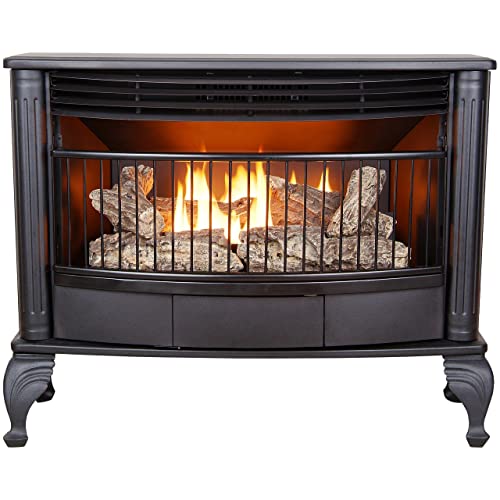
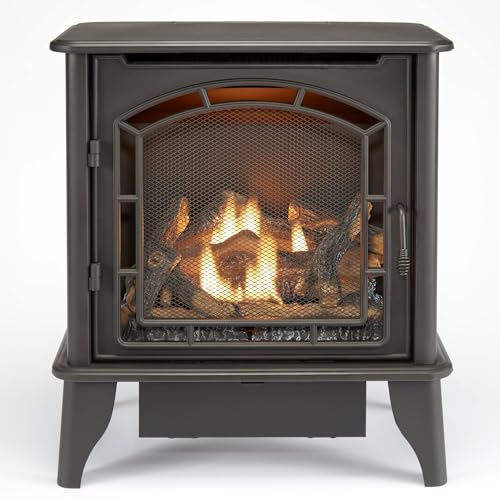
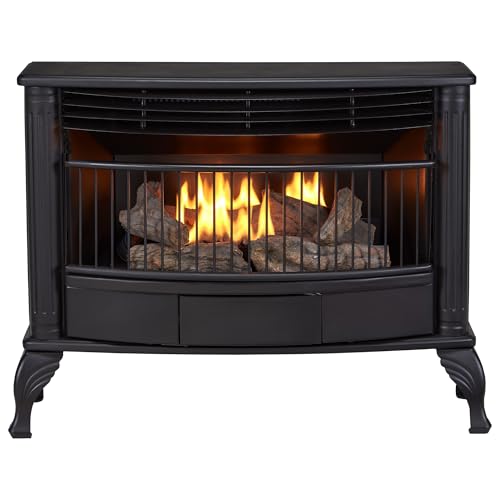
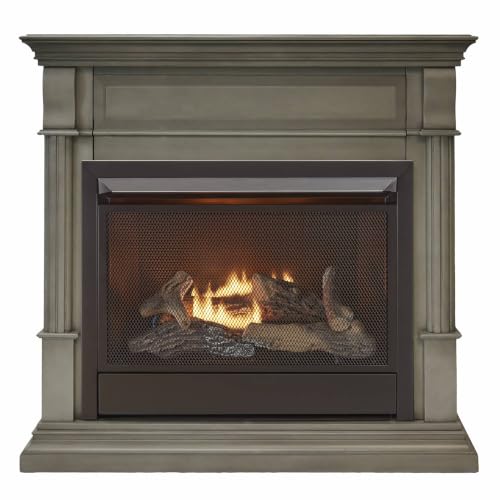
A free standing propane fireplace is one of the most versatile heating solutions for homeowners who want the beauty of a real flame without the mess of a traditional wood-burning hearth. Unlike built-in units that require extensive renovation, a freestanding propane fireplace can be placed almost anywhere in your home, provided you have a propane supply and proper ventilation. This flexibility makes it an excellent choice for living rooms, basements, and even large bedrooms.
What sets propane apart from other fuel sources is its efficiency and convenience. Propane burns cleanly and produces a significant amount of heat, often enough to warm a large room or an open-concept space. For those who are exploring their options, our guide on the differences between built-in and freestanding fireplaces provides a helpful comparison. Many homeowners find that a freestanding unit offers the perfect balance of ambiance and practical heating.
Quick Tip: Propane is a popular fuel for indoor fireplaces because it doesn't create ash or creosote, and modern ventless models are engineered to burn with extremely high efficiency, leaving virtually no residue behind.
How Free Standing Propane Fireplaces Work
Understanding the mechanics of your propane fireplace will help you make an informed decision. A freestanding propane unit operates by drawing propane from either a small refillable tank or a larger household propane supply. The gas flows to a burner assembly, where it is ignited by a pilot light or an electronic ignition system. The resulting flame provides heat, which is then distributed into the room via natural convection or a built-in blower fan.
There are two primary categories of indoor propane fireplaces: vented and ventless. Vented models require a chimney or direct vent pipe to expel combustion byproducts outdoors. Ventless models, also known as vent-free, are designed to burn so cleanly that they can operate without any exterior venting. However, ventless units require careful adherence to clearance and safety guidelines. For a deeper dive into this topic, see our article on whether you need a chimney or vent for your fireplace.
Vented vs. Ventless: What's the Difference?
| Feature | Vented Propane Fireplace | Ventless Propane Fireplace |
|---|---|---|
| Installation | Requires a vent or chimney | No venting required |
| Heat Efficiency | Some heat escapes through the vent | Nearly 100% of heat stays indoors |
| Air Quality | Combustion byproducts exit the home | Relies on clean-burning technology |
| Placement | Must be near an exterior wall | Can be placed almost anywhere |
| Maintenance | Annual chimney inspection recommended | Minimal maintenance, regular cleaning |
For those who want the ultimate flexibility in placement, a ventless model is often the preferred choice. However, it's crucial to follow the manufacturer's instructions regarding room size and ventilation. If you are considering a ventless unit, our article on the stand-alone ventless propane fireplace provides valuable insights into safe operation.
Key Benefits of a Freestanding Propane Fireplace
Homeowners choose freestanding propane fireplaces for a variety of reasons, from aesthetics to practical heating needs. Here are some of the most compelling benefits:
- Exceptional Heating Power: Propane is a high-energy fuel, and freestanding units are often capable of producing enough heat to warm a large living area. If you're wondering about capacity, our guide on heating capacity and BTU is a great resource.
- No Electricity Required: Many models operate entirely without electricity, making them a reliable backup heat source during power outages. You can learn more about this in our FAQ on using a gas fireplace without electricity.
- Realistic Flame: Unlike electric fireplaces, propane models produce a real, dancing flame that creates an authentic and cozy atmosphere.
- Flexible Installation: Freestanding units can be placed in rooms where a built-in fireplace would be impractical or too expensive. This is especially useful in small spaces and apartments.
- Clean Burning: Propane is one of the cleanest-burning fossil fuels, producing fewer emissions than wood or oil.
- Low Maintenance: There is no ash to remove, no wood to haul, and no chimney to sweep in the same way as a wood-burning fireplace. A simple annual inspection is often sufficient, as outlined in our gas fireplace maintenance guide.
These benefits make a freestanding propane fireplace a smart investment for both new construction and home renovations. If you're still exploring fuel types, our comparison of electric, gas, and wood fireplaces can help you weigh the pros and cons.
How to Choose the Right Free Standing Propane Fireplace
With so many models on the market, selecting the right one can feel overwhelming. To simplify the process, focus on these key factors:
1. Room Size and Heating Capacity
The heating capacity of a propane fireplace is measured in BTUs (British Thermal Units). As a general rule, you'll need approximately 20 BTUs for every square foot of space. However, factors like ceiling height, insulation, and window placement also play a role. For a detailed formula, see our guide on how to size a fireplace. A mid-range or premium model will often have adjustable heat settings, allowing you to fine-tune the output.
2. Vented vs. Ventless
As discussed earlier, ventless models offer greater placement flexibility but require strict adherence to room size requirements. Vented models are ideal if you prefer to expel all combustion byproducts outdoors and are willing to accommodate a vent pipe. Your choice will depend on your home's layout and your comfort level with each technology.
3. Style and Design
Freestanding propane fireplaces come in a wide range of styles, from traditional cast-iron stoves to sleek, contemporary linear designs. Consider the existing decor of your room. A rustic or farmhouse style might pair well with a classic stove, while a modern minimalist space might call for a more streamlined unit. You can find inspiration in our article on freestanding small electric fireplaces, as many design principles apply.
4. Safety Features
Look for models equipped with an Oxygen Depletion Sensor (ODS) and a safety shut-off valve. These features are critical for ventless units, as they automatically turn off the fireplace if oxygen levels drop or the flame goes out. For a comprehensive overview of safety, see our article on carbon monoxide signs from fireplaces.
5. Efficiency and Cost of Operation
While we avoid specific pricing, it's important to consider the long-term efficiency of a unit. High-efficiency models may have a higher upfront tier but can save you money on fuel over time. Our articles on most energy-efficient fireplace types and which fireplace saves money long-term can help you evaluate this balance.
Installation and Safety Considerations
Installing a freestanding propane fireplace is a job that should be handled by a licensed professional. This is especially true for vented models, which require precise venting to prevent dangerous backdrafts. For a general overview of the process, see our fireplace installation guide.
Clearance Requirements
Every propane fireplace comes with specific clearance requirements for walls, furniture, and flooring. These clearances are non-negotiable and must be strictly followed. A common mistake is placing furniture too close to the unit, which can be a fire hazard. Our article on how close furniture can be to a fireplace provides detailed guidelines.
Ventilation and Air Quality
Even ventless fireplaces require some air circulation. Manufacturers specify a minimum room volume (usually measured in cubic feet) to ensure safe operation. If your room is too small, you may need to crack a window open or choose a different model. You can read more about this in our article on fireplace ventilation requirements.
Professional Inspection
An annual inspection by a certified technician is recommended to ensure your fireplace is operating safely and efficiently. This is particularly important for gas appliances. Our article on gas fireplace inspection outlines what a professional will check.
Maintenance Tips for Longevity and Safety
A freestanding propane fireplace is relatively low-maintenance, but a little care will keep it running smoothly for years. Here are some essential maintenance tasks:
- Clean the Glass: Soot or film can build up on the glass door. Use a non-abrasive cleaner specifically designed for fireplace glass. See our guide on how to clean fireplace glass.
- Inspect the Burner: Once a year, have a professional clean and inspect the burner assembly to ensure it is free of dust and debris. Our article on cleaning a gas fireplace burner offers a helpful overview.
- Check the Pilot Light: If your unit has a pilot light, ensure it is burning a steady blue flame. A yellow or flickering flame may indicate a problem. See our troubleshooting guide for pilot lights that keep going out.
- Seasonal Check: Before the heating season begins, perform a basic inspection. Our seasonal maintenance checklist is a great resource.
By following these simple steps, you can extend the lifespan of your fireplace and ensure it remains a safe and efficient heat source.
Frequently Asked Questions
Can a freestanding propane fireplace heat an entire house?
While a single freestanding propane fireplace is unlikely to heat an entire house, it can effectively heat a large room or an open-concept living area. For whole-home heating, you would typically need a central furnace or multiple heating sources. Our article on whether a fireplace can heat an entire house explores this in more detail.
Is it safe to leave a propane fireplace on overnight?
Most manufacturers advise against leaving any fireplace unattended for long periods, especially while sleeping. While modern units have safety features, it's always best to follow the manufacturer's guidelines. Our article on leaving a fireplace on overnight discusses the safety considerations.
Do ventless propane fireplaces produce carbon monoxide?
Ventless fireplaces are designed to burn propane very cleanly, producing minimal carbon monoxide. However, they still produce some CO, which is why they require a well-ventilated space and an ODS sensor. You can learn more about CO safety in our article on carbon monoxide signs.
What is the lifespan of a freestanding propane fireplace?
With proper maintenance, a quality freestanding propane fireplace can last 15 to 20 years or more. Regular servicing and timely replacement of worn parts are key to longevity. See our article on fireplace lifespan for more information.
Can I install a freestanding propane fireplace myself?
While some homeowners may be tempted to tackle a DIY installation, it is strongly recommended to hire a licensed professional for gas appliance installation. Improper installation can lead to serious safety hazards. Our article on DIY vs professional installation explains why.
Final Thoughts
A free standing propane fireplace indoor is a fantastic addition to any home, offering a perfect blend of warmth, ambiance, and convenience. By understanding the differences between vented and ventless models, carefully considering your room's size and heating needs, and prioritizing safety, you can select a unit that will provide years of enjoyment. Whether you are looking to supplement your existing heating system or create a cozy focal point in your living room, a freestanding propane fireplace is a choice you can feel confident about.
Before making your final decision, take the time to review your options and consult with a professional. With the right information and a trusted installation team, you'll be enjoying the inviting glow of your new fireplace in no time.