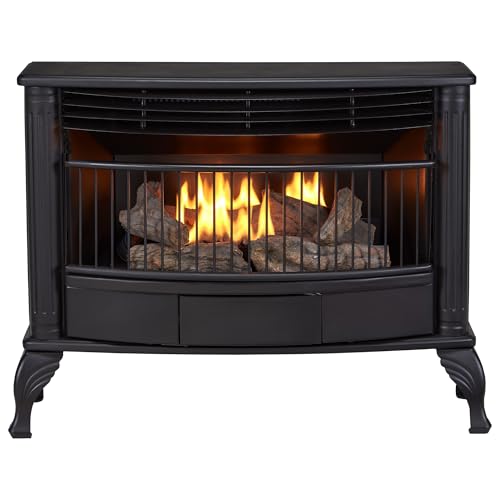
Propane Ventless Fireplace with Blower
Everything you need to know about choosing, installing, and maintaining a propane ventless fireplace with blower for efficient, flexible home heating.
Explore the GuideWhat Is a Propane Ventless Fireplace with Blower?
A propane ventless fireplace with blower combines the convenience of vent-free operation with the heat-distribution power of a built-in fan. Unlike traditional wood-burning or vented gas fireplaces that require a chimney or flue, a ventless propane model burns cleanly enough to release combustion byproducts directly into the room. The blower then circulates that heat throughout your living space, making it a practical supplemental heating solution for homes without existing chimney infrastructure.
These units are particularly popular in apartments, basements, additions, and rooms where running a vent pipe would be costly or impractical. Because they operate on propane, they are ideal for off-grid properties or areas without natural gas access. Understanding how they work and what to look for will help you make a confident purchase decision.
Quick Tip: A ventless propane fireplace with blower typically heats between 700 and 1,400 square feet, depending on BTU output and room insulation. The blower can improve perceived warmth by distributing air more evenly.
How Does a Ventless Propane Fireplace Work?
A propane ventless fireplace uses a sealed combustion system or an oxygen depletion sensor (ODS) to burn propane at very high efficiency. The flame heats a set of ceramic logs or a metal burner, which radiates warmth into the room. Because the combustion is nearly complete, the amount of carbon monoxide and other byproducts produced is minimal—typically below the threshold requiring a chimney.
The blower, usually a quiet fan installed at the bottom or rear of the unit, pulls cool air from the floor, passes it over the heated heat exchanger, and pushes warm air out into the room. This forced-air circulation is what sets blower-equipped models apart from basic radiant-only ventless fireplaces. For a deeper understanding of how blowers work and why they matter, see our guide on fireplace blower fans.
If you are still exploring fuel types, our types of fireplaces explained article provides a helpful comparison. For a direct comparison between vented and ventless options, see vented vs ventless gas fireplace.
Key Benefits of a Propane Ventless Fireplace with Blower
- No chimney or vent pipe required, reducing installation complexity and cost
- High heating efficiency—up to 99% of fuel converted to usable heat
- Blower distributes warmth evenly across the room
- Works during power outages on some models (battery backup blower)
- Ideal for apartments, basements, and homes without existing flues
- Propane is accessible in rural or off-grid locations
- Realistic flame appearance with ceramic logs and glowing embers
- Zone heating can reduce reliance on central heating systems
Pros and Cons of Ventless Propane Fireplaces
Advantages
- No chimney or venting required
- Nearly 100% fuel efficiency
- Lower installation cost compared to vented units
- Can be installed in almost any room
- Blower improves heat distribution significantly
- Operates on propane, ideal for rural areas
Considerations
- Requires adequate room ventilation and size
- Can increase indoor humidity
- Some states or local codes restrict ventless use
- Blower requires electricity (unless battery backup)
- Annual maintenance is essential for safety
- Not a replacement for a primary heating system
Sizing Your Propane Ventless Fireplace: BTU and Room Fit
Choosing the right BTU output is critical for comfort and efficiency. A fireplace that is too small will struggle to heat the room, while an oversized unit may cycle on and off frequently or produce excessive heat in a small space. Most propane ventless fireplaces with blower range from 20,000 to 40,000 BTU.
| Room Size | Recommended BTU | Typical Use Case |
|---|---|---|
| Up to 400 sq ft | 20,000 – 26,000 BTU | Bedrooms, small dens, offices |
| 400 – 800 sq ft | 26,000 – 32,000 BTU | Living rooms, basements |
| 800 – 1,200 sq ft | 32,000 – 38,000 BTU | Open-concept living areas |
| 1,200 – 1,400 sq ft | 38,000 – 40,000 BTU | Large great rooms, additions |
For a more detailed explanation of heating capacity, refer to our heating capacity and BTU guide. If you are considering whether a fireplace can replace your main heating, read can a fireplace heat an entire house.
Installation Requirements and Considerations
Installing a propane ventless fireplace with blower is generally simpler than installing a vented unit, but it still requires careful planning. You will need a propane supply line, a clear wall or floor location, and access to electricity for the blower. Some models are designed for wall mounting, while others are freestanding or insert-style.
Local building codes vary widely. Some jurisdictions prohibit ventless fireplaces altogether, while others require a minimum room volume or permanent ventilation. Always check with your local building department before purchasing. Our gas fireplace installation requirements guide covers the essentials, and do you need a chimney or vent explains when venting is mandatory.
If you are weighing DIY versus professional installation, see DIY vs professional fireplace installation. For a step-by-step overview, visit our fireplace installation guide.
Efficiency, Running Costs, and Value
Propane ventless fireplaces are among the most efficient gas appliances available, often achieving 99% efficiency because no heat is lost through a chimney. The blower further improves efficiency by distributing heat that would otherwise stratify near the ceiling. That said, propane is typically more expensive per BTU than natural gas, so running costs depend heavily on local fuel prices and how often you use the fireplace.
When evaluating long-term value, compare the unit's efficiency rating, blower power consumption, and maintenance requirements. Our articles on electric vs gas running costs and most energy-efficient fireplace types provide useful context. You may also want to review fireplace cost breakdown for a broader view of ownership expenses.
To maximize savings, use the fireplace for zone heating in the room you occupy most, and lower your central thermostat accordingly. See fireplace energy saving tips for practical strategies.
Maintenance for Safety and Longevity
Regular maintenance is essential for any ventless gas appliance. Dust and debris can clog burner ports, leading to inefficient combustion or soot production. The blower should be kept clean to maintain airflow and prevent overheating. The glass front, if present, should be cleaned with a non-abrasive cleaner to maintain visibility and safety.
Schedule an annual inspection by a qualified technician to check the burner, ODS sensor, gas connections, and blower operation. Our gas fireplace maintenance guide and annual fireplace inspection guide provide detailed checklists. For troubleshooting common issues, see fireplace troubleshooting.
If you notice unusual smells, soot, or the blower not working, refer to blower fan not working for diagnostic steps.
Safety Considerations for Ventless Propane Fireplaces
Ventless fireplaces are safe when installed and used according to manufacturer instructions and local codes. However, because they release combustion byproducts into the room, they require adequate ventilation and should never be used in tightly sealed spaces without a source of fresh air. Installing a carbon monoxide detector nearby is strongly recommended.
Do not use a ventless fireplace as a primary heat source for extended periods without proper ventilation. Keep furniture and flammable materials at a safe distance. Our articles on carbon monoxide signs and furniture distance from fireplace offer important safety guidance. For overnight use, read can you leave a fireplace on overnight.
What to Look for When Buying a Propane Ventless Fireplace with Blower
When comparing models, focus on these key factors:
- BTU output matched to your room size
- Blower type and noise level (some are quieter than others)
- Thermostat and remote control features
- Flame realism and log set quality
- Safety certifications (CSA, ANSI, UL)
- Warranty coverage and customer support
- Availability of replacement parts
- Ease of installation and clearance requirements
For related products, you may also be interested in freestanding ventless gas fireplace with blower, ventless gas fireplace insert with blower and remote, or ventless propane heater with thermostat and blower.
Model Tier Comparison: Entry-Level vs Mid-Range vs Premium
Propane ventless fireplaces with blowers fall into distinct quality tiers. Understanding these differences helps you align your purchase with your expectations for performance, durability, and features.
| Feature | Entry-Level | Mid-Range | Premium |
|---|---|---|---|
| Blower Quality | Basic single-speed fan, louder operation | Variable-speed blower, quieter | Ultra-quiet, high-efficiency blower |
| Flame Realism | Simple flame pattern | Realistic flames with glowing embers | Highly realistic, dancing flames with deep ember bed |
| Controls | Manual dial or basic on/off | Remote control, basic thermostat | Smart controls, programmable thermostat, app integration |
| Build Materials | Standard steel, basic finish | Powder-coated steel, better hardware | Heavy-gauge steel, premium finishes, durable components |
| Warranty | Limited (1–2 years) | Extended (3–5 years) | Comprehensive (5+ years) |
| Best For | Budget-conscious buyers, occasional use | Regular use, balanced performance | Primary zone heating, high expectations |
Note: Tier classifications reflect relative market positioning and feature sets, not absolute quality. A well-maintained entry-level unit can provide years of reliable service.
Frequently Asked Questions
Yes, when installed and operated according to manufacturer guidelines and local codes. Ventless fireplaces are designed to burn cleanly, but they require adequate room volume and ventilation. Always install a carbon monoxide detector and never use one in a confined space without fresh air access.
Most models produce between 20,000 and 40,000 BTU, which can heat approximately 700 to 1,400 square feet depending on insulation, ceiling height, and climate. The blower helps distribute heat more evenly, improving perceived warmth.
The fireplace itself does not require electricity to produce heat, but the blower does. Many models can operate without the blower, but you lose the heat distribution benefit. Some models offer battery backup for the blower, allowing continued operation during power outages.
Annual professional inspection is recommended, along with monthly cleaning of glass, burner, and logs. Keep the blower and vents free of dust. Replace batteries in remote controls yearly. Refer to our fireplace maintenance schedule for a detailed timeline.
Some homeowners install ventless fireplaces themselves, but connecting a propane line should always be done by a licensed professional. Check local permit requirements and manufacturer instructions. See our DIY fireplace feasibility guide for more details.
Ready to Choose Your Propane Ventless Fireplace with Blower?
Explore our recommended models below, carefully selected for efficiency, safety, and performance.
View Recommended Models