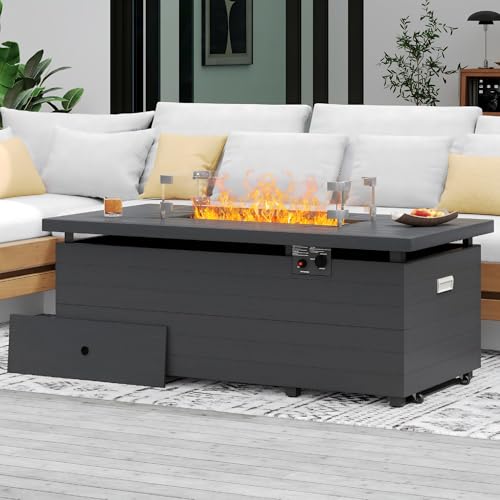
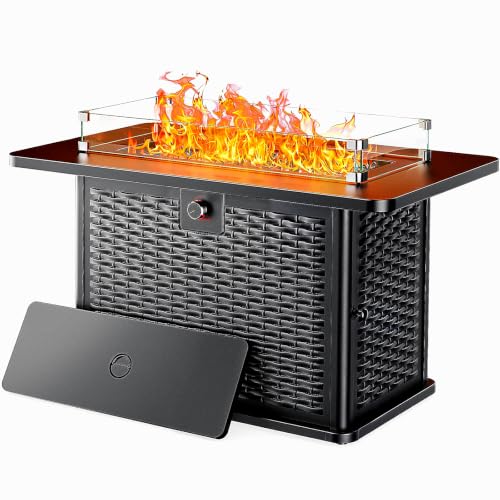
Propane Fire Table Under Covered Patio
Your complete guide to choosing, placing, and safely operating a propane fire table beneath a covered patio for warmth, ambiance, and year-round outdoor enjoyment.
See Recommended ModelsQuick Answer: A propane fire table can be used under a covered patio, but it must be a vented or vent-free model with adequate clearance from the ceiling and walls. Always check the manufacturer's clearance requirements and local codes before installation. Proper ventilation is critical to prevent carbon monoxide buildup and heat damage.
Why Choose a Propane Fire Table for Your Covered Patio?
A covered patio extends your outdoor living space, protecting you from sun and rain. Adding a propane fire table transforms this area into a cozy retreat usable in cooler months. Unlike wood-burning fire pits, propane models offer instant ignition, clean burning, and adjustable flame heights. They are ideal for homeowners who want ambiance without the hassle of ash cleanup or smoke.
However, placing any open flame under a roof requires careful planning. Heat rises, and trapped exhaust gases can be dangerous. This guide explains how to select the right fire table, position it safely, and maintain it for years of enjoyment. If you are still comparing fuel types, our electric vs gas vs wood comparison can help clarify the differences.
Types of Propane Fire Tables Suitable for Covered Patios
Not all fire tables are designed for covered spaces. The two main categories are vented and vent-free (also called ventless). Understanding the difference is essential for safety and performance.
Vented Propane Fire Tables
Vented models require a chimney or flue to exhaust combustion byproducts outside. They are less common for portable fire tables but may be built-in. If your covered patio has an existing vent or you plan to install one, a vented unit offers the safest operation. These tables produce a strong flame and are often used in permanent outdoor kitchens. For a related permanent installation, see our guide on outdoor covered patio with fireplace and kitchen.
Vent-Free Propane Fire Tables
Vent-free fire tables burn propane and release exhaust directly into the air. They are safe only in well-ventilated areas. Under a covered patio, you must ensure continuous airflow. Many manufacturers specify a minimum ceiling height and clearance to walls. Some vent-free models include an oxygen depletion sensor (ODS) that shuts off the unit if oxygen levels drop. These are convenient but require strict adherence to clearance rules. For a similar indoor application, read about propane ventless fireplace with blower.
Smokeless Fire Pits vs Propane Fire Tables
Smokeless fire pits burn wood or pellets and produce less smoke, but they still emit particulates. Under a covered patio, propane remains the cleaner choice. If you prefer a wood-burning option, consider a smokeless fire pit under covered patio only if ventilation is excellent. Propane fire tables are generally safer for covered areas because they produce no ash or sparks.
Clearance and Ventilation Requirements
This is the most critical part of placing a fire table under a roof. Failure to follow clearance guidelines can lead to fire, heat damage, or carbon monoxide poisoning.
| Requirement | Typical Minimum | Notes |
|---|---|---|
| Ceiling height | 7–8 feet (varies by model) | Check manual; some vent-free require 8+ feet. |
| Clearance to side walls | 2–4 feet | Keep away from combustible materials. |
| Clearance above flame | 40–60 inches | Heat rises; never place under low beams. |
| Ventilation area | At least 25% open on two sides | Required for vent-free operation. |
| Distance from furniture | 3 feet | Follow furniture distance from fireplace principles. |
Always consult your local building codes. Some jurisdictions prohibit vent-free propane appliances in enclosed or partially enclosed spaces. A covered patio with screens or walls may be classified differently than an open deck. For more on venting, see do you need a chimney or vent fireplace.
How to Choose the Right Propane Fire Table
When shopping for a propane fire table for your covered patio, consider these factors:
- Heat output (BTU): Most fire tables produce 30,000–60,000 BTU. For a covered patio, a mid-range output is often sufficient. Use our BTU guide to estimate needs.
- Material: Powder-coated steel, aluminum, or stone. Stone is heavy and may require structural support.
- Ignition type: Push-button or electronic. Electronic ignition is more convenient.
- Safety features: ODS, thermocouple, and auto shut-off.
- Size and shape: Round, square, or rectangular. Match your seating arrangement.
- Storage: Propane tank storage should be outside the covered area.
For a portable option that can be used in multiple locations, see portable propane fire pits for camping. If you prefer a permanent, built-in look, consider a free standing propane fireplace indoor for inside, or a stand alone ventless propane fireplace for a similar vibe.
Best Practices for Placement Under a Covered Patio
Proper placement maximizes safety and enjoyment. Follow these guidelines:
- Place the fire table at least 3 feet from any wall or column.
- Ensure the ceiling is high enough; avoid low overhangs.
- Do not place under a ceiling fan or light fixture.
- Keep away from curtains, decorations, or flammable materials.
- Use a heat shield or deflector if recommended by the manufacturer.
- Never block ventilation openings.
- Store propane tanks upright and outdoors.
If you are designing a full outdoor living space, our article on outdoor covered patio with fireplace and kitchen offers layout ideas. For a dining option, consider an outdoor dining table with fire pit in the middle.
Safety and Maintenance Tips
Propane fire tables are low-maintenance but require regular checks. Here’s what to do:
- Inspect hoses and connections for leaks using soapy water.
- Clean burner ports to prevent clogs.
- Check for rust or corrosion, especially in humid climates.
- Cover the table when not in use.
- Store propane tank safely.
- Test ODS and auto shut-off features monthly.
- Never leave a fire table unattended.
For general maintenance, see our outdoor fireplace maintenance guide. If you notice performance issues, our fireplace troubleshooting section may help.
Propane Fire Table vs Other Patio Heating Options
How does a propane fire table compare to other outdoor heating methods?
| Option | Pros | Cons |
|---|---|---|
| Propane fire table | Ambiance, instant heat, portable | Requires ventilation under cover |
| Electric patio heater | No emissions, easy to use | Less ambiance, higher electricity use |
| Wood-burning fire pit | Traditional feel, high heat | Smoke, ash, not ideal under cover |
| Natural gas fire table | Continuous fuel, no tank refills | Requires gas line, less portable |
For a comparison of electric and gas options, see electric vs gas running costs. If you are considering converting a propane table to natural gas, read converting propane fire table to natural gas.
Installation Considerations for Covered Patios
Most propane fire tables are portable and require no installation. However, if you choose a built-in model or need a gas line, professional installation may be necessary. For DIY enthusiasts, our DIY gas fireplace guide provides general principles. Always check fireplace permit requirements before installing any gas appliance.
If you are building a new covered patio, plan for ventilation and clearance from the start. Our adding a fireplace to an existing home article covers structural considerations.