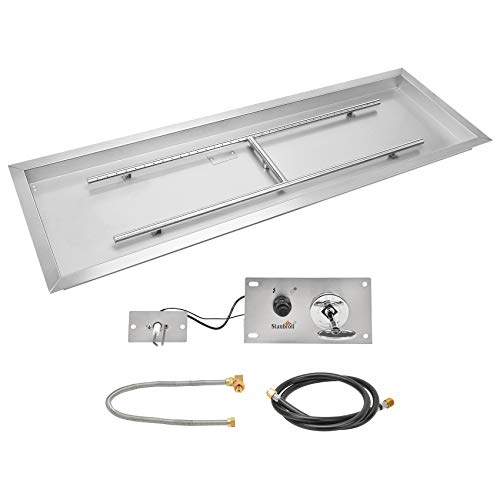
Converting a Propane Fire Table to Natural Gas
Step‑by‑step guide, cost breakdown, safety tips, and everything you need to know before you convert your propane fire table to natural gas.
If you already enjoy a propane fire table but want the convenience and lower cost of natural gas, you’re not alone. Many homeowners are making the switch. Converting a propane fire table to natural gas is entirely possible, but it requires the right conversion kit, careful attention to BTU output, and a solid understanding of gas pressure and orifice sizing.
This guide walks you through the entire process – from why you should convert, to what parts you need, how to do it safely, and what tier of investment to expect. By the end, you’ll have the confidence to tackle this project or hire a professional with full knowledge of what’s involved.
⚠️ Important: Natural gas and propane operate at different pressures. You cannot simply swap the gas hose. A proper conversion kit with the correct orifice and regulator is essential for safe operation and optimal flame performance.
Why Convert from Propane to Natural Gas?
Switching your fire table from propane to natural gas offers several compelling benefits:
- Cost savings: Natural gas is typically 30–50% cheaper than propane per BTU, especially if you already have a natural gas line to your home.
- Convenience: No more swapping heavy propane tanks or running out of fuel mid‑gathering.
- Consistent supply: Connected directly to your home’s gas line, you never have to worry about tank levels.
- Eco‑friendly: Natural gas burns cleaner than propane, producing fewer emissions per BTU.
- Higher heat output? Not necessarily – but with the right conversion, you can match or even slightly increase the BTU output depending on the orifice size.
If you’re already using a outdoor fireplace or fire table frequently, the switch makes even more sense. Many homeowners who convert report that they use their fire table much more often after switching to natural gas.
Understanding the Conversion: What Actually Changes?
Propane and natural gas have different energy densities and pressures. Here’s what changes during a conversion:
- Orifice (nozzle): The hole through which gas flows must be larger for natural gas because it has lower pressure than propane. A conversion kit includes the correct orifice size.
- Regulator: The fire table’s built‑in regulator (if any) may need to be adjusted or replaced to handle natural gas pressure (typically 7 inches water column vs. 11 inches for propane).
- Gas line: You’ll need a dedicated natural gas line from your home’s supply to the fire table, installed by a licensed plumber or gas fitter.
- Air shutter: Some burners have an adjustable air shutter to fine‑tune the flame mixture for natural gas.
🔧 Pro tip: Always use a manufacturer‑approved conversion kit for your specific fire table model. Universal kits exist but may not provide the exact BTU rating or flame appearance you expect.
Step‑by‑Step Conversion Guide
Follow these steps to convert your propane fire table to natural gas safely and correctly.
- Check compatibility. Verify that your fire table’s burner and valves are rated for natural gas. Most quality fire tables are, but check the manual or contact the manufacturer.
- Purchase the correct conversion kit. Buy a kit specifically designed for your fire table brand and model. It should include the right orifice, regulator (if needed), and installation instructions.
- Turn off the propane supply. Close the tank valve and disconnect the propane hose. Purge any remaining gas by letting the burner run for a few seconds (in a well‑ventilated area).
- Install the new orifice. Remove the burner assembly and replace the propane orifice with the larger natural gas orifice from the kit. Use caution not to strip the threads.
- Replace or adjust the regulator. If your fire table has a built‑in regulator, swap it for the natural gas one. If it’s adjustable, set it to the natural gas pressure (typically 7” WC).
- Connect the natural gas line. Have a licensed professional install a dedicated natural gas line from your home’s supply to the fire table location. Include a shut‑off valve and a sediment trap for safety.
- Test for leaks. Before lighting, apply soapy water to all connections and watch for bubbles. If you see any, tighten or reseal the joint.
- Check the flame and adjust. Light the fire table and observe the flame. It should be blue with yellow tips. Adjust the air shutter if needed to eliminate excessive yellow or sooting.
For a visual walkthrough, many homeowners find it helpful to watch a DIY fireplace installation video, but always defer to the manufacturer’s instructions for your specific model.
Value Tiers for Converting a Propane Fire Table to Natural Gas
The total tier depends on whether you do the work yourself or hire a professional. Here’s a realistic breakdown:
| Item | Value Tier |
|---|---|
| Conversion kit (orifice + regulator) | Entry-level |
| Gas line installation (per linear foot, if needed) | Entry-level to mid-range |
| Professional labor (if hiring a gas fitter) | Mid-range service tier |
| Permits & inspection (if required by local code) | Entry-level to mid-range |
| Total DIY (if you have gas line nearby) | Entry-level |
| Total with professional installation | Mid-range to premium |
If you already have a natural gas line on your patio or deck, the tier is significantly lower. Many homeowners find that the long‑term savings on fuel pay back the conversion cost within 1–2 seasons of regular use.
For more detailed pricing tiers, see our fireplace cost breakdown guide.
Safety & Local Code Considerations
Gas conversions are not a DIY free‑for‑all. Here are critical safety and code points:
- Always hire a licensed gas fitter for the gas line. Even if you handle the fire table conversion yourself, the gas line connection must meet local codes.
- Check your local building codes. Some municipalities require a permit for any gas appliance modification.
- Use the correct thread sealant. Only use pipe dope or tape rated for gas applications.
- Install a carbon monoxide detector. If the fire table is near living spaces, a CO detector is strongly recommended.
- Keep the area clear. Ensure at least 3 feet of clearance from combustible materials.
🛡️ Safety first: If you smell gas at any point, shut off the supply immediately and call a professional. Never light a match or operate electrical switches in the presence of a gas leak.
For more safety tips, check out our fireplace troubleshooting and maintenance sections.
Top Conversion Kits & Accessories
Choosing the right conversion kit is essential. Here are some of the most reliable and popular options available:
- Fire Table Brand Kits: Always the safest bet. Brands like Outdoor GreatRoom, Endless Summer, and Bond Manufacturing sell model‑specific kits.
- Universal Conversion Kits: Brands like Camco and Marshall offer universal kits that work with many fire tables – but double‑check orifice sizing.
- Regulator & Hose Kits: If your fire table doesn’t have a built‑in regulator, you’ll need a separate natural gas regulator and hose assembly.
- Gas Line Connection Kits: Includes shut‑off valves, quick‑connect fittings, and sediment traps for a professional installation.
Below you’ll find a selection of highly rated conversion kits and accessories from Amazon. Always verify compatibility with your fire table model before purchasing.
Frequently Asked Questions
Can any propane fire table be converted to natural gas?
Most modern fire tables are designed to be convertible, but always check the manual or contact the manufacturer. Some cheaper units may not have replaceable orifices.
Will the flame look different?
With the correct orifice, the flame should be very similar – a clean blue base with yellow tips. If the flame is too yellow or sooty, the air shutter may need adjustment.
Is it cheaper to run a fire table on natural gas?
Yes, natural gas is typically 30–50% cheaper than propane per BTU, and you don’t pay for tank refills or rentals.
Can I convert it myself?
You can do the fire table conversion yourself (if you’re handy) but the gas line must be installed by a licensed professional. Many homeowners do the table work and hire a plumber for the gas line.
How long does the conversion take?
The fire table conversion takes about 1–2 hours. The gas line installation can take half a day to a full day depending on the distance from your home’s gas meter.
For more answers, visit our fireplace FAQ section.
Final Thoughts: Is It Worth It?
Converting your propane fire table to natural gas is a smart long‑term investment. The convenience of an endless fuel supply and lower operating costs make it a favorite upgrade for homeowners who love outdoor entertaining. With the right buying guide preparation and a quality conversion kit, you can enjoy a warmer, more inviting fire table all season long.
If you’re still unsure about which conversion kit to choose, or if you need help estimating BTU requirements for your space, check out our BTU guide and sizing tips for more detailed information.
Ready to convert? Browse the recommended products below and pick the kit that matches your fire table. If you have questions, drop us a message – we’re here to help!
Shop Conversion Kits ↓