Why Add a Gas Fireplace to Your Existing Home?
Adding a gas fireplace to an existing home is one of the most rewarding home improvement projects. It provides instant ambiance, a supplemental heat source, and a significant boost to your home's value and appeal. Unlike traditional wood-burning fireplaces that require a chimney and constant maintenance, modern gas fireplaces offer push-button convenience and impressive energy efficiency. Whether you're looking to convert a wood-burning fireplace to a gas insert or are considering a completely new installation, this guide will provide a comprehensive overview.
Understanding Venting: The Key to a Safe Installation
Proper venting is the most critical aspect of any gas fireplace installation. The byproducts of combustion, including carbon monoxide, must be safely expelled. The type of venting will dictate where your fireplace can be installed.
Direct Vent
This is the most common and versatile venting method for modern gas fireplaces. A direct vent system uses a coaxial pipe (a pipe within a pipe) that draws outside air for combustion and exhausts flue gases directly outside through a wall or roof. This means no air from inside your home is used, which is great for energy efficiency and indoor air quality. Installing a gas fireplace in an existing chimney is a perfect application for a direct vent system, allowing you to use the old chimney chase as a route for the new vent.
Ventless (or Vent-Free)
Ventless gas fireplaces are designed to burn so cleanly that they don't require any venting. These are ideal for apartments or spaces where installing a vent is not feasible. However, they do release some moisture and combustion byproducts into the room, so they are not recommended for small, tightly sealed spaces or bedrooms. You can also find ventless gas fireplaces with mantel and shelves that act as a complete piece of furniture.
Natural Vent (B-Vent)
This type of fireplace uses a standard B-vent chimney to exhaust gases. They are less efficient than direct-vent models because they draw heated indoor air for combustion, but they can be a good option if you are installing a gas fireplace in an existing home that already has a suitable B-vent chimney in place.
The Installation Process: Professional vs. DIY
While some homeowners may consider a DIY installation, it is a complex task. It's crucial to weigh the risks and benefits. For most, hiring a professional is the safest and most reliable path.
Why Professional Installation is Recommended
Installing a gas fireplace involves running a gas line, which is a dangerous task that must be performed by a licensed plumber or HVAC technician. Any leaks can be life-threatening. Furthermore, the work must comply with local building and fire codes, which often require a permit and inspection. A professional installer will handle all these aspects, ensuring your fireplace is safe, code-compliant, and correctly vented. They also carry insurance in case of an accident.
Can You DIY a Gas Fireplace? The Reality
Attempting a DIY gas fireplace installation is strongly discouraged. While you might be able to handle the finish work like framing or tiling, the core installation—especially the gas line and venting—should be left to the experts. The potential for carbon monoxide poisoning, gas leaks, and voiding your homeowner's insurance is too great. For a complete breakdown, refer to the gas fireplace installation requirements.
What to Expect During a Professional Installation
A professional installation typically involves:
- Site Assessment: Determining the best location and venting route.
- Gas Line Installation: Running a new gas line from the meter or main supply to the fireplace location.
- Unit Installation: Setting the fireplace and connecting it to the gas and vent lines.
- Venting: Installing the direct-vent pipes or chimney liner.
- Testing and Inspection: Checking for leaks, testing function, and arranging for a municipal inspection if required.
For a detailed breakdown of potential expenses, it's best to consult the fireplace cost breakdown and cost of installing a gas fireplace in an existing home guides. The final cost will depend on the unit you choose (from entry-level to luxury models), the complexity of the venting, and local labor rates.
Top Gas Fireplace Inserts for Your Existing Home
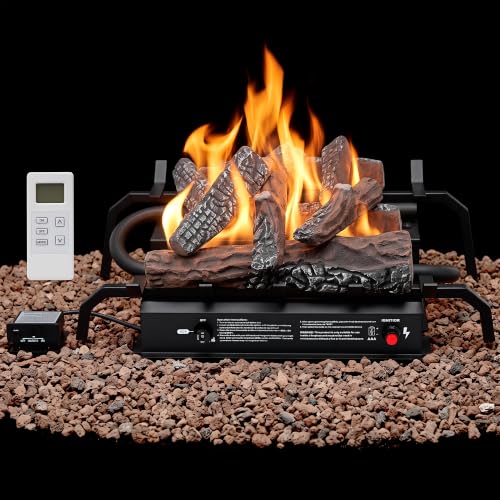
When choosing a gas insert, consider the heating capacity (BTU), efficiency rating, and venting requirements. The following products are excellent choices for various needs, from high-efficiency heaters to sleek, modern designs. For more options, you can explore our guides on the best gas fireplace inserts with blower and thermostat.
When installing a gas fireplace, especially an insert, consider how it will fit into your overall room design. For inspiration, see these interior design ideas for living room with fireplace.