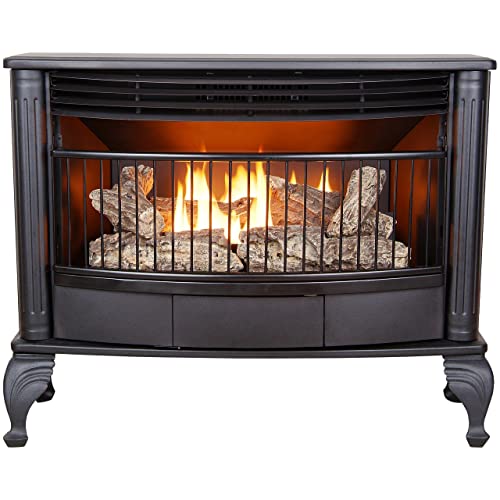
Natural Gas Ventless Freestanding Fireplaces
The ultimate guide to understanding, choosing, and installing a ventless freestanding natural gas fireplace for efficient, flexible, and stylish home heating.
Start Your ResearchWhat is a Natural Gas Ventless Freestanding Fireplace?
A natural gas ventless freestanding fireplace is a self-contained heating appliance that operates on natural gas without the need for a chimney or external venting system. Unlike traditional fireplaces that require a flue to exhaust combustion byproducts, ventless models are designed to burn gas so cleanly that they produce minimal emissions, allowing them to be placed almost anywhere in your home.
The "freestanding" designation means the unit is not built into a wall or existing fireplace structure. Instead, it stands independently, often on legs or a pedestal, giving you the flexibility to position it in a living room, bedroom, or even a basement. This combination of ventless technology and freestanding design makes these fireplaces an excellent choice for homeowners who want the warmth and ambiance of a real fire without the cost and complexity of a traditional chimney installation.
If you are new to fireplaces in general, you might want to start with our beginner's guide to fireplaces before diving into the specifics of ventless models. For a broader overview of all fuel types, our article on types of fireplaces explained provides a solid foundation.
How Do Ventless Natural Gas Fireplaces Work?
Understanding the mechanics of a ventless fireplace is key to appreciating its benefits and limitations. Here's a breakdown of how these units operate:
- Gas Supply: The fireplace connects to your home's natural gas line, either directly or via a flexible connector. This provides a continuous fuel source, eliminating the need for refilling tanks like propane models.
- Combustion: When you turn on the unit, gas flows to a burner where it is ignited by a pilot light or electronic ignition system. The gas burns with a clean, blue flame that produces heat.
- Oxygen Depletion Sensor (ODS): This critical safety feature monitors oxygen levels in the room. If oxygen drops below a safe threshold, the ODS automatically shuts off the gas supply to prevent carbon monoxide buildup.
- Heat Distribution: The heat generated is radiated into the room. Many freestanding models include a blower or fan to circulate warm air more efficiently, improving overall heating performance.
- No Venting Required: Because the combustion is so efficient, the byproducts (primarily water vapor and a small amount of carbon dioxide) are released directly into the room. This is why proper sizing and ventilation are crucial for safe operation.
For a deeper dive into the technical differences between vented and ventless systems, you might find our comparison on vented vs ventless gas fireplaces helpful. Additionally, understanding heating capacity and BTU ratings will help you choose a model that matches your room size.
Key Benefits of Ventless Freestanding Gas Fireplaces
Why are these fireplaces becoming increasingly popular among homeowners? Here are the primary advantages:
✅ Advantages
- No Chimney Needed: Saves on installation costs and allows placement in rooms without existing flues.
- High Efficiency: Nearly all the heat stays in the room, making them up to 99% efficient.
- Flexible Placement: Freestanding design lets you move the unit to different rooms if desired.
- Continuous Fuel Source: Natural gas is piped directly to your home, so you never run out of fuel.
- Aesthetic Appeal: Offers the cozy look of real flames without the mess of ash or wood.
- Easy Installation: Less invasive than built-in or vented models, often requiring only a gas line connection.
⚠️ Considerations
- Indoor Air Quality: Requires proper room ventilation to manage moisture and trace emissions.
- Safety Regulations: Some states or localities have restrictions on ventless heaters.
- Regular Maintenance: Requires periodic cleaning and inspection to ensure safe operation.
- Limited Heating Capacity: Best for supplemental heating rather than whole-home warmth.
- Moisture Production: Can increase indoor humidity, which may be a concern in already damp climates.
When considering safety, it's essential to review our guide on signs of carbon monoxide from fireplaces. For those comparing fuel types, our article on electric vs gas vs wood fireplaces provides a comprehensive comparison.
How to Choose the Right Size and BTU Rating
Selecting the correct size for your ventless freestanding fireplace is crucial for both performance and safety. An undersized unit won't heat your space effectively, while an oversized one can produce excess moisture and potentially trigger the oxygen depletion sensor.
Calculating Your Heating Needs
The general rule of thumb is to use the following formula:
- BTU Requirement = Room Volume (cubic feet) × Temperature Rise Factor
- For a well-insulated room, use a factor of 4-5 BTU per cubic foot.
- For an average-insulated room, use a factor of 6-7 BTU per cubic foot.
- For a poorly insulated or drafty room, use a factor of 8-9 BTU per cubic foot.
For example, a 300-square-foot room with 8-foot ceilings has a volume of 2,400 cubic feet. Using a factor of 6, you would need approximately 14,400 BTU.
For a more detailed breakdown, refer to our guide on how to size a fireplace and our fireplace sizing worksheet. If you're heating a smaller space, our article on the best fireplaces for small spaces offers tailored advice.
Installation and Safety Requirements
Installing a natural gas ventless freestanding fireplace is generally less complex than installing a vented model, but it still requires careful planning and professional expertise.
Key Installation Steps:
- Select a Location: Choose a spot with adequate clearance from combustible materials (typically 36 inches from the front and 12 inches from the sides, but check your model's manual).
- Gas Line Connection: A licensed plumber or gas fitter must run a gas line to the unit's location. This is not a DIY task.
- Ventilation: Ensure the room has adequate ventilation. The manufacturer will specify the minimum room size and ventilation requirements.
- Electrical Connection: Some models with blowers or electronic ignition require a standard electrical outlet.
- Clearances: Maintain proper clearances from walls, furniture, and curtains. Refer to our guide on furniture distance from a fireplace for safety tips.
Before installation, check local building codes and permit requirements. Our article on fireplace permit requirements and installation guide overview can provide more context. For those comparing installation methods, see wall-mounted vs insert vs freestanding fireplaces.
Ventless Freestanding vs. Other Fireplace Types
To help you make an informed decision, here's a comparison of ventless freestanding natural gas fireplaces with other popular options:
| Feature | Ventless Freestanding Gas | Vented Gas Fireplace | Electric Fireplace | Wood Burning Fireplace |
|---|---|---|---|---|
| Venting Required | No | Yes | No | Yes (Chimney) |
| Efficiency | High (up to 99%) | Moderate (70-85%) | High (up to 100%) | Low (10-30%) |
| Installation Cost | Mid-range | High | Entry-level | High |
| Heat Output | Moderate to High | High | Low to Moderate | High |
| Ambiance | Real Flame | Real Flame | Simulated Flame | Real Flame |
| Maintenance | Low | Moderate | Very Low | High |
| Placement Flexibility | High | Low | Very High | Low |
For a more detailed comparison, explore our articles on electric vs gas running costs and most energy-efficient fireplace types.
Maintenance Tips for Longevity and Safety
To keep your ventless freestanding natural gas fireplace operating safely and efficiently, follow these maintenance practices:
- Annual Professional Inspection: Have a qualified technician inspect the unit, clean the burner, and check the ODS and gas connections. See our guide on gas fireplace inspection.
- Clean the Glass: Use a non-abrasive cleaner recommended by the manufacturer. Our article on how to clean fireplace glass provides step-by-step instructions.
- Dust and Vacuum: Regularly dust the exterior and vacuum around the burner and vents to prevent dust buildup.
- Check the Pilot Light: Ensure the pilot light is burning cleanly. If you have issues, refer to our troubleshooting guide on pilot light keeps going out.
- Monitor for Odors: A slight smell when first turned on is normal, but persistent odors may indicate a problem. See our article on fireplace smells like gas.
For a comprehensive maintenance schedule, refer to our fireplace maintenance schedule and gas fireplace maintenance guide.
Frequently Asked Questions
Are ventless natural gas fireplaces safe?
Yes, when installed and operated correctly. They are equipped with an Oxygen Depletion Sensor (ODS) that shuts off the gas if oxygen levels drop. However, they must be used in well-ventilated spaces and according to the manufacturer's instructions. Always follow local codes and consider a carbon monoxide detector for added safety.
Do ventless fireplaces produce carbon monoxide?
They produce a very small amount of carbon monoxide, which is why proper ventilation is essential. The ODS is designed to prevent dangerous levels from accumulating. For more information, see our article on signs of carbon monoxide from fireplaces.
Can I install a ventless freestanding fireplace myself?
While some aspects of installation may be DIY-friendly, connecting the gas line must be done by a licensed professional. We recommend reading our guide on DIY vs professional fireplace installation before deciding.
How much does it cost to run a natural gas ventless fireplace?
Running costs depend on your local natural gas rates and usage. Generally, they are considered cost-effective for supplemental heating. For a detailed analysis, see our article on daily running cost of a fireplace.
Can a ventless fireplace heat an entire house?
No, these are designed for supplemental heating in a specific room or area. For whole-home heating, you would need a central heating system. Our article on can a fireplace heat an entire house explains this in more detail.
What is the lifespan of a ventless freestanding gas fireplace?
With proper maintenance, these units can last 10-15 years or more. Regular servicing and cleaning are key to longevity. See our article on fireplace lifespan for more information.
Ready to Find Your Perfect Ventless Freestanding Fireplace?
Explore our recommended models below to find the best fit for your home's heating and style needs.
View Recommended Products