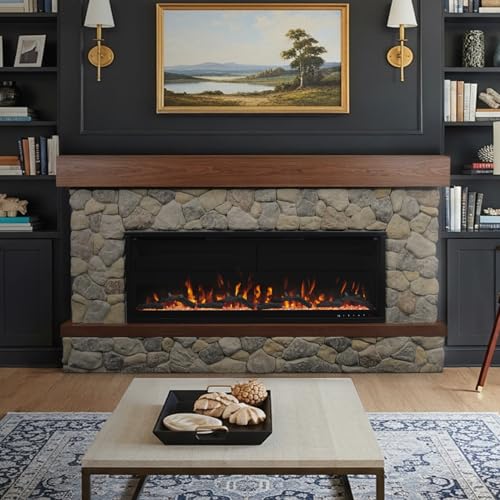
Interior Design Ideas for Living Room with Fireplace
Transform your living room into a warm, stylish, and functional space. Explore expert layout strategies, material pairings, and design principles that make a fireplace the true heart of your home.
Explore Design StrategiesDesign Philosophy: A fireplace is more than a heat source—it's an architectural focal point that dictates furniture placement, traffic flow, and the overall mood of your living room. Whether you're working with a traditional masonry fireplace, a modern linear gas insert, or a versatile electric unit, the right design approach can unify the entire space.
Why Fireplace Design Matters in Your Living Room
The living room is where families gather, guests are entertained, and quiet evenings unfold. A fireplace anchors this space, providing visual weight and a natural gathering point. According to interior design principles, the fireplace should be treated as the primary focal point unless competing elements like a large TV or picture window dictate otherwise. Understanding how to balance these elements is key to a cohesive room. If you're considering a full room refresh, exploring living room arrangement ideas with fireplace can give you a solid foundation before committing to major changes.
Proper design also affects functionality. A poorly placed fireplace can create drafty zones, restrict furniture layout, or make a room feel cramped. Conversely, a well-integrated fireplace enhances heating efficiency, improves traffic flow, and adds measurable value to your home. For those in the research phase, our fireplace buying guide walks through essential considerations before you commit to a specific type or model.
Choosing the Right Fireplace Type for Your Living Room
The fireplace type you choose directly influences your design options. Electric fireplaces offer unmatched flexibility—they can be mounted on walls, recessed into cabinetry, or placed freestanding, making them ideal for modern living rooms where venting isn't feasible. Gas fireplaces provide realistic flames and efficient heating, and they work well in both traditional and contemporary settings. Wood-burning fireplaces deliver authentic ambiance but require chimney infrastructure and regular maintenance. Ethanol fireplaces are eco-friendly and ventless, though they produce less heat.
If you're weighing options, our detailed comparison of types of fireplaces breaks down pros, cons, and best-use scenarios. For homeowners with an existing masonry fireplace who want better efficiency without a full rebuild, a high-efficiency wood burning fireplace insert can dramatically improve heat output while preserving the traditional look. Similarly, if you're considering upgrading to gas, learning how to convert a wood burning fireplace to gas inserts can save you from a costly tear-out.
Electric Fireplaces
Best for apartments, modern homes, and spaces without venting. Offers realistic flames, remote control, and optional heating. Ideal for wall-mounted or recessed installations.
Gas Fireplaces
Great for efficient heating and realistic flames. Available in vented and ventless options. Works well with stone surrounds and built-in cabinetry.
Wood-Burning Fireplaces
Traditional charm with authentic crackling sounds. Requires chimney maintenance and proper ventilation. Best for homeowners who value ambiance.
Furniture Layout and Arrangement Around the Fireplace
Furniture placement is the single most impactful design decision in a living room with a fireplace. The goal is to create a conversation area that feels intimate yet open, with the fireplace serving as the natural anchor. A common mistake is pushing all furniture against the walls, which creates a disconnected, waiting-room feel. Instead, pull seating pieces into the room to form a U-shape or L-shape arrangement centered on the fireplace.
For rooms with a TV above the fireplace, the challenge is balancing two focal points. One effective approach is to lower the TV or use a pull-down mount so it sits closer to eye level when in use. Another option is to place the TV on an adjacent wall and use the fireplace as the sole focal point. If you need inspiration for TV placement, our guide on living room with fireplace and TV on different walls offers practical layouts.
Traffic flow is equally important. Leave at least 36 inches of clearance between the fireplace and any furniture to prevent overheating and allow safe passage. For smaller living rooms, consider a design for a small living room with fireplace that maximizes space without sacrificing style. If your room features a corner fireplace, explore corner fireplace living room design ideas for efficient layouts that don't waste square footage.
Material and Finish Choices for a Cohesive Look
The materials you choose for your fireplace surround, hearth, and mantel should complement your overall interior design. Stone, brick, tile, and wood are the most common options, each with distinct visual weight and maintenance requirements. A living room with stone fireplace decor ideas can range from rustic to sleek, depending on the stone type and finish. If you prefer a painted look, understanding paint colors that go with a red brick fireplace can help you modernize without losing character.
For a polished, contemporary feel, consider stone fireplace surrounds for gas fireplaces, which offer clean lines and durable surfaces. If you're updating an older fireplace, DIY fireplace makeover projects can transform the look at a fraction of the cost of a full remodel. Adding a heat resistant paint for metal fireplace surround is a simple way to refresh worn surfaces while maintaining safety.
Integrating TV and Entertainment Centers
Modern living rooms often require a balance between fireplace ambiance and TV functionality. A TV stand entertainment center with fireplace combines both into a single unit, saving space and creating a unified look. For larger rooms, a large entertainment center with electric fireplace can serve as a statement piece that houses media equipment, books, and decorative items.
If you're designing a built-in solution, a built-in entertainment center with fireplace offers a custom, seamless appearance. For those who prefer a more modular approach, entertainment center with shelves and fireplace provides flexible storage and display options. When selecting a unit, ensure the fireplace insert is appropriately sized for the room and that cable management is planned from the start. Our article on TV above fireplace safety covers heat concerns and mounting best practices.
Lighting, Rugs, and Accessories
Lighting plays a crucial role in highlighting your fireplace and creating ambiance. Layered lighting—combining ambient, task, and accent fixtures—works best. Use wall sconces on either side of the fireplace for symmetry, or install picture lights above artwork on the mantel. Dimmer switches allow you to adjust the mood from bright and functional to warm and intimate.
Rugs define the conversation area and add warmth underfoot. Choose a rug that is large enough to sit under the front legs of your furniture, creating a cohesive zone. For fireplaces that produce embers or sparks, a fire resistant rug for in front of fireplace is a smart safety investment. Accessories like flameless taper candles with flickering flame can add ambiance without the risk of open flames, and artificial flower arrangements for fireplaces bring color and texture without maintenance.
Design Ideas by Fireplace Type
Different fireplace types lend themselves to different design approaches. Electric fireplaces are often used in modern, minimalist settings where clean lines and uncluttered surfaces dominate. A contemporary freestanding electric fireplace can serve as a sculptural element, while a recessed and wall mounted electric fireplace creates a seamless, integrated look. For a more traditional feel, a free standing electric fireplace with mantel offers the charm of a classic hearth without the venting requirements.
Gas fireplace designs often emphasize realism and efficiency. A direct vent gas fireplace insert with blower is ideal for existing chimneys, providing efficient heat distribution. For ventless options, a ventless gas fireplace insert with glass front offers flexibility in installation. Wood-burning enthusiasts may prefer a wood burning fireplace insert with glass doors for a classic look with improved efficiency.
Common Design Mistakes to Avoid
Even well-intentioned design plans can go awry. One frequent mistake is overcrowding the mantel with too many small objects, which creates visual clutter. Instead, follow the rule of thirds: group items in odd numbers and vary heights for balance. Another common error is choosing a mantel that is too small or too large for the fireplace opening. The mantel should be slightly wider than the firebox and proportionate to the room's scale.
Ignoring clearance requirements is not only a design flaw but a safety hazard. Keep flammable materials at least three feet away from the fireplace, and always follow the manufacturer's installation guidelines. If you're unsure about local codes, consult a professional. Our fireplace ventilation requirements guide outlines essential safety standards.
Comparison Table: Design Considerations by Fireplace Type
| Fireplace Type | Best For | Installation Flexibility | Maintenance Level | Design Style Match |
|---|---|---|---|---|
| Electric | Apartments, modern homes, quick installs | High (wall-mount, recessed, freestanding) | Low (dusting, occasional vent cleaning) | Contemporary, minimalist, transitional |
| Gas | Efficient heating, realistic flames | Moderate (vented or ventless options) | Moderate (annual inspection, burner cleaning) | Traditional, transitional, modern |
| Wood-Burning | Authentic ambiance, off-grid heating | Low (requires chimney or flue) | High (chimney sweeping, ash removal) | Rustic, farmhouse, traditional |
| Ethanol | Eco-conscious design, ventless spaces | High (portable and wall-mounted options) | Low (refueling, occasional cleaning) | Modern, minimalist, eclectic |
Frequently Asked Questions
How do I arrange furniture in a living room with a fireplace and TV?
Create a focal point with the fireplace and position seating in a U-shape or L-shape around it. If the TV is above the fireplace, consider a pull-down mount or place the TV on an adjacent wall to avoid neck strain. Leave at least 36 inches of clearance between the fireplace and furniture for safety and traffic flow.
What materials work best for a fireplace surround in a modern living room?
For a modern look, consider large-format porcelain tile, smooth concrete, or stacked stone in neutral tones. These materials offer clean lines and are easy to maintain. Pair with a minimalist mantel or choose a frameless design for a seamless appearance.
Can I install an electric fireplace in an existing masonry fireplace?
Yes, many electric fireplace inserts are designed to fit into existing masonry fireplaces. This is a popular way to update an old fireplace without the cost of converting to gas or wood. Look for inserts with realistic flame effects and adjustable heat settings. Our guide on electric fireplace insert for real fireplace covers installation details.
How do I choose the right size fireplace for my living room?
Fireplace sizing depends on room dimensions, ceiling height, and heating needs. As a general rule, the fireplace opening should be proportional to the room—typically 1 inch of fireplace width for every 3 feet of room width. For heating, calculate BTU requirements based on square footage. Our how to size a fireplace guide provides a step-by-step formula.
What are the best ways to decorate a mantel for everyday style?
For everyday decorating, keep it simple and balanced. Use a large anchor piece like a mirror or artwork, add height with candlesticks or vases, and incorporate a touch of greenery. Avoid overcrowding. Our farmhouse mantel decorating ideas for everyday offers inspiration for a relaxed, lived-in look.
Designing a living room with a fireplace is an opportunity to create a space that is both beautiful and functional. By understanding the role of the fireplace as a focal point, choosing the right type and materials, and arranging furniture to support conversation and flow, you can transform your living room into the heart of your home. Whether you're starting from scratch or refreshing an existing space, the key is to balance aesthetics with practicality—and always prioritize safety.
See Recommended Fireplaces